Genres
Make Music
Artists
Albums
Challenges
Sign in
Sign in
Albums
By Mongo Santamaria
Albums
By Mongo Santamaria
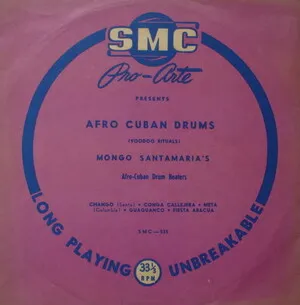
Afro Cuban Drums
December 11, 2020
Listen
1
/5
Genres
Conga
Conga is an Afro-Cuban street-carnival music and rhythm associated with the comparsas of Santiago de Cuba, Camagüey, and Havana. In this context, “conga” names both the large, costumed procession (comparsa) and the driving, syncopated music that propels it through the streets during carnival. Evolving alongside rumba in the late 19th century, conga features a large, heterogeneous percussion battery playing layered, off-beat patterns over a propulsive 2/4 march feel. The core sound comes from tumbadoras (conga drums), bass drums with cymbal attachments (bombo con platillo), cowbells, shakers, metal objects (such as frying pans), and snare-like drums; many Eastern Cuban comparsas also feature the piercing corneta china (a Chinese suona) that leads the melodies and signals choreographic changes. Vocals are typically in call-and-response, and some ensembles add small brass or winds for melodic punctuations. Unlike studio dance styles, conga is inseparable from spectacle: it is collective, participatory music for processions, with set choreographies, flags, and banners. Its groove is simple to hear but rhythmically intricate under the surface, interlocking straight-ahead marching strokes with Cuba’s characteristic syncopations and cinquillo-derived accents.
Discover
Listen
Rumba Cubana
Rumba cubana is an Afro‑Cuban secular music and dance tradition born in the working‑class solares and dockyards of Havana and Matanzas in the late 19th century. It is percussion‑driven, sung in call‑and‑response, and danced in a highly interactive way. The genre revolves around the rumba clave (in 3‑2 or 2‑3 orientation), interlocking conga (tumbadora) parts, wooden sticks (palitos) on the drum shell, and often cajones (wooden boxes) and chekeré. Its main substyles are yambú (slow and graceful), guaguancó (medium tempo, playful “vacunao” courtship gesture), and columbia (fast, often in 12/8, originally a solo male competitive dance). Rumba cubana is distinct from the ballroom “rhumba.” It is a community practice that blends Central/West African rhythmic logics with Spanish song poetry, improvisation, and dance theater.
Discover
Listen
Guaguancó
Guaguancó is a vibrant couple-dance style within the Cuban rumba family that emerged in working‑class Afro‑Cuban neighborhoods, especially in Havana and Matanzas. It features an interlocking percussion ensemble, call‑and‑response vocals, and a flirtatious dance whose central dramatic gesture is the vacunao, a playful, sudden pelvic or hand "tag" that the partner attempts to block. Musically, guaguancó is organized around the rumba clave (in 3‑2 or 2‑3 orientation), with layered patterns on congas (tumbadoras), the lead quinto drum improvising over the groove, and timekeeping on claves and a wooden guagua/cata. The singing typically begins with an improvised diana (vocal fanfare), moves into solo verses (pregón) and a catchy coro (estribillo). The overall effect is communal, earthy, and intensely rhythmic—designed as much for dance and social play as for musical display.
Discover
Listen
Santería Music
Santería music (música de la Regla de Ocha/Lucumí) is the sacred Afro‑Cuban repertoire used to venerate the orishas, blending Yoruba religious song and drumming with elements absorbed in colonial Cuba. It is characterized by polyrhythmic ensembles of batá drums (iyá lead drum, itótele, and okónkolo), iron bell (ogán), and beaded gourds (chekeré). Voices are organized in call‑and‑response between a lead singer (akpwón) and a chorus, sung in Lucumí (a Yoruba-derived liturgical language) with occasional Spanish refrains. Melodies are mostly syllabic and narrow in range, prioritizing rhythm, timbre, and ritual text over harmonic development. Performances center on codified rhythmic cycles (toques) and song suites associated with specific deities (e.g., Changó, Yemayá, Ochún, Elegguá, Ogún). In ceremonial contexts, the music serves divination, invocation, and possession trance, while public bembé gatherings and staged folkloric versions adapt the same vocabulary for secular presentation.
Discover
Listen
Similar albums
1969
Controversia
Ismael Rivera y sus Cachimbos
1964
Echando pa'lante (Straight Ahead)
Eddie Palmieri
1991
Dance Mania
Tito Puente and His Orchestra
1993
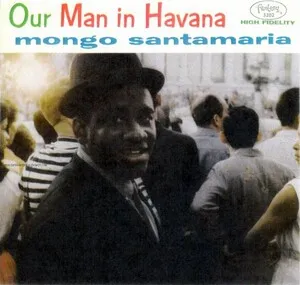
Our Man in Havana
Mongo Santamaría
1965
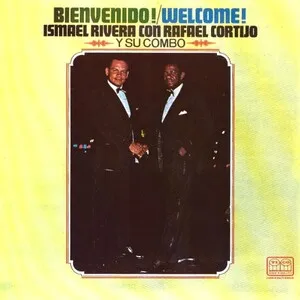
Bienvenido! / Welcome!
Ismael Rivera & Cortijo y Su Combo
1969
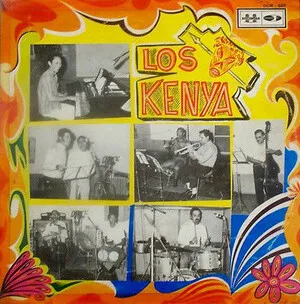
Los Kenya
Los Kenya
1966
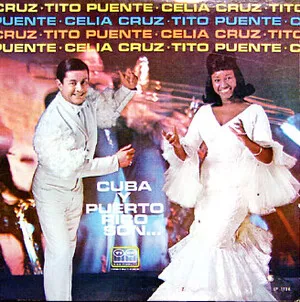
Cuba y Puerto Rico son...
Celia Cruz & Tito Puente
1972
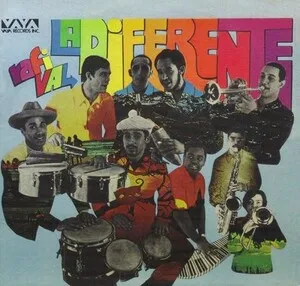
Rafi Val y la Diferente
Rafi Val y La Diferente
1995
Tumi Cuba Classics, Vol. 2: Afro-Cuban
Merceditas Valdés
1996
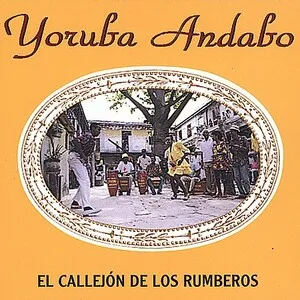
El callejon de los rumberos
Yoruba Andabo
Download our mobile app
Get the Melodigging app and start digging for new genres on the go
Download on the App Store
Get it on Google Play
© 2026 Melodigging
Give feedback
Legal
Melodding was created as a tribute to
Every Noise at Once
, which inspired us to help curious minds keep digging into music's ever-evolving genres.