Genres
Artists
Albums
Make Music
Sign in
Sign in
Artists
Drum And Bass
Artists
Drum And Bass
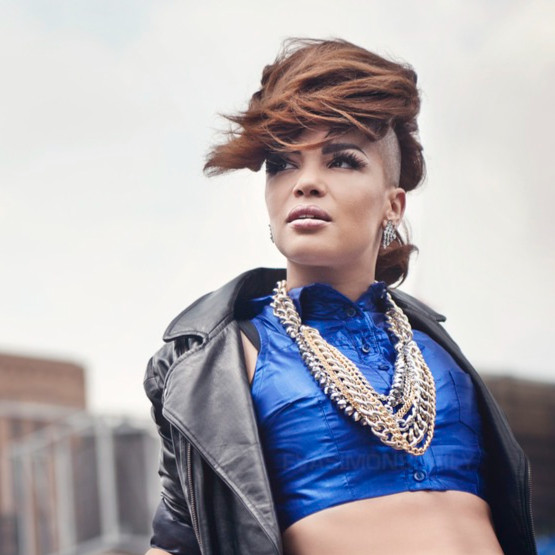
Jem Cooke
Listen
3
/5
Genres
Stutter House
Stutter house is a contemporary house microgenre defined by the percussive use of chopped and rapidly re-triggered vocal fragments that “stutter” rhythmically over a four-on-the-floor groove. Producers slice a short vocal phrase into tiny grains (often 1/8–1/32 notes), gate or retrigger them in syncopated patterns, and then pitch-, formant-, or time-shift the pieces to create a hook that functions as both melody and rhythm. The style typically runs at 124–130 BPM, pairs a tight, sidechained low-end with crisp tech house drums, and relies on minimalist arrangement so the stuttering vocal lead remains the focal point. It borrows the tactile, loop-centric immediacy of tech house and the glitchy ear-candy of modern EDM while keeping club mixing and dancefloor momentum in mind.
Discover
Listen
Deep Deep Tech House
Deep deep tech house is a particularly stripped‑back, hypnotic strain of tech house that leans heavily into deep house harmony and minimal, dub‑tinged textures. It keeps the 4/4 groove and club functionality of house while favoring restrained arrangements, long tension arcs, and subtle sound‑design over big breakdowns. Typical tempos sit around 120–126 BPM; drums emphasize tight 909‑style hats and crisp, short kicks; basslines are warm, rolling subs that lock with lightly swung percussion; harmonic content tends to be sparse—muted chord stabs, airy pads, and occasional soulful vocal fragments used as texture rather than focal hooks. The overall aim is an immersive “head‑down” flow that rewards long blends and extended sets. The palette and structure trace back to tech house’s fusion of house and techno and to deep house’s smoother harmonies.
Discover
Listen
Deep Disco House
Deep disco house is a club-focused fusion of deep house’s moody harmony and groove with disco’s live‑band feel, string swells, and bass‑guitar swagger. It favors warm, analog textures, filtered samples, and soulful vocals, but keeps the arrangement long and DJ‑friendly. Expect a steady four‑on‑the‑floor kick (typically 116–123 BPM), syncopated hi‑hats and claps, rubbery bass lines, Rhodes or piano chords (often minor 7/9 voicings), and tasteful use of disco strings, guitar chops, and hand percussion. Compared to straight disco house, the sound is deeper, more hypnotic and heads‑down, with extended sections for mixing and subtle dynamic rises rather than big festival drops.
Discover
Listen
Deep Tech
Deep tech (often shorthand for deep tech house) is a stripped‑back, groove‑led branch of house/tech house that emphasizes hypnotic repetition, swing, and sound design over big hooks. Typical tracks sit around 124–128 BPM, use tight, shuffling drum programming, and rely on deep sub‑bass, crisp hi‑hats, and minimal, percussive motifs. Harmony tends to be sparse—dubby chords, single‑note stabs, or short pads—leaving space for long DJ‑friendly arrangements. Vocals, if present, are usually snippets or whispered phrases processed with delay and reverb to blend into the texture rather than sit on top. The result is functional and heady: music optimized for long, seamless mixes, late‑night dancefloors, and a rolling, understated energy rather than explosive drops.
Discover
Listen
Melodic House
Melodic house is a strain of house music that foregrounds memorable melodies, emotive chord progressions, and lush atmospheres while retaining a steady four-on-the-floor groove. It typically runs at a mid-tempo pace, features warm basslines, gentle percussion, and arpeggiated or plucked leads, and often balances a bittersweet, introspective tone with a quietly uplifting drive. Tracks are arranged with DJ-friendly intros and outros, spacious breakdowns, and tasteful builds, making the style equally suited to late-night dancefloors and attentive listening.
Discover
Listen
Organic House
Organic house is a warm, earthy branch of house music that blends the steady pulse of club rhythms with acoustic timbres, hand-played percussion, and natural ambience. Instead of hard-edged synths and aggressive drops, it favors wood, skin, breath, and strings—think bongos, kalimba, nylon‑string guitar, ney and bansuri flutes, hang drum, and gentle field recordings. Typically cruising between 110–122 BPM, it keeps a 4/4 foundation while using lightly swung grooves, intricate shaker patterns, and softly saturated textures. Melodies often draw on modal and folk traditions (Dorian, Phrygian, pentatonic), creating a contemplative, nomadic feel. The result is dance music that is intimate, human, and cinematic—equally at home on a sunlit dance floor or a deep-listening session.
Discover
Listen
Neo-Singer-Songwriter
Neo-singer-songwriter is a contemporary, streaming-era evolution of the classic singer–songwriter tradition. It keeps the intimate, confessional lyricism and melody-forward writing, but updates the palette with glossy indie-pop production, subtle electronic textures, and studio-crafted dynamics. Artists often pair acoustic guitar or piano with tasteful synth pads, granular ambience, and restrained beats. The result feels more cinematic and radio-ready than 1970s forebears, yet it still centers a personal voice, diaristic storytelling, and hook-driven choruses.
Discover
Listen
Minimal Melodic Techno
Minimal melodic techno is a strand of techno that strips the drum programming and arrangement back to a lean, hypnotic framework while foregrounding emotive, slowly evolving melodies. Compared with peak-time melodic techno, it uses fewer elements, more negative space, and subtler sound design. The kick-and-bass foundation is dry and precise, the percussion is sparse, and the lead material is typically a single motif (often arpeggiated) that develops via modulation, filtering, and gradual layer changes rather than big drops. Pads, drones, and nuanced reverb tails provide atmosphere, yielding a sound that is intimate, melancholic, and deeply danceable.
Discover
Listen
G-House
G-house ("gangsta house") is a club-focused fusion of house music and hip-hop, characterized by dark, low-slung basslines, shuffling house drums, and rap vocals or samples with a streetwise, West Coast swagger. Typically sitting around 120–126 BPM, it borrows the groove and arrangement discipline of deep/tech house while foregrounding the attitude and timbral aesthetics of gangsta rap and G-funk. Vocal hooks are often pitched, chopped, or looped, sitting over minimal, sub-heavy bass figures and crisp 909/808-derived percussion. The result is music that feels both sleek and menacing—built for late-night dancefloors with a noir, urban edge.
Discover
Listen
Guaracha Edm
Guaracha EDM is a Colombian-born strain of four-on-the-floor electronic dance music that fuses big-room energy with hooky, folkloric Latin riffs. Its hallmark sound is a driving 4/4 kick at club tempo, stacked with syncopated toms and hand percussion, while short, catchy trumpet- or accordion-like leads deliver the melodic hook. Unlike classic house or techno, the genre leans heavily on Latin rhythmic vocabulary and party chants in Spanish, often chopping, pitching, or formant-shifting vocals into percussive call‑and‑response motifs. The result is a high-adrenaline, festival-ready style designed for “zapateo” dance floors and peak-time drops.
Discover
Listen
Melodic Dubstep
Melodic dubstep is a song-oriented, emotionally expressive branch of dubstep that blends the genre’s half-time drums and sound-design-heavy drops with lush chord progressions, cinematic atmospheres, and vocal-led songwriting. It typically sits around 140 BPM (often written and perceived in half-time), using supersaw stacks, plucky arps, and wide pads drawn from trance and progressive house, while retaining dubstep’s punchy kicks, snare-on-3 backbeat, and bass-focused drops. Compared to aggressive brostep, melodic dubstep prioritizes memorable toplines, warm harmonies, and dramatic builds that culminate in cathartic yet tasteful drops. It often features lyrical themes of longing, hope, and resilience, making it common in vocal collaborations and festival-ready singalongs.
Discover
Listen
Melodic Techno
Melodic techno is a strain of techno that centers emotive, memorable melodies while retaining the hypnotic, steady pulse of club-oriented techno. It typically sits between 120 and 128 BPM, employs long-form arrangements, and favors minor-key progressions, evolving arpeggios, and lush pads over aggressive distortion. The style blends techno’s linear groove with the harmonic storytelling of progressive house and the suspended euphoria of trance. The overall palette is sleek and cinematic: warm analog leads, rolling sub-driven basslines, crisp 909/707-inspired drums, and extensive use of reverb, delay, and automation to create tension-and-release without resorting to maximal drops. Compared with big-room or festival trance, melodic techno tends to be darker and more restrained; compared with progressive house, it is often more minimal in its drum writing yet more insistent in its ostinatos and motifs. Its mood is frequently melancholic yet uplifting, making it effective both in late-night clubs and on large festival stages.
Discover
Listen
Big Room House
Big room house is a festival-focused strain of EDM built for massive sound systems and outdoor main stages. It typically runs around 126–132 BPM (most commonly 128), uses four-on-the-floor kick patterns, and features huge, simple lead riffs designed to be instantly memorable to large crowds. A defining trait is the contrast between cinematic, reverb-washed breakdowns and ultra-dry, percussive drops driven by a powerful kick, sub, and a few bold supersaw or horn-like synth stabs. Arrangements lean on dramatic builds with snare rolls, risers, and crowd-hyping vocal chops, culminating in drops that emphasize impact over harmonic complexity.
Discover
Listen
Deep Euro House
Deep Euro House is a European-bred, melodically rich branch of deep house that blends club-ready four‑on‑the‑floor grooves with warm, emotive sound design and pop-aware songcraft. It favors lush pads, silky basslines, soft piano or guitar stabs, and subtly processed vocals, often in minor keys with bittersweet chord changes. Compared with classic Chicago deep house, Deep Euro House leans more cinematic and refined: filtered synth swells, sidechained textures, airy reverbs, and clean, modern low end. Tempos typically sit around 118–124 BPM, with grooves that feel unhurried yet propulsive—equally at home on late-night dancefloors and in headphone listening. The "Euro" aspect reflects not only its geography (Germany, Switzerland, France, the Netherlands, Austria, Belgium) but also a melodic sensibility shaped by European club culture, indie electronica, and Balearic moods: wistful, romantic, and polished without losing house’s foundational swing.
Discover
Listen
Gauze Pop
Gauze pop is a hazy, soft‑focus strain of indie and electronic pop built around breathy vocals, blurred textures, and nostalgic synth palettes. The term evokes music that feels veiled—like hearing a pop song through gauze—where reverb, delay, chorus, and tape‑like warble soften contours and melt rhythms into a pastel wash. Musically it blends the tunefulness of synth‑pop and indietronica with the dreamy atmospherics of chillwave and dream pop. Tempo tends to sit in a relaxed mid‑range, drums are cushioned and low‑passed, and harmonies favor warm major‑7ths and add9 colors. The result is intimate, memory‑soaked pop that’s equal parts bedroom‑made and cinema‑wide.
Discover
Listen
Jungle Terror
Jungle terror is a high-impact festival style of electronic dance music that fuses the punch of big-room and electro house with hyper-percussive, "tribal" drum programming. Rather than relying on massive supersaw leads, it centers on toms, congas, wooden blocks, clacks, and animalistic shouts that drive the drop. Typically around 128–135 BPM, its arrangements emphasize tension-and-release: long risers, vocal calls, and cinematic breaks snap into sparse, tom-led drops with heavy sub-kicks and syncopated patterns. The overall aesthetic is wild, raw, and rhythmic—designed for large dancefloors and open-air festival stages.
Discover
Listen
Progressive Electro House
Progressive electro house is a festival‑ready hybrid that marries the long, melodic builds and emotive chord progressions of progressive house with the gritty basslines, saw‑lead stabs, and syncopated drops of electro house. Tracks typically run around 126–130 BPM in 4/4, featuring wide supersaw stacks, side‑chained pads, and bright, anthemic toplines that crescendo into aggressive, electro‑flavored drops. The style thrived during the early 2010s EDM boom, with Dutch and Scandinavian producers pushing a sound designed for big‑room and main‑stage impact. Production aesthetics favor layered synth leads (Serum, Sylenth1, Massive), tight festival kicks, off‑beat open hats, sweeping risers, and snare‑roll builds, while arrangements spotlight tension‑and‑release between harmonic, euphoric breakdowns and powerful, synth‑driven drops.
Discover
Listen
Slap House
Slap house is a pop-leaning strain of deep/house music built around a short, percussive "slap" bass that punches through the mix with aggressive sidechain compression. It typically sits between 118–125 BPM, uses simple minor-key harmony, and places a catchy topline—often a pitched‑down vocal or a cover of a familiar hit—over a sparse, club‑ready groove. The style borrows the weighty low end and rhythmic bounce of Brazilian bass while streamlining arrangements for streaming and radio. Clean four‑on‑the‑floor kicks, clipped claps on 2 and 4, and a tight, syncopated bass riff define the drop, with subtle pads, plucks, and FX in the breakdowns. Its combination of moody harmony, recognizable hooks, and dancefloor impact helped it dominate charts and TikTok/Spotify playlists in the late 2010s and early 2020s.
Discover
Listen
Vapor Pop
Vapor pop is a glossy, internet-native strain of alternative pop that blends vaporwave’s hazy nostalgia with contemporary synth-pop and dream-pop songwriting. It favors soft-focus textures, clean but slightly detuned synths, breathy vocals, and gently pulsing beats that evoke late‑night drives, neon cityscapes, and digital romance. Where vaporwave deconstructs and slows down archival media, vapor pop translates that vaporous, retro-futurist palette into concise, hook-forward songs. The result is sleek and melancholic yet accessible: pop structures and earworm choruses wrapped in gauzy ambience, 80s/90s timbral references, and modern streaming-era minimalism.
Discover
Listen
Dubstep
Dubstep is a bass‑centric electronic dance music genre that emerged in South London in the early 2000s. It is typically around 140 BPM and is defined by a half‑time rhythmic feel, sub‑heavy basslines, sparse yet impactful drums, and a strong emphasis on space, tension, and sound system weight. Hallmark traits include syncopated kick patterns, snares on the third beat of the bar, swung/shuffly hi‑hats inherited from UK garage, and modulated low‑frequency bass (“wobbles”) shaped with LFOs, filters, and distortion. Influences from dub reggae (echo, delay, and minimalism), jungle/drum & bass (bass science and sound system culture), and 2‑step garage (rhythmic swing and shuffles) are central. The style ranges from deep, meditative “dub” aesthetics (often called deep dubstep) to more aggressive, midrange‑driven variants that later informed brostep and festival bass. Atmosphere, negative space, and subwoofer translation are as important as melody or harmony.
Discover
Listen
Drum And Bass
Drum and bass (DnB) is a fast, rhythmically intricate form of electronic dance music centered on breakbeats at roughly 160–180 BPM and powerful, sub‑heavy basslines. It grew out of the UK’s early ’90s rave and jungle scenes, combining chopped funk breaks (most famously the Amen break), dub and reggae sound‑system aesthetics, hip‑hop sampling, and techno’s futurist sound design. Across its many substyles—liquid funk’s soulful harmonies, techstep and neurofunk’s cold, machine‑like bass engineering, jump‑up’s hooky bass riffs, atmospheric DnB’s pads and space—drum and bass remains a DJ‑oriented, dancefloor‑driven genre that prizes tight drum programming, deep low end, and precise arrangement for mixing.
Discover
Listen
Hardcore
Hardcore (often called hardcore techno in its early form) is a fast, aggressive branch of electronic dance music characterized by heavily distorted, punchy 4/4 kick drums, tempos ranging from roughly 160 to well over 200 BPM, and a dark, high‑energy aesthetic. It emphasizes percussive drive over complex harmony, using clipped and saturated kick-bass sound design, sharp hi-hats, claps on the backbeat, and harsh synth stabs or screeches. Vocals, when present, are typically shouted hooks, sampled movie lines, or crowd chants processed with distortion and effects. Originating in the Netherlands in the early 1990s, the style quickly splintered into related scenes and subgenres such as gabber, happy hardcore, Frenchcore, terrorcore, speedcore, and later hardstyle. Its culture is closely associated with large-scale raves, specialized labels, and distinctive visual branding.
Discover
Listen
Trance
Trance is a form of electronic dance music characterized by steady four-on-the-floor beats, long build‑ups and breakdowns, and euphoric, melodic progressions designed to induce a hypnotic or “trance‑like” state. Typical tempos range from about 130 to 142 BPM, with arrangements often stretching 7–10 minutes to allow DJs room for tension, release, and seamless mixing. The sound palette emphasizes shimmering pads, arpeggiated synth motifs, supersaw leads, and wide, reverberant spaces. Harmonically, trance tends to favor minor keys, modal mixture, and extended suspense before cathartic drops. Production hallmarks include sidechain compression (“pumping”), off‑beat open hi‑hats, rolling basslines, and lush delay/reverb tails. While largely instrumental, a major branch—vocal trance—features lyrical toplines and pop‑leaning structures without losing its club‑centric dynamics.
Discover
Listen
Pop
Pop is a broad, hook-driven style of popular music designed for wide appeal. It emphasizes memorable melodies, concise song structures, polished vocals, and production intended for radio, charts, and mass media. While pop continually absorbs elements from other styles, its core remains singable choruses, accessible harmonies, and rhythmic clarity. Typical forms include verse–pre-chorus–chorus, frequent use of bridges and middle-eights, and ear-catching intros and outros. Pop is not defined by a single instrumentation. It flexibly incorporates acoustic and electric instruments, drum machines, synthesizers, and increasingly digital production techniques, always in service of the song and the hook.
Discover
Listen
Show all 24 genres
Similar artists
3
/5
Diandra Faye
Drum And Bass
Dubstep
Hardcore
3
/5
The Trip
Acid House
Hard House
Drum And Bass
2
/5
Acyan
Bass Music
Drum And Bass
Dubstep
2
/5
Cyberpunkers
Electro House
Synthwave
Electro Trash
1
/5
Various Artists
Soundtrack
Afro-Funk
Alternative Rock
4
/5
Camellia
Denpa-Kei
Electronic
J-Core
3
/5
Eva Simons
Dance
Drum And Bass
Dubstep
3
/5
xander.
Jazz Beats
Lo-Fi
Lo-Fi Beats
3
/5
Nevve
Future Bass
Melodic Bass
Dance
3
/5
MUZZ
Drum And Bass
Drumstep
Electronic
Download our mobile app
Get the Melodigging app and start digging for new genres on the go
Download on the App Store
Get it on Google Play
© 2026 Melodigging
Give feedback
Legal
Melodding was created as a tribute to
Every Noise at Once
, which inspired us to help curious minds keep digging into music's ever-evolving genres.