Your digging level

For this genre
0/8
🏆
Sign in, then listen to this genre to level up

Description

Electro trash is a gritty, overdriven branch of electro house and bloghouse characterized by distorted basslines, clipped drums, heavy sidechain compression, and a brazen, punk-like attitude.

Emerging in the mid-to-late 2000s club and blog era, it prioritized raw energy over polish: bitcrushed leads, screaming synths through amp simulators, brickwall-limited mixdowns, and abrupt, cut-up edits. The sound took cues from electroclash’s attitude, French electro’s saturation, and new rave’s fluorescent maximalism, resulting in adrenalized tracks designed for sweat-drenched rooms and DIY dancefloors.

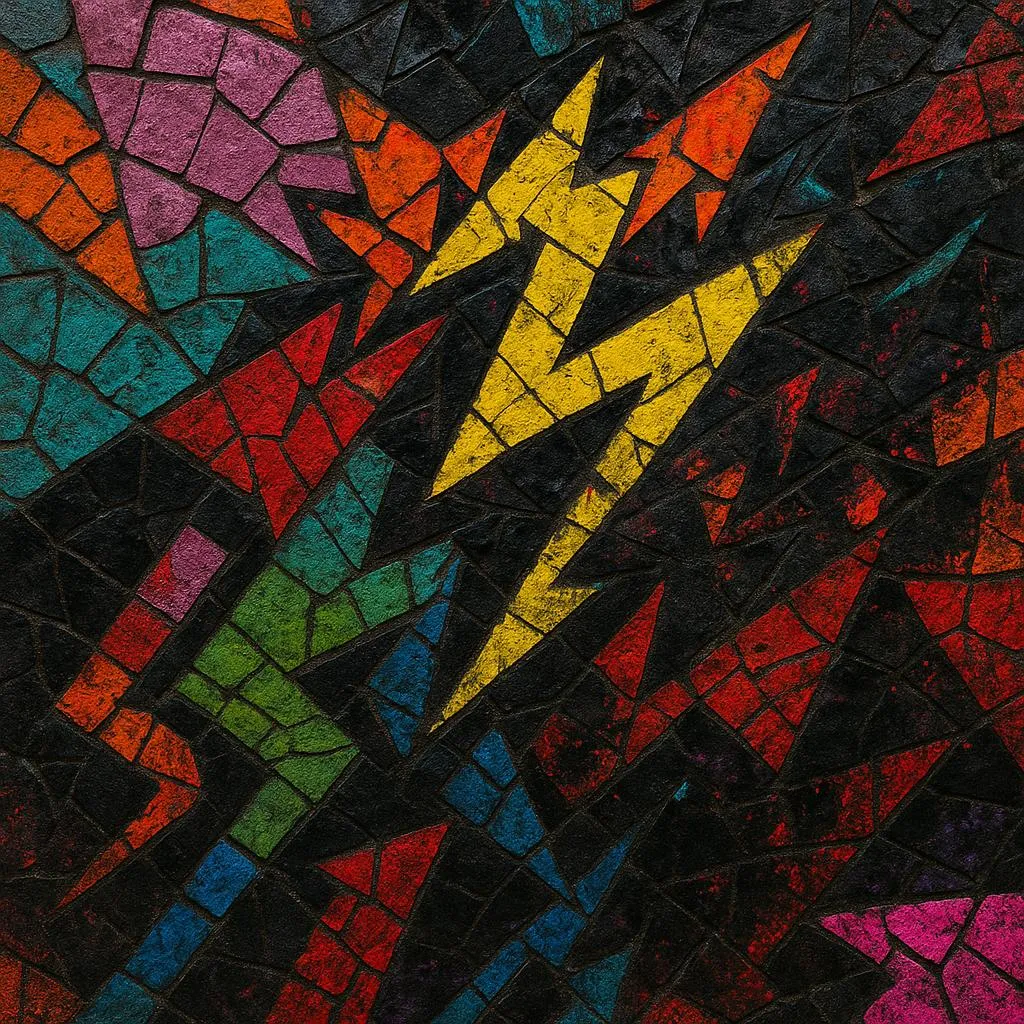
Stylistically, electro trash favors simple, minor-key riffs, octave-jumping bass hooks, and aggressive build–drop structures. Its visual and cultural aesthetic often leaned into neon, leather, and lo-fi digital art—an “anything loud goes” ethos that made it a defining underground sound of the late-2000s blog era.


Sources: Spotify, Wikipedia, Discogs, RYM, MB, user feedback and other online sources

History

Origins (mid-2000s)

Electro trash coalesced in the mid-2000s when electro house producers began pushing distortion and compression to extremes, inspired by electroclash’s DIY irreverence and the saturated, sidechained heft of French electro. Music blogs and MP3 sharing (the "bloghouse" ecosystem) accelerated a global exchange of edits, remixes, and white labels, letting a raw, club-first aesthetic proliferate fast.

The Blog Era and Club Explosion (2006–2011)

Paris (via Ed Banger and its orbit), Berlin, Milan, Toronto, and Cape Town became recognizable nodes: Justice and SebastiAn’s scorched-sidechain mixes, Boys Noize’s metallic snarl, The Bloody Beetroots’ punk theatrics, and Crookers/MSTRKRFT’s turntable-to-DAW aggression set the template. Tracks were hammered by DJs in basements and festivals alike, with abrupt cuts, spin-backs, and blistered mastering becoming trademarks. The “trash” nickname reflected both the sonic clipping and the gleeful disregard for hi-fi restraint.

Aesthetics and Technique

Producers leaned on sawtooth supers, bitcrushers, amp sims, and waveshaping, routing nearly everything through bus compression and sidechain ducking. Harmonically simple, rhythmically emphatic (124–132 BPM), and drop-focused, the music emphasized visceral swing over subtlety. Visual culture—fluorescents, bold typography, gritty vectors—mirrored the sound’s maximalist bite.

Diffusion and Legacy (2010s–present)

As EDM splintered in the 2010s, electro trash’s DNA fed into bass-forward house variants and the darker midtempo revival. While the blog era waned, its methods—crunchy saturation, hyperactive edits, aggressive loudness—echoed in midtempo bass, bass house, and many indie-dance sets. Contemporary artists still reference its palette when they want party-starting, speaker-tearing impact.

How to make a track in this genre

Sound Palette and Synthesis
•   Start with aggressive saw/square super-saws for leads and bass. Add bitcrushers, waveshapers, amp simulators, and hard clipping to achieve the characteristic “torn speaker” texture. •   Use noisy risers, reverse cymbals, vinyl/bit noise, and glitch edits for transitions. Layer short, atonal stabs to punctuate fills.
Rhythm, Tempo, and Groove
•   Target 124–132 BPM. Program a driving four-on-the-floor kick with tight, punchy transients and a gated, saturated snare/clap on 2 and 4. •   Accent off-beats with distorted open hats. Employ rapid-fire fills—snare rolls, tom flams, and stop-cuts—before drops. •   Sidechain most musical elements (bass, pads, leads) to the kick for the signature “vacuum-pump” effect.
Harmony and Melody
•   Keep harmony sparse: minor keys, power-fifths, chromatic slides, and short repeating bass ostinatos. •   Write hooky, single-phrase melodies and octave-jump basslines; the energy comes from timbre and rhythm more than complex chord changes.
Arrangement and Structure
•   Build with noise sweeps and fast drum fills into explosive, clipped drops; embrace abrupt mutes and tape-stop moments. •   Use A/B contrast: one section with a chugging bass hook, another with a screaming lead, then mash them in the final drop.
Vocals and Sampling
•   If using vocals, opt for attitude over virtuosity—chantable hooks, processed shouts, or chopped phrases from rap/rock/club acapellas. •   Heavily process vox with distortion, formant shifting, and tight slap delays to sit inside the saturated mix.
Mixing and Mastering
•   Commit to bold saturation on buses. Parallel distortion on drums and bass thickens the low-mid. •   Brickwall limit with care: leave just enough transient to avoid complete smearing, but don’t fear a bit of edge—loudness and grit are part of the style.
Performance Tips
•   Fast EQ kills and fader cuts land well in this genre. Use spin-backs and drop switches to keep dancefloors reactive. •   Visuals and lighting that mirror the high-contrast, neon aesthetic reinforce the vibe live.

Top tracks

Locked
Share your favorite track to unlock other users’ top tracks

Upcoming concerts

in this genre
Influenced by
Has influenced

Download our mobile app

Get the Melodigging app and start digging for new genres on the go
© 2026 Melodigging
Melodding was created as a tribute to Every Noise at Once, which inspired us to help curious minds keep digging into music's ever-evolving genres.
Buy me a coffee for Melodigging