Your digging level

For this genre
0/8
🏆
Sign in, then listen to this genre to level up

Description

Filter house (often synonymous with the French Touch) is a substyle of house music built around heavily filtered disco and funk samples looped over a steady four-on-the-floor beat. Producers sweep low‑pass or high‑pass filters across the sample—opening and closing the cutoff to create a sense of tension and release—while sidechain compression makes the mix “pump” against the kick.

The sound emphasizes catchy basslines, syncopated guitar chops or strings lifted from late-1970s/early-1980s records, and glossy, club‑ready drums. It’s both nostalgic and modern: vintage source material processed through contemporary dance-production techniques to deliver hooky, euphoric, dance‑floor moments.


Sources: Spotify, Wikipedia, Discogs, Rate Your Music, MusicBrainz, and other online sources

History

Origins (mid-1990s)

Filter house emerged in France in the mid‑1990s as local producers fused Chicago house’s drum language with disco and funk sampling. Early touchstones included Motorbass (Philippe Zdar and Étienne de Crécy) and Daft Punk’s breakout singles “Da Funk” and “Around the World,” which showcased sweeping filter automation and pumping compression. Boutique Parisian labels—Roulé (Thomas Bangalter), Crydamoure (Le Knight Club), and others—defined the scene’s aesthetic and vinyl-first culture.

Peak era (1997–2001)

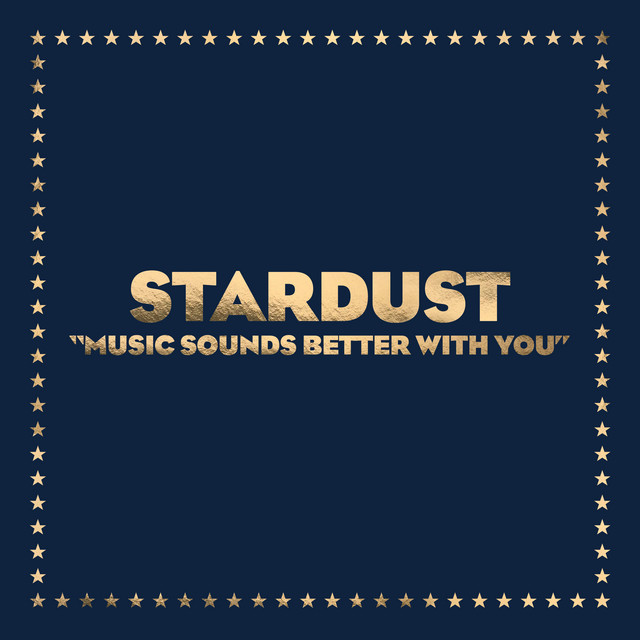
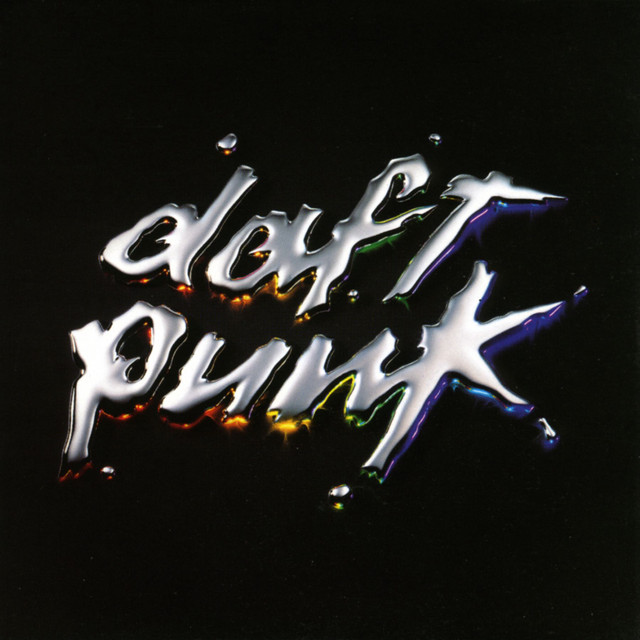
The style reached global prominence with Daft Punk’s album “Homework” (1997) and the runaway success of Stardust’s “Music Sounds Better With You” (1998). Cassius’ “1999,” Modjo’s “Lady (Hear Me Tonight)” (2000), The Supermen Lovers’ “Starlight” (2001), and Alan Braxe’s productions cemented the sound: disco loops, sweeping filters, and radio‑friendly hooks built for dance floors and pop charts alike.

Evolution and legacy (2000s–present)

In the 2000s, filter house’s techniques spread into mainstream dance‑pop and helped shape bloghouse and early electro house. While tastes shifted toward harder electro sonics mid‑decade, the core vocabulary—sampled disco loops, filter automation, sidechain “pump”—remained influential. The 2010s nu‑disco revival and broader house resurgence re‑embraced the style’s warmth and musicality, and its fingerprints are heard today across pop, electropop, and modern house productions.

How to make a track in this genre

Core rhythm and tempo
•   Tempo: typically 120–128 BPM, 4/4 time. •   Drums: punchy 909/707-style kick on every beat; snare/clap on 2 and 4; off‑beat/open hi‑hats and light shakers for forward motion. Add occasional disco toms or handclaps for flavor.
Sampling and filtering
•   Source: sample 1970s–1980s disco/funk/soul (guitars, strings, Rhodes, vocal hooks). Keep loops musical and immediately catchy (1–4 bars). •   Filtering: automate low‑pass (and sometimes high‑pass) filters on the loop. Open the cutoff during buildups, close it for breakdowns; use moderate resonance to accent movement. •   Chops: re-slice phrases to create call‑and‑response; layer additional stabs (strings, brass) to reinforce hits.
Harmony and bass
•   Harmony: favor extended chords (maj7, min7, 9ths) common to disco and soul. Keep progressions simple and repetitive to spotlight groove. •   Bass: round, syncopated lines that lock to the kick. Layer a sampled bass guitar or synth (Juno/Moog emulations) with subtle saturation for warmth.
Mix and “pump”
•   Sidechain: compress keys/loops/pads to the kick for the classic pumping feel. Bus compression and gentle tape/console saturation glue the loop. •   Space: short plate or room reverbs on claps and guitars; slapback/chorus for disco color. Avoid long tails that muddy the groove.
Arrangement
•   DJ-friendly intros/outros (16–32 bars). •   Use filter sweeps and drum fills to mark sections. A typical arc: filtered intro → groove reveal → vocal hook or instrumental riff → breakdown with closed filter → final open, energetic reprise.
Tools
•   Sampler (software or hardware), filter plugins (SVF/ladder types), drum machines/909 kits, and a sidechain compressor. Optional: vinyl noise, bit of tape wow/flutter for vintage vibe.
Vocals and lyrics
•   Hooks are often short, looped, and sample-based with romantic or feel‑good themes. If recording originals, keep lyrics concise and repetitive to function like a sample.

Top tracks

Locked
Share your favorite track to unlock other users’ top tracks
Influenced by
Has influenced
Challenges
Digger Battle
Let's see who can find the best track in this genre
© 2026 Melodigging
Melodding was created as a tribute to Every Noise at Once, which inspired us to help curious minds keep digging into music's ever-evolving genres.
Buy me a coffee for Melodigging