Genres
Artists
Albums
Make Music
Sign in
Sign in
Artists
Classical
Artists
Classical
Isata Kanneh-Mason
2019–2026
·
5 albums
Listen
3
/5
Genres
432hz
432hz is a wellness-oriented ambient/New Age micro-genre built around tuning music to the alternative concert pitch A=432 Hz instead of the modern standard A=440 Hz. In practice, 432hz releases are largely instrumental, slow-tempo, and reverb-rich, combining soft pads, drones, gentle piano, bowls/chimes, and nature sounds. Tracks are marketed for relaxation, meditation, yoga, sleep, and "energy" or "chakra" work, and are frequently tagged with wellness keywords. While advocates claim psychoacoustic or physiological benefits from 432 Hz tuning, these claims remain unproven; the sound signature audiences respond to is the calm production, consonant harmony, and spacious mixing typical of ambient and New Age music. As a streaming-native style, 432hz thrives on platforms like YouTube and Spotify where long-form background listening, SEO-friendly titling, and looping visuals support use-cases such as study, mindfulness, and sleep.
Discover
Listen
American 21st Century Classical
American 21st century classical refers to the body of concert music written by U.S.-based composers since the year 2000. It synthesizes the long arc of the Western classical tradition with post‑minimalism, spectral and timbral thinking, electroacoustic techniques, and porous boundaries with jazz, indie, and electronic scenes. This repertoire is marked by stylistic plurality: one can find post‑tonal rigor next to radiant consonance, pulse‑driven post‑minimalist grooves alongside static soundscapes, and acoustic virtuosity integrated with live electronics. It is also characterized by performer‑composer collaboration, flexible instrumentation (from DIY chamber setups to revitalized orchestras), and a renewed attention to place, ecology, and social themes in programmatic narratives.
Discover
Listen
Romantic Classical
Romantic classical (Romantic-era) music is the 19th‑century phase of Western art music in which expression, individuality, and imagination came to the fore. Composers expanded the orchestra, embraced chromatic harmony and bold modulations, and favored long‑breathed, emotive melodies. Aligned with the wider Romantic movement in literature and the arts, it prized the subjective—love, nature, the supernatural, nationalism, and the sublime—often through programmatic narratives. New and transformed genres (the symphonic poem, grand opera, the art song/Lied, concert overtures) coexisted with reimagined Classical forms (symphony, sonata, concerto) that grew in scale and harmonic daring. From ca. 1800 through the early 20th century, Romantic music stretched from Beethoven’s heroic style and Schubert’s lyricism to Wagner’s leitmotivic dramas and Tchaikovsky’s symphonic ballet-infused language, culminating in late-Romantic gigantism and post-Romantic continuations.
Discover
Listen
Classical Piano
Classical piano is the tradition of composing and performing music for the acoustic piano within the Western classical lineage. It emphasizes formal clarity, tonal harmony, contrapuntal writing, and expressive nuance across the full compass of the instrument. Its core repertoire ranges from Classical-era sonatas and variations to Romantic character pieces, études, dances, and 20th-century impressionistic and modernist works. Pianists exploit dynamics, articulation, pedaling, and touch to shape phrases, imitate orchestral textures, and project both intimate lyricism and large-scale drama.
Discover
Listen
Classical
Classical music is the notated art-music tradition of Europe and its global descendants, characterized by durable forms, carefully codified harmony and counterpoint, and a literate score-based practice. The term “classical” can refer broadly to the entire Western art-music lineage from the Medieval era to today, not just the Classical period (c. 1750s–1820s). It privileges long-form structures (such as symphonies, sonatas, concertos, masses, and operas), functional or modal harmony, thematic development, and timbral nuance across ensembles ranging from solo instruments to full orchestras and choirs. Across centuries, the style evolved from chant and modal polyphony to tonal harmony, and later to post-tonal idioms, while maintaining a shared emphasis on written notation, performance practice, and craft.
Discover
Listen
Albums
2026
Prokofiev
Prokofiev; Isata Kanneh‐Mason, Philharmonia Orchestra, Ryan Bancroft
American 21st Century Classical
Classical
Classical Piano
2024
Mendelssohn
Mendelssohn, Mendelssohn; Isata Kanneh-Mason
Romantic Classical
2023
Childhood Tales
Mozart, Dohnányi, Schumann, Debussy; Isata Kanneh‐Mason
Classical
2021
Summertime
Isata Kanneh‐Mason
American 21st Century Classical
Classical
Classical Piano
2019
Romance: The Piano Music of Clara Schumann
Clara Schumann; Isata Kanneh‐Mason
American 21st Century Classical
Classical
Classical Piano
Similar artists
Hide discovered
4
/5
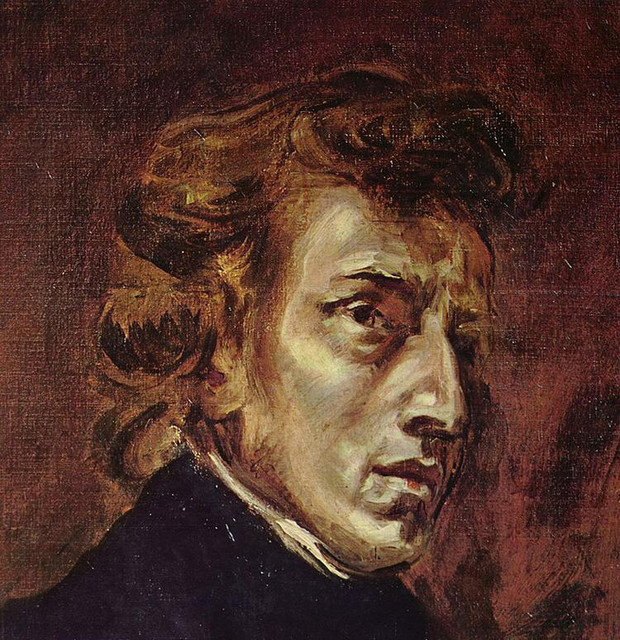
Frédéric Chopin
Classical
Character Piece
Nocturne
4
/5
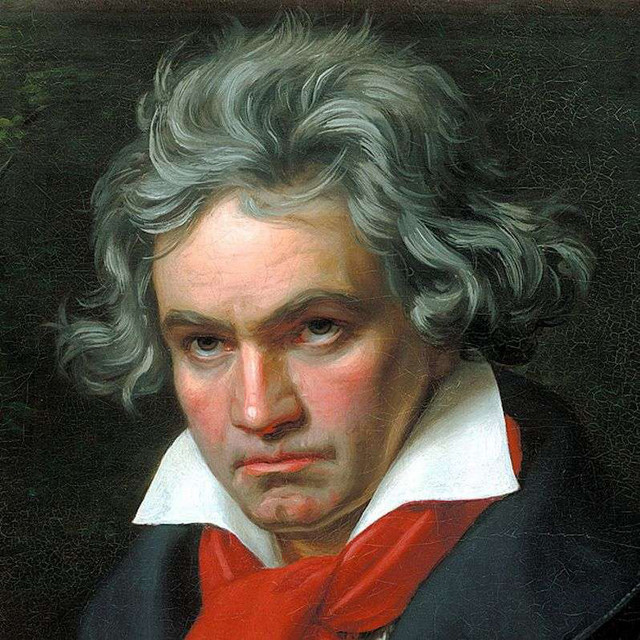
Ludwig van Beethoven
Classical
Classical Period
Romantic Classical
4
/5
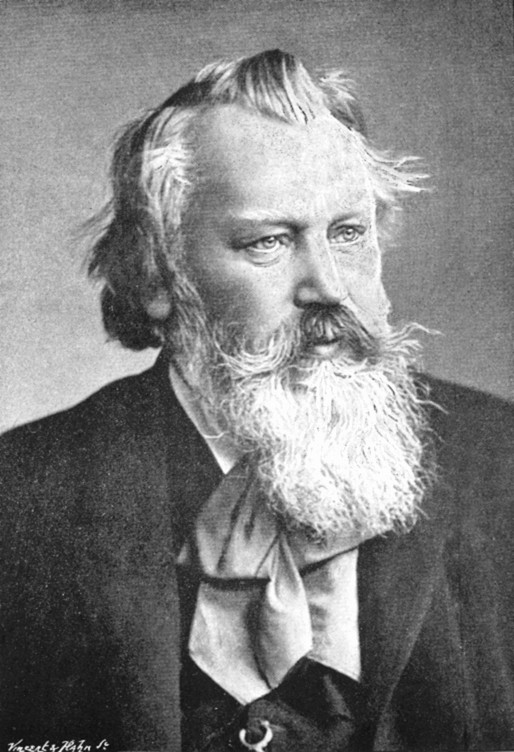
Johannes Brahms
Classical
Classical Clarinet
Classical Piano Quartet
4
/5
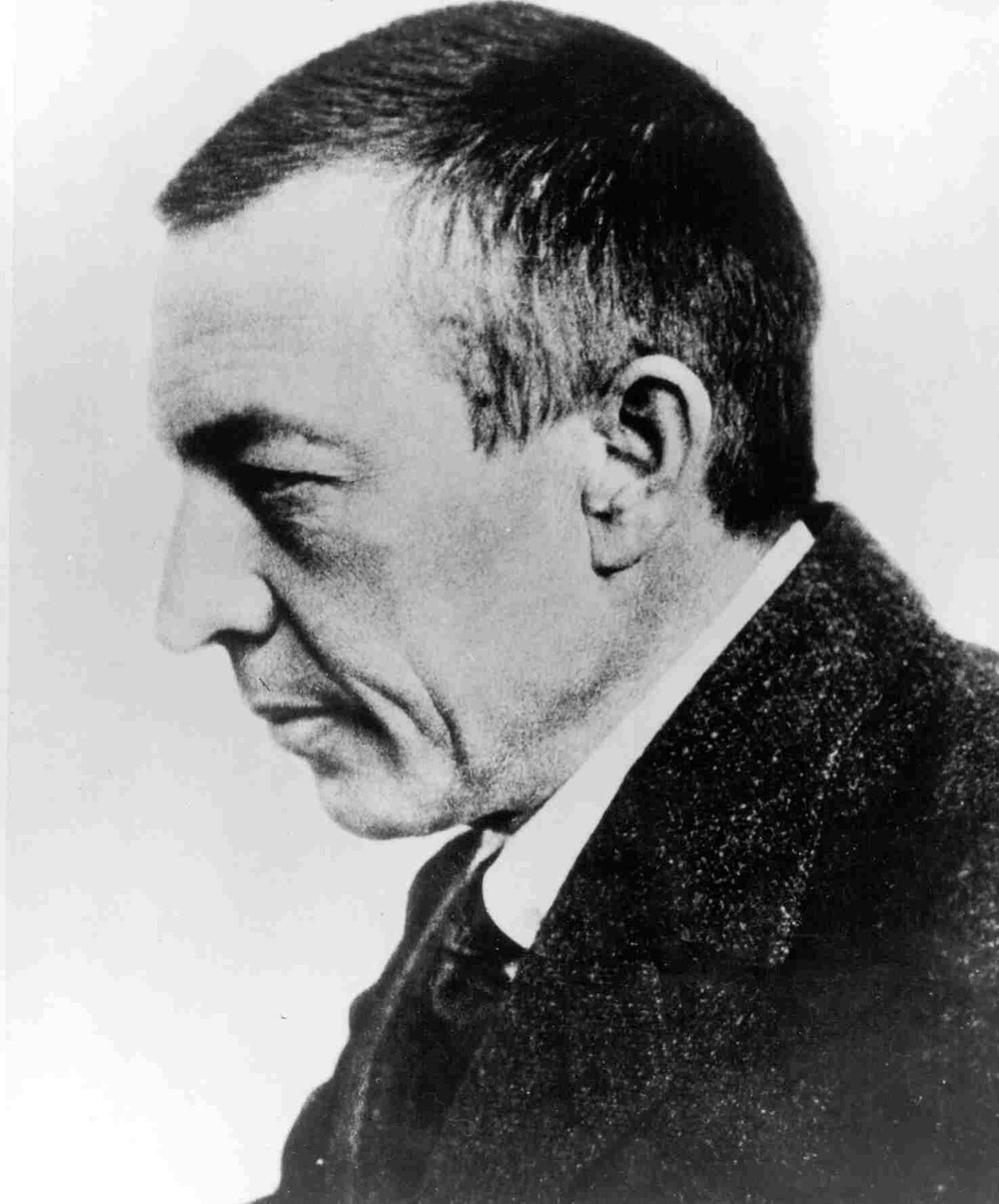
Sergei Rachmaninoff
Classical
Moscow School
Concerto
4
/5
Franz Schubert
Impromptu
Lied
Art Song
4
/5
Franz Liszt
New German School
Classical
Classical Piano
4
/5
Daniel Barenboim
Classical
Concerto
Opera
4
/5
Edvard Grieg
Classical
Orchestral
Chamber Music
4
/5
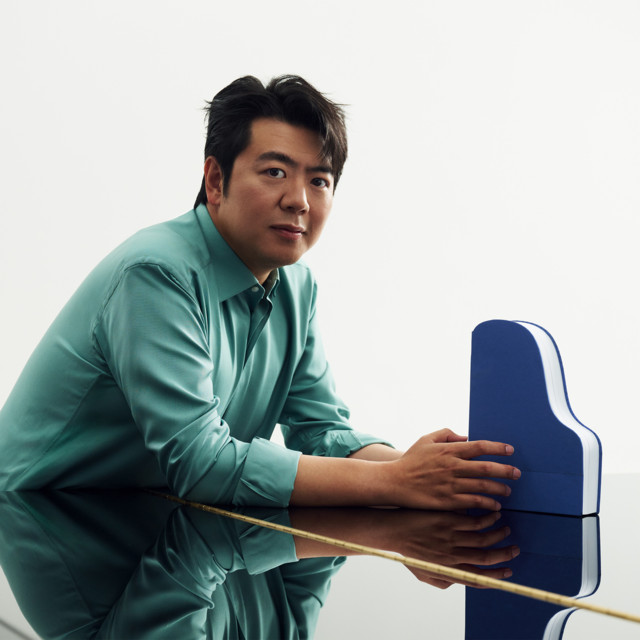
Lang Lang
Chinese Classical Performance
Classical
Classical Performance
4
/5
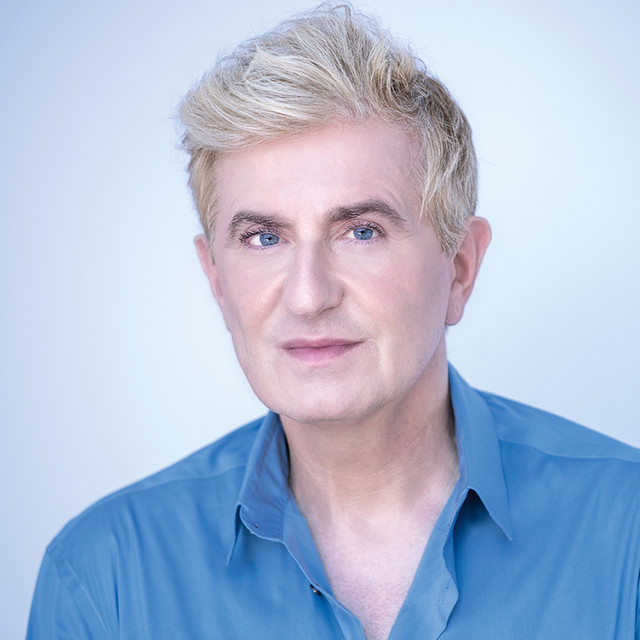
Jean-Yves Thibaudet
Classical
Classical Piano
Impressionism
Download our mobile app
Get the Melodigging app and start digging for new genres on the go
Download on the App Store
Get it on Google Play
© 2026 Melodigging
Give feedback
About & FAQ
Legal
Melodding was created as a tribute to
Every Noise at Once
, which inspired us to help curious minds keep digging into music's ever-evolving genres.