Genres
Artists
Albums
Make Music
Sign in
Sign in
Artists
Classical
Artists
Classical
Irena Grafenauer
1988
·
1 album
Listen
2
/5
Genres
Classical Flute
Classical flute refers to the Western art‑music repertoire and performance practice centered on the transverse concert flute, from the Baroque era through the Classical, Romantic, and modern periods. The genre encompasses solo literature (sonatas, partitas, fantasies), concertos with orchestra, chamber music with strings, piano, or harp, and orchestral parts where the flute often carries lyrical lines or brilliant passagework. Stylistically, it ranges from the ornate ornamentation of the Baroque traverso to the clear, balanced phrasing of the Classical era, the expressive cantabile and coloristic writing of the Romantic period, and the expanded timbral and technical palette of the 20th and 21st centuries. Technically, the modern Boehm‑system flute (standardized in the 19th century) supports agile articulation, wide dynamic range, and extended techniques, enabling composers to treat the instrument as both a singing voice and a virtuoso vehicle.
Discover
Listen
Classical Harp
Classical harp refers to the Western art‑music repertoire and performance practice for the concert harp, especially the single‑ and double‑action pedal harp used from the late Baroque and Classical eras through Romanticism to the present. It foregrounds idiomatic arpeggiation, glissandi, harmonics, and refined pedaling that enable chromatic harmony and orchestral color. The genre spans solo works, concertos, chamber music, and orchestral writing, and is closely associated with the Parisian harp schools of the 19th–20th centuries, whose pedagogy shaped modern technique and repertoire.
Discover
Listen
Classical
Classical music is the notated art-music tradition of Europe and its global descendants, characterized by durable forms, carefully codified harmony and counterpoint, and a literate score-based practice. The term “classical” can refer broadly to the entire Western art-music lineage from the Medieval era to today, not just the Classical period (c. 1750s–1820s). It privileges long-form structures (such as symphonies, sonatas, concertos, masses, and operas), functional or modal harmony, thematic development, and timbral nuance across ensembles ranging from solo instruments to full orchestras and choirs. Across centuries, the style evolved from chant and modal polyphony to tonal harmony, and later to post-tonal idioms, while maintaining a shared emphasis on written notation, performance practice, and craft.
Discover
Listen
Albums
1988
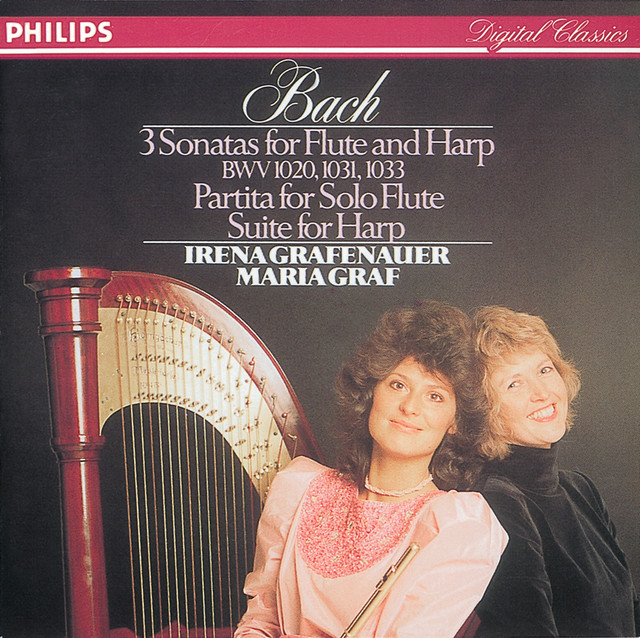
Bach, J.S.: Sonatas & Partitas for flute & harp
Johann Sebastian Bach, Irena Grafenauer, Maria Graf, David Geringas
Classical Flute
Classical Harp
Similar artists
4
/5
Johann Sebastian Bach
Baroque
Classical
Baroque Suite
2
/5
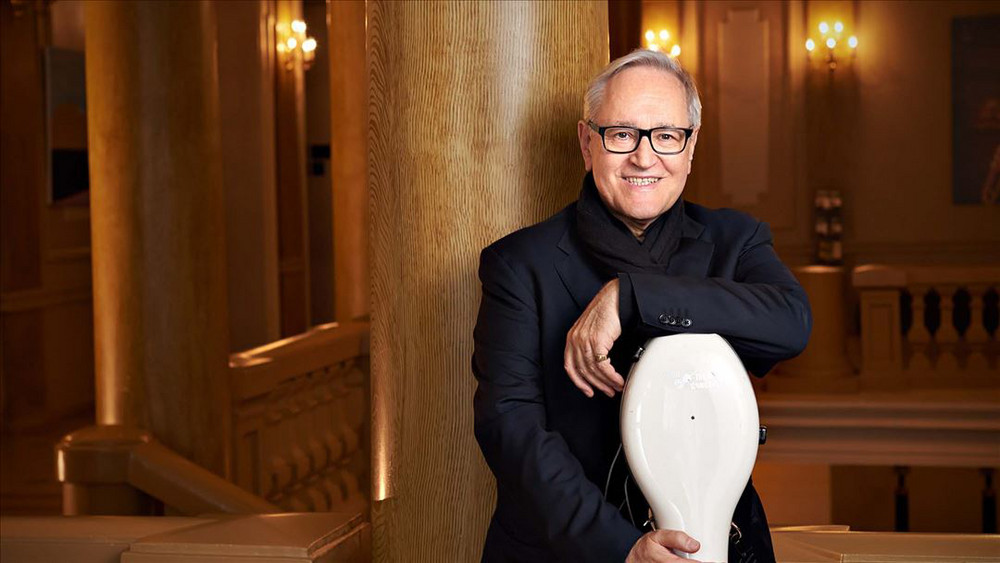
David Geringas
Chamber Music
Classical
Concerto
4
/5
Wolfgang Amadeus Mozart
Classical
Requiem
Classical Period
4
/5
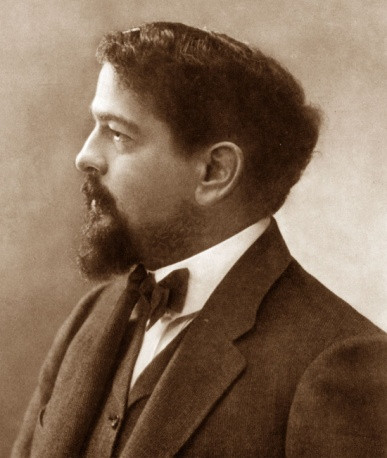
Claude Debussy
Impressionism
Classical
Classical Piano
4
/5
Academy of St. Martin in the Fields
Baroque
Classical
Classical Performance
4
/5
Philharmonia Orchestra
Classical
Opera
Historic Orchestral Performance
4
/5
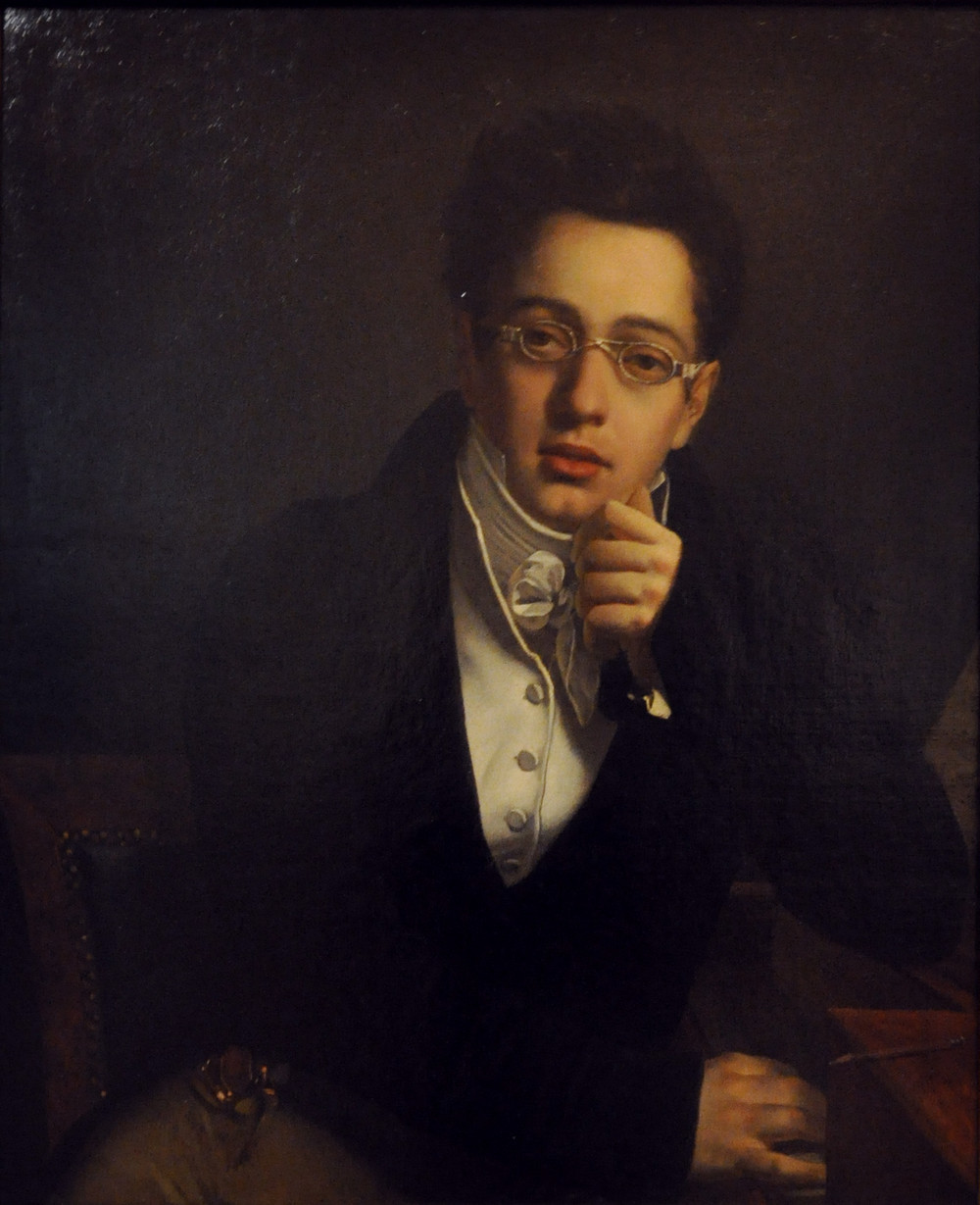
Franz Schubert
Impromptu
Lied
Art Song
3
/5
Academy of Ancient Music
Classical
Concerto
Baroque
3
/5
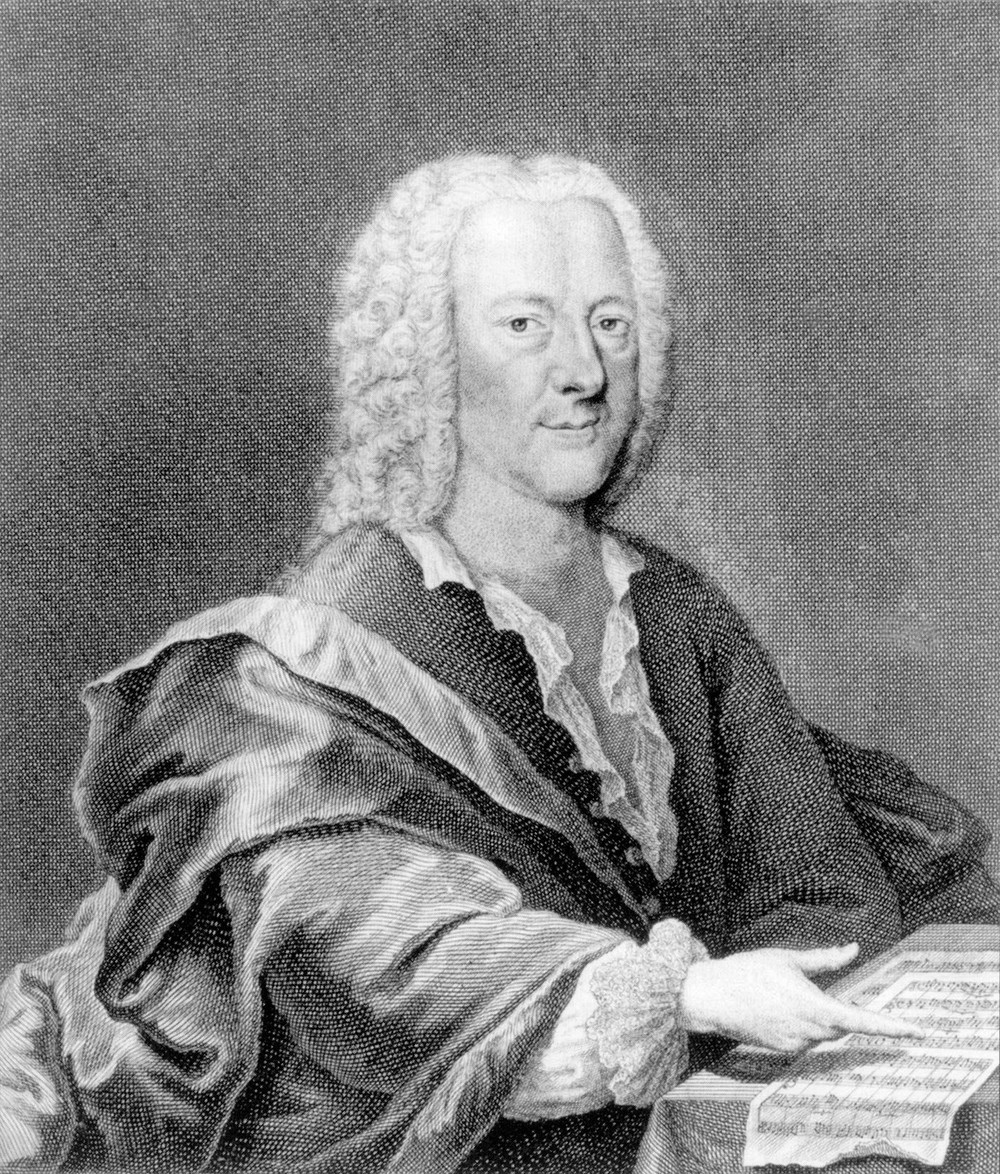
Georg Philipp Telemann
Baroque Woodwind
Fantasia
Recorder
3
/5
Christopher Hogwood
Classical
Baroque
Concerto
Download our mobile app
Get the Melodigging app and start digging for new genres on the go
Download on the App Store
Get it on Google Play
© 2026 Melodigging
Give feedback
Legal
Melodding was created as a tribute to
Every Noise at Once
, which inspired us to help curious minds keep digging into music's ever-evolving genres.