Genres
Artists
Albums
Make Music
Sign in
Sign in
Artists
Classical
Artists
Classical
Hallé
1966–2008
·
3 albums
Listen
3
/5
Genres
Pet Calming
Pet calming is a functional micro‑genre designed to reduce stress and arousal in companion animals—primarily dogs and cats—during triggering situations such as owner absence, fireworks, vet visits, thunderstorms, or travel. Musically it favors very slow tempos, sparse arrangements, soft timbres (piano, pads, gentle strings, warm guitars), long sustains, smooth envelopes, and stable, consonant harmonies. Dynamics are kept narrow and transients are tamed to avoid startle responses. Many releases add gentle environmental ambiences (rain, ocean, rustling leaves) or unobtrusive pink/white‑noise beds to mask external sounds. Structures are highly repetitive with gradual variation so the soundscape feels predictable and safe. While aimed at non‑human listeners, the genre is informed by animal‑behavior findings (e.g., predictable low‑arousal sound reduces stress) and by human relaxation idioms (ambient, new age, lullaby). It is commonly delivered as long‑form, streaming‑friendly content that owners can loop for hours.
Discover
Listen
Historic Orchestral Performance
Historic orchestral performance refers to orchestral interpretations captured in the early era of recording (acoustic and early electrical) and the mid‑20th‑century high‑fidelity mono/stereo decades. It documents the living performance traditions of late‑Romantic and early modern conductors and orchestras, heard before the later codification of standardized "international" styles. These performances are characterized by flexible tempo (agogic shaping), pronounced rubato, portamento in string sections, varied vibrato practices, vivid dynamic terracing, and spontaneous phrasing. Because they were recorded with period technologies—from horn/acoustic and single‑microphone electrical set‑ups to early tape and stereo—the sound image is historically specific (limited bandwidth, mono focus, period halls, and broadcast acoustics). The genre is valued both as musical testimony and as a reference for historically grounded orchestral style.
Discover
Listen
Classical Mezzo-Soprano
Classical mezzo-soprano is a repertoire-centered category within Western classical music written for the mezzo-soprano voice—typically ranging roughly from G3/A3 to B5/C6, with a warm, darker timbre and a central tessitura lower than that of the soprano. It encompasses operatic arias (including trouser roles and dramatic character parts), oratorio and sacred solos (e.g., alto/mezzo lines), and art songs (Lieder, mélodie, canzone) that favor a rich middle register, expressive legato, and nuanced text delivery. Across the 19th and 20th centuries, composers standardized voice types (Fächer) in opera houses, and the mezzo-soprano emerged distinctly between soprano and contralto, prized for flexibility (from agile coloratura to dramatic declamation) and a characterful, burnished sound. Today, the tag “classical mezzo-soprano” covers historical and contemporary recordings of operas, oratorios, and song cycles featuring mezzo-soprano soloists, plus concert works written with that specific tessitura in mind.
Discover
Listen
Classical Tenor
Classical tenor refers to the Western classical tradition of tenor singing across opera, oratorio, and art song. It centers on a high male voice type whose typical written range spans roughly C3 to B4/C5, with the core tessitura sitting around the passaggio between E4–G4. The style is defined by legato phrasing, precise diction in multiple languages (especially Italian, German, French, and Latin), balanced chiaroscuro tone, and secure breath management (appoggio) that enables both long lyrical lines and brilliant climaxes. Subtypes include leggiero, lyric, spinto, dramatic, and heldentenor, each suited to different repertoire weights and orchestral demands. Accompaniments are commonly full orchestra (opera/oratorio) or piano (Lied/mélodie), sometimes organ or chamber ensembles. Repertoire ranges from Baroque da capo arias to Romantic grand opera scenes, Wagnerian music dramas, sacred works, and recital songs.
Discover
Listen
Classical
Classical music is the notated art-music tradition of Europe and its global descendants, characterized by durable forms, carefully codified harmony and counterpoint, and a literate score-based practice. The term “classical” can refer broadly to the entire Western art-music lineage from the Medieval era to today, not just the Classical period (c. 1750s–1820s). It privileges long-form structures (such as symphonies, sonatas, concertos, masses, and operas), functional or modal harmony, thematic development, and timbral nuance across ensembles ranging from solo instruments to full orchestras and choirs. Across centuries, the style evolved from chant and modal polyphony to tonal harmony, and later to post-tonal idioms, while maintaining a shared emphasis on written notation, performance practice, and craft.
Discover
Listen
Albums
2008
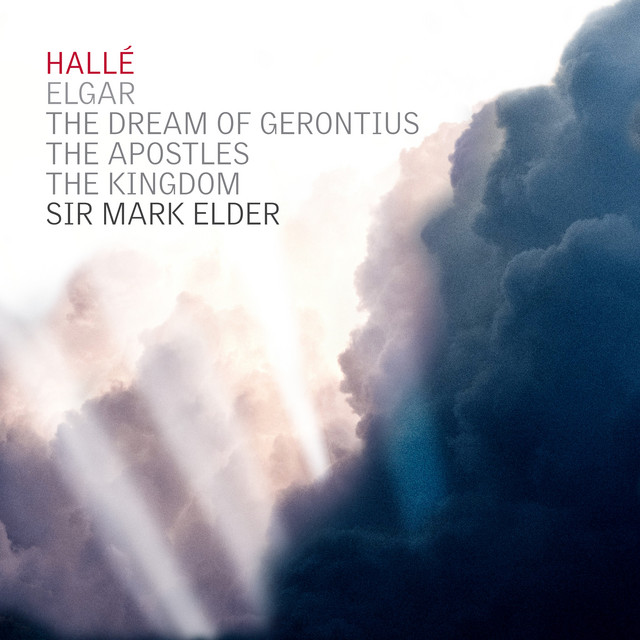
Elgar Oratorios
Edward Elgar, Hallé, Sir Mark Elder
Classical Mezzo-Soprano
1999
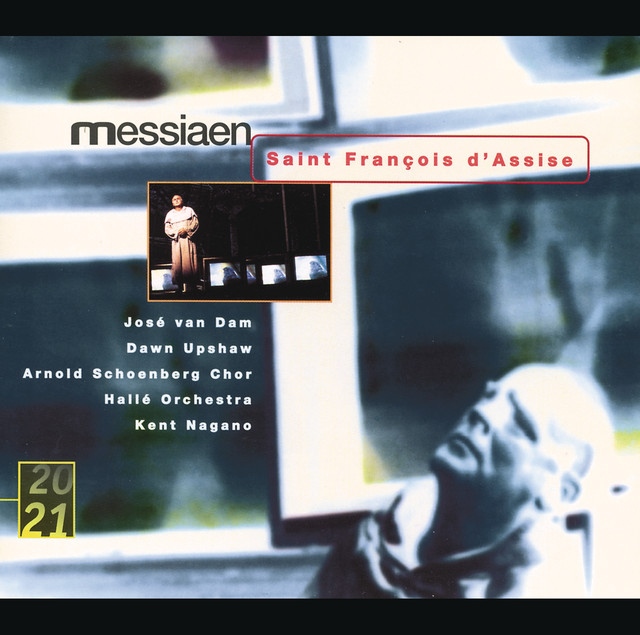
Messiaen: Saint Francois D'Assise
Olivier Messiaen, Hallé, Kent Nagano
Classical Tenor
1966
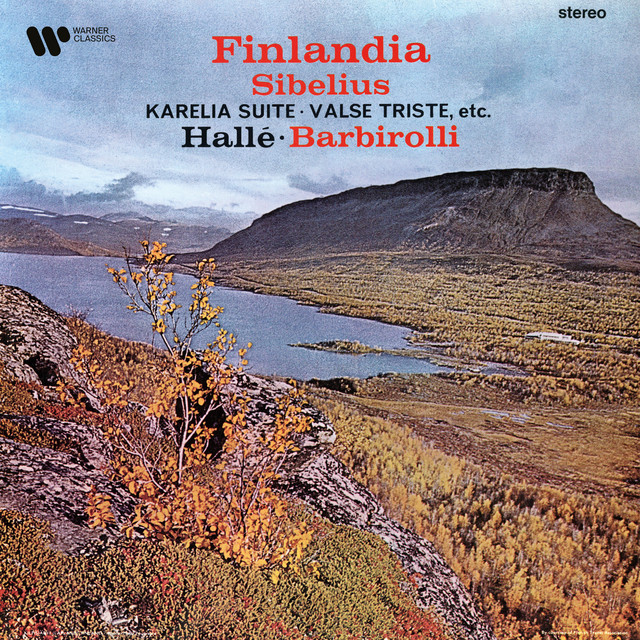
Sibelius: Great Tone Poems. Finlandia, Karelia Suite, Valse triste...
Jean Sibelius, Sir John Barbirolli, Hallé
Historic Orchestral Performance
Similar artists
4
/5
Johann Sebastian Bach
Baroque
Classical
Baroque Suite
4
/5
Wolfgang Amadeus Mozart
Classical
Requiem
Classical Period
4
/5
Berliner Philharmoniker
Classical
Symphony
Romantic Classical
4
/5
Wiener Philharmoniker
Classical
Romantic Classical
Romanticism
3
/5
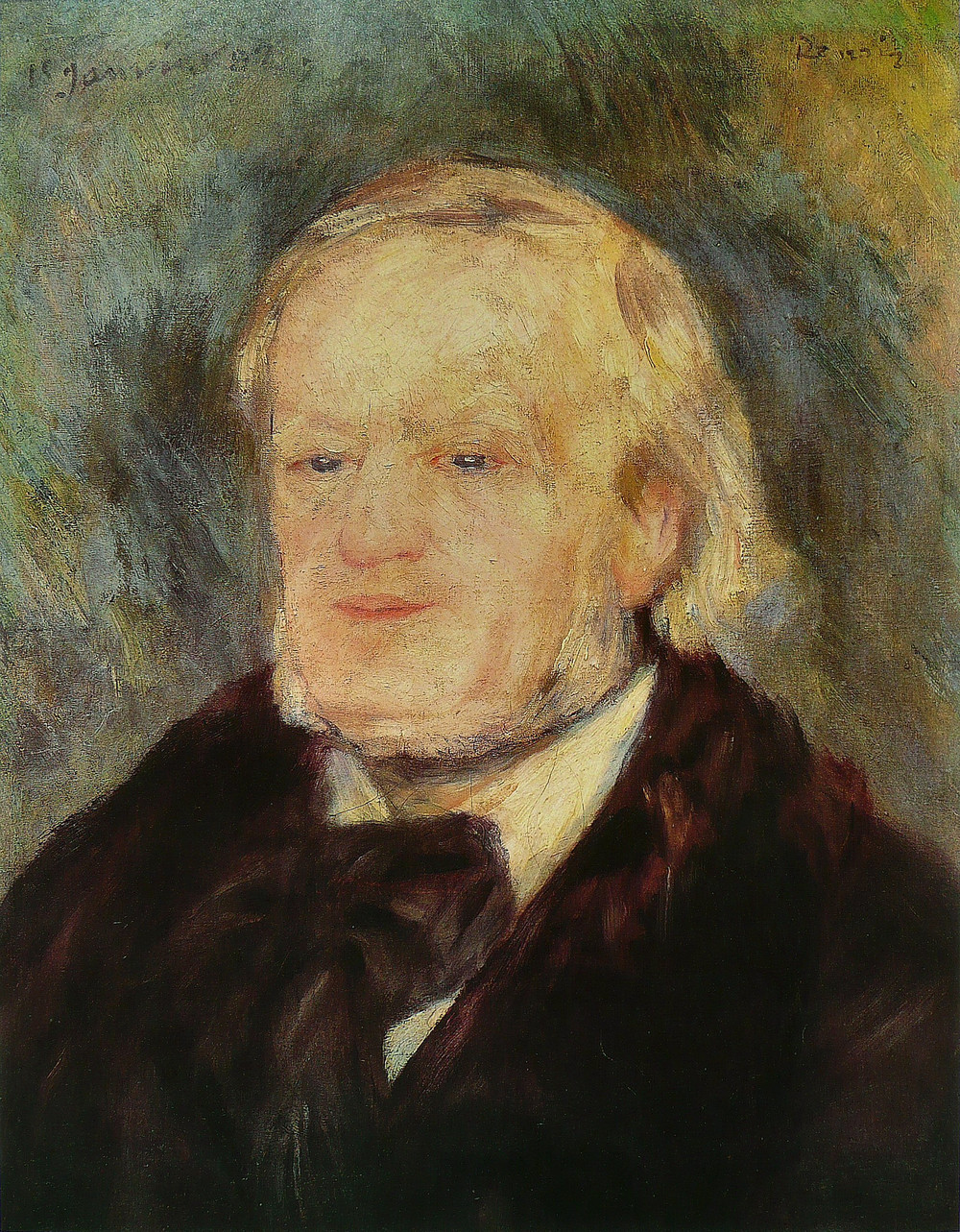
Richard Wagner
New German School
Romantische Oper
Wagnerian Singing
4
/5
Herbert von Karajan
Classical
Symphonic Poem
Symphony
4
/5
London Philharmonic Orchestra
Opera
Classical
Deep Soundtrack
4
/5
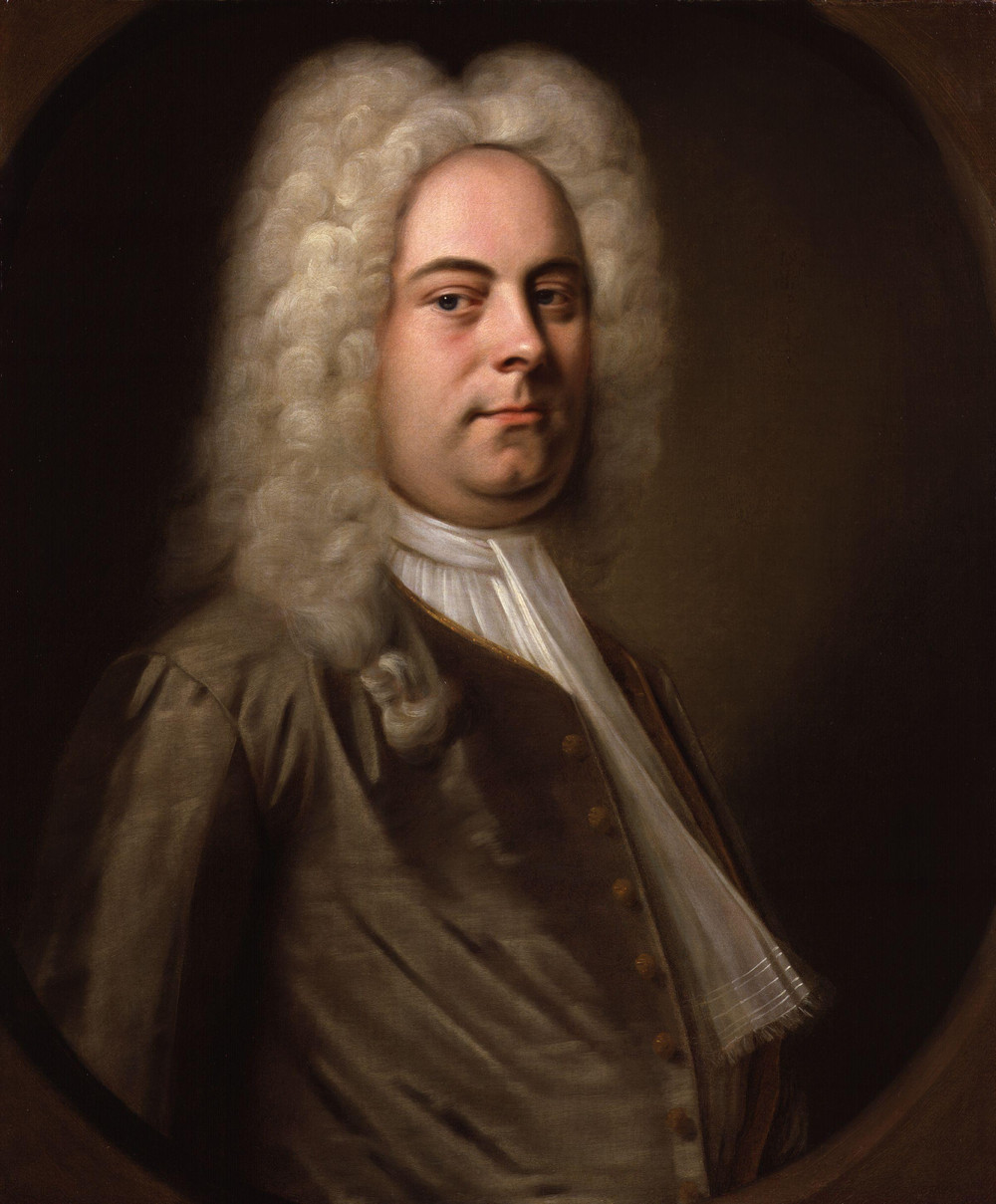
George Frideric Handel
Classical
Opera Seria
Classical Countertenor
4
/5
Claudio Abbado
Classical
Concerto
Expressionism
4
/5
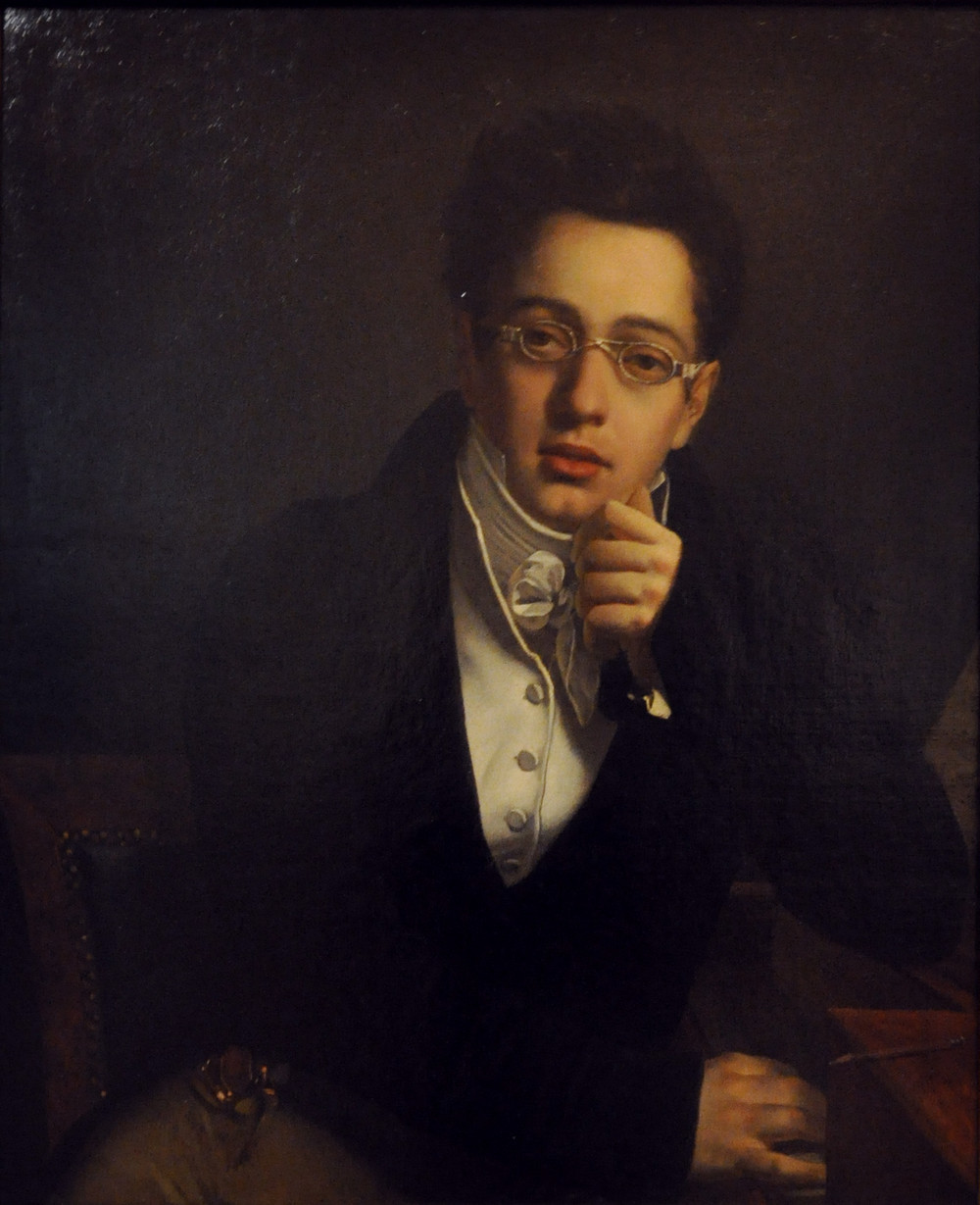
Franz Schubert
Impromptu
Lied
Art Song
Download our mobile app
Get the Melodigging app and start digging for new genres on the go
Download on the App Store
Get it on Google Play
© 2026 Melodigging
Give feedback
Legal
Melodding was created as a tribute to
Every Noise at Once
, which inspired us to help curious minds keep digging into music's ever-evolving genres.