Genres
Artists
Albums
Make Music
Sign in
Sign in
Artists
Choral
Artists
Choral
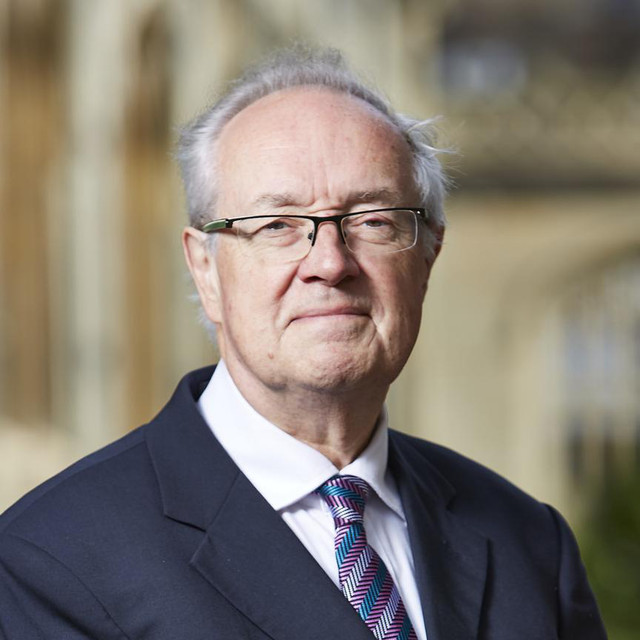
George Guest
1976–1978
·
2 albums
Listen
2
/5
Genres
Deep Liquid Bass
Deep liquid bass is a melodic, atmospheric branch of the UK bass continuum that blends the soulful pads and emotive harmonies of liquid drum & bass with the weight and spaciousness of deeper bass music. It typically centers on rolling breakbeats at 170 BPM or halftime interpretations around 85 BPM, wrapped in warm subs, glassy keys, and gently swung grooves. The style prioritizes mood and texture: soft-focus chords, airy vocals or vocal chops, delicate percussion, and reese-style low end that glides rather than growls. Compared to peak-time drum & bass, it is more introspective and cinematic—suited equally to late-night dancefloors and headphone listening.
Discover
Listen
Victorian Britain
Victorian Britain refers to the musical life of the United Kingdom during Queen Victoria’s reign (1837–1901). It spans domestic drawing‑room ballads, mass choral hymnody, the rise of brass bands and choral societies, comic opera and operetta (epitomized by Gilbert & Sullivan), and the booming world of the music hall. At home, affordable upright pianos and cheap sheet‑music printing nurtured a culture of parlour songs and amateur music‑making. In public, industrial urbanization fostered communal ensembles—brass bands, civic choirs, and church choirs—while theatres and halls offered everything from light opera to comic patter songs. Stylistically, the period blends late‑Romantic harmony and form with Anglican devotional traditions, folk song, and European dance rhythms, yielding music that ranges from sentimental and devotional to witty and theatrical.
Discover
Listen
Classical Baritone
Classical baritone refers to the tradition of composing for and performing with the baritone male voice in Western classical music, spanning opera, art song (Lied), oratorio, and sacred repertoire. The baritone sits between tenor and bass, typically ranging from A2 to F4 (with role- and singer-dependent extensions). Its timbre is prized for warmth, nobility, and dramatic weight, making it ideal for heroes, anti-heroes, fathers, kings, and complex psychological roles in opera, as well as for intimate poetic expression in recital. The category solidified in the early 19th century with bel canto and Romantic opera, and has since developed into subtypes (lyric, Kavalierbariton, Verdi baritone, dramatic, and bass-baritone), each with distinct tessitura, color, and technical demands.
Discover
Listen
Requiem
A requiem is a musical setting of the Roman Catholic Mass for the Dead (Missa pro defunctis). Historically rooted in Latin liturgy, it sets movements such as the Introit, Kyrie, (historically) the Sequence Dies irae, Offertory, Sanctus, Agnus Dei, and Communion, and often includes additional responsories like Libera me and In paradisum. While the earliest requiems were monophonic chants, the genre became a showcase for polyphonic and later symphonic choral writing. Renaissance composers wrote austere, modal settings; Classical and Romantic composers expanded the forces and dramatic scope; and 20th–21st century composers reimagined the form with new languages, from neo-modal and impressionistic harmonies to avant‑garde sonorities. Today, requiems appear both in liturgy and as concert works, symbolizing collective mourning, remembrance, and spiritual reflection.
Discover
Listen
Classical
Classical music is the notated art-music tradition of Europe and its global descendants, characterized by durable forms, carefully codified harmony and counterpoint, and a literate score-based practice. The term “classical” can refer broadly to the entire Western art-music lineage from the Medieval era to today, not just the Classical period (c. 1750s–1820s). It privileges long-form structures (such as symphonies, sonatas, concertos, masses, and operas), functional or modal harmony, thematic development, and timbral nuance across ensembles ranging from solo instruments to full orchestras and choirs. Across centuries, the style evolved from chant and modal polyphony to tonal harmony, and later to post-tonal idioms, while maintaining a shared emphasis on written notation, performance practice, and craft.
Discover
Listen
Choral
Choral refers to music written for and performed by a choir—an ensemble of voices organized into sections such as soprano, alto, tenor, and bass (SATB), or same-voice groupings (SSA, TTBB). It encompasses both sacred and secular repertoire and may be sung a cappella or with accompaniment by organ, piano, or full orchestra. Stylistically, choral music ranges from chant-like monophony to intricate polyphony and rich homophonic textures. Texts are drawn from liturgy, scripture, poetry, and vernacular sources, and are set in many languages. Performance contexts include church services, concert halls, and community events, making choral one of the most socially embedded and widely practiced forms of ensemble music. Across history, choral music has served as a laboratory for vocal counterpoint, word painting, and text-driven form, while functioning as a cultural bridge among religious rites, national traditions, and contemporary concert practice.
Discover
Listen
Hymns
Hymns are strophic, text-driven songs of praise, devotion, or instruction intended for congregational or communal singing, most closely associated with Christian worship. They typically use clear, memorable melodies, regular poetic meters, and straightforward harmonies so that large groups can sing together with ease. While the concept of a hymn as a sacred song predates Christianity (e.g., in Ancient Greek and Jewish traditions), Christian hymnody coalesced late in the 4th century with Ambrosian practice in Milan and then expanded through Latin and Greek liturgical cultures. Over time, hymn singing moved from monastic and cathedral settings into congregational life, especially after the Protestant Reformation, where metrical psalms and vernacular hymns became a defining feature of worship. Modern hymnody ranges from chant-like, modal melodies without accompaniment to robust, four-part chorale harmonizations with organ, and even contemporary arrangements that adapt classic hymn texts and tunes to newer popular styles.
Discover
Listen
Show all 7 genres
Albums
1978
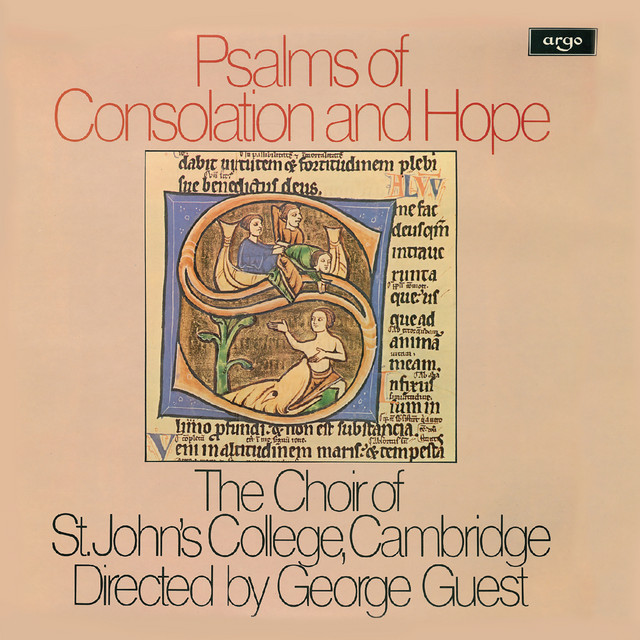
Psalms of Consolation and Hope
Choir of St. John's College, Cambridge, John Scott, George Guest
Victorian Britain
1976
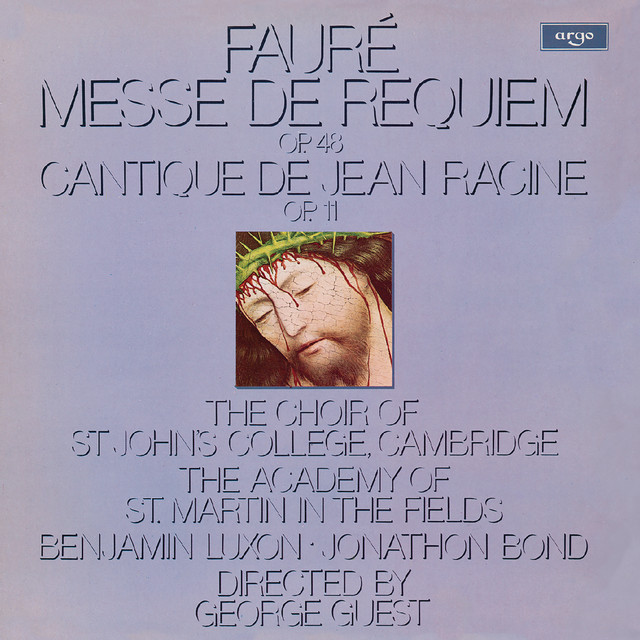
Fauré: Messe de Requiem; Cantique de Jean Racine
Gabriel Fauré, Choir of St. John's College, Cambridge, Academy of St. Martin in…
Classical Baritone
Similar artists
3
/5
Stephen Cleobury
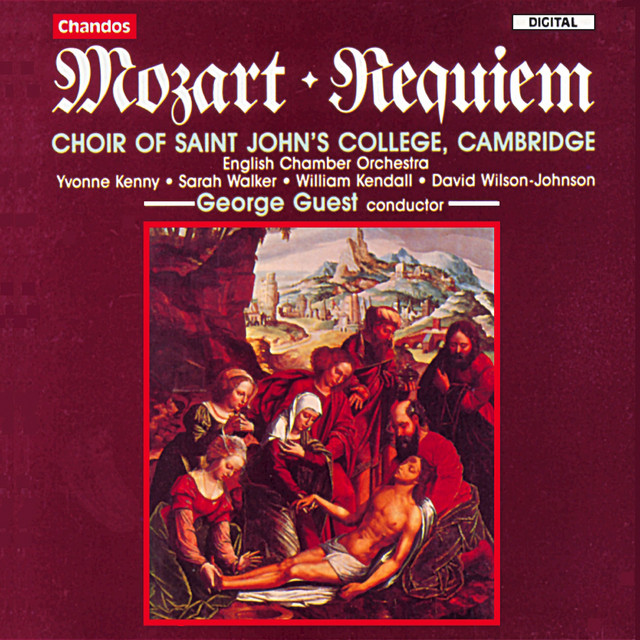
Requiem
Anglican Liturgy
Cambridge Choir
2
/5
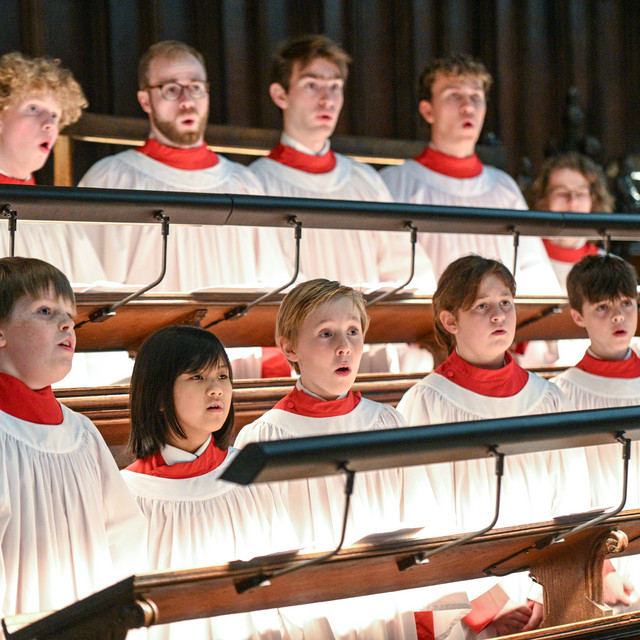
Choir of St. John's College, Cambridge
University Choir
Cambridge Choir
Choral
3
/5
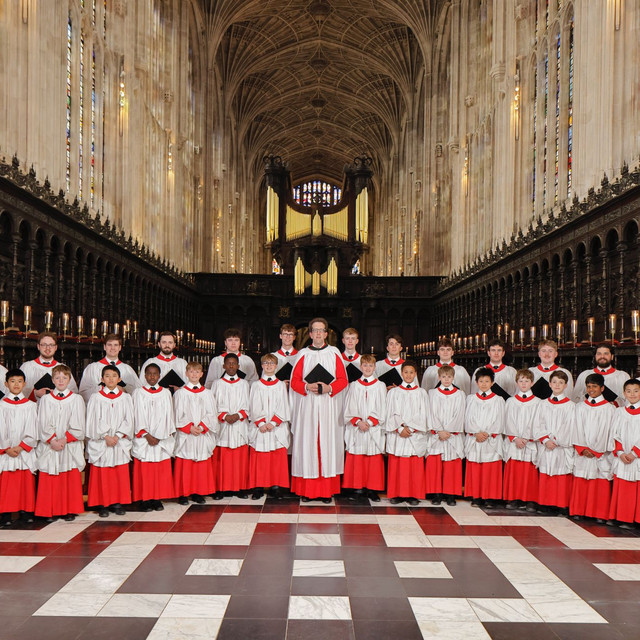
Choir of King's College, Cambridge
Requiem
Anglican Liturgy
Cambridge Choir
2
/5
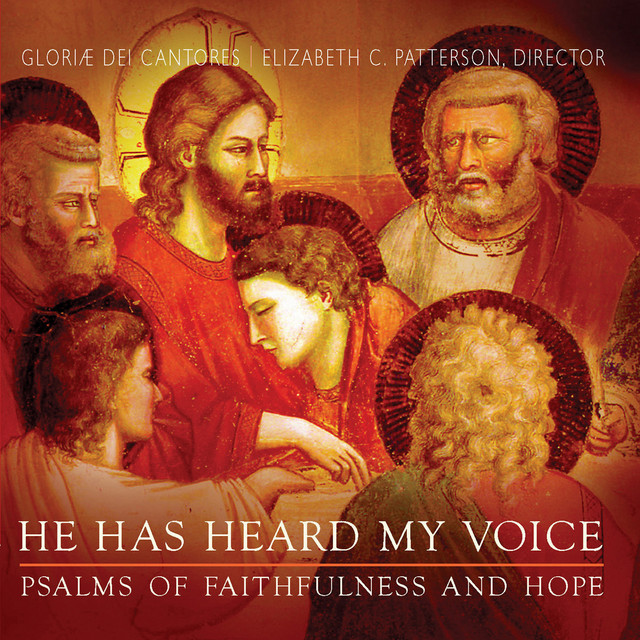
Elizabeth C. Patterson
Catholic Music
Choral
Gregorian Chant
3
/5
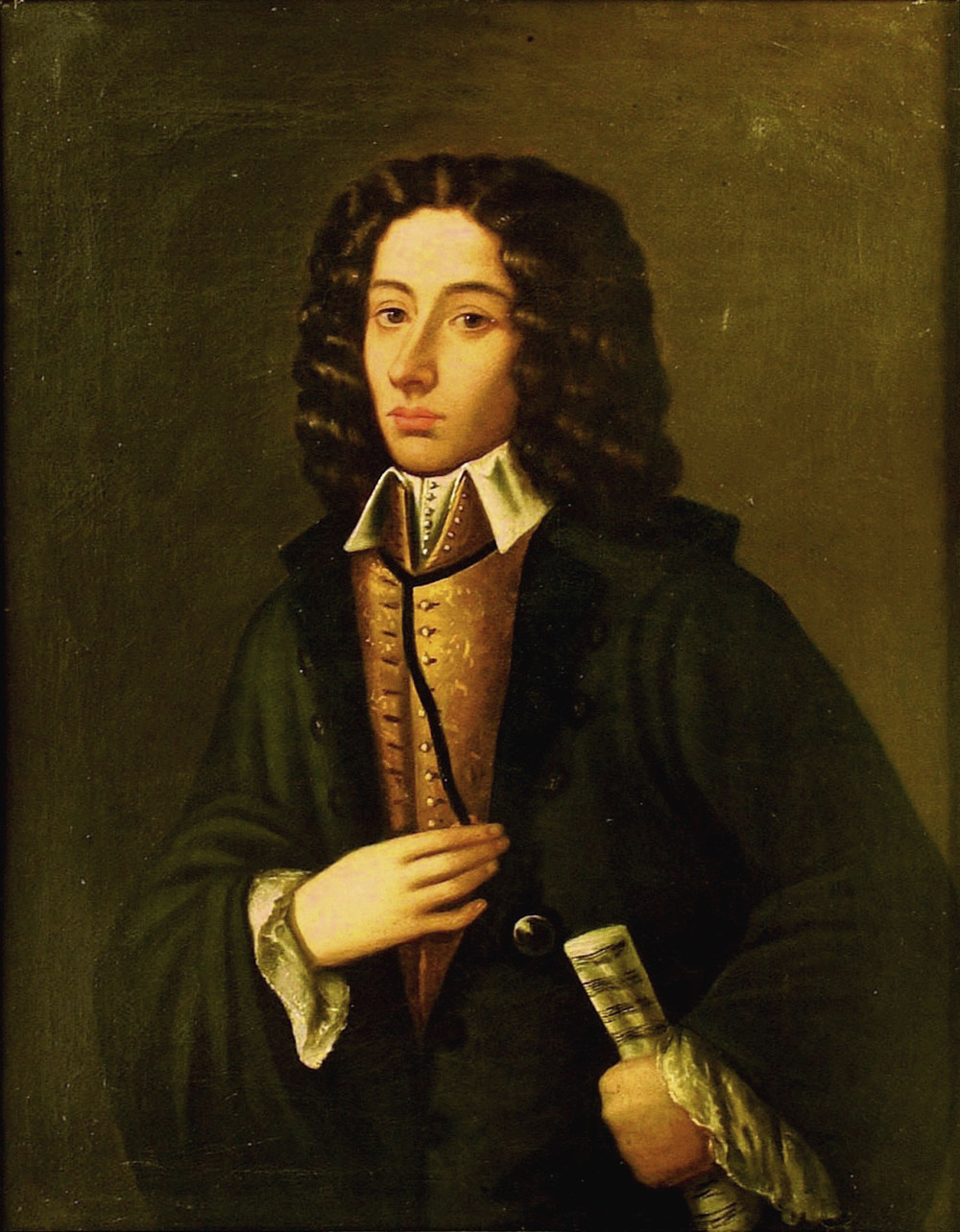
Giovanni Battista Pergolesi
Choral
Classical
Hymns
3
/5
The Cambridge Singers
English Renaissance
Anglican Liturgy
Choral
2
/5
The Saint Tikhon Choir
Choral
Gregorian Chant
Hymns
4
/5
Wolfgang Amadeus Mozart
Classical
Requiem
Classical Period
4
/5
Berliner Philharmoniker
Classical
Symphony
Romantic Classical
4
/5
Herbert von Karajan
Classical
Symphonic Poem
Symphony
Download our mobile app
Get the Melodigging app and start digging for new genres on the go
Download on the App Store
Get it on Google Play
© 2026 Melodigging
Give feedback
Legal
Melodding was created as a tribute to
Every Noise at Once
, which inspired us to help curious minds keep digging into music's ever-evolving genres.