Your digging level
Description
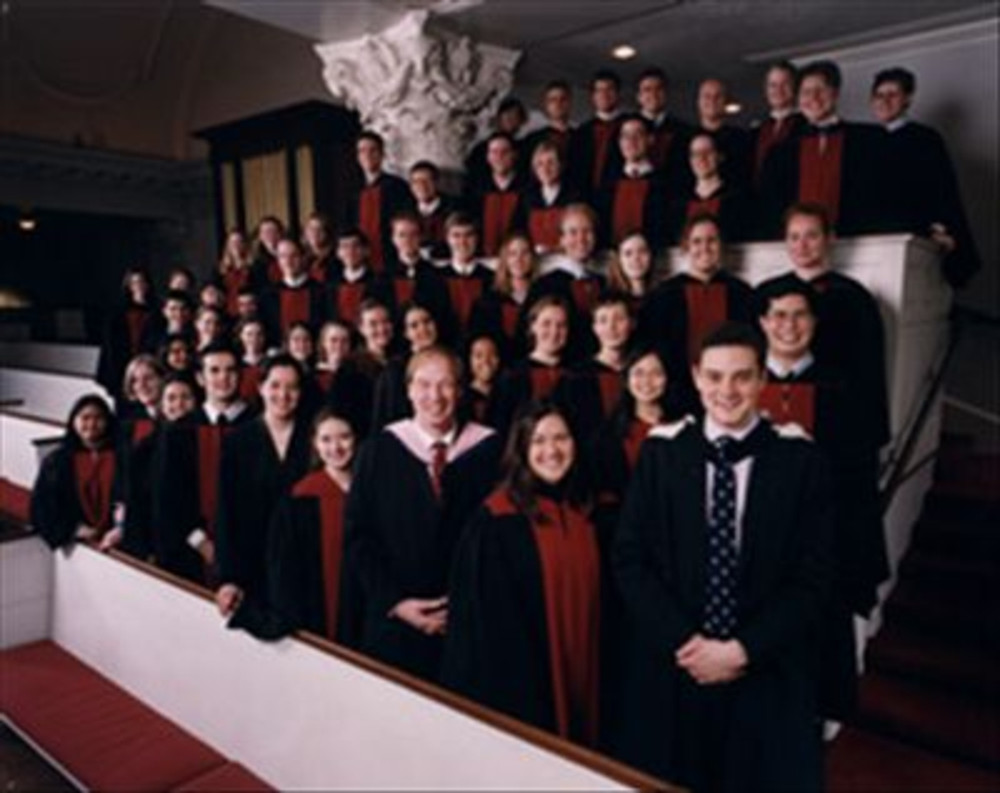
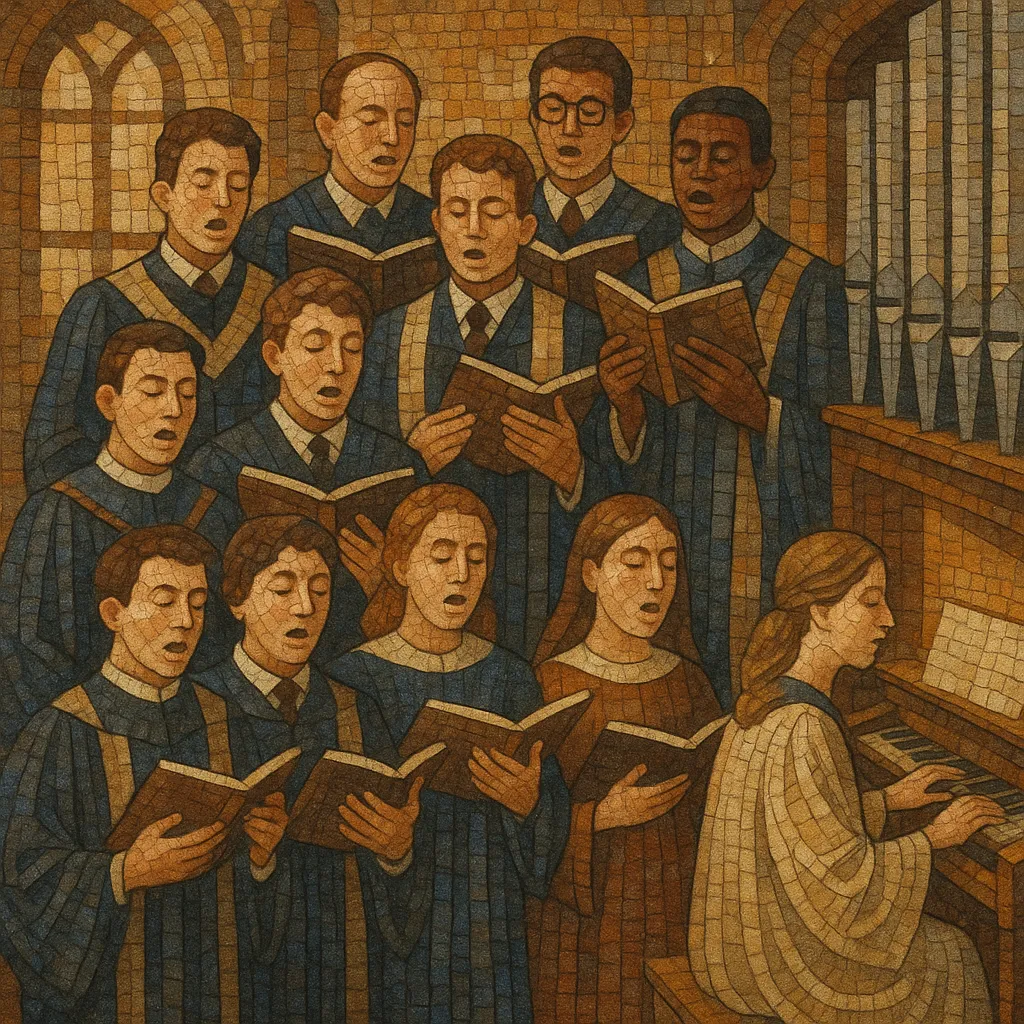
University choir is a choral tradition centered on ensembles affiliated with universities and colleges. These groups typically perform sacred and secular repertoire spanning medieval and Renaissance polyphony, Baroque and Classical anthems, Romantic part-songs, and contemporary choral works.
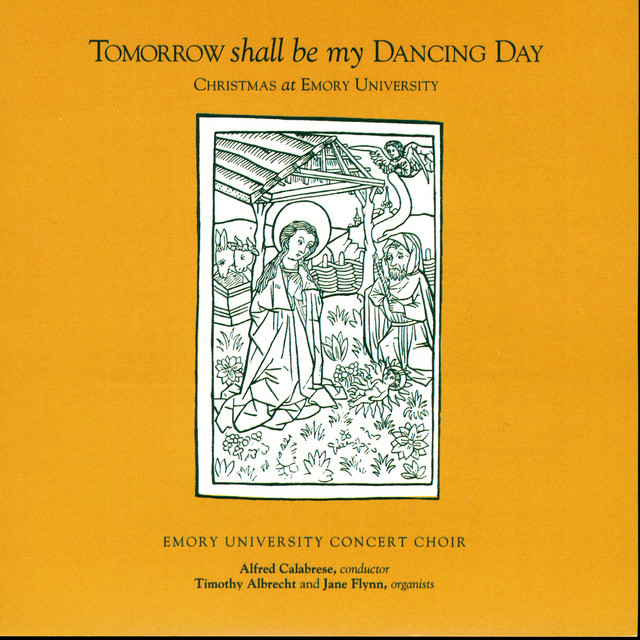
They are characterized by polished ensemble blend, disciplined diction, and educational purpose. Many university choirs serve liturgical roles in collegiate chapels, mount concert seasons, commission new music, and produce recordings (notably annual carol services). Typical voicings include SATB mixed chorus, TTBB glee-club style, and SSA treble ensembles, often accompanied by organ or performed a cappella.
History
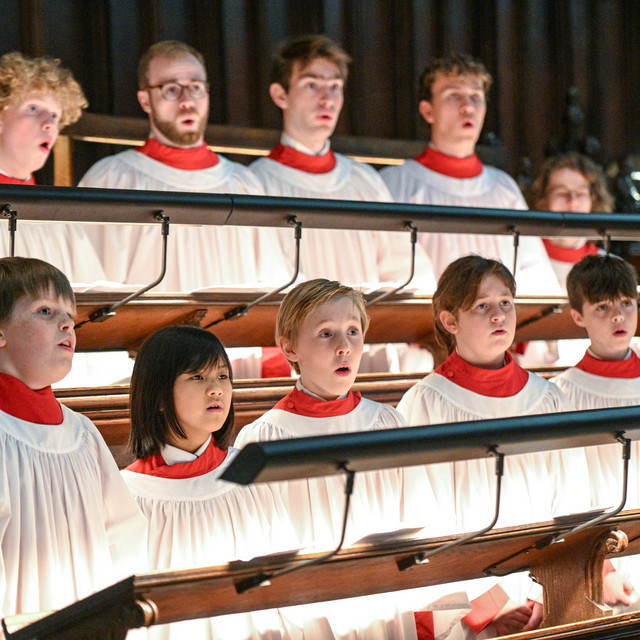
Choirs associated with colleges at the Universities of Oxford and Cambridge emerged alongside collegiate chapel life in the late medieval and early Renaissance periods. Chapel foundations such as King’s College, Cambridge (1441) institutionalized daily sung services, setting a template for student-based yet professionally maintained choirs that cultivated Latin motets, English anthems, and Anglican chant.
In the United States, university choral life broadened in the mid‑to‑late 1800s with glee clubs (e.g., Harvard Glee Club, 1858; Yale Glee Club, 1861). These ensembles emphasized part-songs, college songs, and touring, helping normalize choral singing as a core campus activity. Parallel developments in continental Europe tied student choirs to civic musical life and national repertoire.
The 20th century saw university choirs become prominent through radio broadcasts, recordings, and international tours. The Festival of Nine Lessons and Carols broadcast from King’s College, Cambridge (established 1918) popularized the Christmas carol service globally. University ensembles increasingly commissioned and premiered works by living composers, expanded language diversity, and adopted historically informed performance practices.
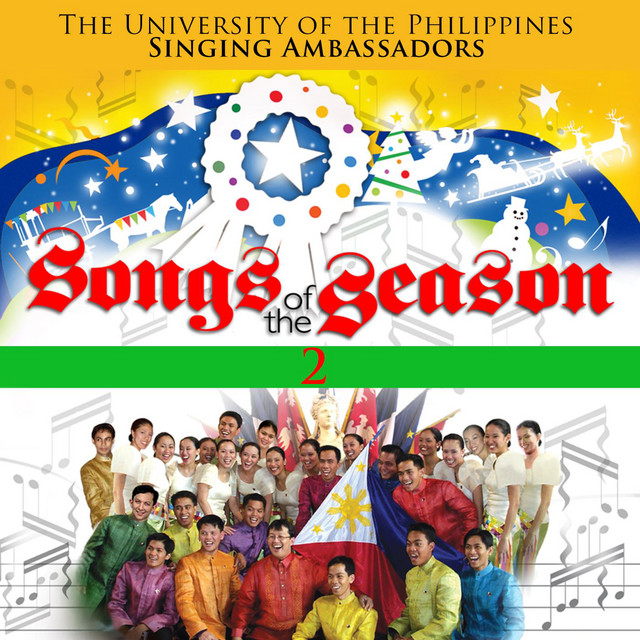
From the late 20th century onward, distinguished groups emerged worldwide (e.g., St. Olaf Choir in the U.S., Stellenbosch University Choir in South Africa, and the University of the Philippines Madrigal Singers), winning international competitions and embracing both classical masterworks and contemporary idioms. Today, the “university choir” tag encompasses liturgical chapel choirs, concert mixed choirs, and glee/jazz-leaning student groups, unified by educational mission and high ensemble standards.