Genres
Artists
Albums
Make Music
Sign in
Sign in
Artists
Synth Funk
Artists
Synth Funk
Gary Wilson
1977–2025
·
3 albums
Listen
2
/5
Genres
New Isolationism
New isolationism is a contemporary strain of isolationist ambient and post-industrial minimalism that emerged in the 2010s, particularly around Scandinavian experimental labels and studios. It foregrounds intimate, close-mic’d sound, negative space, and a quiet-but-present noise floor; its pieces feel both internal and architectural, like rooms built from reverb tails, tape hiss, and soft electronics. Sonically, the style blends glacial drones, fragile chamber timbres (strings, organ, piano), lo‑fi electronics, and field recordings into stark, slow-evolving tableaux. Melodic information is sparse—often only a few tones or gestures—while rhythm is either absent or reduced to distant pulses, heartbeats, or mechanical cycles. Vocals, when they appear, are murmured, diaristic, or abstracted by pitch and time manipulation. Aesthetically, new isolationism is post‑internet and diaristic: it captures solitude, memory, and dislocation with a palette that feels personal yet estranged, drawing as much from contemporary gallery sound practice as from classic dark ambient.
Discover
Listen
Synth Funk
Synth funk is a strand of funk and post‑disco that foregrounds electronic instruments—particularly analog and early digital synthesizers, drum machines, and effects—while retaining funk’s syncopated groove and R&B songcraft. Typically driven by LinnDrum or TR‑808 patterns, rubbery synth bass lines, clipped rhythm guitar, bright stabs, and talkbox/vocoder leads, synth funk balances dance‑floor propulsion with sleek, radio‑ready hooks. It often uses extended seventh and ninth chords, call‑and‑response vocals, and glossy production associated with the early to mid‑1980s. The style is closely linked to the Minneapolis sound and overlaps with boogie and post‑disco, but it is generally more synth‑forward and machine‑tight than 1970s band‑centered funk. Its influence echoes through new jack swing, G‑funk, and modern retro‑leaning pop and electronic forms.
Discover
Listen
New Wave
New wave is a broad, pop-oriented umbrella for styles that emerged in the mid-to-late 1970s as a sleeker, more melodic outgrowth of punk culture. Initially, the term varied by region: in the United States it was first used by critics and labels (famously Sire Records’ “Don’t Call It Punk” campaign in 1977) to rebrand punk-associated artists with more radio-friendly aesthetics; in the United Kingdom it encompassed a wider constellation of fresh, stylish post-punk-era sounds. Over time, “new wave” became a catch‑all for hooky guitar pop, synth-driven songs, danceable rhythms, and modernist production sensibilities. Sonically, it blends tight, upbeat rhythms (often disco- and reggae-informed), clean chorus/flanger guitars, prominent synthesizers, and concise, hook-led songwriting. Its visual identity—sharp suits, futurist imagery, and fashion-forward presentation—was integral, aligning with the rise of music television and emphasizing art-school wit, irony, and modern urban themes.
Discover
Listen
Outsider
Outsider music is an umbrella term for idiosyncratic recordings made by creators who operate outside the norms of the commercial music industry and academic training. Rather than a single sound, it describes a sensibility: raw, deeply personal, and frequently unconcerned with conventional technique, pitch, meter, or song form. Artists labeled “outsider” often self‑record at home, release music privately, or perform in nontraditional spaces. Their work may feature unusual tunings, naive or obsessive lyrics, one‑person band setups, tape hiss and room noise, and structures that feel improvised or dreamlike. While the results can be challenging, the appeal lies in the unfiltered voice and the sense of direct, human expression that bypasses stylistic polish. Critic Irwin Chusid popularized the term in the 2000s, but the impulse predates it by decades, drawing on DIY, vanity-press, song‑poem, and local scene traditions across rock, folk, pop, blues, gospel, and experimental music.
Discover
Listen
Rock
Rock is a broad family of popular music centered on amplified instruments, a strong backbeat, and song forms that foreground riffs, choruses, and anthemic hooks. Emerging from mid‑20th‑century American styles like rhythm & blues, country, and gospel-inflected rock and roll, rock quickly expanded in scope—absorbing folk, blues, and psychedelic ideas—while shaping global youth culture. Core sonic markers include electric guitar (often overdriven), electric bass, drum kit emphasizing beats 2 and 4, and emotive lead vocals. Rock songs commonly use verse–chorus structures, blues-derived harmony, and memorable melodic motifs, ranging from intimate ballads to high‑energy, stadium‑sized performances.
Discover
Listen
Pop
Pop is a broad, hook-driven style of popular music designed for wide appeal. It emphasizes memorable melodies, concise song structures, polished vocals, and production intended for radio, charts, and mass media. While pop continually absorbs elements from other styles, its core remains singable choruses, accessible harmonies, and rhythmic clarity. Typical forms include verse–pre-chorus–chorus, frequent use of bridges and middle-eights, and ear-catching intros and outros. Pop is not defined by a single instrumentation. It flexibly incorporates acoustic and electric instruments, drum machines, synthesizers, and increasingly digital production techniques, always in service of the song and the hook.
Discover
Listen
Experimental
Experimental music is an umbrella term for practices that prioritize exploration, process, and discovery over adherence to established genre norms. It embraces new sound sources, nonstandard tuning systems, indeterminacy and chance operations, graphic and open-form scores, extended techniques, and technology-led sound design (tape, electronics, computers, and live processing). Rather than a single style, it is a methodology and ethos: testing hypotheses about sound, structure, and performance, often blurring boundaries between composition, improvisation, sound art, and performance art. Listeners can expect unfamiliar timbres, unusual forms, and an emphasis on how music is made as much as the resulting sound.
Discover
Listen
Avant-Garde
Avant-garde music is an umbrella term for boundary-pushing practices that challenge prevailing norms of harmony, rhythm, timbre, form, and performance. It privileges experimentation, conceptual rigor, and a willingness to reframe what counts as music at all. Historically tied to early 20th‑century artistic modernism, avant-garde music introduced atonality, the emancipation of noise, and new forms of notation and process. It embraces indeterminacy, extended techniques, electronics, spatialization, and multimedia performance, treating sound as material to be sculpted, questioned, and reinvented.
Discover
Listen
Electronic
Electronic is a broad umbrella genre defined by the primary use of electronically generated or electronically processed sound. It encompasses music made with synthesizers, drum machines, samplers, computers, and studio/tape techniques, as well as electroacoustic manipulation of recorded or synthetic sources. The genre ranges from academic and experimental traditions to popular and dance-oriented forms. While its sonic palette is rooted in electricity and circuitry, its aesthetics span minimal and textural explorations, structured song forms, and beat-driven club permutations. Electronic emphasizes sound design, timbre, and studio-as-instrument practices as much as melody and harmony.
Discover
Listen
Show all 9 genres
Albums
2025
1
/5
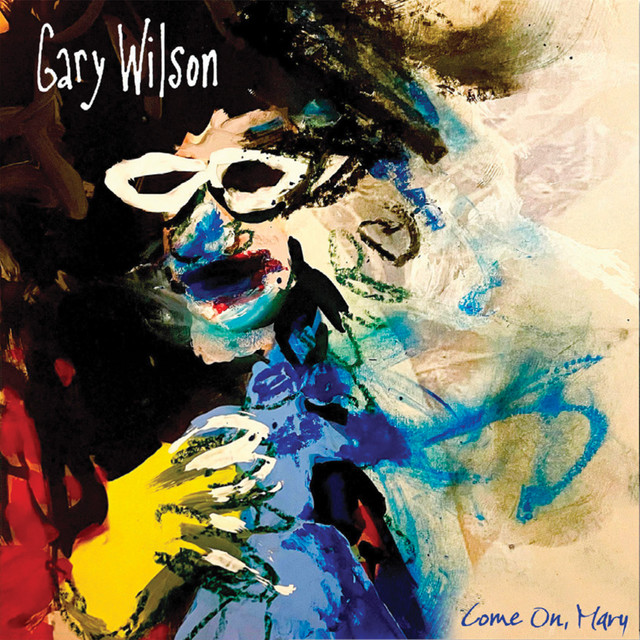
Come On, Mary
Gary Wilson
Outsider
2004
1
/5
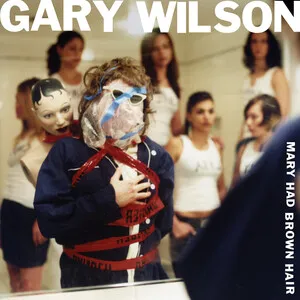
Mary Had Brown Hair
Gary Wilson
Synth Funk
Electronic
Pop
1977
2
/5
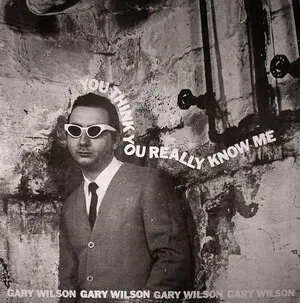
You Think You Really Know Me
Gary Wilson
Synth Funk
Electronic
New Wave
Similar artists
4
/5
Prince
Funk
Minneapolis Sound
Synth Funk
4
/5
Talking Heads
Art Punk
New Wave
Post-Punk
1
/5
Various Artists
Afro-Funk
Alternative Rock
Ambient
5
/5
David Bowie
Art Rock
Rock
Glam Rock
4
/5
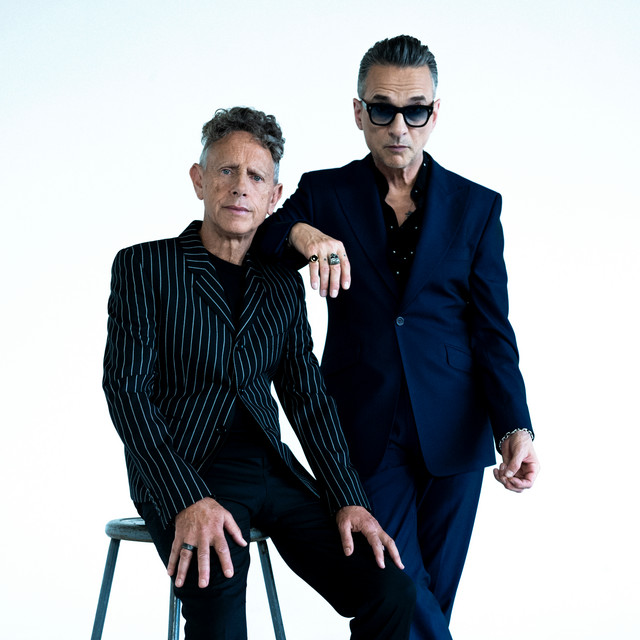
Depeche Mode
Synth-Pop
Electronic
Dance-Rock
4
/5
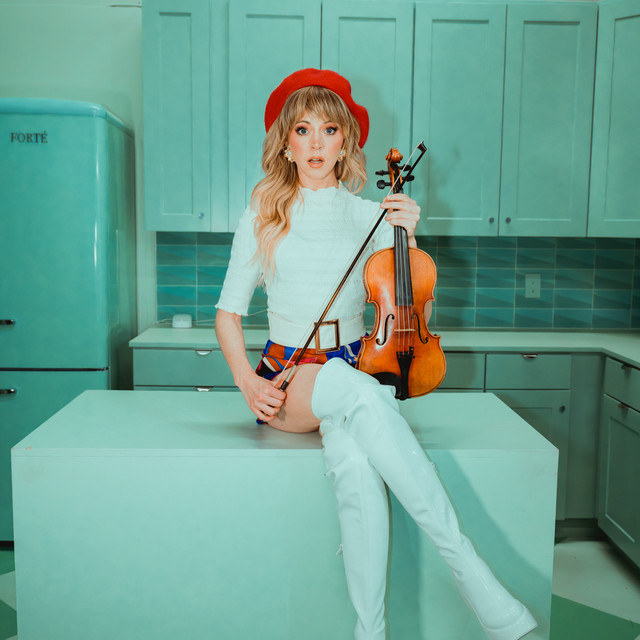
Lindsey Stirling
Bow Pop
Pop Violin
Pop
4
/5
Molchat Doma
Coldwave
Post-Punk
Gothic Rock
3
/5
TWRP
Nightrun
Electronic
Rock
3
/5
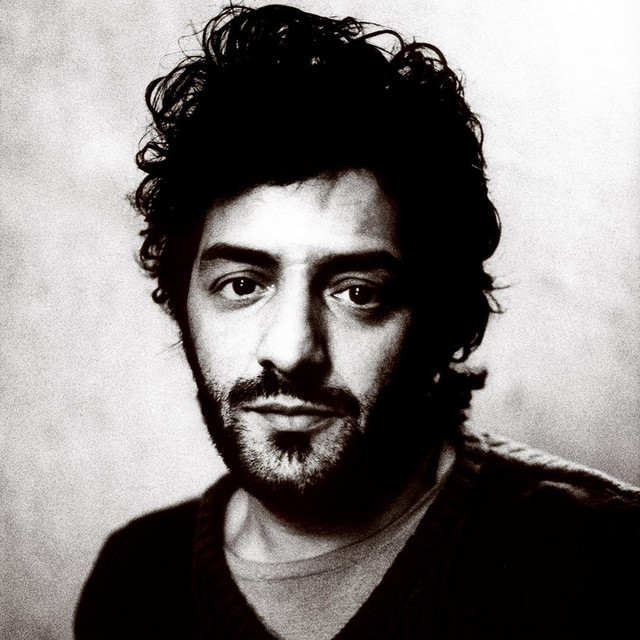
Rachid Taha
Raï
Rock
Maghrebi Music
3
/5
Automatic
Synth Punk
Post-Punk
Egg Punk
Download our mobile app
Get the Melodigging app and start digging for new genres on the go
Download on the App Store
Get it on Google Play
© 2026 Melodigging
Give feedback
Legal
Melodding was created as a tribute to
Every Noise at Once
, which inspired us to help curious minds keep digging into music's ever-evolving genres.