Your digging level
Description
Outsider music is an umbrella term for idiosyncratic recordings made by creators who operate outside the norms of the commercial music industry and academic training. Rather than a single sound, it describes a sensibility: raw, deeply personal, and frequently unconcerned with conventional technique, pitch, meter, or song form.
Artists labeled “outsider” often self‑record at home, release music privately, or perform in nontraditional spaces. Their work may feature unusual tunings, naive or obsessive lyrics, one‑person band setups, tape hiss and room noise, and structures that feel improvised or dreamlike. While the results can be challenging, the appeal lies in the unfiltered voice and the sense of direct, human expression that bypasses stylistic polish.
Critic Irwin Chusid popularized the term in the 2000s, but the impulse predates it by decades, drawing on DIY, vanity-press, song‑poem, and local scene traditions across rock, folk, pop, blues, gospel, and experimental music.
History
The roots of outsider music can be traced to vanity-press singles, the song‑poem industry, and local private‑press records in the United States. As affordable home tape recorders and small vinyl runs became viable, non‑professional musicians documented intensely personal music that sat outside prevailing standards. The Shaggs’ 1969 album “Philosophy of the World” later became a touchstone: technically unorthodox but emotionally unmistakable.
By the late 1970s and 1980s, artists such as Jandek self‑released austere, enigmatic LPs with minimal information, while Daniel Johnston’s cassette diaries spread hand‑to‑hand through college towns and indie shops. Parallel examples (Wild Man Fischer, Hasil Adkins, Shooby Taylor) gained cult attention through radio oddities, zines, and record collectors who prized the sincerity and uniqueness of these recordings.
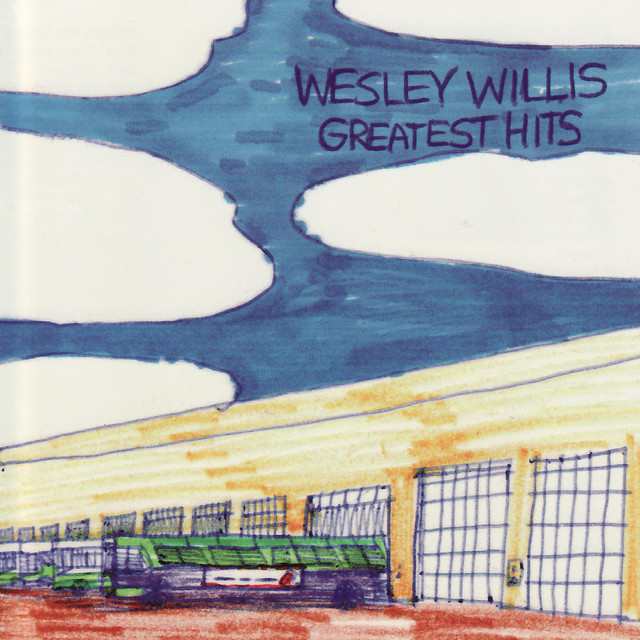
Bootleg trading, early web forums, and reissue labels amplified interest. Irwin Chusid’s book and compilations (e.g., “Songs in the Key of Z”) helped frame “outsider music” as a critical category, not to mock but to understand an aesthetics of direct expression, naive technique, and off‑grid creativity. Wesley Willis and The Legendary Stardust Cowboy, among others, reached wider audiences while retaining their singular approaches.
Affordable DAWs, phones, and platforms (Bandcamp, YouTube) made self‑releasing easier, so the outsider ethos—DIY, untrained, intensely personal—continued in new guises. While the label “outsider” is debated (for its potential to other or pathologize), its influence is audible across bedroom pop, lo‑fi indie, hypnagogic pop, and scenes that valorize immediacy and personality over polish.
Start from personal expression rather than genre rules. Accept technical limitations and let them shape the music. Value honesty and distinctiveness over correctness.
Use simple chords (I–IV–V, minor triads) or ignore functional harmony altogether. Let melodies follow speech rhythms or emotional arcs, even if they drift from standard tuning. Embrace drones or repeated motifs to anchor unconventional singing.
Allow tempos to breathe and bar lengths to vary with the lyric. Loop a simple beat from a drum machine, hand percussion, or tabletop tapping. Song structures can be fragmentary; verses may recur asymmetrically or dissolve into spoken passages.
Record with whatever is available: phone memos, cassette four‑track, a single mic into a laptop. Keep incidental sounds (room noise, hiss) if they feel part of the document. Avoid over‑editing; let mistakes testify to presence.
Write plainly and specifically—diary‑like confessions, obsessions, homemade mythologies, or surreal humor. Deliveries can be murmured, shouted, or matter‑of‑fact; prioritize conviction over technique. Spoken interludes and monologues fit naturally.
Guitar or keyboard plus voice is enough. Add household objects, toy instruments, or found sounds for color. If using effects, try spring reverb, slapback delay, or amp saturation to emphasize immediacy rather than gloss.
Self‑release digitally or on small physical runs. Hand‑drawn art, xeroxed inserts, and candid photos fit the aesthetic. Share directly with communities; liner notes can be minimal or cryptic to let the music speak for itself.