Your digging level
Description
Song poem is a mid‑20th‑century American practice in which mail‑order studios invited the public to submit lyrics—often via magazine ads promising to "turn your poem into a hit"—and, for a fee, set those words to quickly arranged, professionally recorded music.
The resulting recordings span pop, country, lounge, novelty, and early rock idioms, but share a hallmark of earnest vocals, stock chord progressions, budget studio sonics, and literal settings of idiosyncratic amateur texts. The best‑known performers developed a craft of instant arranging and sight‑reading that could transform even the most unusual submissions into fully realized songs.
Long dismissed as “song‑sharking” vanity product, the song‑poem world has since been reappraised for its outsider charm, documentary value, and unfiltered glimpse into everyday American imaginations.
History
Song poem emerged in the United States as mail‑order services and vanity labels advertised in pulp magazines and newspapers: “Send us your lyrics; we’ll make a record.” Building on Tin Pan Alley’s custom‑song tradition, these companies streamlined production with in‑house bands that could read charts on the spot and cut several songs per session.
The industry peaked in the 1960s and early 1970s with studios such as MSR, Preview, and Film City. Arrangers and singers like Rodd Keith, Gene Marshall, Norm Burns, and Nita Garfield became adept at instant arrangements across pop, country, lounge, and rock styles. Typical products were 45s or budget LPs credited to house ensembles (e.g., The MSR Singers), sent back to the paying lyricist and occasionally sold in tiny quantities.
Rising studio costs, changing media economics, and the shift to more sophisticated radio formats reduced the viability of mail‑order song services. Many companies shuttered, and the practice retreated to small‑scale operations.
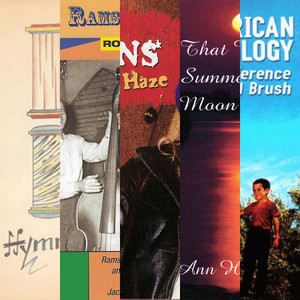
Collectors, archivists, and radio shows (notably on WFMU) spurred a revival of interest. The documentary “Off the Charts: The Song‑Poem Story” (2003) and compilations such as “The American Song‑Poem Anthology” reframed the music as a form of outsider pop: technically proficient musicians meeting unfiltered, often poignant or eccentric amateur texts. The private‑press aesthetic, kitsch charm, and found‑sound value helped inspire later experimental and nostalgia‑oriented scenes.