Genres
Artists
Albums
Make Music
Sign in
Sign in
Artists
Dancehall
Artists
Dancehall
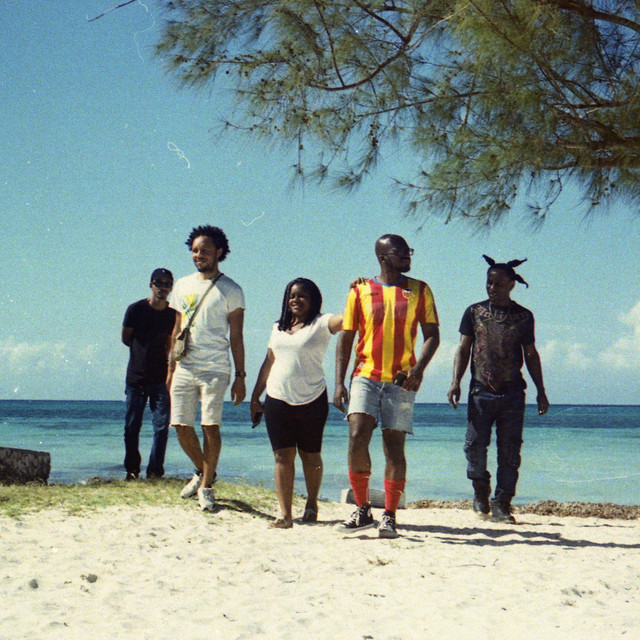
Equiknoxx
2017–2021
·
6 albums
Listen
2
/5
Genres
Jersey Drill
Jersey drill is a high‑energy rap micro‑genre that fuses the sliding 808s, ominous textures, and competitive swagger of drill with the bouncy kick patterns, chopped vocal stabs, and dance‑floor focus of Jersey club. Typically sitting around 130–145 BPM, it keeps drill’s confrontational flows and street reportage but places them over club‑ready patterns (bed‑squeak chops, rapid kick clusters, brake stops) designed for party movement and call‑and‑response hooks. The result is music that’s both aggressive and made for dancing—rooted in the New Jersey club tradition yet connected to the broader New York drill ecosystem.
Discover
Listen
Post-Dubstep
Post-dubstep is a loosely defined wave of UK-born electronic music that grew out of dubstep but moved away from its rigid 140 BPM wobble-bass formula. It keeps the bass-weight, sound-system focus, and rhythmic syncopation of dubstep and UK garage, but folds in house and techno tempos, R&B vocal chops, ambient space, and experimental production. Typical tracks explore 120–135 BPM (not fixed at 140), use broken 2‑step/garage swing instead of 4/4, and favor detailed sound design over maximal drops. You’ll often hear hushed, intimate vocals (sampled or original), neo-soul/jazz-influenced chords, and micro-edited percussion with lots of negative space. The mood is frequently introspective, melancholic, and textural—more headphone-oriented than festival-leaning—yet still rooted in club culture.
Discover
Listen
Bashment Soca
Bashment soca is a Barbadian-born variant of soca that fuses the high-energy party Spirit of Crop Over with the grit and vocal delivery of Jamaican dancehall. Compared with power soca’s fast tempos, bashment soca typically runs slower and heavier, leaning on booming sub‑bass, minimal chord movement, and infectious, chantable hooks. The style foregrounds Bajan dialect, cheeky wordplay, and call‑and‑response crowd interaction. Tracks are often built on shared riddims, encouraging multiple vocal takes, remixes, and sound‑system style performances. The result is a raw, street‑level party music tailor‑made for “wuk up” dancing and road marches.
Discover
Listen
Twerk
Twerk is a high-energy club and festival style built around pounding 808 bass, head-nodding half‑time grooves at double‑time feel, and chantable hooks designed for the dancefloor. Typically sitting near 95–110 BPM, its percussion borrows the call‑and‑response patterns and bounce of New Orleans Bounce while embracing the sub‑heavy thump and party-forward attitude of Miami Bass. Modern productions often fold in trap-style hi-hats, crowd commands, and minimal, catchy riffs, prioritizing rhythm and movement over complex harmony.
Discover
Listen
Dub Techno
Dub techno is a minimalist offshoot of techno that fuses Detroit/Berlin techno rhythms with classic Jamaican dub studio techniques. It emphasizes space, depth, and decay through extensive use of tape‑style delays, spring/plate reverbs, and filtering. Typical tracks hover around 118–130 BPM with understated 4/4 drums, deep sub‑bass, and repeating, softly struck chord stabs (often minor 7ths or suspended voicings) that are washed in reverb. The result is a hypnotic, immersive sound world—grainy, foggy, and textural—where small timbral changes and delay tails provide the narrative. The genre coalesced in early‑1990s Berlin around Basic Channel and related labels, drawing on Detroit techno’s futurism and Jamaican dub’s mixing philosophy while embodying the austere spatial aesthetics of the Berlin scene.
Discover
Listen
Ghetto House
Ghetto house (often called "booty house") is a raw, stripped‑down strain of Chicago house that foregrounds pounding 4/4 drums, simple basslines, and repetitive, chant‑like vocals. Tracks are purposely minimal, loop‑driven DJ tools designed for peak‑energy dancefloors. The style is known for its fast tempos, explicit party lyrics, and relentless percussion, typically built from classic drum machines. Its economy of elements and focus on groove make it both hypnotic and intensely physical, laying the groundwork for later Chicago styles like juke and footwork.
Discover
Listen
Juke
Juke is a fast, sample-driven club style from Chicago that runs around 150–160 BPM, built on jagged 808/909 drum programming, booming sub‑bass, and looped vocal chants. It keeps the raw, minimal, party‑starting energy of ghetto house but pushes the tempo and rhythmic syncopation much further. Tracks often rely on short, repetitive hooks and call‑and‑response phrases, claps on the backbeat, and tom/snare rolls that stutter and pivot around a steady 4/4 grid. Harmonic content is sparse—brief chord stabs, simple bass riffs, and plenty of negative space—so that dancers can lock into the drums. Juke is closely related to, and historically precedes, Chicago footwork; where juke is the more club‑aligned, chant‑heavy form, footwork became more abstract and battle‑oriented.
Discover
Listen
Experimental Dub
Experimental dub is a boundary‑pushing offshoot of dub that keeps the music’s deep bass, echo, and studio-as-instrument philosophy, but stretches it into new territories through noise, industrial textures, ambient space, post‑punk grit, and avant‑electronic processing. Where classic dub strips songs down to bass, drums, and fleeting fragments, experimental dub further deconstructs rhythm and form, folds in unconventional sound sources (field recordings, feedback, found voices), and treats the mixing desk, delays, and filters as performance tools. The result ranges from smoky, slow, and weightless to abrasive, hypnotic, and rhythmically unsteady—always prioritizing space, texture, and low‑end pressure.
Discover
Listen
Digital Dancehall
Digital dancehall is the computer‑driven evolution of Jamaican dancehall that emerged in the mid‑1980s, when riddims began to be built almost entirely with drum machines and synthesizers instead of live bands. It is defined by stripped‑down, syncopated drum patterns, heavy sub‑bass, bright digital stabs and horn hits, and a minimalist, loop‑centered approach to harmony. Vocals range from gruff, rapid‑fire toasting to melodic singjay styles delivered in Jamaican patois, often addressing party culture, street life, slackness, and social commentary. Typical tempos sit around 85–100 BPM, leaving space for the deejay to ride the riddim with rhythmic precision. Production leans on crisp, quantized drums (influenced by early digital gear) and creative use of delay and reverb inherited from dub, while the focus remains on the riddim as a reusable backbone for multiple vocal versions.
Discover
Listen
Dancehall
Dancehall is a Jamaican popular music style built around bass‑heavy, groove‑centric riddims and the vocal art of chatting or singjaying in Jamaican Patois. It emphasizes direct, energetic delivery, call‑and‑response hooks, and a party‑forward attitude, while also leaving space for sharp social commentary and witty wordplay. The genre is fundamentally riddim‑based: producers release instrumental tracks (riddims) that many different vocalists "voice" with their own songs. This culture encourages competitive creativity, rapid evolution of styles, and a constant stream of new versions. Tempos typically sit in the midtempo range, with syncopated kicks and snares and prominent sub‑bass. Since the mid‑1980s, digital drum machines and synths have defined much of dancehall’s sound, though live instrumentation and hybrid production are common too.
Discover
Listen
Soca
Soca is a high‑energy dance music from Trinidad and Tobago that emerged in the early 1970s as a modernized offshoot of calypso. It blends calypso’s witty lyricism and call‑and‑response with Afro‑Caribbean percussion, East Indian rhythmic accents, and contemporary funk/disco/pop production. Typical features include a four‑on‑the‑floor kick, strong backbeat claps, driving "engine room" percussion (iron/cowbell), syncopated bass lines, bright synths or brass stabs, up‑stroke rhythm guitar, and catchy chant‑like hooks designed for crowd participation. Tempos range from around 110–125 BPM for "groovy soca" to 150–165 BPM for "power soca," reflecting music made for Carnival fetes, road marches, and mass performance.
Discover
Listen
Show all 11 genres
Albums
2021
1
/5
Basic Tools Mixtape
Equiknoxx
Experimental Dub
2019
2
/5
Eternal Children
Equiknoxx
Experimental Dub
2017
1
/5
Colón Man
Equiknoxx
Digital Dancehall
Juke
Ghetto House
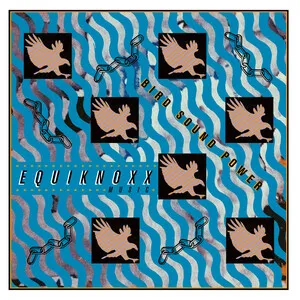
Bird Sound Power
Equiknoxx
Dancehall
Bird Sound Power
Equiknoxx
Ghetto House
Bird Sound Power
Equiknoxx
Juke
Similar artists
1
/5
Various Artists
Afro-Funk
Alternative Rock
Ambient
2
/5
Purelink
Experimental Dub
Ambient
Downtempo
2
/5
DJ Rashad
Footwork
Juke
Ghetto House
2
/5
DJ Swisha
Baltimore Club
Footwork
Grimewave
2
/5
DJ Spinn
Footwork
Baltimore Club
Chicago House
2
/5
DJ CAMGIRL
Footwork
Breakcore
Ghetto House
1
/5
DJ Paypal
Footwork
Ghetto House
Ghettotech
1
/5
Disrupt
Dub
Dub Techno
Experimental Dub
2
/5
VAPERROR
Vaportrap
Slushwave
Electronic
2
/5
HiTech
Ghettotech
Footwork
Detroit Sound
Download our mobile app
Get the Melodigging app and start digging for new genres on the go
Download on the App Store
Get it on Google Play
© 2026 Melodigging
Give feedback
Legal
Melodding was created as a tribute to
Every Noise at Once
, which inspired us to help curious minds keep digging into music's ever-evolving genres.