Genres
Artists
Albums
Make Music
Sign in
Sign in
Artists
Footwork
Artists
Footwork
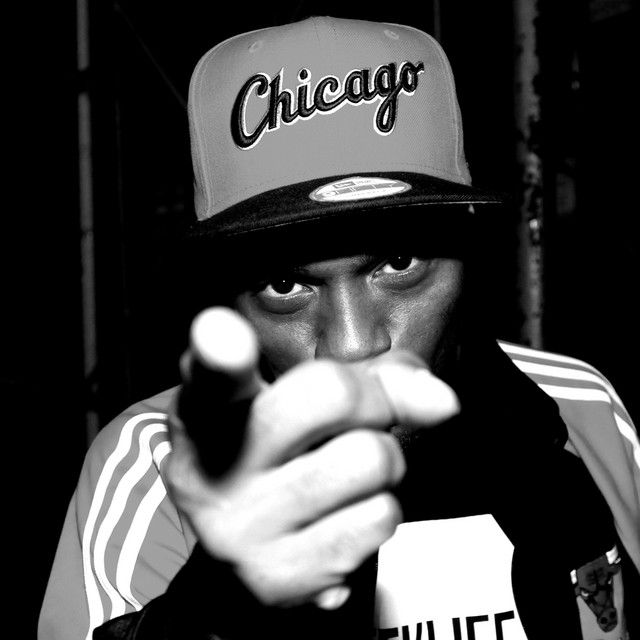
DJ Spinn
2008–2012
·
2 albums
Listen
2
/5
Genres
Shib
Shib is an internet-born microgenre that blends lo‑fi hip hop, cloud rap, and alt‑R&B sensibilities into short, emotionally direct songs. It favors intimate vocals (sung, whispered, or half‑rapped), warm and dusty textures, and compact forms optimized for streaming and social media discovery. Typical productions feature looped guitar or piano motifs, soft trap drums, vinyl crackle or room noise, and reverbs/delays that create a late‑night, confessional atmosphere. Lyrically, shib gravitates toward nostalgia, heartbreak, and private reflection—music made to sound like messages recorded in a bedroom at 2 a.m.
Discover
Listen
Fluxwork
Fluxwork is a contemporary microgenre of electronic music optimized for sustained concentration and “flow state” listening. It blends the warmth and space of ambient with the pulse and structure of minimal techno and microhouse, emphasizing unobtrusive rhythms and gradual, textural movement. Tracks usually feature understated four-on-the-floor or gently broken patterns, soft sidechained pads, subtle arpeggios, and carefully filtered transitions. Vocals, if present at all, are sparse and textural. The result is music that feels propulsive yet calm—capable of fading into the background while quietly supplying kinetic focus.
Discover
Listen
Footwork
Footwork (often called juke or Chicago juke) is a high‑velocity, sample‑driven form of electronic dance music that emerged from Chicago’s battle‑dance culture. Built around stuttering, off‑grid percussion at roughly 160 BPM, it uses chopped vocal snippets, booming sub‑bass, and rapid toms, claps, and snares arranged in highly syncopated patterns that are not locked to a constant 4/4 kick. Producers frequently slice fragments of rap, R&B, pop, and soul into call‑and‑response hooks that interact with dancers on the floor. The result is a tense, kinetic sound designed for competitive circles as much as for clubs and headphones.
Discover
Listen
Ghetto House
Ghetto house (often called "booty house") is a raw, stripped‑down strain of Chicago house that foregrounds pounding 4/4 drums, simple basslines, and repetitive, chant‑like vocals. Tracks are purposely minimal, loop‑driven DJ tools designed for peak‑energy dancefloors. The style is known for its fast tempos, explicit party lyrics, and relentless percussion, typically built from classic drum machines. Its economy of elements and focus on groove make it both hypnotic and intensely physical, laying the groundwork for later Chicago styles like juke and footwork.
Discover
Listen
Juke
Juke is a fast, sample-driven club style from Chicago that runs around 150–160 BPM, built on jagged 808/909 drum programming, booming sub‑bass, and looped vocal chants. It keeps the raw, minimal, party‑starting energy of ghetto house but pushes the tempo and rhythmic syncopation much further. Tracks often rely on short, repetitive hooks and call‑and‑response phrases, claps on the backbeat, and tom/snare rolls that stutter and pivot around a steady 4/4 grid. Harmonic content is sparse—brief chord stabs, simple bass riffs, and plenty of negative space—so that dancers can lock into the drums. Juke is closely related to, and historically precedes, Chicago footwork; where juke is the more club‑aligned, chant‑heavy form, footwork became more abstract and battle‑oriented.
Discover
Listen
Baltimore Club
Baltimore club (often shortened to Bmore club) is a high‑energy, loop‑driven dance music that fuses the drum programming and four‑on‑the‑floor insistence of house with the chopped breaks, vocal call‑and‑response, and swagger of hip hop. Typically hovering around 125–135 BPM (most commonly ~130), it relies on hard, syncopated kick patterns, snappy snares and claps, and rapid‑fire sample edits. Iconic breaks like Lyn Collins’ "Think (About It)" and Gaz’s "Sing Sing" are frequently chopped into chant‑like hooks, while sirens, stabs, and party shouts drive its rowdy, club‑ready feel. Born in Baltimore’s DJ culture and perfected on local radio and dance floors, the style prioritizes movement and repetition—short phrases, big drums, and unforgettable vocal loops designed for instantaneous crowd response.
Discover
Listen
Ghettotech
Ghettotech is a high‑velocity club style from Detroit that fuses the precision of Detroit techno and electro with the raw party energy of Miami bass, Chicago ghetto house, and hip hop. Typical tempos sit around 150–160 BPM, with clipped 808 drums, chattering hi‑hats, and razor‑sharp edits designed for rapid‑fire DJ mixing. Tracks are built from minimal loops, aggressive sub‑bass, and short, chant‑like vocals that are often sexually explicit and call‑and‑response in nature. The music leaves space for dancers—especially Detroit’s jit style—favoring functional, DJ‑tool arrangements, quick drops, and hard cuts over extended harmonic development. The overall effect is fast, body‑moving, and confrontational, optimized for packed, sweat‑soaked dance floors.
Discover
Listen
Chicago House
Chicago house is the original strain of house music that emerged from Chicago’s club scene in the mid to late 1980s. Built around a four-on-the-floor kick, syncopated hi‑hats, handclaps, and looping basslines from affordable drum machines and synths, it translated the energy of disco and boogie into a raw, hypnotic, DJ‑friendly format. The sound was forged by resident DJs and producers associated with venues like The Warehouse, Music Box, and Power Plant, as they extended and reworked soulful, gospel-tinged dance records into long, functional grooves. Early Chicago house is often sparse and gritty—driven by TR‑808/909 patterns, piano stabs, deep pads, and call‑and‑response vocals—designed first and foremost for the dance floor.
Discover
Listen
Miami Bass
Miami bass is a high-energy, bass-forward hip hop and electro offshoot that emerged in South Florida during the mid-to-late 1980s. It is defined by booming TR-808 sub-bass, crisp handclaps and snares, uptempo breakbeats, and chant-like vocals that favor call-and-response hooks over dense lyricism. Often nicknamed "booty bass," the style prioritizes dancefloor function and car-audio impact, with many tracks effectively serving as "bass tests" for subwoofers. Melodic and harmonic elements are sparse and repetitive, while the rhythmic programming and low-end power drive the music’s party-centric atmosphere.
Discover
Listen
Show all 9 genres
Albums
2012
1
/5
Teklife Volume 2: What You Need
DJ Spinn
Juke
Ghetto House
2008
1
/5
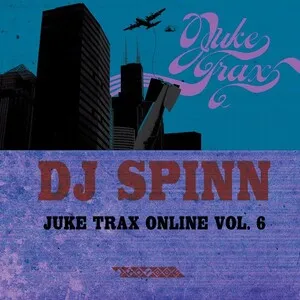
Juke Trax Online Vol. 6
DJ Spinn
Juke
Ghetto House
Footwork
Similar artists
2
/5
DJ Rashad
Footwork
Juke
Ghetto House
2
/5
Traxman
Footwork
Baltimore Club
Chicago House
1
/5
DJ Roc
Footwork
Baltimore Club
Chicago Drill
2
/5
DJ Swisha
Baltimore Club
Footwork
Grimewave
2
/5
DJ Manny
Footwork
Baltimore Club
Chicago House
1
/5
DJ Nate
Footwork
Chicago House
Electronic
1
/5
RP Boo
Footwork
Chicago House
Electronic
3
/5
Cajmere
Baltimore Club
Chicago House
Footwork
2
/5
DJ CAMGIRL
Footwork
Breakcore
Ghetto House
2
/5
HiTech
Ghettotech
Footwork
Detroit Sound
Download our mobile app
Get the Melodigging app and start digging for new genres on the go
Download on the App Store
Get it on Google Play
© 2026 Melodigging
Give feedback
Legal
Melodding was created as a tribute to
Every Noise at Once
, which inspired us to help curious minds keep digging into music's ever-evolving genres.