Genres
Artists
Albums
Make Music
Sign in
Sign in
Artists
Baltimore Club
Artists
Baltimore Club
DJ Swisha
2016–2025
·
5 albums
Listen
2
/5
Genres
Grimewave
Grimewave is a hybrid microgenre that fuses the cold, skippy rhythms and sub-bass pressure of UK grime with the cinematic, reverb-laden atmospheres of the modern “wave”/ambient-trap continuum. It typically runs at grime-leaning tempos but borrows the widescreen pads, washed-out textures, and melancholic tone of wave and witch house. Producers favor skeletal, syncopated drum programming, sine and Reese sub-basses, and minimal but striking motifs—glassy bells, detuned synth chords, and distant vocal chops—leaving space for mood and bass weight to carry the track. Some cuts remain instrumental; others invite sparse grime/UK rap flows, with verses delivered over half-time lurches and foggy, nocturnal soundscapes.
Discover
Listen
Detroit Sound
Detroit sound is a modern hip‑hop micro‑scene from Detroit, Michigan characterized by upbeat, bouncy 808 percussion; simple, funky mallet and bell loops, sparse keys or string stabs, and synth‑bass lines. Vocally, it foregrounds street‑centric subject matter delivered with a dry, often humorous, ultra‑direct punch‑in style—rappers record bar‑by‑bar so each line lands like a standalone quotable. The result is minimal, fast‑moving, and highly rhythmic rap that prizes timing, charisma, and wit over dense melodic hooks.
Discover
Listen
Modern Jungle
Modern jungle is a contemporary revival and development of early‑to‑mid 1990s jungle that combines classic breakbeat science with today’s production standards. Producers retain the genre’s signature rapid‑fire chopped breaks (most famously the Amen, Think, and Apache breaks), sub‑heavy basslines, and dubwise sample culture, but render them with cleaner low‑end, wider stereo imaging, and precise digital edits. Typically running between 160–170 BPM, modern jungle balances nostalgia for pirate‑radio energy and rave euphoria with forward‑looking ideas. It freely borrows from footwork and juke’s 160 BPM momentum, folds in dub and dancehall vocal snippets, and often pairs rugged drums with dreamy pads or ambient textures. The result is music that can feel both vintage and futuristic—raw, rolling, and eminently dance‑focused, yet detailed enough for close headphone listening.
Discover
Listen
Jersey Club
Jersey club is a high-energy, club-oriented dance music from Newark, New Jersey that evolved in the early 2000s. It is known for punchy three-kick patterns, chopped vocal stabs, stop‑and‑go drops, and a relentless, call‑and‑response party ethos. Typically around 130 BPM, the sound blends house and breakbeat drum programming with hip‑hop sampling aesthetics. Producers often flip R&B hooks, sprinkle in signature effects (notably the "bed squeak" timbre popularized in 2000s rap), and build arrangements around short, repeatable phrases designed for coordinated dance routines.
Discover
Listen
Uk Funky
UK funky is a London-born club style that fuses house music’s four-on-the-floor pulse with syncopated, Afro‑Caribbean percussion and a distinctly British bass sensibility. Usually sitting around 125–130 BPM, it favors swung, polyrhythmic drum patterns, rolling subs, and concise chord stabs over maximal, ravey textures. Vocals range from soulful, R&B‑leaning hooks to MC chants and call‑and‑response crowd shouts, keeping the dancefloor feel front and center. The result is a percussive, party‑focused sound that bridges house, UK garage, and African/Caribbean rhythmic DNA, while retaining DJ‑friendly structures and space for singers and MCs.
Discover
Listen
Baltimore Club
Baltimore club (often shortened to Bmore club) is a high‑energy, loop‑driven dance music that fuses the drum programming and four‑on‑the‑floor insistence of house with the chopped breaks, vocal call‑and‑response, and swagger of hip hop. Typically hovering around 125–135 BPM (most commonly ~130), it relies on hard, syncopated kick patterns, snappy snares and claps, and rapid‑fire sample edits. Iconic breaks like Lyn Collins’ "Think (About It)" and Gaz’s "Sing Sing" are frequently chopped into chant‑like hooks, while sirens, stabs, and party shouts drive its rowdy, club‑ready feel. Born in Baltimore’s DJ culture and perfected on local radio and dance floors, the style prioritizes movement and repetition—short phrases, big drums, and unforgettable vocal loops designed for instantaneous crowd response.
Discover
Listen
Footwork
Footwork (often called juke or Chicago juke) is a high‑velocity, sample‑driven form of electronic dance music that emerged from Chicago’s battle‑dance culture. Built around stuttering, off‑grid percussion at roughly 160 BPM, it uses chopped vocal snippets, booming sub‑bass, and rapid toms, claps, and snares arranged in highly syncopated patterns that are not locked to a constant 4/4 kick. Producers frequently slice fragments of rap, R&B, pop, and soul into call‑and‑response hooks that interact with dancers on the floor. The result is a tense, kinetic sound designed for competitive circles as much as for clubs and headphones.
Discover
Listen
Ghettotech
Ghettotech is a high‑velocity club style from Detroit that fuses the precision of Detroit techno and electro with the raw party energy of Miami bass, Chicago ghetto house, and hip hop. Typical tempos sit around 150–160 BPM, with clipped 808 drums, chattering hi‑hats, and razor‑sharp edits designed for rapid‑fire DJ mixing. Tracks are built from minimal loops, aggressive sub‑bass, and short, chant‑like vocals that are often sexually explicit and call‑and‑response in nature. The music leaves space for dancers—especially Detroit’s jit style—favoring functional, DJ‑tool arrangements, quick drops, and hard cuts over extended harmonic development. The overall effect is fast, body‑moving, and confrontational, optimized for packed, sweat‑soaked dance floors.
Discover
Listen
Ghetto House
Ghetto house (often called "booty house") is a raw, stripped‑down strain of Chicago house that foregrounds pounding 4/4 drums, simple basslines, and repetitive, chant‑like vocals. Tracks are purposely minimal, loop‑driven DJ tools designed for peak‑energy dancefloors. The style is known for its fast tempos, explicit party lyrics, and relentless percussion, typically built from classic drum machines. Its economy of elements and focus on groove make it both hypnotic and intensely physical, laying the groundwork for later Chicago styles like juke and footwork.
Discover
Listen
Juke
Juke is a fast, sample-driven club style from Chicago that runs around 150–160 BPM, built on jagged 808/909 drum programming, booming sub‑bass, and looped vocal chants. It keeps the raw, minimal, party‑starting energy of ghetto house but pushes the tempo and rhythmic syncopation much further. Tracks often rely on short, repetitive hooks and call‑and‑response phrases, claps on the backbeat, and tom/snare rolls that stutter and pivot around a steady 4/4 grid. Harmonic content is sparse—brief chord stabs, simple bass riffs, and plenty of negative space—so that dancers can lock into the drums. Juke is closely related to, and historically precedes, Chicago footwork; where juke is the more club‑aligned, chant‑heavy form, footwork became more abstract and battle‑oriented.
Discover
Listen
Jungle
Jungle is a UK-born electronic music style defined by rapid, chopped breakbeats, heavy sub‑bass, and a deep dialogue with Jamaican sound‑system culture. Typical tempos sit around 155–170 BPM, with intensely syncopated drum programming that flips funk and jazz breaks (especially the Amen, Think, and Apache breaks) into kinetic, polyrhythmic mosaics. Its sound palette blends dub’s bass weight and echo, reggae and dancehall vocal toasting, hip‑hop sampling aesthetics, and the rave/hardcore continuum’s rave stabs and euphoria. In contemporary usage, jungle is often grouped under the broader umbrella of drum and bass; historically it directly preceded and seeded mid‑1990s drum and bass and is frequently treated as an early substyle of DnB.
Discover
Listen
East Coast Club
East Coast Club is an umbrella term for interrelated, sample-driven club styles that emerged along the East Coast of the United States. Built on hard-hitting breakbeats and 808-heavy low end, it fuses Miami Bass-informed rhythms with the loop-based, chopped-vocal aesthetic of breakbeat and the raw, party-focused minimalism of ghetto house. Tracks typically sit around 130–140 BPM, use short, staccato drum patterns, and feature call-and-response chants or chopped R&B/rap a cappellas designed for crowd participation and dance battles. The term encompasses scenes such as Baltimore Club, Jersey Club (a.k.a. Brick City Club), and Philly Club, which share common DNA but have their own regional signatures (e.g., Baltimore’s “Sing Sing” break chops, Jersey’s triplet kick “kick-back” patterns and “bed squeak” motifs, and Philly’s rapid-fire, jittery edits).
Discover
Listen
Miami Bass
Miami bass is a high-energy, bass-forward hip hop and electro offshoot that emerged in South Florida during the mid-to-late 1980s. It is defined by booming TR-808 sub-bass, crisp handclaps and snares, uptempo breakbeats, and chant-like vocals that favor call-and-response hooks over dense lyricism. Often nicknamed "booty bass," the style prioritizes dancefloor function and car-audio impact, with many tracks effectively serving as "bass tests" for subwoofers. Melodic and harmonic elements are sparse and repetitive, while the rhythmic programming and low-end power drive the music’s party-centric atmosphere.
Discover
Listen
Breakbeat
Breakbeat is a broad branch of electronic music defined by its use of broken, syncopated drum patterns ("breakbeats") rather than straight four-on-the-floor rhythms. Producers typically build tracks from looped and chopped drum breaks—often sampled from vintage funk, jazz, and R&B recordings—layered with basslines, synths, and effects. As both a production technique and a stylistic umbrella, breakbeat underpins and intersects with many scenes: from old‑school hip‑hop turntablism and electro to the UK rave continuum (breakbeat hardcore, big beat, Florida breaks) and onward to garage-derived styles. While not synonymous with jungle and drum & bass, the same culture of sampling and chopping classic breaks (e.g., the Amen break) helped inform those genres as well.
Discover
Listen
Electronic
Electronic is a broad umbrella genre defined by the primary use of electronically generated or electronically processed sound. It encompasses music made with synthesizers, drum machines, samplers, computers, and studio/tape techniques, as well as electroacoustic manipulation of recorded or synthetic sources. The genre ranges from academic and experimental traditions to popular and dance-oriented forms. While its sonic palette is rooted in electricity and circuitry, its aesthetics span minimal and textural explorations, structured song forms, and beat-driven club permutations. Electronic emphasizes sound design, timbre, and studio-as-instrument practices as much as melody and harmony.
Discover
Listen
Show all 15 genres
Albums
2025
2
/5
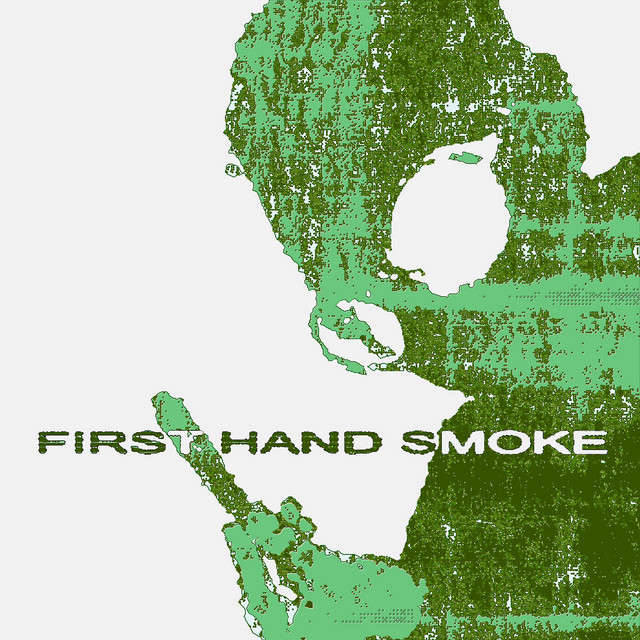
First Hand Smoke
DJ Swisha
Baltimore Club
East Coast Club
Ghettotech
2025
1
/5
SAY DET
DJ Swisha
Ghettotech
Grimewave
2017
1
/5
Losing Ur Mind
DJ Swisha
Ghettotech
Grimewave
2016
1
/5
JBW 2K16
Los & DJ Swisha
Juke
Ghetto House
Electronic
2016
1
/5
Perfecto
DJ Swisha
Juke
Ghetto House
Similar artists
2
/5
DJ Spinn
Footwork
Baltimore Club
Chicago House
2
/5
DJ Rashad
Footwork
Juke
Ghetto House
2
/5
Traxman
Footwork
Baltimore Club
Chicago House
2
/5
HiTech
Ghettotech
Footwork
Detroit Sound
2
/5
DJ Manny
Footwork
Baltimore Club
Chicago House
1
/5
DJ Roc
Footwork
Baltimore Club
Chicago Drill
2
/5
DJ Slugo
Ghettotech
Baltimore Club
Chicago House
2
/5
dj funk
Acid House
Baltimore Club
Chicago House
1
/5
DJ Paypal
Footwork
Ghetto House
Ghettotech
1
/5
Various Artists
Afro-Funk
Alternative Rock
Ambient
Download our mobile app
Get the Melodigging app and start digging for new genres on the go
Download on the App Store
Get it on Google Play
© 2026 Melodigging
Give feedback
Legal
Melodding was created as a tribute to
Every Noise at Once
, which inspired us to help curious minds keep digging into music's ever-evolving genres.