Genres
Artists
Albums
Make Music
Sign in
Sign in
Artists
Footwork
Artists
Footwork
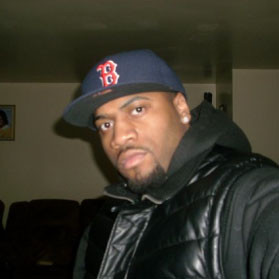
DJ Roc
2010
·
1 album
Listen
1
/5
Genres
Chicago Drill
Chicago drill is a subgenre of hip hop that emerged on the South Side of Chicago in the early 2010s. It is defined by menacing, minimal beats; booming, sliding 808 bass; ominous minor‑key synths, strings, and bell motifs; and a heavy half‑time feel. Vocals are often deadpan yet aggressive, with starkly realistic, nihilistic lyrics centered on street life, survival, and local rivalries. The sound coalesced around young artists and producers who leveraged YouTube and social media to circulate raw, self‑shot videos and breakthrough singles. The scene’s sonic hallmarks—triplet hi‑hat rolls, clipped snares, dark melodic loops, and ad‑lib heavy hooks—became highly influential, spreading far beyond Chicago and reshaping mainstream rap production in the 2010s.
Discover
Listen
Singeli
Singeli is a hyper-accelerated Tanzanian dance music and MC tradition that emerged in Dar es Salaam’s working-class neighborhoods in the mid‑2000s. Built on blisteringly fast drum programming—often between 180 and 300 BPM—it features shouted or rapped vocals in Swahili and street slang, rapid-fire call‑and‑response, and looped keyboard riffs or chopped samples. While it draws from local ngoma rhythms, mchiriku street styles, and the broader tarab/taarab lineage, singeli is its own distinctly Tanzanian sound rather than soukous or classical taarab. Performances are intensely kinetic: DJs trigger barrages of claps, toms, and snares while MCs hype the crowd, and dancers drive the energy with footwork and shoulder moves. The overall aesthetic is raw, DIY, and maximal, but also playful and community‑focused.
Discover
Listen
Footwork
Footwork (often called juke or Chicago juke) is a high‑velocity, sample‑driven form of electronic dance music that emerged from Chicago’s battle‑dance culture. Built around stuttering, off‑grid percussion at roughly 160 BPM, it uses chopped vocal snippets, booming sub‑bass, and rapid toms, claps, and snares arranged in highly syncopated patterns that are not locked to a constant 4/4 kick. Producers frequently slice fragments of rap, R&B, pop, and soul into call‑and‑response hooks that interact with dancers on the floor. The result is a tense, kinetic sound designed for competitive circles as much as for clubs and headphones.
Discover
Listen
Baltimore Club
Baltimore club (often shortened to Bmore club) is a high‑energy, loop‑driven dance music that fuses the drum programming and four‑on‑the‑floor insistence of house with the chopped breaks, vocal call‑and‑response, and swagger of hip hop. Typically hovering around 125–135 BPM (most commonly ~130), it relies on hard, syncopated kick patterns, snappy snares and claps, and rapid‑fire sample edits. Iconic breaks like Lyn Collins’ "Think (About It)" and Gaz’s "Sing Sing" are frequently chopped into chant‑like hooks, while sirens, stabs, and party shouts drive its rowdy, club‑ready feel. Born in Baltimore’s DJ culture and perfected on local radio and dance floors, the style prioritizes movement and repetition—short phrases, big drums, and unforgettable vocal loops designed for instantaneous crowd response.
Discover
Listen
Ghetto House
Ghetto house (often called "booty house") is a raw, stripped‑down strain of Chicago house that foregrounds pounding 4/4 drums, simple basslines, and repetitive, chant‑like vocals. Tracks are purposely minimal, loop‑driven DJ tools designed for peak‑energy dancefloors. The style is known for its fast tempos, explicit party lyrics, and relentless percussion, typically built from classic drum machines. Its economy of elements and focus on groove make it both hypnotic and intensely physical, laying the groundwork for later Chicago styles like juke and footwork.
Discover
Listen
Juke
Juke is a fast, sample-driven club style from Chicago that runs around 150–160 BPM, built on jagged 808/909 drum programming, booming sub‑bass, and looped vocal chants. It keeps the raw, minimal, party‑starting energy of ghetto house but pushes the tempo and rhythmic syncopation much further. Tracks often rely on short, repetitive hooks and call‑and‑response phrases, claps on the backbeat, and tom/snare rolls that stutter and pivot around a steady 4/4 grid. Harmonic content is sparse—brief chord stabs, simple bass riffs, and plenty of negative space—so that dancers can lock into the drums. Juke is closely related to, and historically precedes, Chicago footwork; where juke is the more club‑aligned, chant‑heavy form, footwork became more abstract and battle‑oriented.
Discover
Listen
Chicago House
Chicago house is the original strain of house music that emerged from Chicago’s club scene in the mid to late 1980s. Built around a four-on-the-floor kick, syncopated hi‑hats, handclaps, and looping basslines from affordable drum machines and synths, it translated the energy of disco and boogie into a raw, hypnotic, DJ‑friendly format. The sound was forged by resident DJs and producers associated with venues like The Warehouse, Music Box, and Power Plant, as they extended and reworked soulful, gospel-tinged dance records into long, functional grooves. Early Chicago house is often sparse and gritty—driven by TR‑808/909 patterns, piano stabs, deep pads, and call‑and‑response vocals—designed first and foremost for the dance floor.
Discover
Listen
Electronic
Electronic is a broad umbrella genre defined by the primary use of electronically generated or electronically processed sound. It encompasses music made with synthesizers, drum machines, samplers, computers, and studio/tape techniques, as well as electroacoustic manipulation of recorded or synthetic sources. The genre ranges from academic and experimental traditions to popular and dance-oriented forms. While its sonic palette is rooted in electricity and circuitry, its aesthetics span minimal and textural explorations, structured song forms, and beat-driven club permutations. Electronic emphasizes sound design, timbre, and studio-as-instrument practices as much as melody and harmony.
Discover
Listen
Show all 8 genres
Albums
2010
1
/5
The Crack Capone
DJ Roc
Ghetto House
Juke
Footwork
Similar artists
1
/5
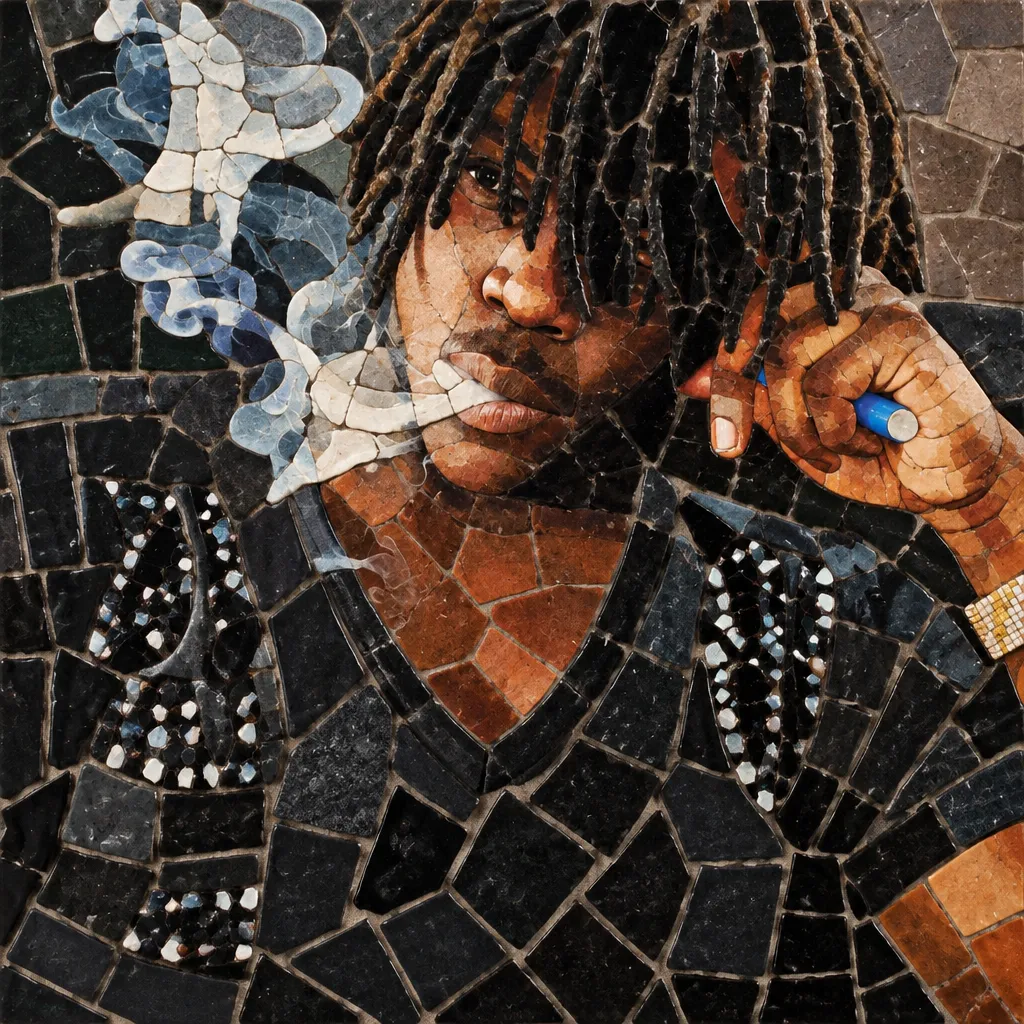
DJ Solo
Baltimore Club
Chicago Drill
Chicago House
1
/5
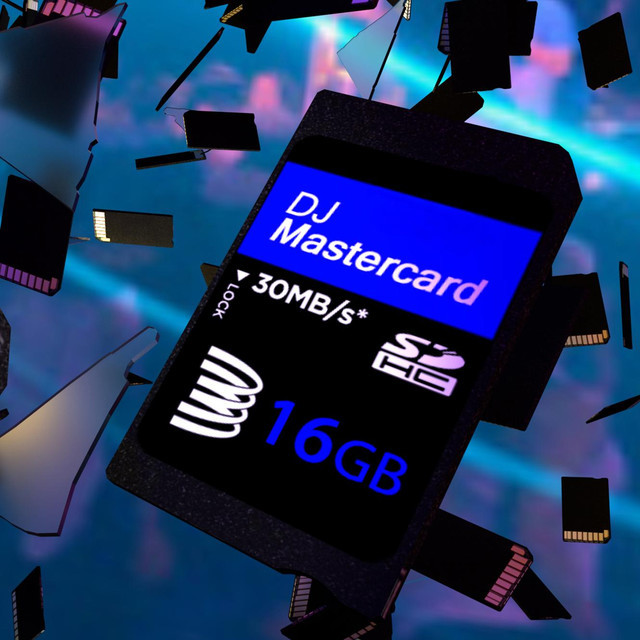
DJ Mastercard
Baltimore Club
Chicago House
Footwork
3
/5
Cajmere
Baltimore Club
Chicago House
Footwork
2
/5
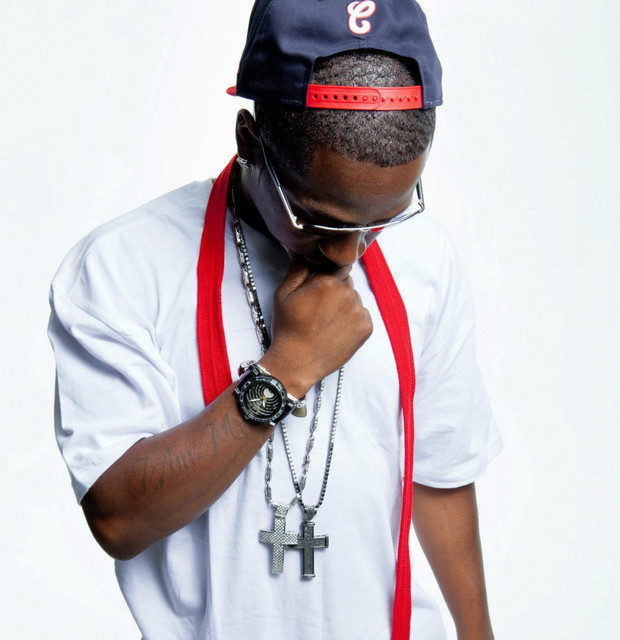
DJ Rashad
Footwork
Juke
Ghetto House
2
/5
DJ Spinn
Footwork
Baltimore Club
Chicago House
2
/5
DJ Manny
Footwork
Baltimore Club
Chicago House
2
/5
Traxman
Footwork
Baltimore Club
Chicago House
2
/5
username
Footwork
Baltimore Club
Chill Abstract Hip Hop
3
/5
Waxmaster
Baltimore Club
Chicago House
Footwork
2
/5
DJ Slugo
Ghettotech
Baltimore Club
Chicago House
Download our mobile app
Get the Melodigging app and start digging for new genres on the go
Download on the App Store
Get it on Google Play
© 2026 Melodigging
Give feedback
Legal
Melodding was created as a tribute to
Every Noise at Once
, which inspired us to help curious minds keep digging into music's ever-evolving genres.