Genres
Artists
Albums
Make Music
Sign in
Sign in
Artists
Baroque
Artists
Baroque
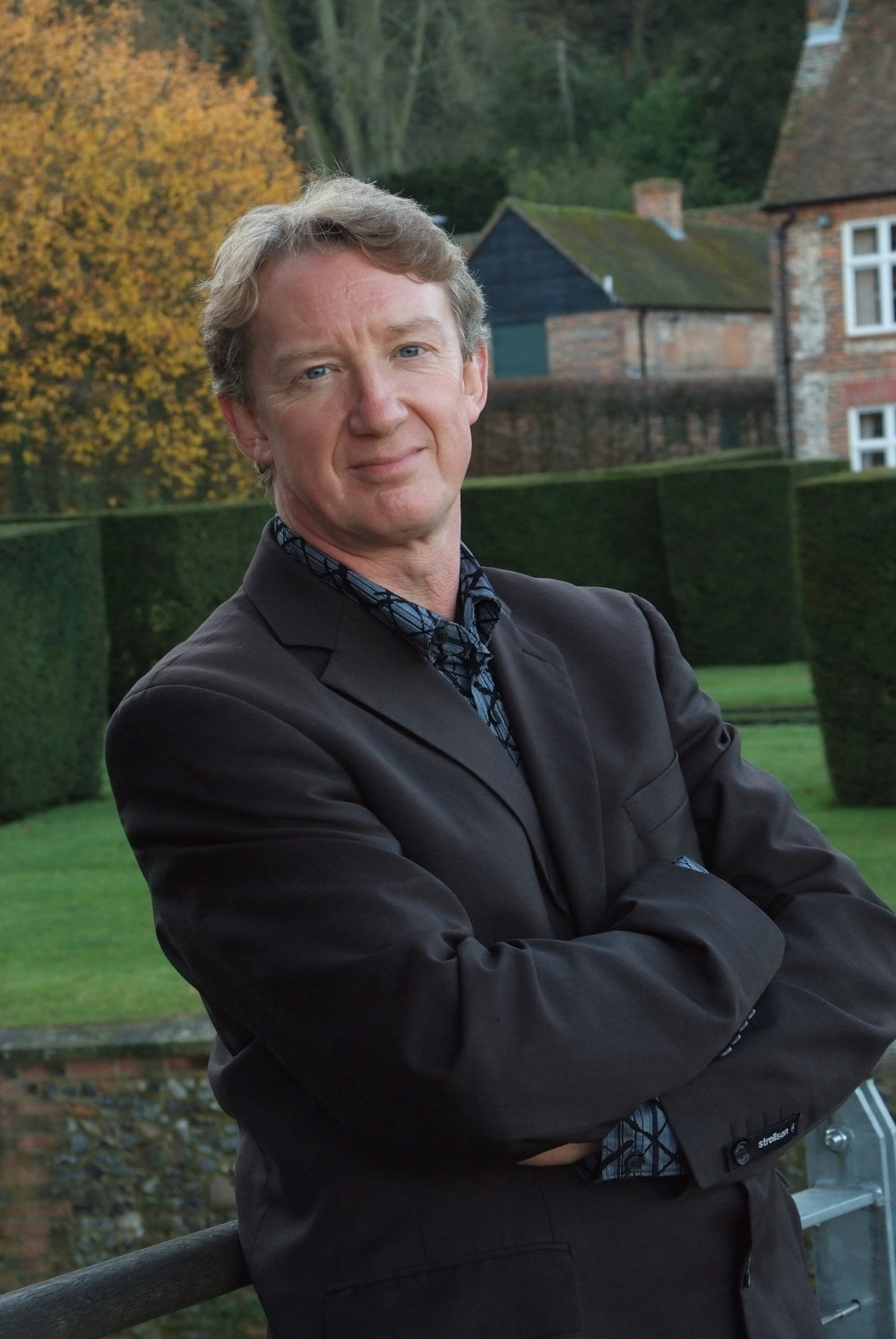
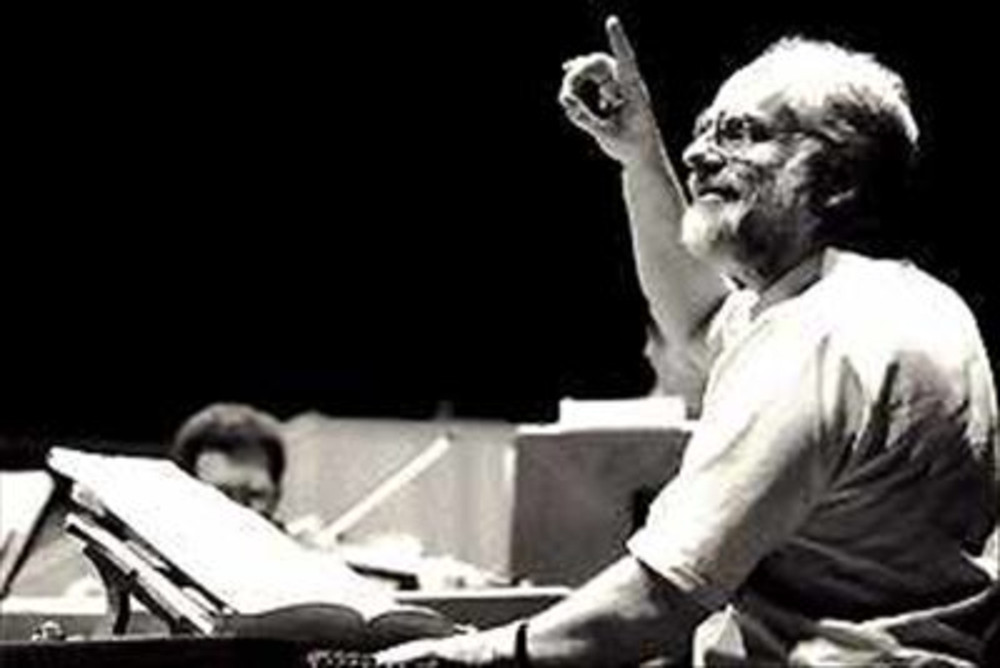
Douglas Boyd
2010
·
1 album
Listen
3
/5
Genres
Pet Calming
Pet calming is a functional micro‑genre designed to reduce stress and arousal in companion animals—primarily dogs and cats—during triggering situations such as owner absence, fireworks, vet visits, thunderstorms, or travel. Musically it favors very slow tempos, sparse arrangements, soft timbres (piano, pads, gentle strings, warm guitars), long sustains, smooth envelopes, and stable, consonant harmonies. Dynamics are kept narrow and transients are tamed to avoid startle responses. Many releases add gentle environmental ambiences (rain, ocean, rustling leaves) or unobtrusive pink/white‑noise beds to mask external sounds. Structures are highly repetitive with gradual variation so the soundscape feels predictable and safe. While aimed at non‑human listeners, the genre is informed by animal‑behavior findings (e.g., predictable low‑arousal sound reduces stress) and by human relaxation idioms (ambient, new age, lullaby). It is commonly delivered as long‑form, streaming‑friendly content that owners can loop for hours.
Discover
Listen
Classical Piano Trio
The classical piano trio is a chamber-music genre written for three performers: piano, violin, and cello. It typically balances lyrical string writing with a harmonically and rhythmically active piano part, moving beyond “keyboard with accompaniment” into true conversational chamber texture. The core repertoire is rooted in European art music and is most closely associated with the Classical and Romantic eras, though composers continue to write piano trios in modern and contemporary idioms. Standard works are usually multi-movement (often 3–4 movements) and use forms such as sonata form, theme and variations, scherzo/minuet, and rondo, while later works may use cyclic form, extended techniques, or post-tonal harmony.
Discover
Listen
Concerto
A concerto is a large-scale composition that sets one or more solo instruments in dynamic dialogue with an orchestra. Its core idea is contrast—between soloist and tutti—and the dramatic negotiation of power, color, and thematic responsibility. While Baroque concertos often relied on ritornello form, the Classical era standardized a three-movement plan (fast–slow–fast) with sonata principles in the opening movement. The Romantic period emphasized virtuosity and expressive foregrounding of the soloist, and the 20th–21st centuries broadened the palette with new instruments, harmonies, and formats. Across eras, the concerto remains a showcase for instrumental character, technical brilliance, and the art of orchestral conversation.
Discover
Listen
Baroque
Baroque is a period and style of Western art music spanning roughly 1600–1750. It is characterized by the birth of functional tonality, the widespread use of basso continuo (figured bass), and a love of contrast—between soloist and ensemble, loud and soft, and different timbres. Hallmark genres and forms of the era include opera, cantata, oratorio, concerto (especially the concerto grosso), dance suite, sonata, and fugue. Textures range from expressive monody to intricate counterpoint, and melodies are richly ornamented with trills, mordents, and appoggiaturas. Baroque music flourished in churches, courts, and theaters across Europe, with regional styles (Italian, French, German, English) shaping distinctive approaches to rhythm, dance, harmony, and ornamentation.
Discover
Listen
Chamber Music
Chamber music is a tradition of composed music for small ensembles—typically one player per part—intended for intimate spaces such as courts, salons, and private rooms rather than large public halls. Its aesthetic emphasizes clarity of texture, conversational interplay among parts, and balance without a conductor. Hallmark formations include the string quartet, piano trio, wind quintet, string quintet, and various mixed ensembles. Multi‑movement cycles (often in sonata form) and finely wrought counterpoint are common, ranging from Baroque trio sonatas to Classical string quartets and modern works with expanded timbres and techniques. Because of its scale and transparency, chamber music has long been a proving ground for compositional craft and ensemble musicianship, shaping the core of Western art music from the Baroque through the present.
Discover
Listen
Albums
2010
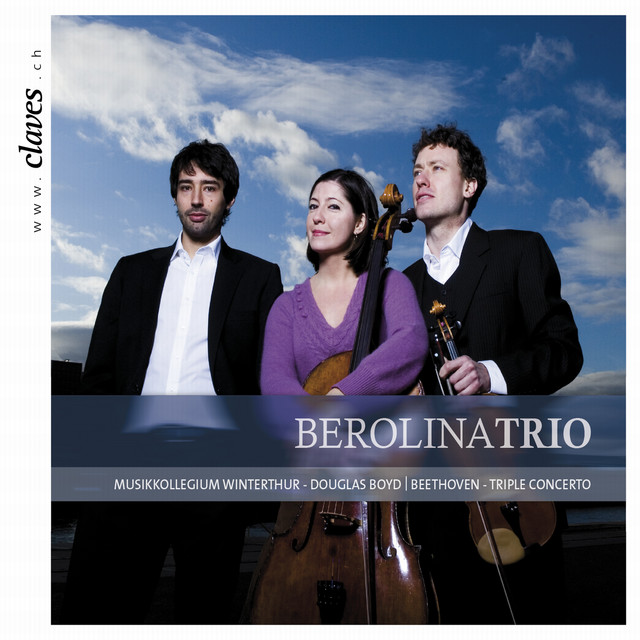
Beethoven: Triple Concerto, Op. 56 - The Creatures of Prometheus, Op. 43
Ludwig van Beethoven, Berolina Trio, Douglas Boyd, Musikkollegium Winterthur
Classical Piano Trio
Similar artists
4
/5
Johann Sebastian Bach
Baroque
Classical
Baroque Suite
4
/5
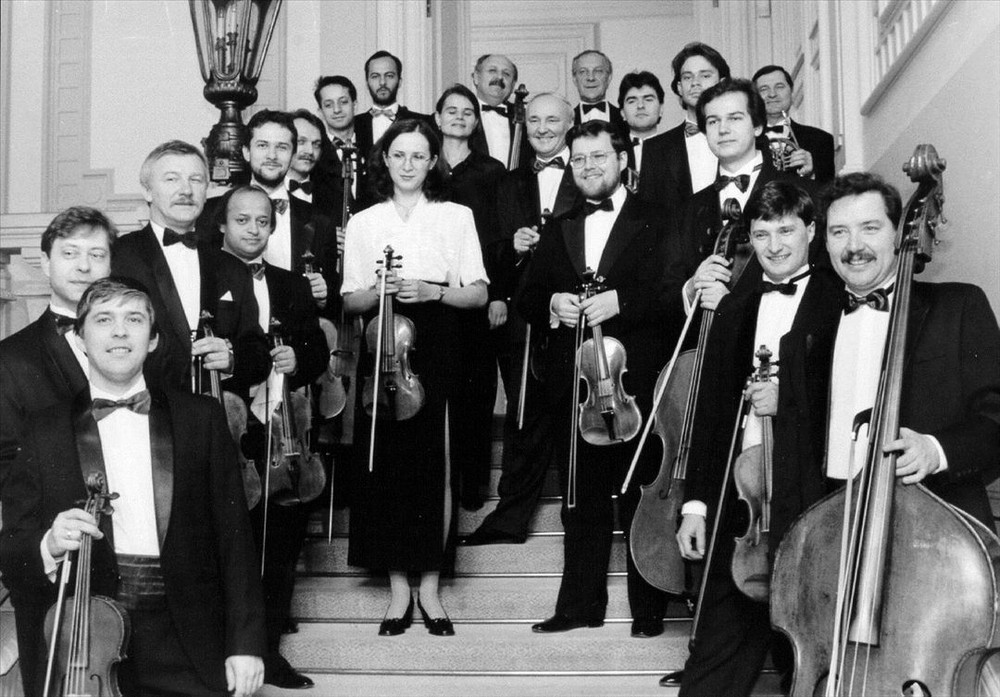
Academy of St. Martin in the Fields
Baroque
Classical
Classical Performance
4
/5
English Chamber Orchestra
Baroque
Classical
Concerto
4
/5
Capella Istropolitana
Classical
Chamber Orchestra
Orchestral
3
/5
Orpheus Chamber Orchestra
Baroque
Chamber Music
Classical
3
/5
Trevor Pinnock
Baroque
Concerto
Classical
3
/5
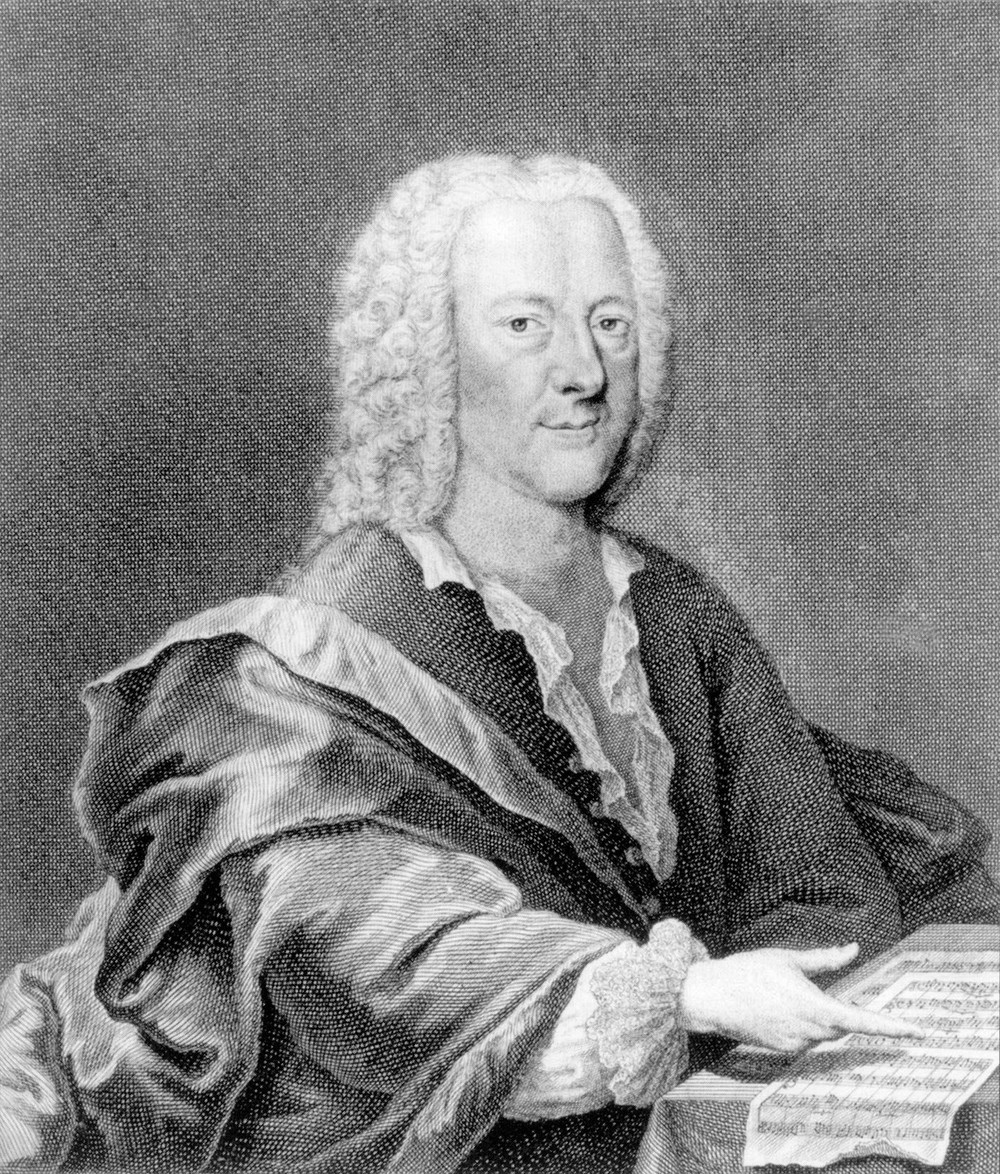
Georg Philipp Telemann
Baroque Woodwind
Fantasia
Recorder
3
/5
Ton Koopman
Chamber Music
Classical
Baroque
3
/5
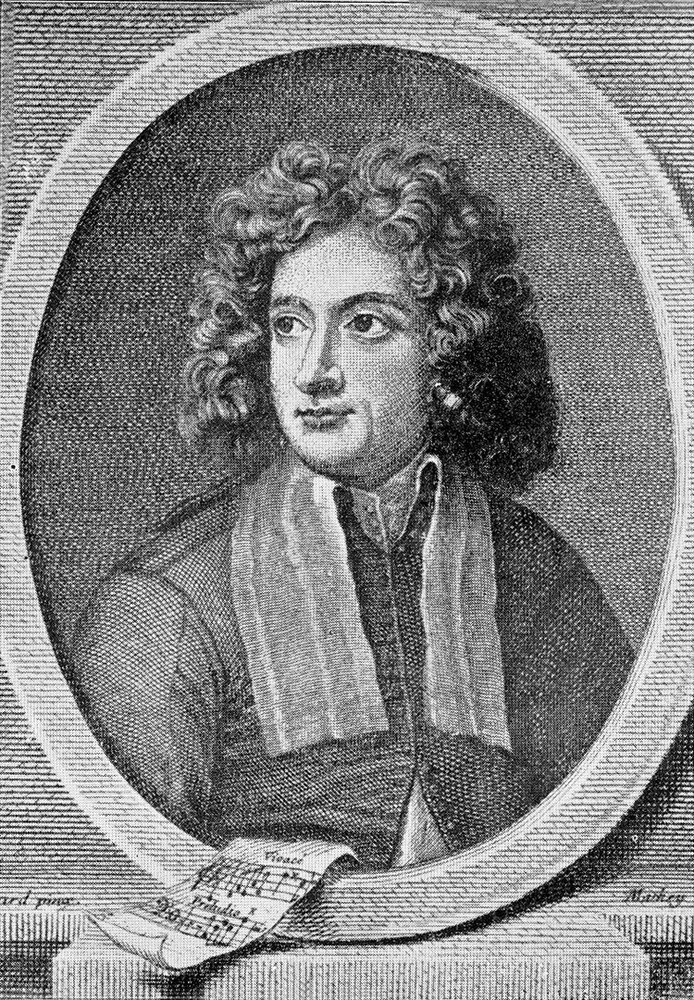
Arcangelo Corelli
Baroque
Baroque Violin
Classical
3
/5
Sinfonia Varsovia
Baroque
Chamber Music
Classical
Download our mobile app
Get the Melodigging app and start digging for new genres on the go
Download on the App Store
Get it on Google Play
© 2026 Melodigging
Give feedback
Legal
Melodding was created as a tribute to
Every Noise at Once
, which inspired us to help curious minds keep digging into music's ever-evolving genres.