Genres
Artists
Albums
Make Music
Sign in
Sign in
Artists
Space Age Pop
Artists
Space Age Pop
Dorothy Ashby
1968–1970
·
3 albums
Listen
3
/5
Genres
Chamber Psych
Chamber psych blends the intimate, acoustic instrumentation and careful arrangements of chamber pop with the hazy textures, tape-warm production, and surreal harmonies of psychedelic pop. Expect strings, woodwinds, vibraphone, Mellotron, and harpsichord to sit alongside vintage keyboards, gently motorik drums, and fluttering tape delays. Vocals are often close‑mic’d and breathy, melodies skew wistful or otherworldly, and songs privilege mood and arrangement craft over volume. The result feels simultaneously handcrafted and dreamlike: miniature orchestras scoring psychedelic reveries.
Discover
Listen
Souldies
Souldies is a modern revival of classic lowrider “oldies” soul—slow, tender ballads rooted in 1960s and early-’70s sweet soul and doo‑wop aesthetics, reimagined by a new generation of largely Chicano/Latinx artists in Southern California. Characterized by warm, analog-leaning production, mellow backbeats, honeyed vocal harmonies, and heart‑on‑sleeve lyricism, the style favors mid‑slow tempos, tape‑like saturation, spring/plate reverb, and minimalist yet expressive arrangements. English and Spanish (or Spanglish) lyrics often explore love, longing, devotion, and cruising/lowrider culture. Souldies sits at the intersection of classic soul, rhythm & blues, northern soul selections, and Latin soul, offering a contemporary, community‑centered sound that feels both timeless and newly personal.
Discover
Listen
Jazz-Funk
Jazz-funk is a groove-forward hybrid of jazz improvisation and harmony with the rhythmic drive and backbeat of funk. It features syncopated basslines, crisp drum patterns, and tight horn or keyboard riffs, often organized around vamping two- or four-bar progressions rather than complex chord changes. The sound is defined by electric instruments—Fender Rhodes, Clavinet, analog and early digital synthesizers, electric bass, and wah-inflected guitar—alongside punchy horn sections and extended solos. Compared to traditional jazz, the harmonic language is leaner but still rich, emphasizing 9ths, 11ths, 13ths, and modal centers (especially Dorian). The music aims for deep, danceable pocket, slick production, and a soulful, urban feel.
Discover
Listen
Funk
Funk is a rhythm-forward African American popular music style that centers on groove, syncopation, and interlocking parts. Rather than emphasizing complex chord progressions, funk builds tight, repetitive vamps that highlight the rhythm section and create an irresistible dance feel. The genre is marked by syncopated drum patterns, melodic yet percussive bass lines, choppy guitar "chanks," punchy horn stabs, call‑and‑response vocals, and a strong backbeat. Funk’s stripped-down harmony, prominent use of the one (accenting the downbeat), and polyrhythmic layering draw deeply from soul, rhythm and blues, jazz, gospel, and African rhythmic traditions. From James Brown’s late-1960s innovations through the expansive P-Funk universe and the slicker sounds of the 1970s and 1980s, funk has continually evolved while seeding countless other genres, from disco and hip hop to house and modern R&B.
Discover
Listen
Space Age Pop
Space age pop is a mid‑century style of highly produced “hi‑fi” lounge and easy listening that embraced postwar futurism, stereo spectacle, and exotic color. It blends plush orchestras, jazz harmonies, and Latin/"exotica" percussion with novel timbres such as vibraphone, celeste, theremin, ondes Martenot, and early electronic/echo effects. Arrangers focused on dazzling stereo staging, crisp percussion, and sparkling instrumental details meant to show off new home sound systems. Melodies are tuneful and sophisticated, harmonies are rich (9ths, 11ths, 13ths), and rhythms often draw from mambo, cha‑cha‑cha, and bossa‑tinged grooves. The mood ranges from dreamy and romantic to playful and futuristic—an aural image of the “Jet Age,” tiki bars, and optimistic science fiction.
Discover
Listen
Exotica
Exotica is a mid‑century style of mood music that blends jazz harmony, easy‑listening orchestration, and a collage of global percussion and timbral signifiers meant to evoke imaginary tropical, Polynesian, Asian, African, and Latin locales. Characterized by vibraphone and marimba leads, lush strings, woodwinds, wordless vocals, bird calls, gongs, and abundant reverberation, it creates a cinematic “armchair travel” experience. Rather than documenting specific traditions, exotica assembles stylized sound cues—Afro‑Cuban grooves, Polynesian drum patterns, pentatonic and whole‑tone colors—into atmospheric mini‑dramas. The genre flourished alongside postwar tiki culture and hi‑fi/stereo demonstrations, prioritizing vivid spatial staging and evocative orchestration over virtuoso soloing.
Discover
Listen
Easy Listening
Easy listening is a lush, melodic, and unobtrusive style of popular orchestral music designed to be pleasant in the foreground and effortless in the background. It favors smooth textures, lyrical melodies, and gentle rhythms over virtuosic display or dense complexity. Typical arrangements feature string sections, woodwinds, soft brass, vibraphone, harp, piano, subtle Latin or light swing percussion, and sometimes wordless choirs. Repertoire often consists of standards, film and television themes, and instrumental covers of contemporary hits, presented with polished studio production and wide stereo imaging. The mood ranges from romantic and sentimental to breezy and exotic, prioritizing warmth, clarity, and relaxed pacing. Improvisation, if present, is restrained, with harmony that leans on jazzy extensions while staying consonant and approachable.
Discover
Listen
Lounge
Lounge music is a style of easy listening designed to evoke a sense of place and atmosphere—tropical islands, jungles, elegant cocktail bars, or even outer space. It prizes a chilled, urbane mood achieved through light instrumentation, lush arrangements, and crooning or wordless vocals. Rooted in earlier light music and crooner traditions, classic lounge blossomed in the 1950s and 1960s alongside hi‑fi and stereo “space age” culture. It draws from Dixieland and small‑combo jazz, Latin dance rhythms (mambo, cha‑cha, bossa inflections), novelty/gimmick songs, and occasional experimental studio techniques. The spectrum ranges from exotica and beautiful‑music instrumentals to suave, jazzy vocal numbers—and in modern eras, it can intersect with downtempo and electronica while keeping its retro, escapist ambiance.
Discover
Listen
Soul Jazz
Soul jazz is a groove-forward branch of jazz that blends the improvisational language of hard bop with the churchy harmonies of gospel and the backbeat of rhythm & blues. It favors memorable riffs, earthy tones, and a strong, danceable pulse over dense harmonic complexity. Typical settings include Hammond B-3 organ trios (organ, guitar, drums) or small combos with saxophone or trumpet. Tunes often use blues forms, minor-key vamps, and gospel cadences, featuring call-and-response figures, pentatonic and blues-scale lines, and a relaxed but insistent pocket. The overall aesthetic is warm, direct, and soulful—equally at home in jazz clubs, lounges, and on the radio.
Discover
Listen
R&b
R&B (Rhythm and Blues) is a vocal- and groove-centered popular music tradition that blends blues tonality, jazz harmony, and gospel-inflected singing with a steady backbeat. It emphasizes expressive lead vocals, call-and-response, lush harmonies, and danceable rhythms. From its 1940s roots in African American communities to its later evolutions, R&B has continually absorbed and reshaped surrounding sounds—from jump blues and swing in the early days to soul, funk, hip hop, and electronic production in the contemporary era. Today, R&B ranges from intimate, slow-burning ballads to club-ready tracks, all tied together by a focus on feel, melody, and vocal performance.
Discover
Listen
Jazz
Jazz is an improvisation-centered music tradition that emerged from African American communities in the early 20th century. It blends blues feeling, ragtime syncopation, European harmonic practice, and brass band instrumentation into a flexible, conversational art. Defining features include swing rhythm (a triplet-based pulse), call-and-response phrasing, blue notes, and extended harmonies built on 7ths, 9ths, 11ths, and 13ths. Jazz is as much a way of making music—spontaneous interaction, variation, and personal sound—as it is a set of forms and tunes. Across its history, jazz has continually hybridized, from New Orleans ensembles and big-band swing to bebop, cool and hard bop, modal and free jazz, fusion, and contemporary cross-genre experiments. Its influence permeates global popular and art music.
Discover
Listen
Show all 11 genres
Albums
1970
3
/5
The Rubáiyát of Dorothy Ashby
Dorothy Ashby
Soul Jazz
1969
3
/5
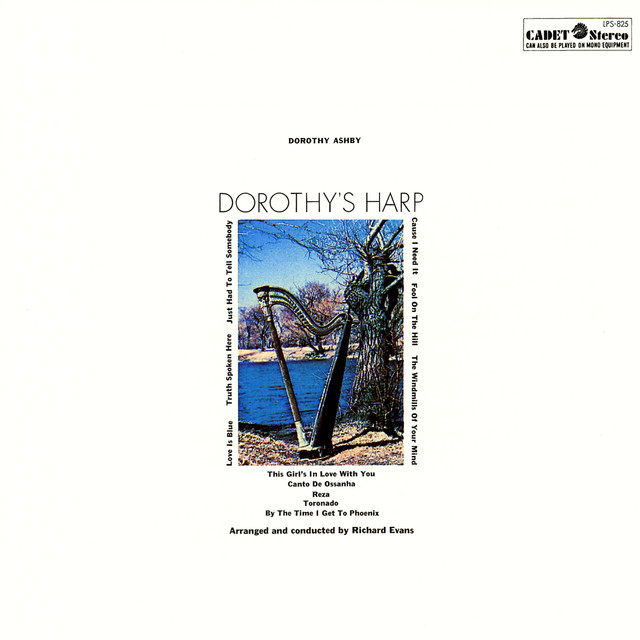
Dorothy's Harp
Dorothy Ashby
Space Age Pop
1968
3
/5
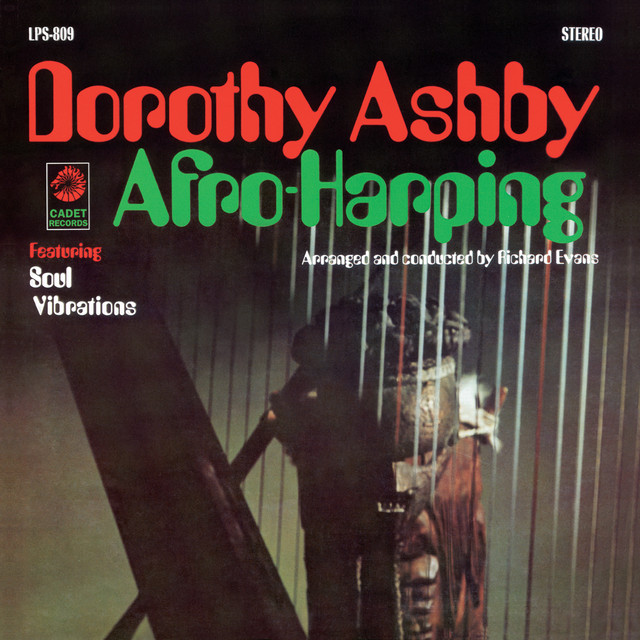
Afro-Harping
Dorothy Ashby
Lounge
Space Age Pop
Easy Listening
Similar artists
1
/5
Various Artists
Afro-Funk
Alternative Rock
Ambient
3
/5
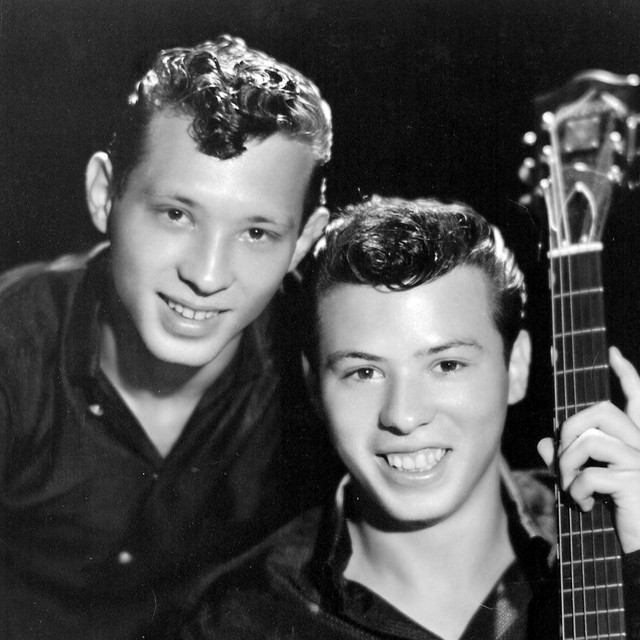
Santo & Johnny
Space Age Pop
Surf Rock
Exotica
3
/5
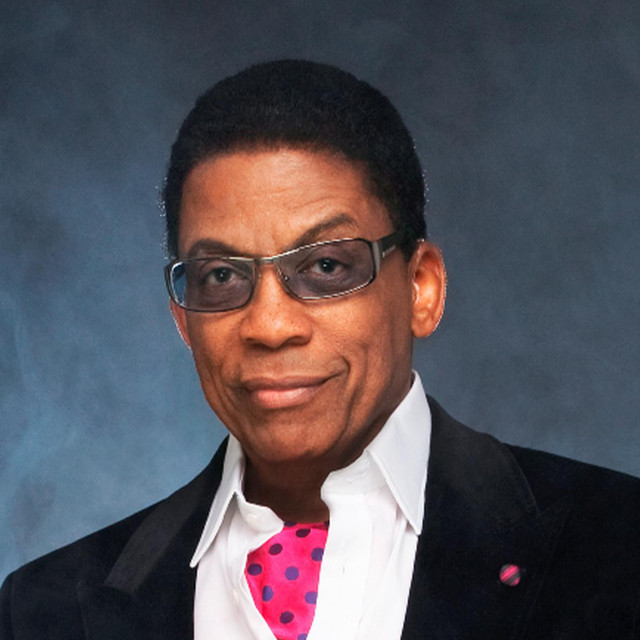
Herbie Hancock
Jazz
Jazz Fusion
Jazz-Funk
3
/5
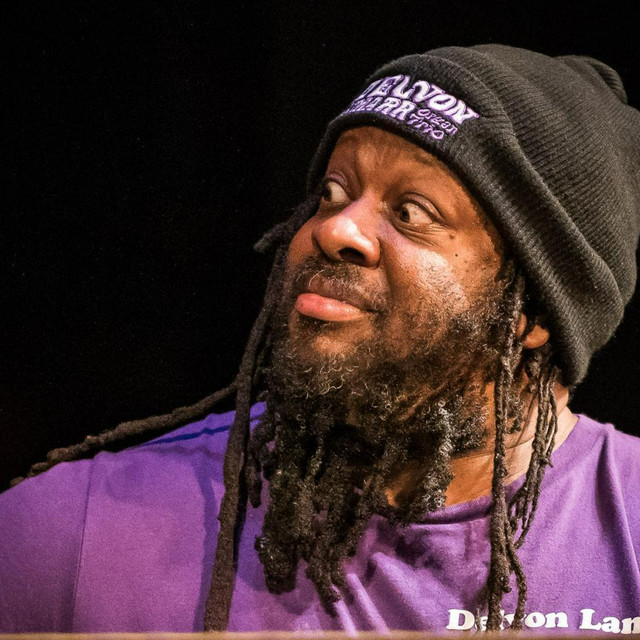
Delvon Lamarr Organ Trio
Funk
Instrumental Funk
Jazz-Funk
4
/5
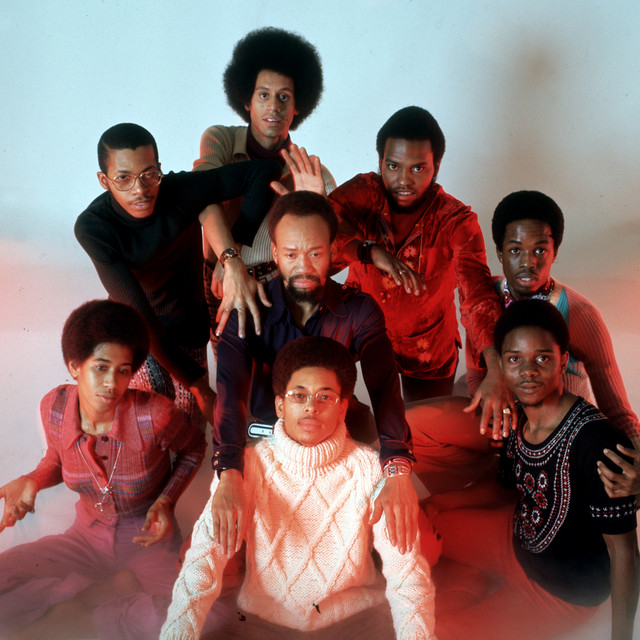
Earth, Wind & Fire
Disco
Funk
Soul
4
/5
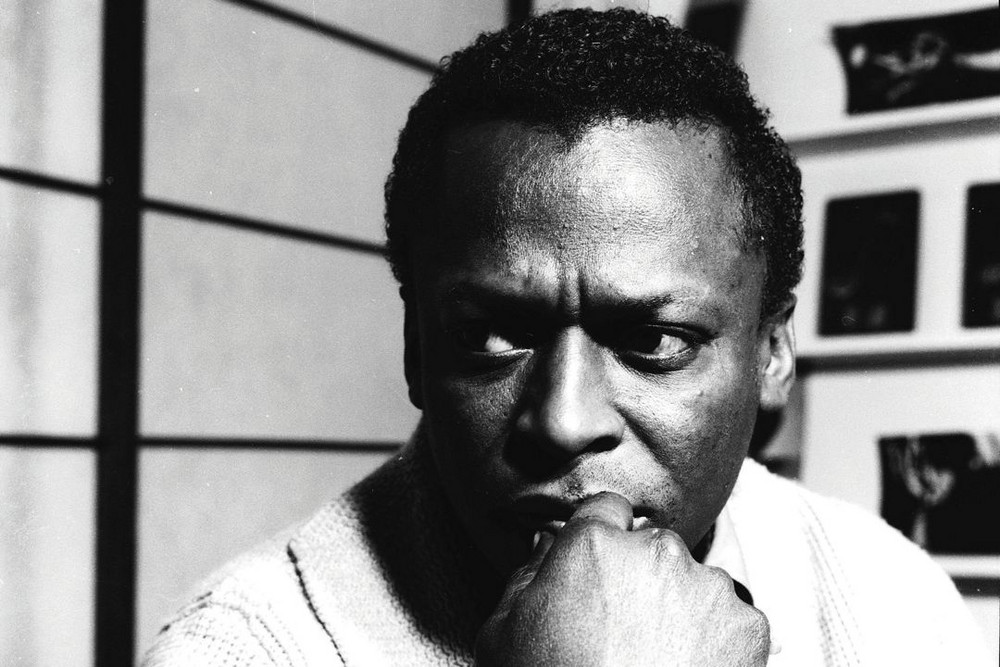
Miles Davis
Jazz
Jazz Fusion
Hard Bop
3
/5
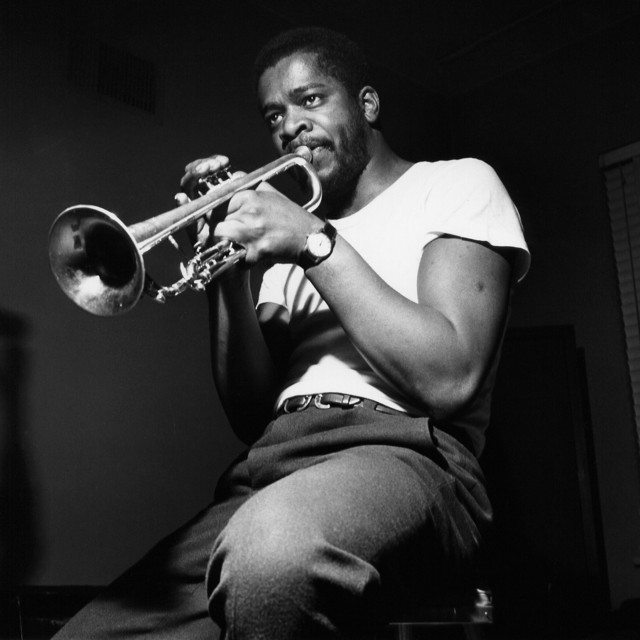
Donald Byrd
Jazz-Funk
Hard Bop
Soul Jazz
4
/5
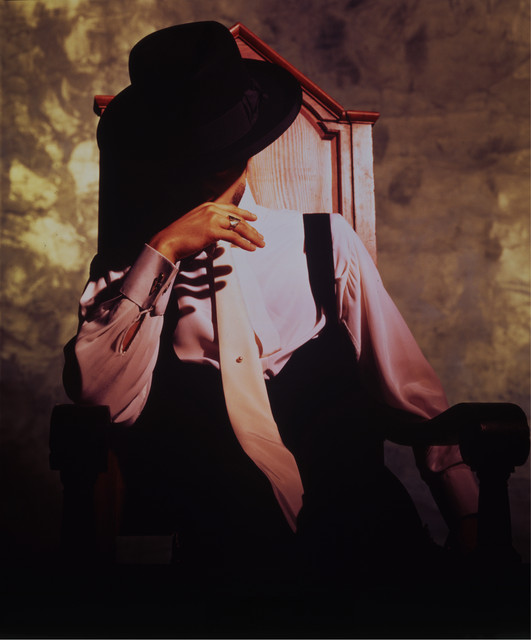
Prince
Funk
Minneapolis Sound
Synth Funk
4
/5
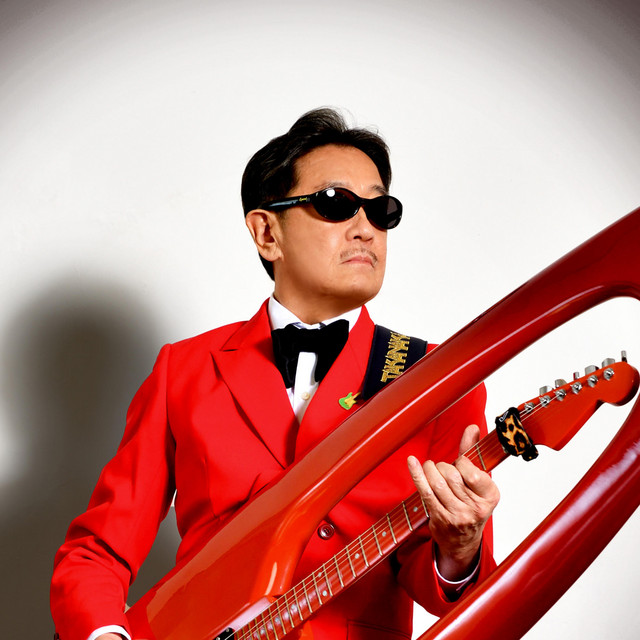
Masayoshi Takanaka
Jazz Fusion
Jazz-Funk
City Pop
3
/5
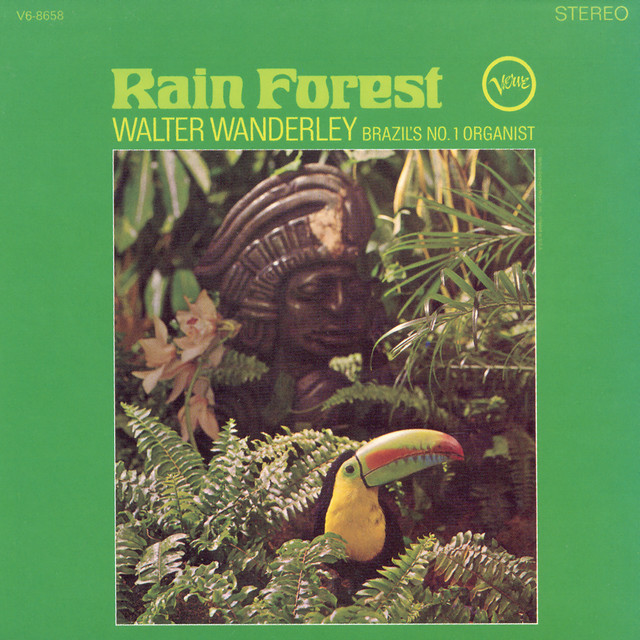
Walter Wanderley
Bossa Nova
Space Age Pop
Brazilian Jazz
Download our mobile app
Get the Melodigging app and start digging for new genres on the go
Download on the App Store
Get it on Google Play
© 2026 Melodigging
Give feedback
Legal
Melodding was created as a tribute to
Every Noise at Once
, which inspired us to help curious minds keep digging into music's ever-evolving genres.