Genres
Artists
Albums
Make Music
Sign in
Sign in
Artists
Americana
Artists
Americana
Calexico
2022
·
5 albums
Listen
3
/5
Genres
Chill Pop
Chill pop is a contemporary pop micro‑genre that blends radio‑friendly songwriting with the mellow textures of chillout and lo‑fi aesthetics. It favors soft vocals, smooth synths, clean guitar plucks, understated bass, and relaxed, mid‑tempo grooves. Instead of big, bombastic hooks, chill pop tends toward intimate, conversational melodies and minimal, airy arrangements. Production often borrows from bedroom pop and alternative R&B—subtle trap hi‑hats, warm saturation, roomy reverbs, and gentle side‑chain compression—to create a breezy, pastel sound palette well suited to playlists and late‑night listening. Lyrically, chill pop is introspective and relatable: romance, longing, gentle optimism, and coming‑of‑age themes delivered in a plain‑spoken, whisper‑close tone. The result sits between indie pop’s understated cool and mainstream pop’s catchy structures, optimized for the streaming era’s mood‑driven consumption.
Discover
Listen
Northern Gothic
Northern gothic is a modern recontextualization of gothic sensibility rooted in the post‑industrial landscapes, politics, and culture of 21st‑century Northern England. It blends post‑punk austerity, industrial and dark ambient textures, hauntological memory work, and stark folk storytelling. The sound often evokes mills, moorland, sea ports, terraces, and cooling towers—spaces marked by deindustrialization—through tape patina, reverberant spaces, modular drones, and vernacular narratives. Compared with classic goth, it is less theatrical and more documentary or folkloric in tone, prioritizing regional specificity, minimalism, and social realism.
Discover
Listen
Uk Americana
UK Americana is the British take on Americana’s blend of country, folk, blues, and roots rock, filtered through a distinctly UK songwriting sensibility. It keeps the genre’s hallmarks—acoustic-forward arrangements, road-worn storytelling, and organic, live-in-the-room production—while drawing on the British folk tradition’s modal colors, fingerstyle guitar, and understated vocal delivery. In practice, UK Americana favors close vocal harmonies, pedal steel or fiddle ornamentation, and rhythm sections that swing gently between train beats, shuffles, and waltzes. Lyrically it often exchanges American place-names and frontier mythos for British imagery—motorways, coastlines, terraced streets, and pub corners—creating songs that feel rooted, reflective, and quietly anthemic.
Discover
Listen
New Isolationism
New isolationism is a contemporary strain of isolationist ambient and post-industrial minimalism that emerged in the 2010s, particularly around Scandinavian experimental labels and studios. It foregrounds intimate, close-mic’d sound, negative space, and a quiet-but-present noise floor; its pieces feel both internal and architectural, like rooms built from reverb tails, tape hiss, and soft electronics. Sonically, the style blends glacial drones, fragile chamber timbres (strings, organ, piano), lo‑fi electronics, and field recordings into stark, slow-evolving tableaux. Melodic information is sparse—often only a few tones or gestures—while rhythm is either absent or reduced to distant pulses, heartbeats, or mechanical cycles. Vocals, when they appear, are murmured, diaristic, or abstracted by pitch and time manipulation. Aesthetically, new isolationism is post‑internet and diaristic: it captures solitude, memory, and dislocation with a palette that feels personal yet estranged, drawing as much from contemporary gallery sound practice as from classic dark ambient.
Discover
Listen
Indie Folk
Indie folk blends the DIY ethos and sonic aesthetics of independent rock with the acoustic instrumentation, intimate storytelling, and melodic simplicity of traditional folk. Timbres are typically warm and organic—fingerpicked acoustic guitars, close-mic’d vocals, subtle percussion, and spare ornamentation from banjo, mandolin, harmonium, or strings. Production often favors natural room ambiance, tape hiss, and gentle compression over glossy polish, creating a sense of proximity and emotional candor. Lyrically, the style is reflective and poetic, focusing on personal narratives, place, nature, spirituality, and memory. Harmony tends to be diatonic and modal, with drones, open tunings, and layered vocal harmonies adding depth. While understated, arrangements can scale into lush, choir-like textures and chamber-folk swells, balancing fragility with grandeur.
Discover
Listen
Americana
Americana is a contemporary umbrella term for U.S. roots music that blends folk, country, blues, bluegrass, gospel, and roots rock into a songwriter-centered, largely acoustic-leaning sound. Hallmarks include story-driven lyrics; warm, organic production; and traditional instrumentation such as acoustic guitar, mandolin, banjo, fiddle, harmonica, pedal steel, upright or electric bass, and restrained drums. Rhythms often draw on the train beat, shuffles, two-step, waltz time, and relaxed backbeats. Harmonically it favors diatonic progressions (I–IV–V, I–vi–IV–V), modal tinges (Mixolydian), and close vocal harmonies. Rather than a rigid style, Americana functions as a bridge among related roots traditions, emphasizing authenticity, regional imagery, and narrative songwriting over genre flashiness.
Discover
Listen
Alternative Country
Alternative country (often shortened to alt-country) is a roots-oriented offshoot of country that blends the storytelling, twang, and acoustic instrumentation of classic country with the attitude, DIY ethos, and sonic grit of indie rock and punk. It arose as a reaction to the glossy production and commercial polish of mainstream Nashville in the late 1980s and 1990s. Hallmarks include weathered vocals, prominent acoustic and electric guitars (often with pedal steel), unfussy rhythm sections, and lyrics that foreground realism, heartbreak, working-class lives, and wandering souls. Production tends to be raw and unvarnished, favoring live-in-the-room feel over studio sheen. The result is music that sits comfortably between country, folk, and rock while retaining the emotional directness of traditional country.
Discover
Listen
Indie Rock
Indie rock is a subgenre of rock and a branch of alternative rock that coalesced in the early–mid 1980s around independent labels and DIY practices in the United Kingdom, the United States, and New Zealand. Defined less by a single sound than by an ethos, indie rock favors non‑mainstream approaches, self‑recording and small‑label distribution, and an interest in pop‑informed melody and eclectic experimentation. Hallmarks include jangly or fuzzed guitars, intimate or deadpan vocals, off‑kilter song structures, and production that often preserves a raw, “authentic” feel rather than glossy studio polish.
Discover
Listen
Roots Rock
Roots rock is a back-to-basics strain of rock music that reconnects the electric band format with its foundational American roots in blues, country, folk, rhythm & blues, and early rock and roll. It favors sturdy songcraft, earthy timbres, and groove over studio gloss—think twangy or gritty guitars, Hammond organ or piano, a steady backbeat, and plainspoken, story-driven lyrics. The style often carries a "live-in-the-room" feel, medium tempos, and blues-based progressions, evoking bar bands, roadhouses, and rural imagery. Rather than chasing cutting-edge production or virtuosic excess, roots rock emphasizes feel, narrative, and tradition—bridging the immediacy of rock with the storytelling of folk and country and the emotional bite of the blues.
Discover
Listen
Folk Rock
Folk rock is a fusion genre that blends the narrative lyricism, modal melodies, and acoustic timbres of traditional folk with the backbeat, amplification, and song structures of rock. It typically pairs acoustic or traditional instruments (acoustic guitar, mandolin, fiddle) with a rock rhythm section (electric guitar, bass, drums), often featuring chiming 12‑string guitar textures, close vocal harmonies, and socially conscious or storytelling lyrics. The result ranges from intimate, reflective ballads with a steady backbeat to more anthemic, roots‑driven rock. Emerging in the mid‑1960s through artists such as Bob Dylan and The Byrds, folk rock became a gateway for traditional and roots materials to enter mainstream popular music, and it seeded later movements from country rock and Americana to jangle pop and modern indie folk.
Discover
Listen
Tex-Mex
Tex-Mex is a borderland fusion that blends Mexican conjunto and norteño traditions with U.S. country, rock and roll, and blues. Its signature sound revolves around the diatonic button accordion leading catchy melodies over the strummed/bass-walking bajo sexto, with electric bass and drums locking in an "oom‑pah" polka or a lilting waltz. The genre emerged in Texas border communities, absorbing German and Czech dance rhythms (polka, schottische, waltz) while adopting American honky‑tonk, rock backbeats, and blues guitar licks. Songs often mix Spanish and English (Spanglish), highlighting stories of love, migration, work, and pride in Tejano/Mexican American identity. Compared with glossy 1980s+ Tejano pop, Tex‑Mex typically stays more rootsy and accordion‑driven, though many artists move fluidly between the two.
Discover
Listen
Rock
Rock is a broad family of popular music centered on amplified instruments, a strong backbeat, and song forms that foreground riffs, choruses, and anthemic hooks. Emerging from mid‑20th‑century American styles like rhythm & blues, country, and gospel-inflected rock and roll, rock quickly expanded in scope—absorbing folk, blues, and psychedelic ideas—while shaping global youth culture. Core sonic markers include electric guitar (often overdriven), electric bass, drum kit emphasizing beats 2 and 4, and emotive lead vocals. Rock songs commonly use verse–chorus structures, blues-derived harmony, and memorable melodic motifs, ranging from intimate ballads to high‑energy, stadium‑sized performances.
Discover
Listen
Tejano
Tejano (also called Tex‑Mex music) is a Mexican‑American popular style that blends the conjunto and norteño ensemble tradition with European dance rhythms (polka, schottische, waltz) and U.S. popular genres such as country, blues, funk, and rock. At its core are the accordion and bajo sexto, supported by electric bass and drum kit. Two main ensemble lineages coexist: the conjunto/accordion format and the orquesta Tejana format with saxophones and trumpets. Since the late 1970s, keyboards and synthesizers have been central to the "modern" Tejano sound, while cumbia, ballad, and two‑step grooves broaden its dance palette. Lyrics are typically in Spanish (often bilingual), centering on love, border life, working‑class pride, and festive social dance. The result is a dance‑forward, catchy, and distinctly borderlands music that feels at once Mexican in roots and American in production and stylistic openness.
Discover
Listen
Folk
Folk is a song-centered acoustic tradition rooted in community storytelling, everyday life, and social history. It emphasizes clear melodies, simple harmonies, and lyrics that foreground narrative, protest, and personal testimony. As a modern recorded genre, folk coalesced in the early-to-mid 20th century in the United States out of older ballad, work song, and rural dance traditions. It typically features acoustic instruments (guitar, banjo, fiddle, mandolin, harmonica), strophic song forms, and participatory singing (choruses, call-and-response).
Discover
Listen
Country
Country is a roots-based popular music from the rural American South that blends Anglo-Celtic ballad traditions with African American blues, gospel, and string-band dance music. It is characterized by narrative songwriting, plainspoken vocals with regional twang, and a palette of acoustic and electric instruments such as acoustic guitar, fiddle, banjo, pedal steel, and telecaster guitar. Rhythmically it favors two-step feels, train beats, shuffles, and waltzes, while harmony is largely diatonic (I–IV–V) with occasional country chromaticism and secondary dominants. Across a century, country has evolved through substyles like honky-tonk, the Nashville and Bakersfield sounds, outlaw country, neotraditionalist revivals, pop-country, and country-rap hybrids, but it consistently prioritizes storytelling about everyday life, love, work, faith, place, and identity.
Discover
Listen
Show all 15 genres
Albums
2022
2
/5
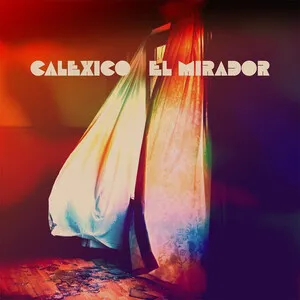
El mirador
Calexico
Tejano
Americana
Folk
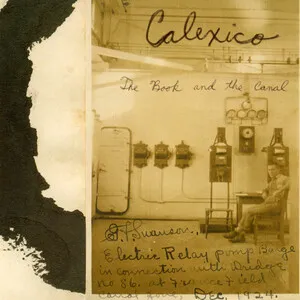
The Book and the Canal
Calexico
Tex-Mex
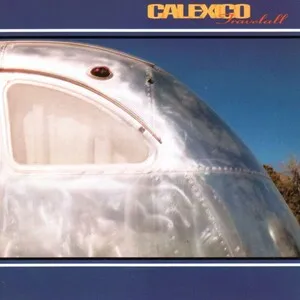
Travelall
Calexico
Tex-Mex
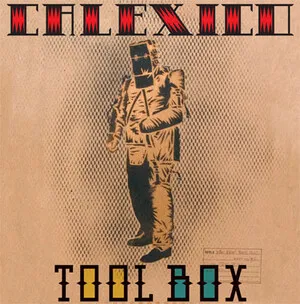
Tool Box
Calexico
Tex-Mex
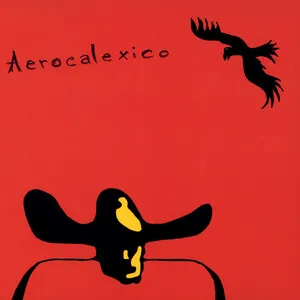
Aerocalexico
Calexico
Tex-Mex
Similar artists
4
/5
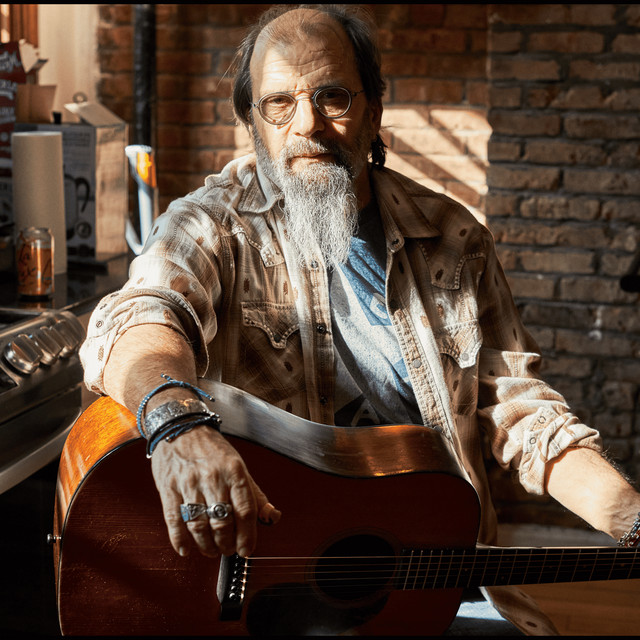
Steve Earle
Country Rock
Alternative Country
Americana
4
/5
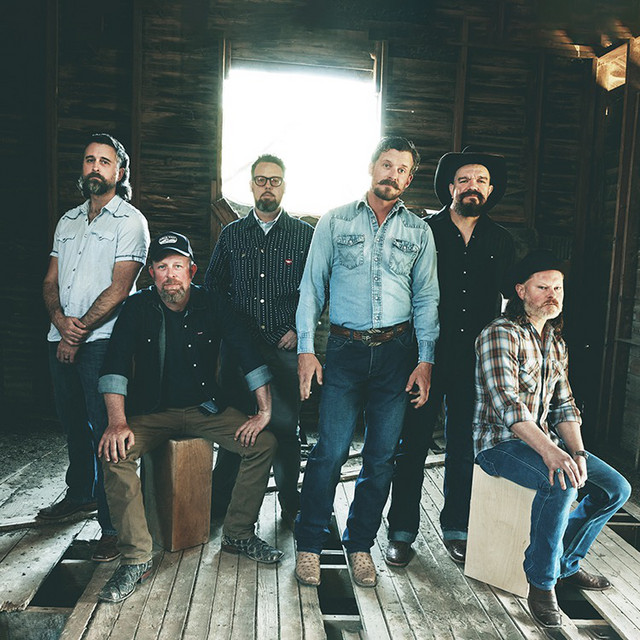
Turnpike Troubadours
Red Dirt
Americana
Country
4
/5
Wilco
Alternative Country
Roots Rock
Americana
3
/5
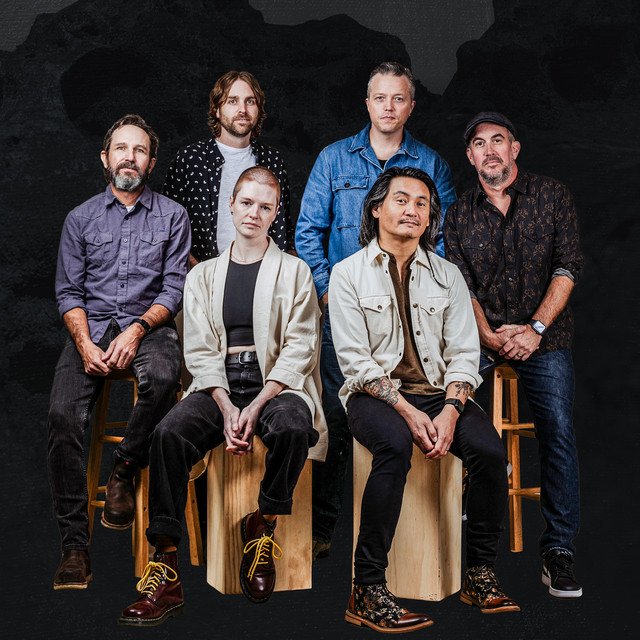
Jason Isbell and the 400 Unit
Alternative Country
Americana
Modern Indie Folk
3
/5
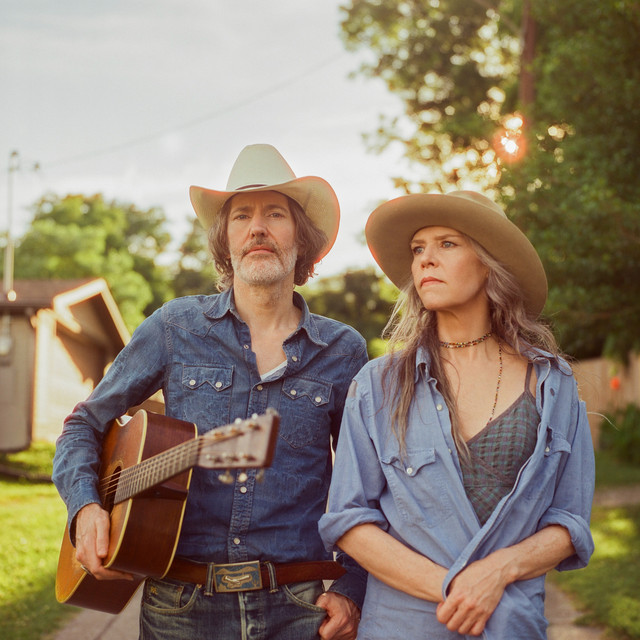
Gillian Welch
Americana
Folk
Country Folk
3
/5
Neko Case
Alternative Country
Americana
Ectofolk
3
/5
The Jayhawks
Americana
Country Rock
Alternative Country
3
/5
Uncle Tupelo
Americana
Country Rock
Northern Gothic
2
/5
Amythyst Kiah
Gothic Americana
Queer Country
Americana
5
/5
Zach Bryan
Country
Red Dirt
Singer-Songwriter
Download our mobile app
Get the Melodigging app and start digging for new genres on the go
Download on the App Store
Get it on Google Play
© 2026 Melodigging
Give feedback
Legal
Melodding was created as a tribute to
Every Noise at Once
, which inspired us to help curious minds keep digging into music's ever-evolving genres.