Genres
Artists
Albums
Make Music
Sign in
Sign in
Artists
Gothic Americana
Artists
Gothic Americana
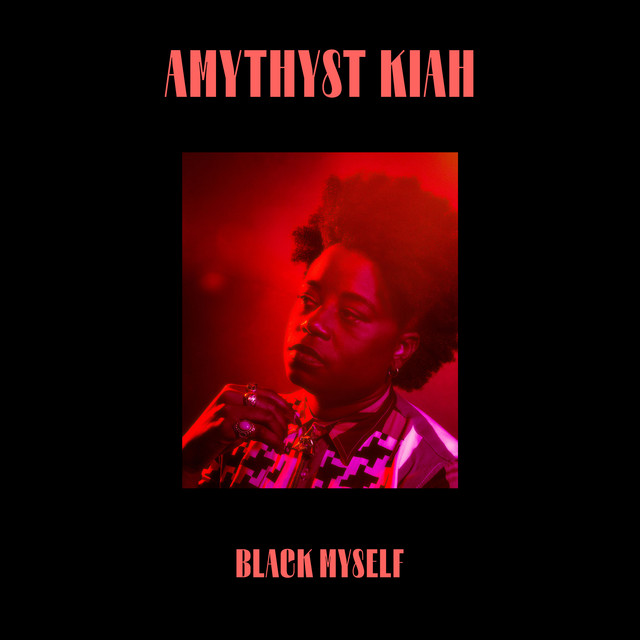
Amythyst Kiah
2021–2024
·
10 albums
Listen
2
/5
Genres
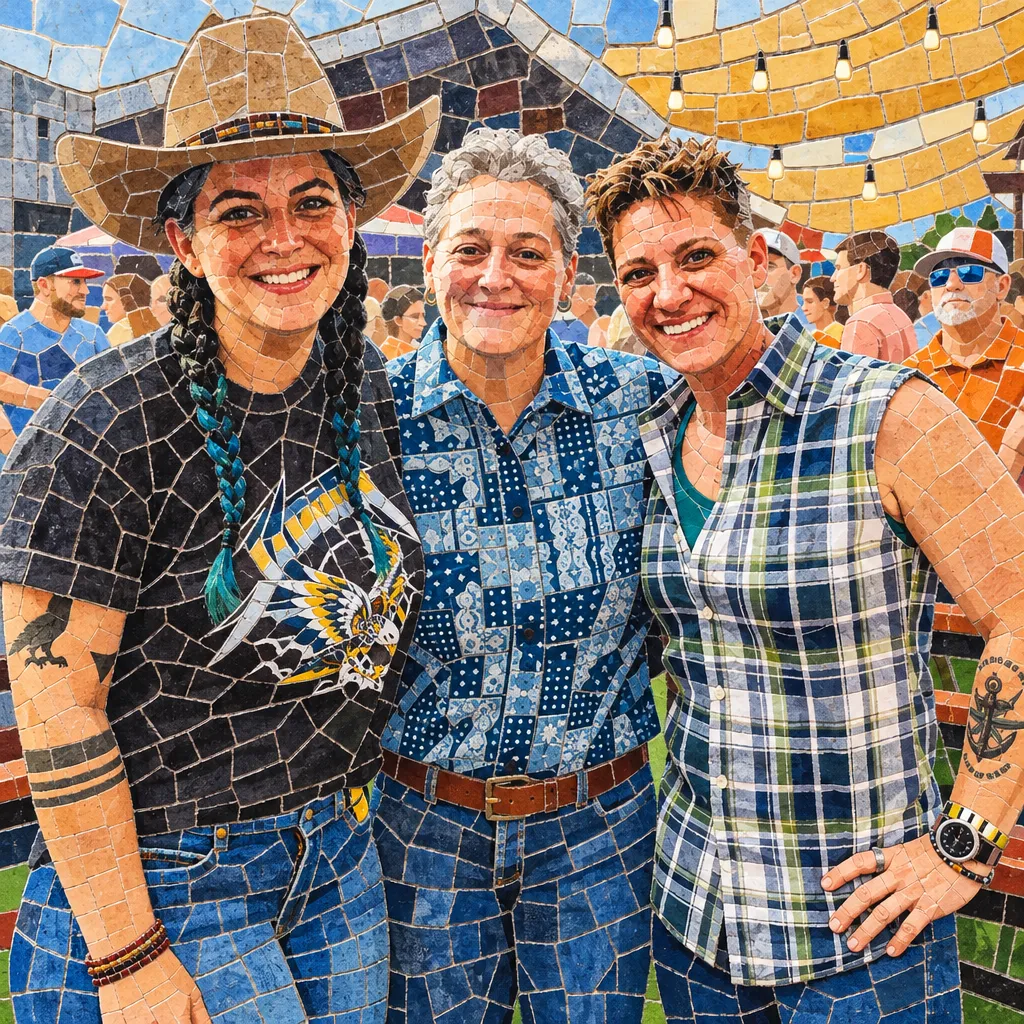
Queer Country
Queer country is a contemporary movement within country and Americana that centers LGBTQ+ voices, stories, and aesthetics while keeping strong ties to classic country songwriting, instrumentation, and vocal styles. Musically, it often draws from traditional country, outlaw country, honky-tonk, and folk-country, but its defining feature is lyrical perspective: songs about queer love, gender expression, chosen family, rural/working-class life, and the tension between tradition and belonging. Rather than being a single fixed sound, queer country is best understood as a scene and cultural re-framing of country music—one that challenges the genre’s historic heteronormativity while celebrating its narrative power and community roots.
Discover
Listen
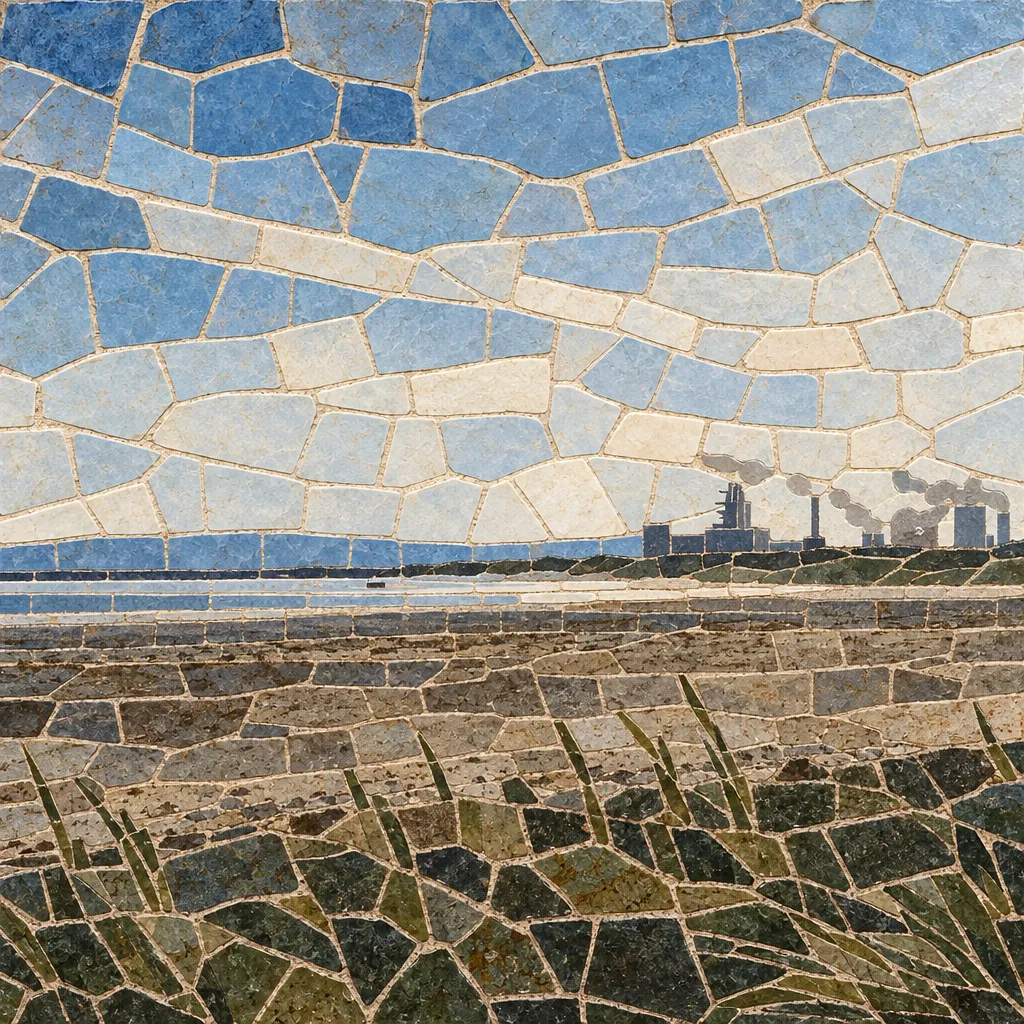
Northern Gothic
Northern gothic is a modern recontextualization of gothic sensibility rooted in the post‑industrial landscapes, politics, and culture of 21st‑century Northern England. It blends post‑punk austerity, industrial and dark ambient textures, hauntological memory work, and stark folk storytelling. The sound often evokes mills, moorland, sea ports, terraces, and cooling towers—spaces marked by deindustrialization—through tape patina, reverberant spaces, modular drones, and vernacular narratives. Compared with classic goth, it is less theatrical and more documentary or folkloric in tone, prioritizing regional specificity, minimalism, and social realism.
Discover
Listen
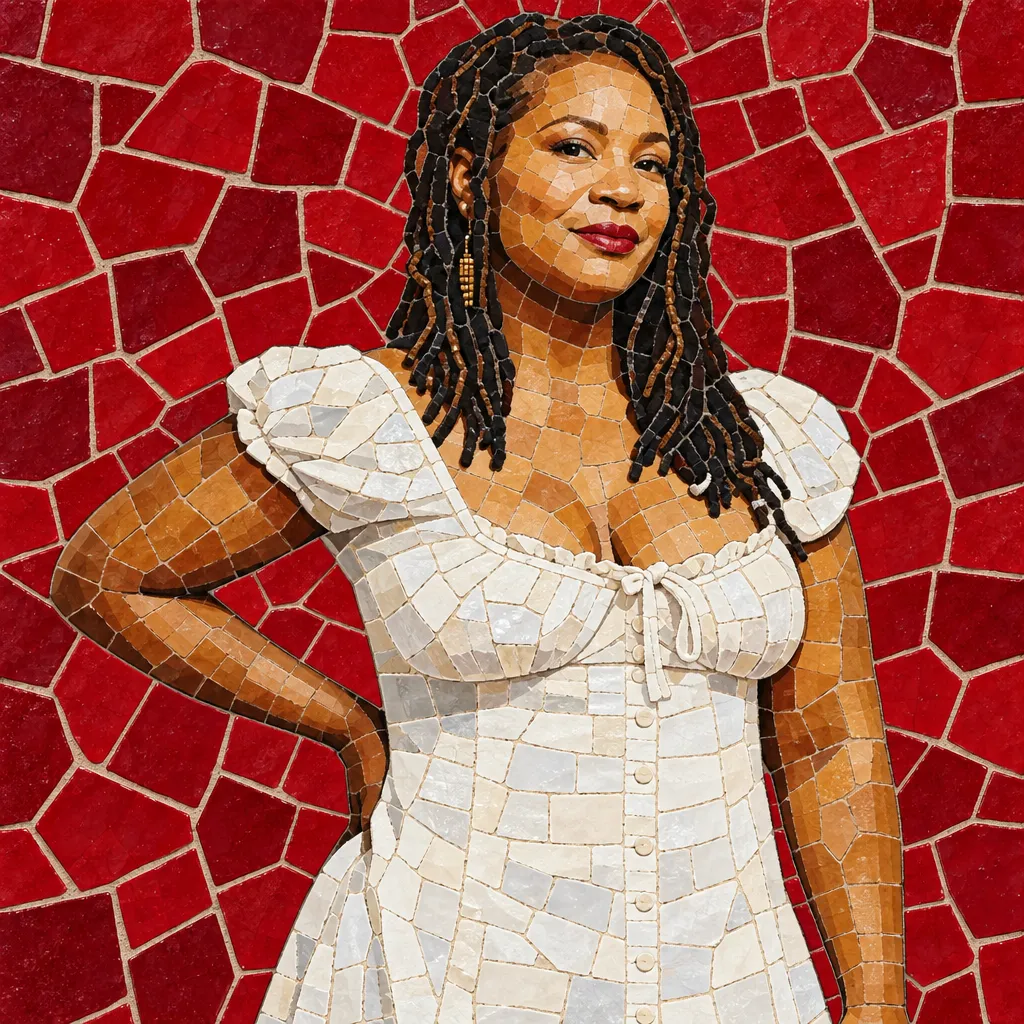
Black Americana
Black Americana is a contemporary umbrella genre that centers Black artists within the traditions of Americana (roots-based U.S. music such as folk, country, blues, gospel, and soul). It often blends acoustic storytelling and roots instrumentation with Black musical lineages, highlighting themes of migration, labor, faith, resilience, love, and social justice. Rather than a single fixed sound, it is a scene and framing that reconnects “Americana” to its multiracial roots while pushing the style forward with modern production, R&B/soul phrasing, and genre-crossing songwriting.
Discover
Listen
New Americana
New Americana is a 2010s wave of roots-informed indie that blends the songwriting and instrumentation of classic Americana with the hooks and production polish of contemporary pop and alternative rock. It typically features acoustic guitars, banjo or mandolin accents, warm vocal harmonies, and organic percussion, while also embracing modern elements like atmospheric pads, tasteful compression, and stadium-ready choruses. Lyrically, it favors intimate storytelling about place, identity, love, and resilience, often delivered with an earnest, nostalgic tone that balances hope with a soft melancholy. What distinguishes New Americana from classic Americana and 1990s alt-country is its streaming-era sheen, crossover sensibility, and a tendency to fuse roots textures with indie pop structures and festival-sized dynamics.
Discover
Listen
Gothic Americana
Gothic Americana (often overlapping with terms like "gothic country" or "dark Americana") blends the instruments and songcraft of traditional American roots music with the brooding mood, religious imagery, and fatalistic storytelling associated with Southern Gothic art. The sound typically features acoustic guitar, banjo, fiddle, upright bass, resonator or slide guitar, and occasional pump organ/harmonium, hand percussion, and foot-stomp rhythms. Vocals tend toward baritone or close-mic’d, intimate deliveries. Harmonically it leans on minor modes, modal mixture, drones, and blues inflections; production is usually sparse, reverb-laden, and warmly analog. Lyrically it deals with sin and salvation, hauntings and murder ballads, drought and dust, backroads and church pews—American myths recast in chiaroscuro.
Discover
Listen
Americana
Americana is a contemporary umbrella term for U.S. roots music that blends folk, country, blues, bluegrass, gospel, and roots rock into a songwriter-centered, largely acoustic-leaning sound. Hallmarks include story-driven lyrics; warm, organic production; and traditional instrumentation such as acoustic guitar, mandolin, banjo, fiddle, harmonica, pedal steel, upright or electric bass, and restrained drums. Rhythms often draw on the train beat, shuffles, two-step, waltz time, and relaxed backbeats. Harmonically it favors diatonic progressions (I–IV–V, I–vi–IV–V), modal tinges (Mixolydian), and close vocal harmonies. Rather than a rigid style, Americana functions as a bridge among related roots traditions, emphasizing authenticity, regional imagery, and narrative songwriting over genre flashiness.
Discover
Listen
Southern Gothic
Southern gothic (as a music style) blends American roots idioms—country, folk, blues, gospel, and Southern rock—with the macabre, moral ambiguity, and decaying grandeur associated with the Southern Gothic literary tradition. Its sound is typically dark-hued and intimate: minor-key harmonies, modal drones, and slow-to-mid tempos underpin storytelling about sin and salvation, haunted landscapes, family secrets, and folk religion. Arrangements often feature acoustic guitar, banjo, fiddle, upright bass, pump organ or harmonium, lap/pedal steel, sparse percussion, and baritone or hushed vocals drenched in room reverb. Production tends toward earthy and atmospheric—tape-like saturation, creaking room ambience, and subtle field sounds (cicadas, church bells, train rumbles) that evoke the American South’s heat, humidity, and history.
Discover
Listen
Roots Rock
Roots rock is a back-to-basics strain of rock music that reconnects the electric band format with its foundational American roots in blues, country, folk, rhythm & blues, and early rock and roll. It favors sturdy songcraft, earthy timbres, and groove over studio gloss—think twangy or gritty guitars, Hammond organ or piano, a steady backbeat, and plainspoken, story-driven lyrics. The style often carries a "live-in-the-room" feel, medium tempos, and blues-based progressions, evoking bar bands, roadhouses, and rural imagery. Rather than chasing cutting-edge production or virtuosic excess, roots rock emphasizes feel, narrative, and tradition—bridging the immediacy of rock with the storytelling of folk and country and the emotional bite of the blues.
Discover
Listen
Country Soul
Country soul is a hybrid style that blends the instrumentation, storytelling, and harmonies of country music with the groove, vocal delivery, and production aesthetics of soul and rhythm & blues. It typically features country staples like acoustic and electric guitars, pedal steel, and fiddle alongside a soul rhythm section of drums, bass, Hammond organ, piano, and often a punchy horn section and gospel-style backing vocals. The sound emerged most prominently in the American South, where studios in Nashville, Memphis, and Muscle Shoals cultivated a warm, earthy, and emotive approach. Songs often revolve around heartbreak, perseverance, and everyday life, delivered with both country plainspokenness and soul fervor. Production tends toward intimate, analog warmth, dry drums, and unvarnished performances that foreground the singer and song.
Discover
Listen
Folk Rock
Folk rock is a fusion genre that blends the narrative lyricism, modal melodies, and acoustic timbres of traditional folk with the backbeat, amplification, and song structures of rock. It typically pairs acoustic or traditional instruments (acoustic guitar, mandolin, fiddle) with a rock rhythm section (electric guitar, bass, drums), often featuring chiming 12‑string guitar textures, close vocal harmonies, and socially conscious or storytelling lyrics. The result ranges from intimate, reflective ballads with a steady backbeat to more anthemic, roots‑driven rock. Emerging in the mid‑1960s through artists such as Bob Dylan and The Byrds, folk rock became a gateway for traditional and roots materials to enter mainstream popular music, and it seeded later movements from country rock and Americana to jangle pop and modern indie folk.
Discover
Listen
Rock
Rock is a broad family of popular music centered on amplified instruments, a strong backbeat, and song forms that foreground riffs, choruses, and anthemic hooks. Emerging from mid‑20th‑century American styles like rhythm & blues, country, and gospel-inflected rock and roll, rock quickly expanded in scope—absorbing folk, blues, and psychedelic ideas—while shaping global youth culture. Core sonic markers include electric guitar (often overdriven), electric bass, drum kit emphasizing beats 2 and 4, and emotive lead vocals. Rock songs commonly use verse–chorus structures, blues-derived harmony, and memorable melodic motifs, ranging from intimate ballads to high‑energy, stadium‑sized performances.
Discover
Listen
Folk
Folk is a song-centered acoustic tradition rooted in community storytelling, everyday life, and social history. It emphasizes clear melodies, simple harmonies, and lyrics that foreground narrative, protest, and personal testimony. As a modern recorded genre, folk coalesced in the early-to-mid 20th century in the United States out of older ballad, work song, and rural dance traditions. It typically features acoustic instruments (guitar, banjo, fiddle, mandolin, harmonica), strophic song forms, and participatory singing (choruses, call-and-response).
Discover
Listen
Country Blues
Country blues—also called rural blues or folk blues—is the earliest widely documented form of the blues, rooted in the everyday music-making of African Americans in the rural American South. It typically features a solo singer accompanying themselves on acoustic guitar, with flexible time, expressive vocal delivery, and abundant use of blue notes. While 12‑bar structures are common, country blues often stretches or compresses measures to fit the lyric, making phrasing elastic and conversational. Regional flavors emerged—Delta (driving, droning thumb bass and slide), Piedmont (ragtime‑inflected fingerpicking), and Texas (looser phrasing and single‑string leads)—but all share storytelling lyrics about work, travel, love, hardship, and spiritual longing.
Discover
Listen
Show all 13 genres
Albums
2024
2
/5
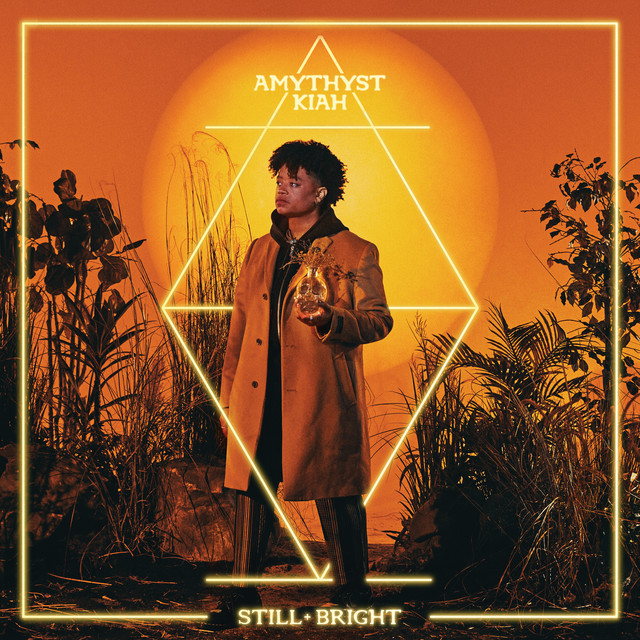
Still + Bright
Amythyst Kiah
Gothic Americana
2024
2
/5
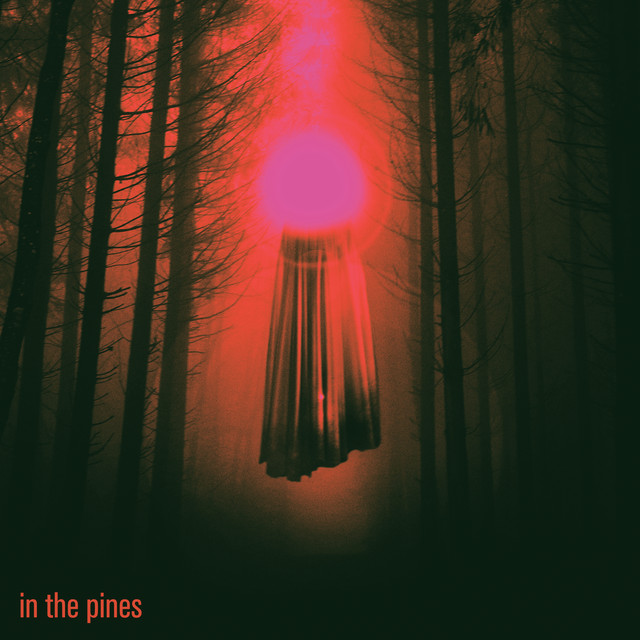
In The Pines
Amythyst Kiah
Gothic Americana
Queer Country
2022
2
/5
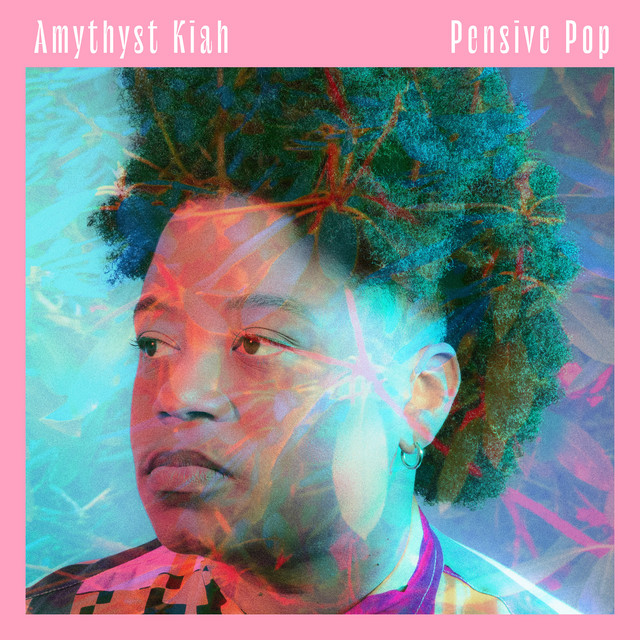
Pensive Pop
Amythyst Kiah
Gothic Americana
Queer Country
2022
1
/5
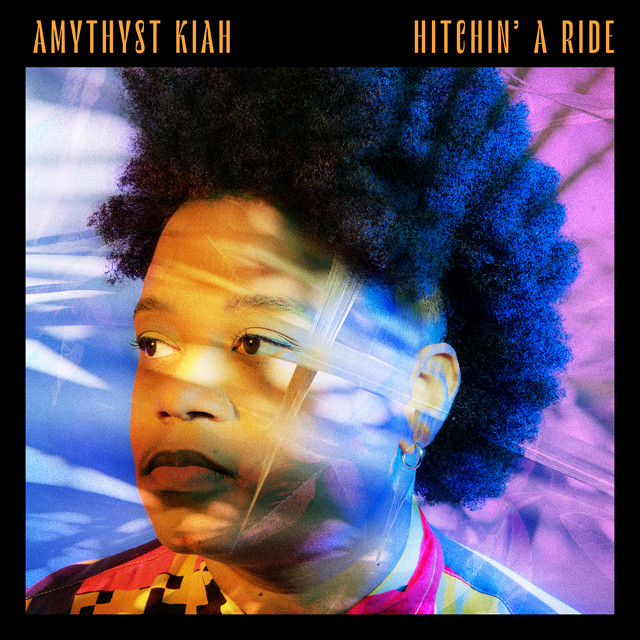
Hitchin' a Ride
Amythyst Kiah
Gothic Americana
2022
1
/5
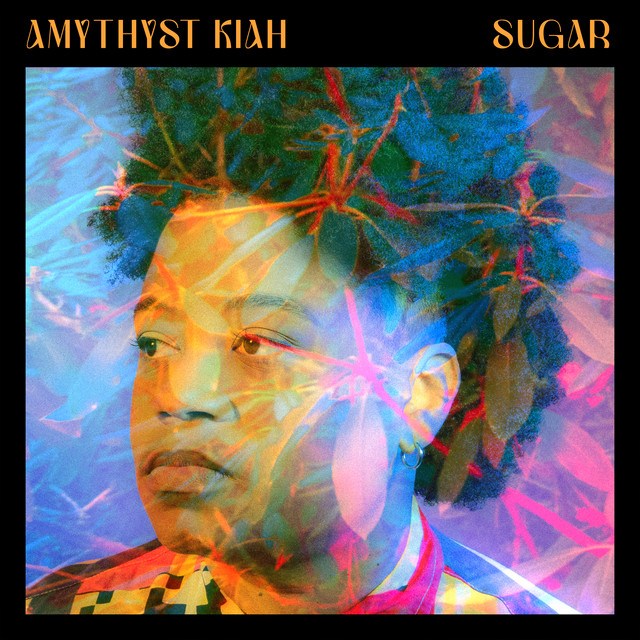
Sugar
Amythyst Kiah
Gothic Americana
2022
1
/5
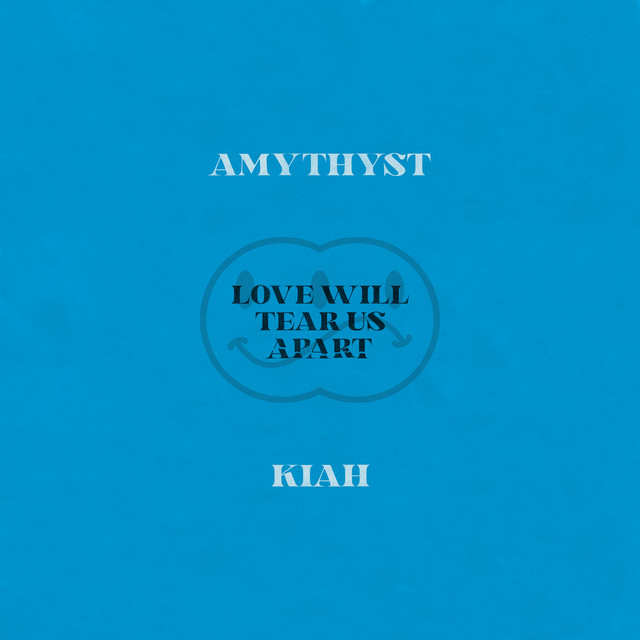
Love Will Tear Us Apart
Amythyst Kiah
Gothic Americana
Queer Country
2021
2
/5
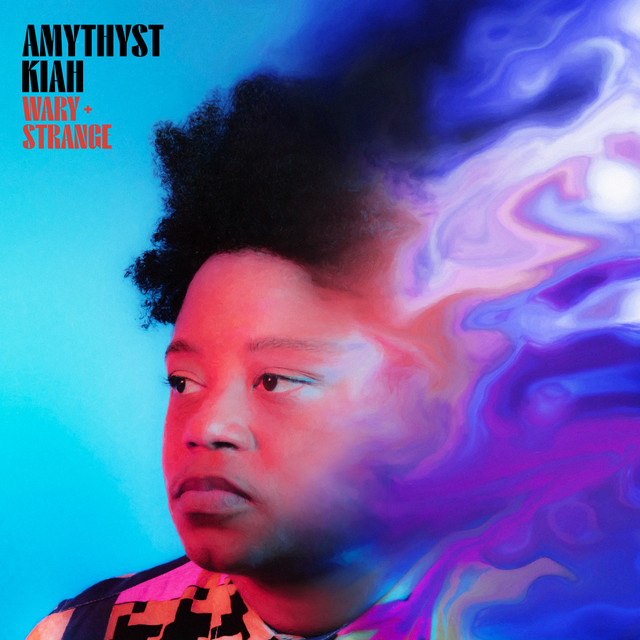
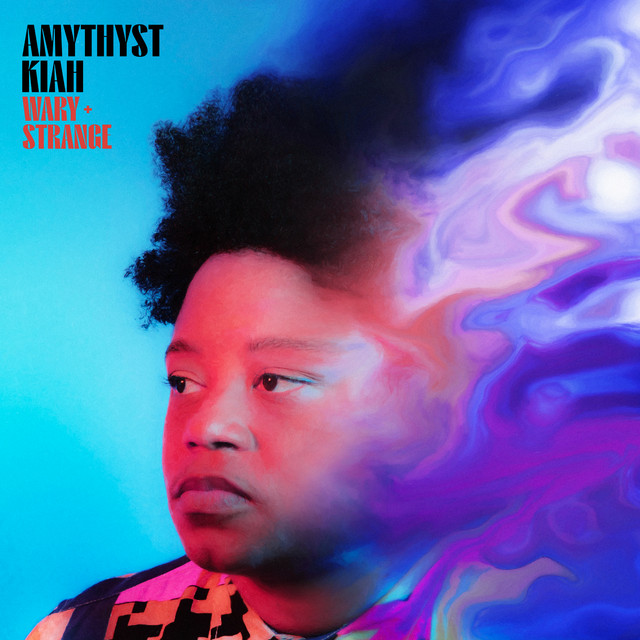
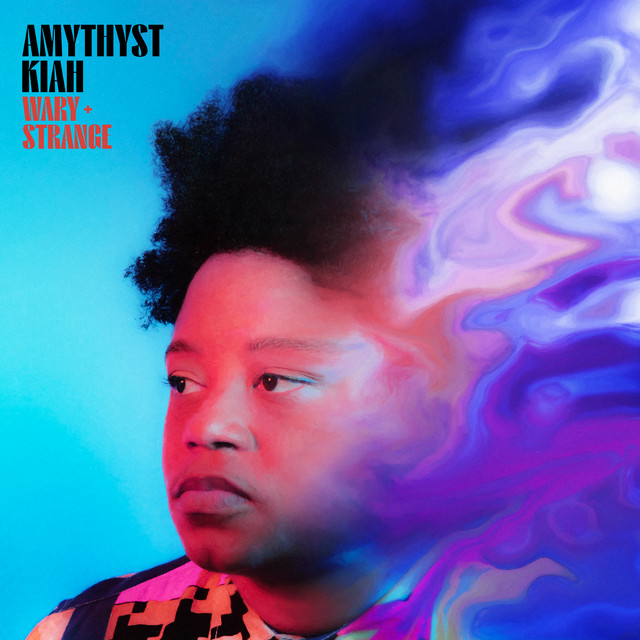
Wary + Strange
Amythyst Kiah
Gothic Americana
Country Soul
Americana
2021
1
/5
Fancy Drones (Fracture Me)
Amythyst Kiah
Gothic Americana
2021
2
/5
Wild Turkey
Amythyst Kiah
Gothic Americana
Queer Country
2021
1
/5
Black Myself
Amythyst Kiah
Gothic Americana
Queer Country
Similar artists
3
/5
Hurray For The Riff Raff
Queer Country
Americana
Alternative Country
4
/5
John Prine
Folk
Americana
Roots Rock
3
/5
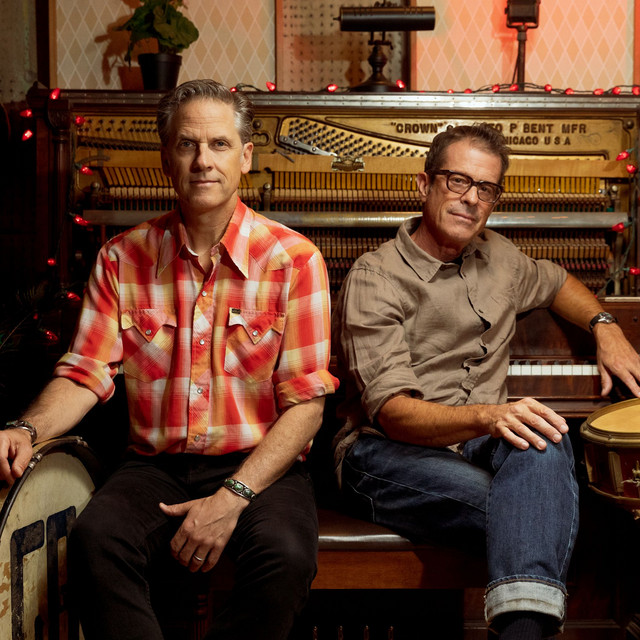
Calexico
Americana
Tex-Mex
Alternative Country
1
/5
Various Artists
Afro-Funk
Alternative Rock
Ambient
4
/5
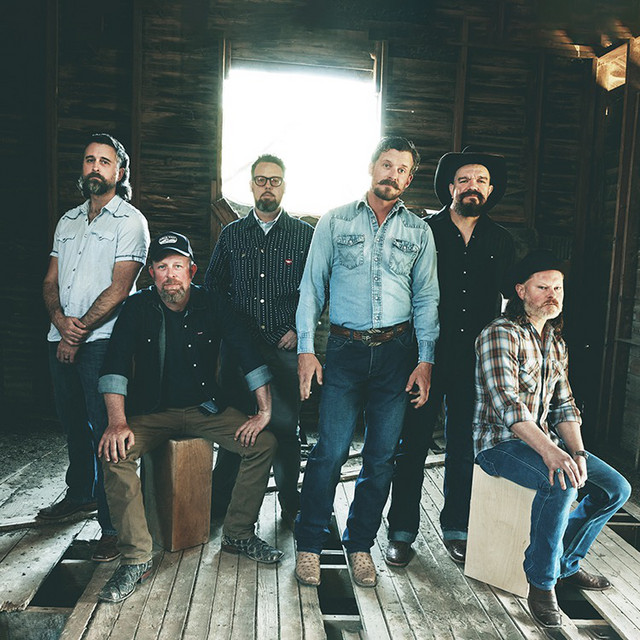
Turnpike Troubadours
Red Dirt
Americana
Country
4
/5
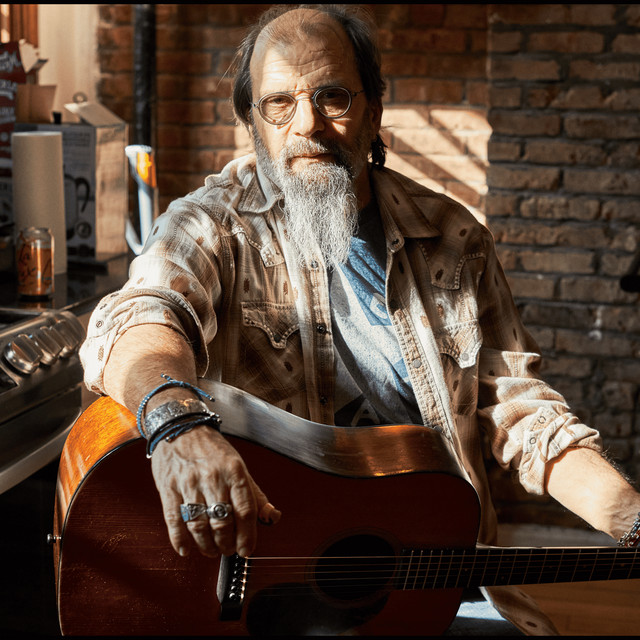
Steve Earle
Country Rock
Alternative Country
Americana
3
/5
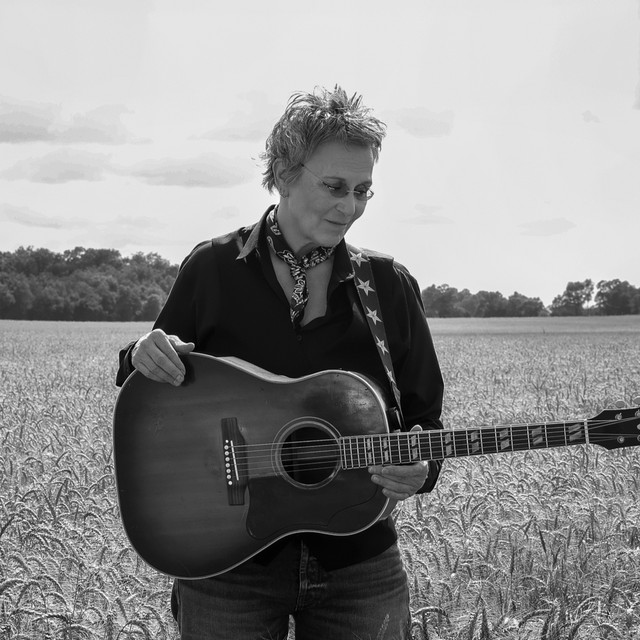
Mary Gauthier
Queer Country
Americana
Folk
3
/5
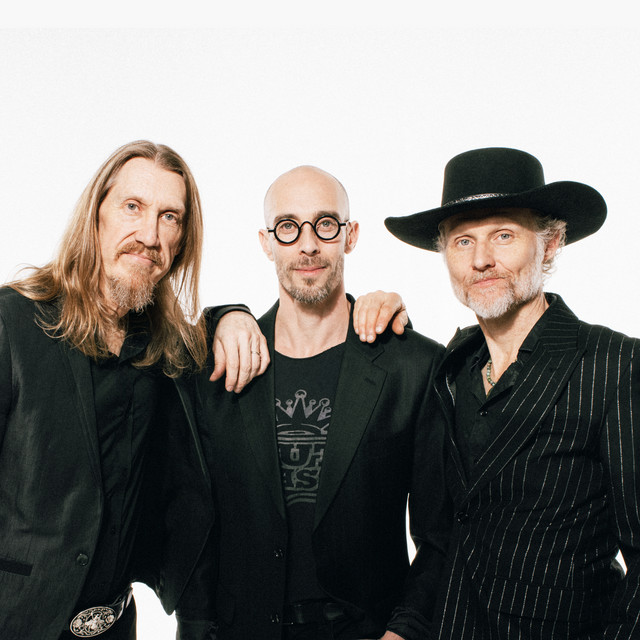
The Wood Brothers
Newgrass
Progressive Bluegrass
Americana
3
/5
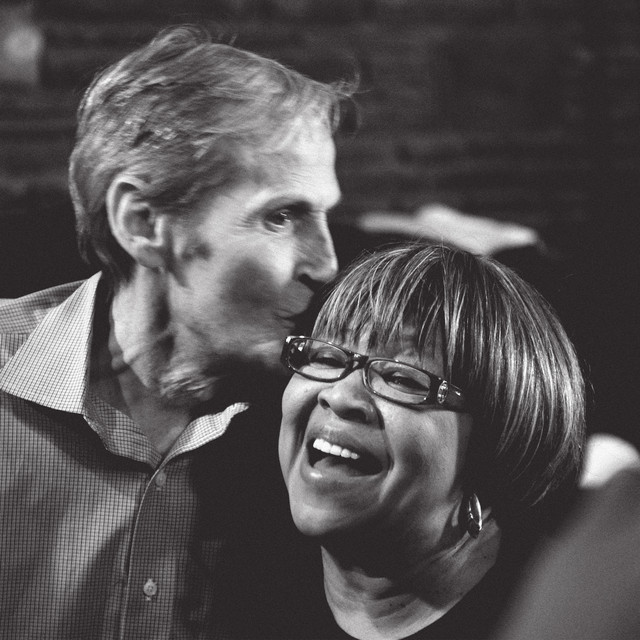
Levon Helm
Americana
Folk
Roots Rock
3
/5
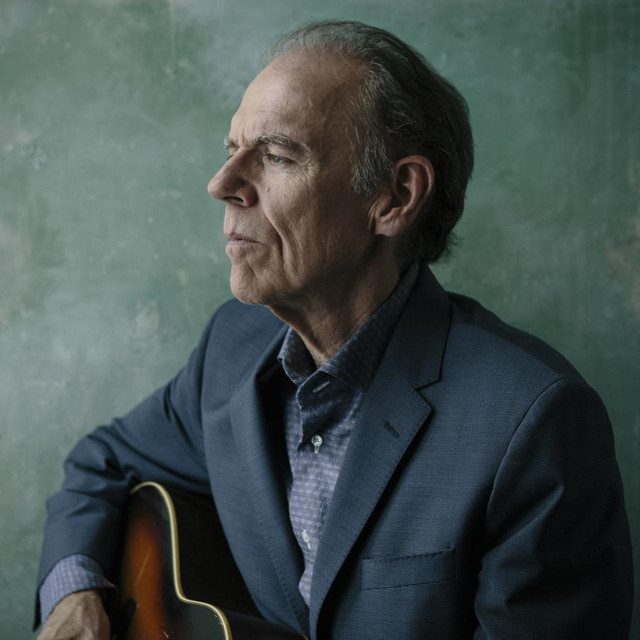
John Hiatt
Roots Rock
Americana
Country Rock
Download our mobile app
Get the Melodigging app and start digging for new genres on the go
Download on the App Store
Get it on Google Play
© 2026 Melodigging
Give feedback
Legal
Melodding was created as a tribute to
Every Noise at Once
, which inspired us to help curious minds keep digging into music's ever-evolving genres.