Genres
Artists
Albums
Make Music
Sign in
Sign in
Artists
Alternative Country
Artists
Alternative Country
Wilco
1996–2024
·
4 albums
Listen
4
/5
Genres
Indian Indie
Indian indie is the umbrella for independent, non-film music made in India across languages such as Hindi, English, and numerous regional tongues. It is defined more by its DIY production and artist-led release model than by a single sound. Musically, it spans indie pop and rock, folk-fusion, singer‑songwriter ballads, dream‑pop/shoegaze textures, and electronic‑leaning productions. Artists often blend Western harmony and song forms with raga‑tinged melodies, Indian rhythmic feels, and occasional use of traditional instruments like tabla, bansuri, or sitar. The scene grew rapidly with college festivals, small venues, and digital platforms (YouTube, streaming services, Bandcamp), plus boutique labels and festivals such as NH7 Weekender that created national visibility. Lyrically, it tends to be intimate and contemporary—touching on romance, urban life, identity, and nostalgia—while maintaining accessible hooks and warm, organic sonics.
Discover
Listen
Indie Shoegaze
Indie shoegaze is a modern fusion of indie rock songcraft with the texture-heavy aesthetics of classic shoegaze. It keeps the haze: washed-out guitars drenched in reverb and delay, breathy or buried vocals, and a strong emphasis on atmosphere. Unlike the denser, sometimes overwhelming walls of sound in late-’80s/early-’90s shoegaze, indie shoegaze tends to prize clearer hooks, jangly patterns, and compact song forms. The result is a gauzy, melodic sound that feels intimate and contemporary while still dreamily saturated.
Discover
Listen
Regalia
Regalia is a cinematic, orchestral-trap hybrid built around lush string sections, dreamy piano motifs, and other symphonic colors layered over modern trap percussion. The core contrast is between “regal” orchestration (wide, sweeping harmony and melodic scoring techniques) and hard-edged rhythmic programming (808 sub-bass, crisp snares/claps, rapid hi-hats, and impactful transitions). It is typically instrumental and soundtrack-adjacent, often designed for dramatic builds, trailers, highlight reels, or emotionally charged beats rather than verse–chorus pop structures.
Discover
Listen
Stomp And Holler
Stomp and holler is a modern folk/roots-leaning style marked by foot-stomping rhythms, handclaps, group vocal shouts, and anthemic, sing-along choruses. It blends the acoustic timbres of Americana and bluegrass with the immediacy of indie rock and pop songcraft. Typical arrangements feature acoustic guitar, banjo or mandolin, upright or floor-tom style percussion (often a kick-driven, four-on-the-floor pulse), and layered gang vocals that surge from hushed verses to cathartic, shoutable hooks. Harmonies are simple and diatonic, while lyrics favor earnest themes of resilience, community, travel, love, and self-discovery. The sound rose to mainstream prominence in the early 2010s through festival-ready bands whose performances emphasized communal energy—clapping, stomping, and call-and-response—bridging campfire intimacy and arena-scale uplift.
Discover
Listen
Uk Americana
UK Americana is the British take on Americana’s blend of country, folk, blues, and roots rock, filtered through a distinctly UK songwriting sensibility. It keeps the genre’s hallmarks—acoustic-forward arrangements, road-worn storytelling, and organic, live-in-the-room production—while drawing on the British folk tradition’s modal colors, fingerstyle guitar, and understated vocal delivery. In practice, UK Americana favors close vocal harmonies, pedal steel or fiddle ornamentation, and rhythm sections that swing gently between train beats, shuffles, and waltzes. Lyrically it often exchanges American place-names and frontier mythos for British imagery—motorways, coastlines, terraced streets, and pub corners—creating songs that feel rooted, reflective, and quietly anthemic.
Discover
Listen
Countrygaze
Countrygaze blends the twang, storytelling, and chord language of alt‑country/Americana with the hazy, textural walls of sound associated with shoegaze and dream pop. Expect pedal steel or slide guitar swimming in reverb and delay, saturated or blown‑out rhythm guitars, and soft, breathy vocals mixed as another texture rather than a dominant lead. The tempos often sit in a mid‑slow sway, while lyrics lean on small‑town imagery, highways, weather, memory, and bittersweet relationships. The result is music that feels both dust‑covered and cloud‑drifted: intimate, earthy narratives wrapped in a dreamy, saturated envelope.
Discover
Listen
Deep New Americana
Deep new americana is a contemporary, roots-leaning micro‑scene that blends modern indie production aesthetics with the songcraft, storytelling, and acoustic textures of classic Americana. Compared with broader “new Americana,” the “deep” tag points to music that is earthier, more intimate, and less pop-facing: tube‑warm electric guitars, occasional pedal‑steel swells, fiddle or mandolin color, unhurried grooves, and close-knit vocal harmonies. Lyrics tend to be reflective and narrative, anchored in small details (roads, towns, seasons, family histories) while speaking to present-day anxieties and hopes. The sound favors organic recordings, dynamic performances, and arrangements that leave space for voices and instruments to breathe.
Discover
Listen
Soundclown
Soundclown is an internet-born remix and mashup style that thrives on comedic juxtaposition, bait‑and‑switch reveals, and hyper-referential sample collage. It blends pop hits, game and cartoon music, ad jingles, meme sounds, and viral speech into quick-cut audio gags. The genre developed across YouTube and SoundCloud, favoring shock humor, nostalgia, and absurdity over traditional song form. Hallmarks include sudden key/tempo whiplash, exaggerated pitch-shifts, ear‑rending “earrape” peaks, and punchline drops that transform a familiar source into something hilariously incongruent. Because it is fundamentally platform-native, soundclown is as much a memetic editing culture as a musical style. Its tracks often function like sonic shitposts: fast, punchy, and built for instant recognition and shareability.
Discover
Listen
Alternative Emo
Alternative emo is a 2010s evolution of emo that blends the confessional lyricism and guitar-driven dynamics of classic and midwest emo with the melodic immediacy of alternative rock and indie pop. It tends to favor warm, jangly or lightly overdriven guitars, twinkly riffing, and roomy drums, pairing them with intimate, conversational vocals. Hooks are often pop-leaning, but the songs retain emo’s narrative focus on vulnerability, mental health, friendships, and the everyday details of growing up and drifting apart. Production spans from lo‑fi, bedroom-made recordings to polished studio work, but even at its glossiest, alternative emo usually preserves a lived-in, DIY feel—favoring dynamics, clean tones, and lyrical specificity over spectacle.
Discover
Listen
Connecticut Indie
Connecticut indie is a regional strain of U.S. indie rock that blends the heartfelt directness of emo-revival with the fuzzy guitars, DIY ethics, and adventurous textures of New England’s underground. Rooted in college-town and small-city scenes (Middletown, New Haven, Willimantic, Hartford), the sound swings between twinkly, lyrically confessional indie and louder, shoegaze- or noise-tinged guitar rock. You’ll hear gang-vocal catharsis, transparent production that favors live-room energy, and occasional orchestral or synth flourishes that reflect the area’s art-school and experimental leanings. While it is geographically defined, the micro-scene’s bands networked nationally through house shows, small labels, and online communities, making Connecticut indie both locally grounded and widely connected.
Discover
Listen
Pov: Indie
"pov: indie" is a social-media-native microstyle built around short, cinematic indie-pop/indie-rock snippets designed to accompany a first-person (POV) narrative. Instead of being defined by a single new musical technique, it is defined by context: the music is chosen or written to feel like the soundtrack to a specific moment (a crush, a late-night walk, moving to a new city, seasonal nostalgia). Sonically it typically uses bright but soft guitars or synths, intimate vocals, simple memorable hooks, and production that reads clearly on phone speakers. The emotional tone is often wistful, tender, and “coming-of-age,” with lyrics that can be understood quickly in a 10–30 second clip.
Discover
Listen
Alternative Country
Alternative country (often shortened to alt-country) is a roots-oriented offshoot of country that blends the storytelling, twang, and acoustic instrumentation of classic country with the attitude, DIY ethos, and sonic grit of indie rock and punk. It arose as a reaction to the glossy production and commercial polish of mainstream Nashville in the late 1980s and 1990s. Hallmarks include weathered vocals, prominent acoustic and electric guitars (often with pedal steel), unfussy rhythm sections, and lyrics that foreground realism, heartbreak, working-class lives, and wandering souls. Production tends to be raw and unvarnished, favoring live-in-the-room feel over studio sheen. The result is music that sits comfortably between country, folk, and rock while retaining the emotional directness of traditional country.
Discover
Listen
Americana
Americana is a contemporary umbrella term for U.S. roots music that blends folk, country, blues, bluegrass, gospel, and roots rock into a songwriter-centered, largely acoustic-leaning sound. Hallmarks include story-driven lyrics; warm, organic production; and traditional instrumentation such as acoustic guitar, mandolin, banjo, fiddle, harmonica, pedal steel, upright or electric bass, and restrained drums. Rhythms often draw on the train beat, shuffles, two-step, waltz time, and relaxed backbeats. Harmonically it favors diatonic progressions (I–IV–V, I–vi–IV–V), modal tinges (Mixolydian), and close vocal harmonies. Rather than a rigid style, Americana functions as a bridge among related roots traditions, emphasizing authenticity, regional imagery, and narrative songwriting over genre flashiness.
Discover
Listen
Chicago Indie
Chicago indie is a regional strain of indie rock rooted in the city’s DIY venues, adventurous labels, and cross‑pollination between punk, post‑rock, emo, and art‑pop circles. It blends clean, interlocking guitars with warm, analog‑leaning production, rhythm section agility (often borrowing jazz/post‑rock phrasing), and literate, introspective lyrics. Compared with coastal indie hubs, Chicago’s sound skews both brainy and blue‑collar: experimentally curious but grounded in songwriting, groove, and community. Iconic local labels like Touch and Go, Drag City, Thrill Jockey, and Kranky, plus venues such as the Empty Bottle and Metro, fostered a culture that prizes integrity, collaboration, and live dynamics. Across eras, Chicago indie stretches from post‑rock and mathy textures to jangly garage, indie folk, and alt‑country inflections, unified by a shared DIY ethos and an openness to genre‑blending.
Discover
Listen
Indie Rock
Indie rock is a subgenre of rock and a branch of alternative rock that coalesced in the early–mid 1980s around independent labels and DIY practices in the United Kingdom, the United States, and New Zealand. Defined less by a single sound than by an ethos, indie rock favors non‑mainstream approaches, self‑recording and small‑label distribution, and an interest in pop‑informed melody and eclectic experimentation. Hallmarks include jangly or fuzzed guitars, intimate or deadpan vocals, off‑kilter song structures, and production that often preserves a raw, “authentic” feel rather than glossy studio polish.
Discover
Listen
Alternative Rock
Alternative rock is a broad umbrella for guitar-based rock that emerged from the independent and college-radio scenes as a counterpoint to mainstream, commercial rock. It blends the energy and ethos of punk with the textural and songwriting experiments of post-punk, new wave, jangle pop, and noise rock, often foregrounding introspective or socially aware lyrics. Across its many strains—from the melodic minimalism of college rock to the loud-quiet-loud dynamics of grunge and the artful experimentation of Radiohead-era modernism—alternative rock prioritizes authenticity, sonic individuality, and a do-it-yourself approach. Its sound ranges from chiming, chorus-laden clean guitars to abrasive distortion and feedback, supported by straightforward rock rhythms or off-kilter grooves, and production that can be either raw and live-sounding or polished yet unconventional.
Discover
Listen
Indie
Indie (short for “independent”) began as music made and released outside the major-label system, where a DIY ethos shaped everything from songwriting and recording to artwork and touring. As a sound, indie is eclectic but often features jangly or overdriven guitars, intimate or understated vocals, melodic basslines, and unvarnished production that foregrounds authenticity over gloss. It spans rock, pop, and folk while welcoming electronic textures and lo‑fi aesthetics. Lyrics typically focus on personal observation, small details, and wry self-awareness rather than overt virtuosity or spectacle. Beyond style, indie describes a culture: small labels and stores, college/alternative radio, fanzines/blogs, community venues, and scenes that value experimentation, individuality, and artistic control.
Discover
Listen
Roots Rock
Roots rock is a back-to-basics strain of rock music that reconnects the electric band format with its foundational American roots in blues, country, folk, rhythm & blues, and early rock and roll. It favors sturdy songcraft, earthy timbres, and groove over studio gloss—think twangy or gritty guitars, Hammond organ or piano, a steady backbeat, and plainspoken, story-driven lyrics. The style often carries a "live-in-the-room" feel, medium tempos, and blues-based progressions, evoking bar bands, roadhouses, and rural imagery. Rather than chasing cutting-edge production or virtuosic excess, roots rock emphasizes feel, narrative, and tradition—bridging the immediacy of rock with the storytelling of folk and country and the emotional bite of the blues.
Discover
Listen
Art Rock
Art rock is a branch of rock music that treats the studio and the album as spaces for artistic experimentation, emphasizing conceptual ideas, ambitious arrangements, and cross-pollination with modernist and avant-garde traditions. It typically favors extended song forms, thematic or conceptual unity, and non-standard instrumentation (strings, woodwinds, synthesizers) alongside rock’s core band setup. Lyrically, it leans toward literary, surreal, or philosophical subjects and often adopts theatrical presentation. Where mainstream rock centers on immediacy and hooks, art rock embraces risk: unusual time signatures, timbral exploration, complex harmony, tape and electronic manipulation, and interludes that draw from classical, jazz, minimalism, and experimental music.
Discover
Listen
Country Rock
Country rock is a hybrid of country music’s storytelling, twang, and acoustic textures with rock’s backbeat, amplification, and song structures. It typically features electric and acoustic guitars, pedal steel, close vocal harmonies, and a steady 4/4 groove, while lyrics focus on roads, small towns, heartbreak, and everyday American life. The sound ranges from jangly and rootsy to polished and radio-friendly, bridging bar-band energy with country elegance and shaping the template for later Americana and heartland styles.
Discover
Listen
Folk Rock
Folk rock is a fusion genre that blends the narrative lyricism, modal melodies, and acoustic timbres of traditional folk with the backbeat, amplification, and song structures of rock. It typically pairs acoustic or traditional instruments (acoustic guitar, mandolin, fiddle) with a rock rhythm section (electric guitar, bass, drums), often featuring chiming 12‑string guitar textures, close vocal harmonies, and socially conscious or storytelling lyrics. The result ranges from intimate, reflective ballads with a steady backbeat to more anthemic, roots‑driven rock. Emerging in the mid‑1960s through artists such as Bob Dylan and The Byrds, folk rock became a gateway for traditional and roots materials to enter mainstream popular music, and it seeded later movements from country rock and Americana to jangle pop and modern indie folk.
Discover
Listen
Rock
Rock is a broad family of popular music centered on amplified instruments, a strong backbeat, and song forms that foreground riffs, choruses, and anthemic hooks. Emerging from mid‑20th‑century American styles like rhythm & blues, country, and gospel-inflected rock and roll, rock quickly expanded in scope—absorbing folk, blues, and psychedelic ideas—while shaping global youth culture. Core sonic markers include electric guitar (often overdriven), electric bass, drum kit emphasizing beats 2 and 4, and emotive lead vocals. Rock songs commonly use verse–chorus structures, blues-derived harmony, and memorable melodic motifs, ranging from intimate ballads to high‑energy, stadium‑sized performances.
Discover
Listen
Show all 22 genres
Albums
2024
1
/5
Handshake Drugs (11/13/03 Sear Sound-NYC Version)
Wilco
Alternative Country
Chicago Indie
2019
1
/5
Love Is Everywhere (Beware)
Wilco
Alternative Country
Chicago Indie
Roots Rock
2003
3
/5
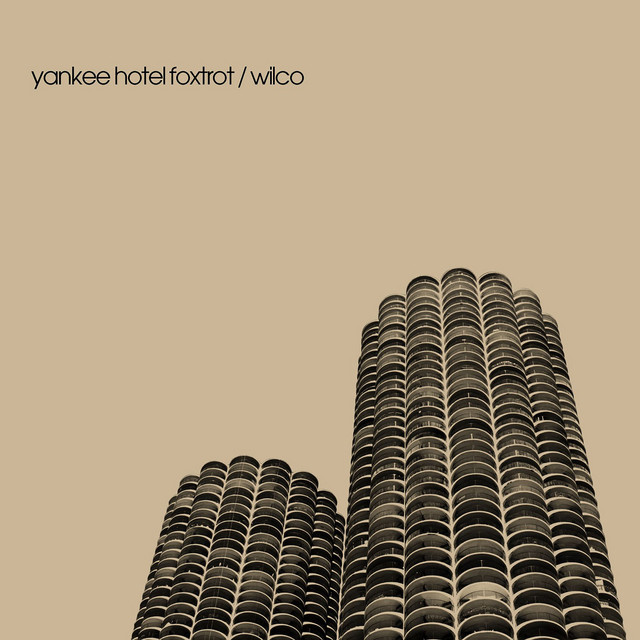
Yankee Hotel Foxtrot
Wilco
Indie Rock
Art Rock
Alternative Country
1996
3
/5
Being There
Wilco
Roots Rock
Alternative Country
Country Rock
Similar artists
1
/5
Various Artists
Afro-Funk
Alternative Rock
Ambient
3
/5
Hiss Golden Messenger
Americana
Alternative Country
Modern Folk Rock
3
/5
Son Volt
Americana
Roots Rock
Alternative Country
3
/5
Ryan Adams
Alternative Country
Roots Rock
Acoustic Guitar Cover
4
/5
Steve Earle
Country Rock
Alternative Country
Americana
3
/5
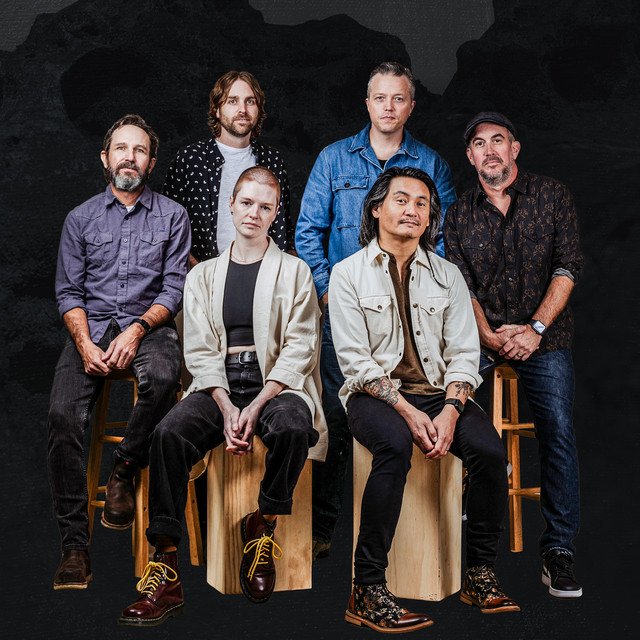
Jason Isbell and the 400 Unit
Alternative Country
Americana
Modern Indie Folk
3
/5
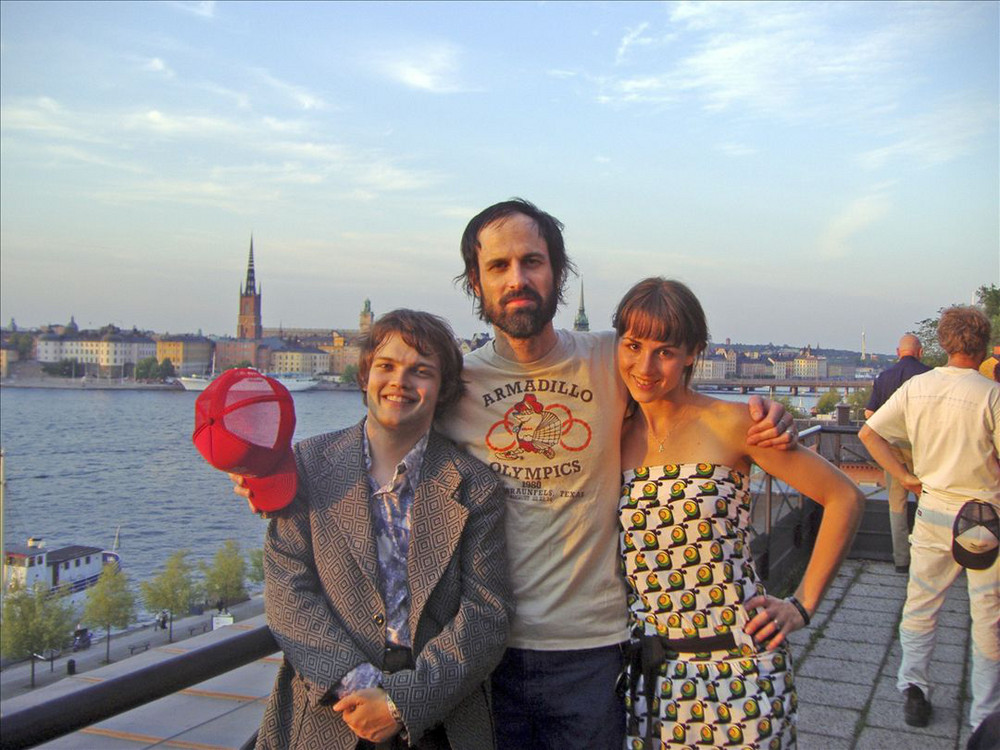
Silver Jews
Gbvfi
Indie Rock
Rock
3
/5
Neko Case
Alternative Country
Americana
Ectofolk
3
/5
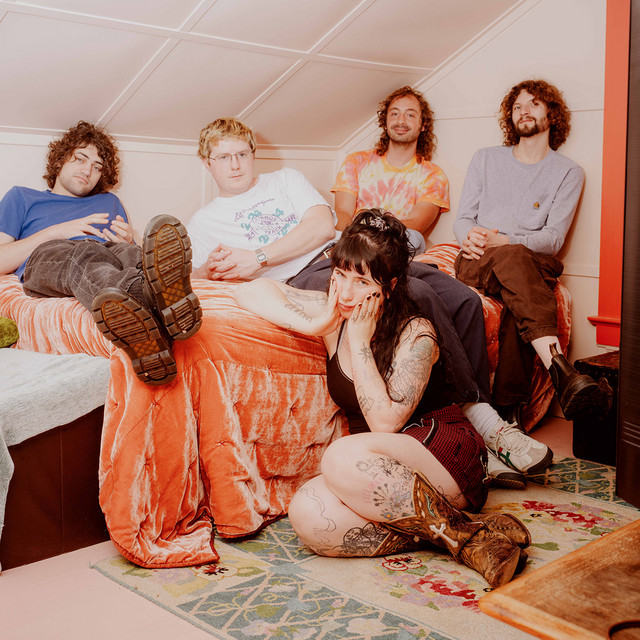
Wednesday
Alternative Country
Countrygaze
Bubblegrunge
3
/5
The Jayhawks
Americana
Country Rock
Alternative Country
Download our mobile app
Get the Melodigging app and start digging for new genres on the go
Download on the App Store
Get it on Google Play
© 2026 Melodigging
Give feedback
Legal
Melodding was created as a tribute to
Every Noise at Once
, which inspired us to help curious minds keep digging into music's ever-evolving genres.