Genres
Artists
Albums
Make Music
Sign in
Sign in
Artists
Sci-Fi Metal
Artists
Sci-Fi Metal
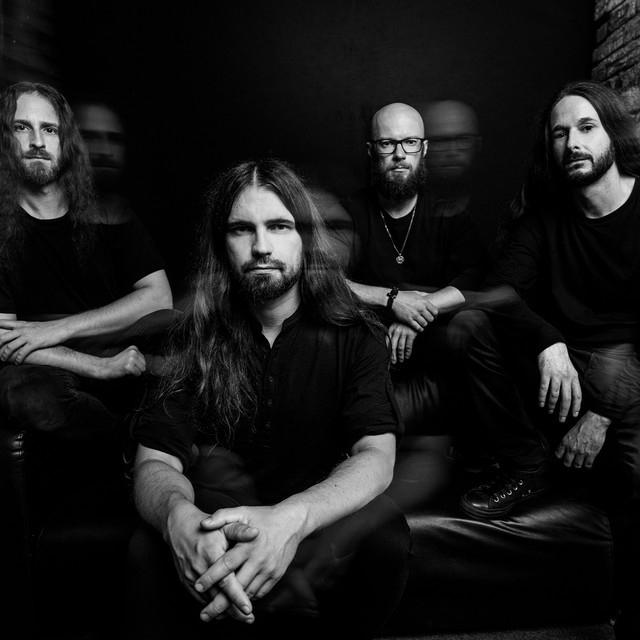
Ayreon
1998–2024
·
6 albums
Listen
3
/5
Genres
Celtic Metal
Celtic metal is a fusion of heavy metal with the traditional music of the Celtic nations, especially Ireland and Scotland. It blends distorted guitars, bass, and drums with folk instruments such as uilleann pipes, tin whistle, fiddle, bouzouki, harp, and bodhrán. Stylistically, it often borrows rhythmic cells from jigs and reels (in 6/8 or 12/8), employs modal harmony (Dorian and Mixolydian are common), and incorporates pentatonic and drone-based melodies. The lyrical focus typically explores mythology, folklore, history, and landscapes of the Celtic world, delivered through a mix of harsh and clean vocals, sometimes in Gaelic or other Celtic languages. The result ranges from epic, melodic arrangements to blackened, atmospheric soundscapes, maintaining a strong sense of place and tradition within a metal framework.
Discover
Listen
Symphonic Metal
Symphonic metal fuses the power and riff-driven weight of heavy metal with the grandeur of orchestral music, choral writing, and operatic vocals. It often features full-scale symphonic arrangements—either via live orchestras and choirs or through sophisticated sampling—alongside distorted guitars, bass, and double-kick drumming. Hallmarks include cinematic songwriting, classical harmony (minor keys, modal colors, counterpoint), sweeping string ostinati, brass fanfares, and layered choirs. Vocal approaches range from operatic soprano leads to melodic rock vocals and occasional harsh growls. Lyrically, the genre leans toward myth, fantasy, history, philosophy, and romantic or existential themes, delivering an epic, theatrical atmosphere.
Discover
Listen
Sci-Fi Metal
Sci‑fi metal is a metal subgenre defined by its immersive use of science‑fiction themes, imagery, and sound design. It blends heavy riffing and extreme vocal techniques with cinematic electronics, synthesizers, and futuristic production to evoke space travel, artificial intelligence, cybernetics, and cosmic horror. Musically, it ranges from progressive and technical forms (odd meters, extended harmony, concept suites) to industrially mechanized grooves and symphonic, space‑opera scale. Its productions frequently feature ambient intros, interludes, vocoder/robotic voices, and sound‑effects—warp‑ups, comms chatter, drones—to world‑build narratives across singles and concept albums.
Discover
Listen
Progressive Metal
Progressive metal blends the ambition and extended song forms of progressive rock with the heaviness, timbre, and energy of heavy metal. It is characterized by complex arrangements, frequent time‑signature changes, virtuosic instrumental passages, thematic or concept‑driven albums, and a wide dynamic range from delicate, atmospheric sections to aggressive, high‑gain climaxes. Harmonically it draws on modal interchange, chromatic voice‑leading, and jazz‑fusion colors, while rhythmically it favors polymeters, polyrhythms, and metric modulation. Keyboards and layered production often add orchestral or cinematic scope.
Discover
Listen
Power Metal
Power metal is a fast, melodic, and anthemic branch of heavy metal that emphasizes uplifting melodies, soaring clean vocals, triumphant choruses, and virtuosic guitar and keyboard leads. Its lyrical focus often centers on fantasy, mythology, historical epics, and heroic narratives, aiming for a cinematic sense of grandeur. The genre coalesced in the mid-1980s from the speed and melody of NWOBHM and speed metal, then split into two recognizable strains: the more aggressive, riff‑driven U.S. power metal and the highly melodic, keyboard‑rich European style. Hallmarks include double‑bass drumming, harmonized twin‑guitar lines, neoclassical flourishes, and rousing sing‑along refrains designed for large audiences.
Discover
Listen
Metal
Metal (often used to mean heavy metal in its broad, umbrella sense) is a loud, guitar-driven style of rock defined by high-gain distortion, emphatic and often martial rhythms, and a dense, powerful low end. It foregrounds riff-based songwriting, dramatic dynamics, virtuosic guitar solos, and commanding vocals that range from melodic wails to aggressive snarls and growls. Harmonically, metal favors minor modes, modal color (Aeolian, Phrygian), chromaticism, and tritone-inflected tension, while thematically it explores power, mythology, the occult, social critique, fantasy, and existential subjects. While adjacent to hard rock, metal typically pushes amplification, distortion, precision, and thematic intensity further, forming a foundation for many specialized subgenres.
Discover
Listen
Heavy Metal
Heavy metal is a loud, guitar-driven style of rock defined by heavily distorted riffs, thunderous drums, and powerful vocals. Its musical language emphasizes minor modes, modal (Aeolian, Phrygian) riffing, and energy over groove, often featuring virtuosic guitar solos and dramatic dynamic contrasts. Emerging from late-1960s blues rock and psychedelic experimentation, heavy metal codified a darker, heavier sound with bands like Black Sabbath, Deep Purple, and Led Zeppelin. The genre values weight, intensity, and grandeur—whether through plodding, doom-laden tempos or galloping, high-energy rhythms—paired with themes that range from personal struggle and social critique to fantasy, mythology, and the occult.
Discover
Listen
Rock Opera
Rock opera is a narrative-driven form of rock music in which a sequence of songs tells a coherent story, often through distinct characters, recurring leitmotifs, and theatrical arcs. Unlike a loose concept album, a rock opera typically emphasizes plot, character development, and musical continuity, borrowing structural ideas from opera (overtures, reprises, arias/solos, and dramatic climaxes) while retaining the instrumentation, rhythms, and sonic vocabulary of rock. Works can exist as studio albums, staged productions, or films, and may range from guitar-centered ensembles to fully orchestrated scores with choirs and narration. The form emerged in the late 1960s with UK pioneers and grew alongside progressive and symphonic rock in the 1970s.
Discover
Listen
Progressive Rock
Progressive rock is a rock subgenre that expands the genre’s formal, harmonic, and conceptual boundaries. It favors long-form compositions, intricate arrangements, and virtuosic musicianship, often drawing on Western classical, jazz, folk, and psychedelic idioms. Typical hallmarks include multi-part suites, shifting time signatures, extended instrumental passages, recurring motifs, and concept albums that present unified themes or narratives. The sound palette commonly features electric guitar, bass, and drums alongside an array of keyboards (Hammond organ, Mellotron, Moog/ARP synthesizers, piano), woodwinds or brass, and occasional orchestral additions. Lyrics often explore science fiction, mythology, philosophy, social commentary, and introspective themes.
Discover
Listen
Folk Rock
Folk rock is a fusion genre that blends the narrative lyricism, modal melodies, and acoustic timbres of traditional folk with the backbeat, amplification, and song structures of rock. It typically pairs acoustic or traditional instruments (acoustic guitar, mandolin, fiddle) with a rock rhythm section (electric guitar, bass, drums), often featuring chiming 12‑string guitar textures, close vocal harmonies, and socially conscious or storytelling lyrics. The result ranges from intimate, reflective ballads with a steady backbeat to more anthemic, roots‑driven rock. Emerging in the mid‑1960s through artists such as Bob Dylan and The Byrds, folk rock became a gateway for traditional and roots materials to enter mainstream popular music, and it seeded later movements from country rock and Americana to jangle pop and modern indie folk.
Discover
Listen
Rock
Rock is a broad family of popular music centered on amplified instruments, a strong backbeat, and song forms that foreground riffs, choruses, and anthemic hooks. Emerging from mid‑20th‑century American styles like rhythm & blues, country, and gospel-inflected rock and roll, rock quickly expanded in scope—absorbing folk, blues, and psychedelic ideas—while shaping global youth culture. Core sonic markers include electric guitar (often overdriven), electric bass, drum kit emphasizing beats 2 and 4, and emotive lead vocals. Rock songs commonly use verse–chorus structures, blues-derived harmony, and memorable melodic motifs, ranging from intimate ballads to high‑energy, stadium‑sized performances.
Discover
Listen
Show all 11 genres
Albums
2024
2
/5
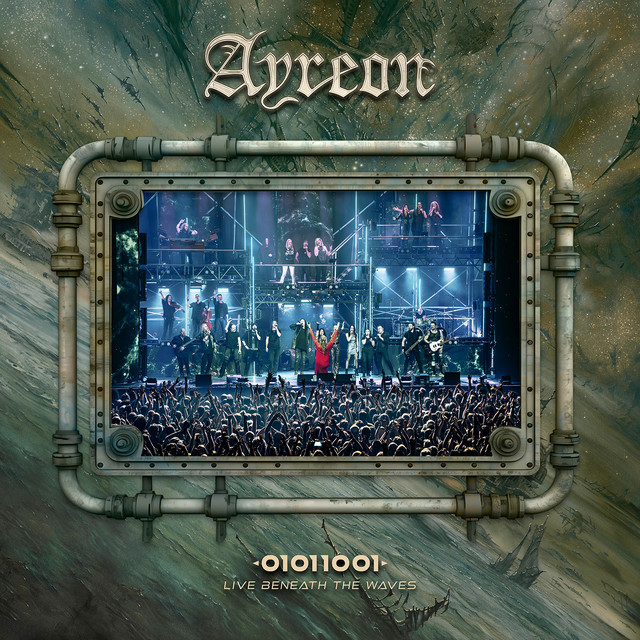
01011001: Live Beneath the Waves
Flying Colors, Flying Colors, Flying Colors, Rudess, Jordan, Flying Colors, Rud…
Sci-Fi Metal
2020
1
/5
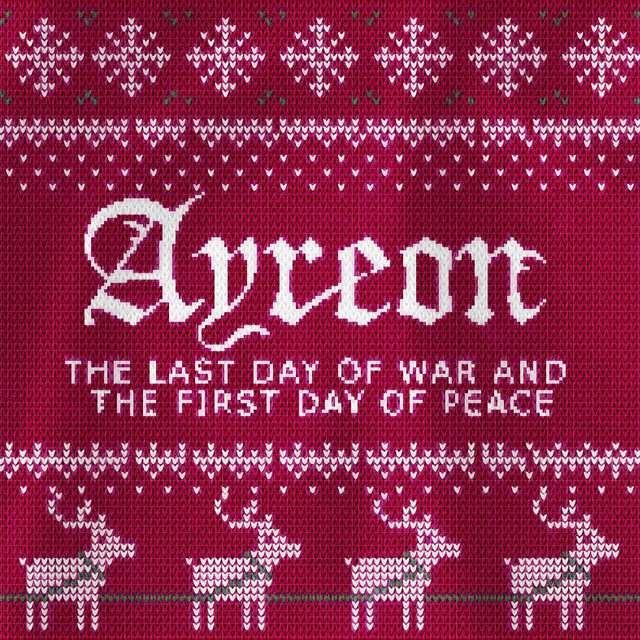
The Last Day Of War And The First Day Of Peace
Ayreon
Sci-Fi Metal
2017
3
/5
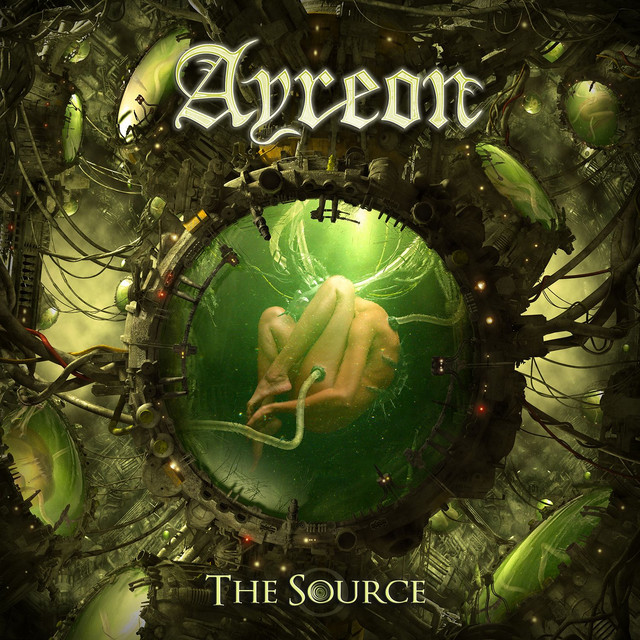
The Source
Flying Colors, Flying Colors, Flying Colors, Rudess, Jordan, Flying Colors, Rud…
Sci-Fi Metal
2008
3
/5
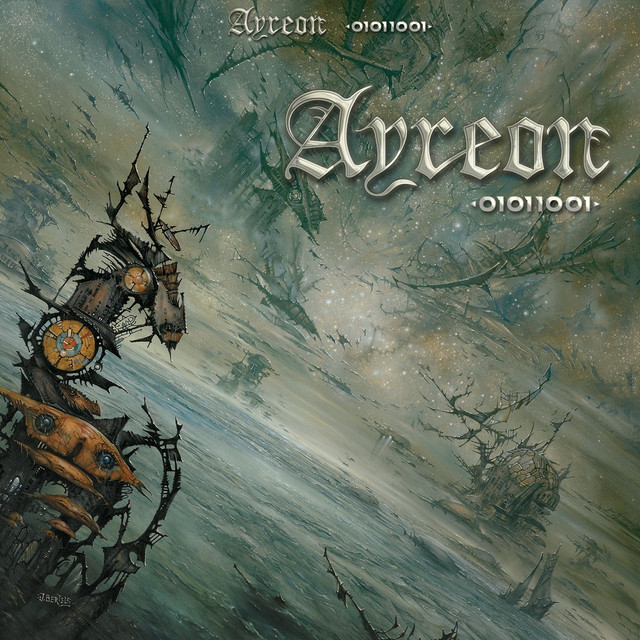
01011001
Ayreon
Sci-Fi Metal
Progressive Metal
Rock
2004
3
/5
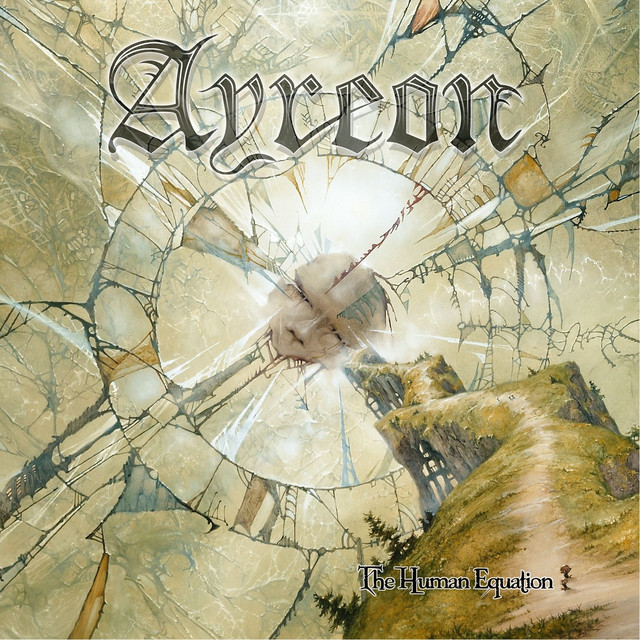
The Human Equation
Ayreon
Sci-Fi Metal
Rock Opera
Heavy Metal
1998
2
/5
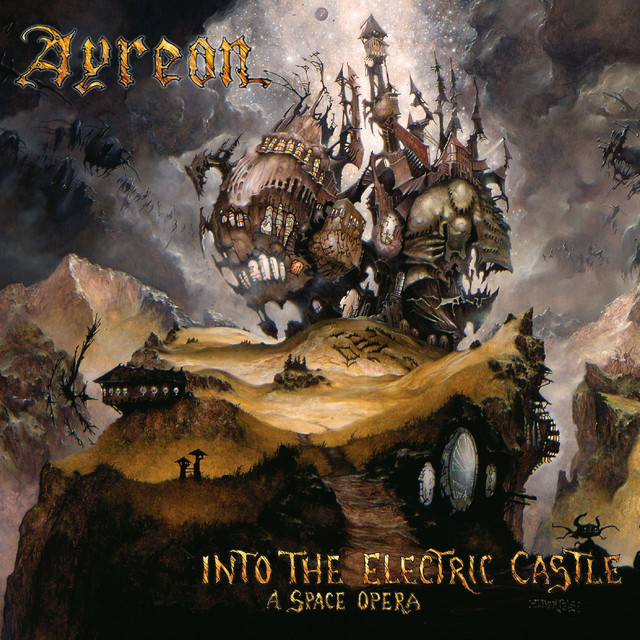
Into the Electric Castle: A Space Opera
Ayreon
Rock Opera
Sci-Fi Metal
Similar artists
2
/5
Obscura
Cosmic Death Metal
Sci-Fi Metal
Progressive Death Metal
3
/5
Savatage
Heavy Metal
Progressive Metal
Us Power Metal
3
/5
Kamelot
Power Metal
Progressive Metal
Symphonic Metal
2
/5
Mechina
Cyber Metal
Symphonic Metal
Electronic Djent
2
/5
Deliver The Galaxy
Melodic Death Metal
Death Metal
Metal
2
/5
Cypecore
Sci-Fi Metal
Cyber Metal
Melodic Death Metal
2
/5
Astronoid
Cosmic Black Metal
Sci-Fi Metal
Blackgaze
4
/5
TOOL
Progressive Metal
Progressive Rock
Art Rock
4
/5
Gojira
French Death Metal
Progressive Groove Metal
Progressive Metal
4
/5
Mastodon
Sludge Metal
Progressive Metal
Stoner Metal
Download our mobile app
Get the Melodigging app and start digging for new genres on the go
Download on the App Store
Get it on Google Play
© 2026 Melodigging
Give feedback
Legal
Melodding was created as a tribute to
Every Noise at Once
, which inspired us to help curious minds keep digging into music's ever-evolving genres.