Genres
Artists
Albums
Make Music
Sign in
Sign in
Artists
Arab Groove
Artists
Arab Groove
Acid Arab
2016–2019
·
3 albums
Listen
3
/5
Genres
Indian Indie
Indian indie is the umbrella for independent, non-film music made in India across languages such as Hindi, English, and numerous regional tongues. It is defined more by its DIY production and artist-led release model than by a single sound. Musically, it spans indie pop and rock, folk-fusion, singer‑songwriter ballads, dream‑pop/shoegaze textures, and electronic‑leaning productions. Artists often blend Western harmony and song forms with raga‑tinged melodies, Indian rhythmic feels, and occasional use of traditional instruments like tabla, bansuri, or sitar. The scene grew rapidly with college festivals, small venues, and digital platforms (YouTube, streaming services, Bandcamp), plus boutique labels and festivals such as NH7 Weekender that created national visibility. Lyrically, it tends to be intimate and contemporary—touching on romance, urban life, identity, and nostalgia—while maintaining accessible hooks and warm, organic sonics.
Discover
Listen
Trap Shaabi
Trap shaabi is an Egyptian fusion style that blends the street-party energy and timbres of shaabi/mahraganat with the half-time bounce, 808 weight, and ad‑libbed swagger of trap. It foregrounds Egyptian Arabic slang, bold hooks, and hyper-saturated sound design while retaining regional melodic colors and percussion. Producers stitch together distorted mizmar and arghul riffs, darbuka and sagat patterns, and microtonal melodies using maqam flavors (Bayati, Hijaz, Nahawand), then anchor them with booming sub‑bass, skittering hi‑hats, and clap-heavy drums. The result is a gritty, dance‑primed urban sound that feels equally at home in Cairo side streets and global streaming playlists.
Discover
Listen
Arab Trap
Arab trap is a regional fusion of modern trap production with Arabic melodic language, timbres, and rhythms. Built on the half‑time bounce of 808 kicks, snappy claps, and skittering hi‑hat rolls, it layers maqam‑based hooks (often using Hijaz, Bayati, Kurd, or Nahawand) on synth leads, sampled oud, qanun, or ney. Producers frequently weave North African and Middle Eastern percussion patterns (maqsum, baladi, saidi) into trap drum grids, while vocals range from Auto‑Tuned crooning to gritty rap delivered in Maghrebi dialects, Egyptian Arabic, Levantine slang, or Khaleeji vernacular. Lyrically it spans street realism, social commentary, identity and migration, swaggering braggadocio, and nightlife, reflecting both local realities and a global hip‑hop aesthetic. Sonically it moves comfortably between dark, cinematic atmospheres and festival‑scale drops, which helped it circulate widely on streaming platforms and in global bass scenes.
Discover
Listen
Dark Disco
Dark disco is a mid‑tempo, nocturnal strain of club music that fuses the hypnotic pulse of disco with the grit of post‑punk, EBM, coldwave, and industrial. It favors ominous basslines, minor‑key harmonies, reverb‑soaked guitars and vocals, and analog synth textures, resulting in a moody, cinematic atmosphere that is equally suited to sweaty basements and late‑night festival stages. Tempos typically sit between 105–120 BPM, with emphasis on groove, tension, and shadowy drama rather than maximal speed or brightness.
Discover
Listen
Volkspop
Volkspop is a contemporary, radio-friendly pop style that blends Alpine and Central European folk music signifiers (dialect lyrics, traditional dance rhythms, and folk instrumentation) with modern pop/rock production. It commonly features sing-along choruses, clear verse–pre-chorus–chorus forms, and a bright, polished sound while retaining regional identity through language, melodic turns, and characteristic instruments such as accordion/steirische Harmonika, brass, and sometimes fiddle. The genre is especially associated with the German-speaking Alpine regions and is often positioned between “Volksmusik/Neue Volksmusik,” schlager, and mainstream pop.
Discover
Listen
Arab Groove
Arab groove is a dance‑oriented fusion that marries contemporary club and funk rhythms with melodies, modes, and percussion from the Arabic‑speaking world. Built on steady 4/4 beats at mid‑tempo (often 95–115 BPM), it layers darbouka/riqq patterns and maqam‑based hooks over funk, disco, downtempo, and trip‑hop frameworks. The result feels both cosmopolitan and rooted: nightclub‑ready production carrying the swing of iqa'at such as maqsum, sa‘idi, and malfuf, plus ear‑catching Hijaz/Bayati motifs on oud, qanun, or synths. The style flourished in the 1990s–2000s through diasporic hubs (notably France and the UK), compilations and club nights, and artists who bridged Arabic pop/raï with electronic production. It remains a gateway sound for global audiences discovering modern Arabic music.
Discover
Listen
Techno
Techno is a four-on-the-floor, machine-driven form of electronic dance music that emerged in mid-to-late 1980s Detroit. It is characterized by steady 4/4 kick drums, repetitive and hypnotic rhythmic patterns, synthetic timbres, and an emphasis on texture, groove, and forward momentum over elaborate harmony. Producers typically use drum machines, sequencers, and synthesizers to build layered percussion, pulsing basslines, and evolving motifs. While often dark and minimalistic, techno spans a wide spectrum—from soulful, futuristic Detroit aesthetics to hard, industrially tinged European strains—yet it consistently prioritizes kinetic energy for dancefloors and a sense of machine futurism.
Discover
Listen
Acid House
Acid house is a subgenre of house music defined by the squelching, modulated basslines of the Roland TB-303 bass synthesizer-sequencer, typically set against a steady 4/4 drum pattern. It emerged in the mid-1980s club culture of Chicago, with formative 303 experiments credited to artists like Phuture and Sleezy D around 1986, and parallel early-1980s experiments occasionally cited in Mumbai’s nascent electronic scene. The style emphasizes hypnotic repetition, filter resonance, accent/slide programming, and minimalist arrangements that build intensity through real-time knob-tweaking rather than harmonic complexity.
Discover
Listen
House
House is a dance music genre that emerged in Chicago in the early 1980s, defined by a steady four-on-the-floor kick drum, off-beat hi-hats, soulful or hypnotic vocals, and groove-centric basslines. Typical tempos range from 118–130 BPM, and tracks are structured in DJ-friendly 16–32 bar phrases designed for seamless mixing. Drawing on disco’s celebratory spirit, electro-funk’s drum-machine rigor, and Italo/Hi-NRG’s synth-led sheen, house prioritizes repetition, tension-and-release, and communal energy on the dancefloor. Its sound palette often includes 808/909 drums, sampled or replayed disco/funk elements, filtered loops, piano/organ stabs, and warm, jazzy chords. Over time, house diversified into many substyles—deep house, acid house, French house, tech house, progressive house, and more—yet it remains a global foundation of club culture, known for emphasizing groove, inclusivity, and euphoria.
Discover
Listen
Electronic
Electronic is a broad umbrella genre defined by the primary use of electronically generated or electronically processed sound. It encompasses music made with synthesizers, drum machines, samplers, computers, and studio/tape techniques, as well as electroacoustic manipulation of recorded or synthetic sources. The genre ranges from academic and experimental traditions to popular and dance-oriented forms. While its sonic palette is rooted in electricity and circuitry, its aesthetics span minimal and textural explorations, structured song forms, and beat-driven club permutations. Electronic emphasizes sound design, timbre, and studio-as-instrument practices as much as melody and harmony.
Discover
Listen
Dabke
Dabke is a high‑energy Levantine line‑dance music associated with communal celebration, especially weddings and village festivals. It is driven by stomping rhythms and call‑and‑response vocals that cue and propel the dancers, who hold hands or shoulders in a line led by a raas (leader). Musically, dabke sits in the Arabic maqam system, with melodies often built on Bayati, Hijaz, Kurd, or Nahawand. Traditional ensembles feature reed pipes such as the mijwiz and yarghul, piercing double‑reed zurna, and hand percussion like the darbuka (tabla), riqq, and daff. Since the late 20th century, electronic keyboards with quarter‑tone tuning have become central, creating the distinctive modern “wedding keyboard” sound that powers contemporary dabke‑pop and electro‑dabke.
Discover
Listen
Levantine Arabic Music
Levantine Arabic music refers to the Arab musical traditions of the Eastern Mediterranean—today’s Syria, Lebanon, Palestine, Jordan, and Arab communities in Israel. It balances refined urban art music with village and dance repertories, all articulated through the Arabic maqam system and cyclical iqaʿ (rhythmic) cycles. Core timbres come from oud, qanun, buzuq, ney, violin/cello in Arab tuning, and hand percussion such as riqq and darbuka. Vocal performance emphasizes ornamentation, expressive melismas, and the aesthetics of tarab (ecstatic musical transport). Key forms include muwashshah and qudud Halabiyya (Aleppine songs), mawwal and layali (free-meter vocal improvisations), and popular dabke songs for line-dances. As a historical crossroads, the Levant synthesized Arab, Ottoman/Turkish, Persian, Byzantine/Syriac liturgical, and Andalusi legacies. In the 20th century, cosmopolitan Beirut, Damascus, and Aleppo studios and theaters helped shape modern Arabic song while keeping local dialects and rhythms central.
Discover
Listen
Show all 12 genres
Albums
2019
3
/5
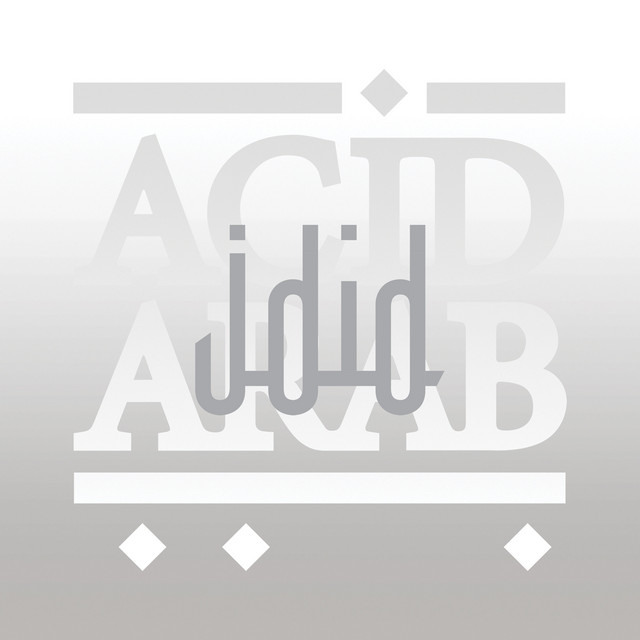
Jdid
Acid Arab
Arab Groove
Electronic
Techno
2016
3
/5
Musique De France
Acid Arab
Arab Groove
Electronic
2016
1
/5
Musique de France
Acid Arab
Dabke
Levantine Arabic Music
Electronic
Similar artists
2
/5
Ammar 808
Arab Groove
Egyptian Music
Electronic
1
/5
Various Artists
Afro-Funk
Alternative Rock
Ambient
3
/5
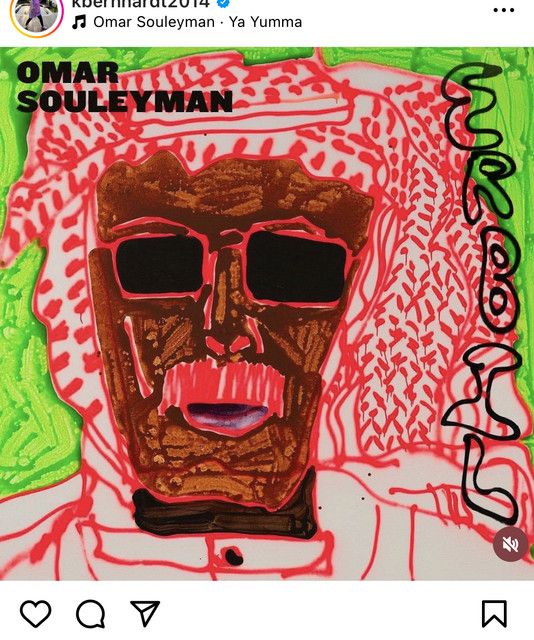
Omar Souleyman
Dabke
Levantine Arabic Music
Arabic Pop
2
/5
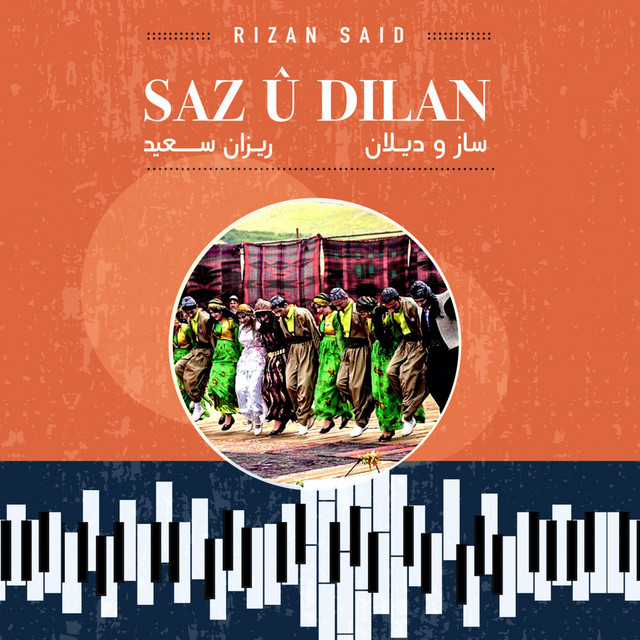
Rizan Said
Dabke
Electronic
Levantine Arabic Music
4
/5
Aphex Twin
Braindance
Idm
Ambient
4
/5
Underworld
Big Beat
Electronic
Electronica
3
/5
Actress
Outsider House
Electronic
Experimental
2
/5
Aleksi Perälä
Bleep Techno
Electronic
Braindance
4
/5
Skrillex
Dubstep
Electronic
Complextro
4
/5
Björk
Art Pop
Icelandic Experimental
Electronic
Download our mobile app
Get the Melodigging app and start digging for new genres on the go
Download on the App Store
Get it on Google Play
© 2026 Melodigging
Give feedback
Legal
Melodding was created as a tribute to
Every Noise at Once
, which inspired us to help curious minds keep digging into music's ever-evolving genres.