Genres
Artists
Albums
Make Music
Sign in
Sign in
Artists
Synthwave
Artists
Synthwave
Willix
2022–2025
·
10 albums
Listen
3
/5
Genres
Zoomergaze
Zoomergaze is a Gen Z, internet-native evolution of shoegaze that fuses the genre’s dense, guitar-washed textures with hyperpop/digicore maximalism and modern trap/emo-rap rhythm programming. It favors blown‑out saturation, brickwalled dynamics, digital clipping, and wide stereo fields, often pairing jet‑engine guitars with 808 subs, jittery hi‑hats, breakbeat flourishes, and intimate, lightly Auto‑Tuned vocals. The mood leans dreamy yet emotionally raw—nostalgic, melancholic, and diaristic—delivered through DIY production that thrives on Bandcamp, SoundCloud, and TikTok discovery. Where classic shoegaze hid the singer in the mix, Zoomergaze keeps the voice present and personal, weaving confessional hooks into shimmering noise and glitchy, internet-era sound design.
Discover
Listen
Zxc
ZXC is a Russian/CIS internet-native micro‑genre and scene label that emerged on VK, Telegram, and TikTok to group a melancholic, guitar‑tinged strain of emo‑rap and trap. Rather than a rigid stylistic rulebook, “zxc” signals a shared aesthetic: minor‑key melodies, soft overdriven guitars or hazy synth pads atop 808-heavy trap drums, half‑sung/half‑rapped hooks, and diaristic Russian‑language lyrics about alienation, late‑night cityscapes, romance, and online life. Production is intentionally lo‑fi or dreamlike—washed in chorus, reverb, and tape‑like saturation—blending cloud‑rap softness with post‑Soviet cold‑wave/post‑punk moods. The tag functions both as a sound and a subcultural marker: hoodies and VHS textures, retro phone cameras, pixel art, and gaming/server culture references, all orbiting short, hooky tracks optimized for social feeds and stories.
Discover
Listen
Corecore
Corecore is an internet-native, collage-heavy audiovisual microgenre that turns the endless stream of online content into emotionally charged montages. It typically pairs melancholic or atmospheric music with rapid-fire edits of news clips, social-media posts, movie fragments, webcam confessions, and found audio, using juxtaposition to evoke overload, alienation, and fragile intimacy in the age of feeds. While it is primarily known as a video-editing aesthetic (especially on TikTok), its musical identity leans on ambient, vaporwave, breakcore, and experimental collage, favoring texture, mood, and narrative over traditional song structure. Rather than having a fixed sonic palette, corecore uses existing tracks—often downtempo, hazy, or nostalgic—then re-contextualizes them with speech samples and visual montage to produce catharsis and social commentary.
Discover
Listen
Sigilkore
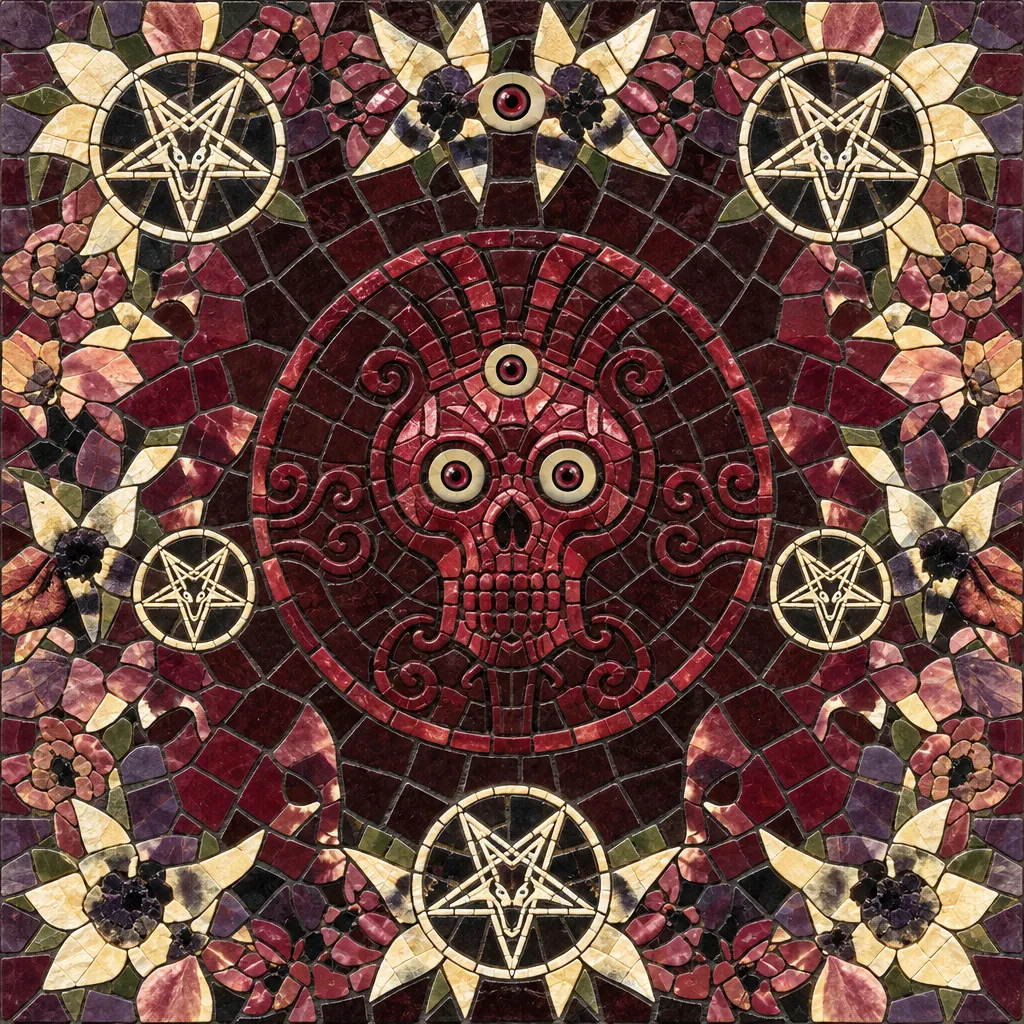
Sigilkore is an internet-born microgenre that merges the ominous atmospheres of witch house with the bounce and drum programming of trap, the tape-warped grit of Memphis rap, and the granular, reverb-heavy haze of dark ambient. Defined as much by its occult visual language as its sound, the style favors heavy 808 subs, skittering hi-hats, detuned pads, bell and choir timbres, pitched-down or formant-shifted vocals, and lo‑fi processing reminiscent of chopped-and-screwed techniques. Tracks often feel ritualistic and hypnotic, with minor-mode motifs, phrygian inflections, and long reverb tails that blur bar lines. Emerging across SoundCloud, Discord communities, and small collectives, sigilkore thrives on DIY anonymity, esoteric cover art (sigils, runes, glyphs), and a mood that’s simultaneously bleak, ethereal, and aggressive.
Discover
Listen
Hardwave
Hardwave is a high-energy offshoot of the online wave movement that fuses cinematic atmospheres and melancholic melodies with the power and structure of club music. It typically features soaring trance-like leads, heavy sidechained pads, reese subs, and emotive progressions set against either four-on-the-floor or halftime rhythms around 120–150 BPM. Compared with classic wave, hardwave is more driving and festival-ready, borrowing the euphoric drops and supersaw sound design of hardstyle and trance while retaining the moody, spacious qualities of wave and witch house.
Discover
Listen
Drift Phonk
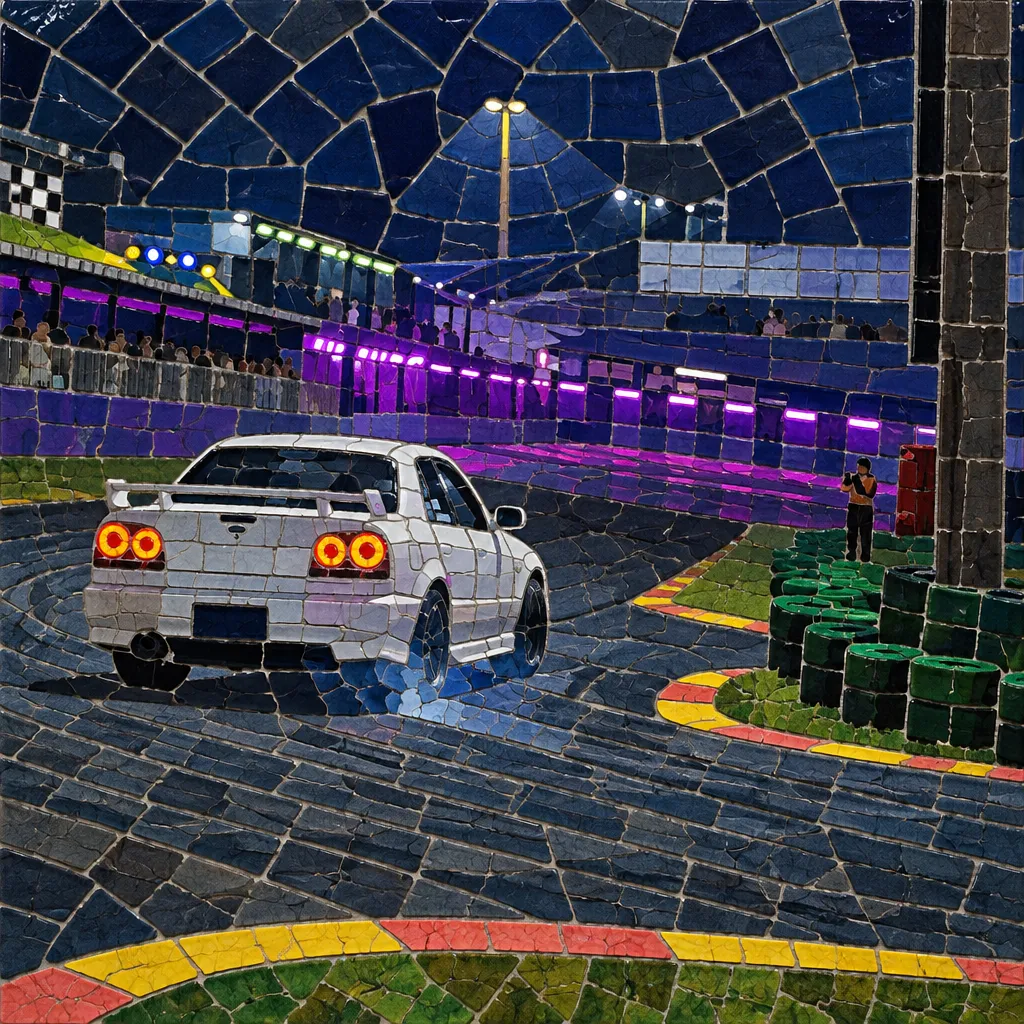
Drift phonk is a high-energy, house-tempo offshoot of phonk that crystallized in the late 2010s and surged globally in the early 2020s. It blends the dark, Memphis-rap sampling ethos of classic phonk with four-on-the-floor club rhythms, hard-hitting 808 sub-bass glides, and a signature syncopated cowbell lead. The result is a tense, cinematic sound tailored to fast motion—especially car drifting edits on TikTok, YouTube, and Instagram. Compared to lo-fi, boom-bap-oriented phonk, drift phonk is cleaner, louder, and faster (often around 160 BPM), leaning on modern dance production techniques (sidechain, saturation, precise limiting) while keeping chopped, pitched, or re-recorded vocal chops as a core aesthetic. Its visual identity often features neon-lit street racing, VHS/tape grit, and cyberpunk color palettes.
Discover
Listen
Chill Phonk
Chill phonk is a mellow, atmospheric branch of phonk that softens the raw, gritty edges of 90s Memphis-inspired beats with lo‑fi warmth, dreamy pads, and spacious mixing. Instead of the high-octane, cowbell-driven aggression of drift phonk, chill phonk favors slower to mid‑tempo grooves, jazzy or soul‑leaning samples, deep but gentle 808 subs, and tape‑worn textures. Vocals—if present—are usually pitched down and treated with heavy reverb or delay, sitting more as ambience than as a commanding lead. The overall effect is nostalgic, nocturnal, and introspective: music made for late drives, study sessions, and quiet reflection while still retaining the head‑nod swing of Southern hip‑hop.
Discover
Listen
Digital Horror
Digital horror is a contemporary horror aesthetic that focuses on dread emerging from networked technologies, software, and always‑on media. Narratives and sound worlds revolve around screens, social platforms, livestreams, malware, deepfakes, and the uncanny presence of algorithmic systems. In music and sound design, the style translates this fear of the digital into glitching textures, corrupted audio artifacts, synthetic drones, and the weaponization of familiar interface sounds (alerts, keyboards, notification pings). It often blends dark ambient, industrial noise, and hauntological sampling to suggest threats that live inside code, clouds, and data centers—consistent with the wider definition that emphasizes anxiety and supernatural menace arising from the Internet and modern media.
Discover
Listen
Modern Downshift
Modern downshift is a contemporary, playlist-era microgenre that blends hushed alternative pop and alt‑R&B sensibilities with the spaciousness of downtempo and ambient pop. Songs are typically slow to mid‑tempo, minimal in arrangement, and intimate in vocal delivery—often breathy, close‑miked, and confessional. Production emphasizes warmth and negative space: soft sub‑bass, restrained percussion, reverb‑washed pads or guitars, and gentle saturation that keeps the overall texture velvety and nocturnal. Lyrically, the style skews introspective and late‑night: relationships, vulnerability, quiet self‑reflection, and the emotional afterglow of parties or city drives. The result is music that feels low‑key and cinematic—designed as much for solitary listening as for low‑light social settings.
Discover
Listen
Slushwave
Slushwave is a vaporwave-derived microgenre that stretches samples and synth textures into foggy, glacial soundscapes. Tracks are typically very slow, drenched in reverb and delay, and layered with tape hiss, vinyl crackle, and other lo‑fi artifacts to create an enveloping, dreamlike ambience. Rather than the chopped, ironic collage associated with early vaporwave, slushwave favors long pads, smeared chords, and minimal or absent percussion. When drums appear, they are subdued and distant. The genre often draws from new age, city pop, smooth jazz, and soft adult‑contemporary sources, pitching them down and elongating them into warm, melancholic drones that evoke late‑night memory, urban solitude, and liminal spaces.
Discover
Listen
Vaporwave
Vaporwave is an internet-born microgenre and visual aesthetic that repurposes late‑20th‑century commercial sound—mu zak, smooth jazz, soft rock, synth‑pop, city pop, and corporate training tapes—into hazy, slowed, and looped collages. Its sound foregrounds pitched‑down samples, heavy reverb, tape hiss, vinyl crackle, and dreamy pads to evoke a mood between satire and sincere nostalgia. Beyond music, vaporwave is inseparable from its graphic language: Greco‑Roman busts, Japanese text, retro operating systems, chrome logos, palm trees, neon gradients, and “mall culture” architecture. The result feels like a haunted shopping mall: part critique of consumer capitalism, part wistful memory of media and retail spaces from the 1980s–2000s. Tempos are typically slow (roughly 60–90 BPM), harmonies tend toward lush seventh and extended chords, and rhythms range from barely perceptible loops to minimal, gated drum programming. Many tracks are short, vignette‑like studies in texture and mood.
Discover
Listen
Outsider House
Outsider house is a strain of house music that embraces lo‑fi production, raw textures, and a DIY ethos. Instead of the sleek, club‑polished sound of mainstream house, it foregrounds tape hiss, distortion, and gritty machine funk to create a hazy, intimate atmosphere. Often associated with early‑2010s labels and scenes that prized hardware jams and cassette aesthetics, outsider house sits at the fringes of house and techno while retaining steady 4/4 rhythms for dancefloor use. Tracks tend to be hypnotic and repetitive, with detuned pads, muffled drums, and understated basslines that feel both nostalgic and nocturnal.
Discover
Listen
Ambient Lo-Fi
Ambient lo-fi blends the spacious, texture-driven soundscapes of ambient music with the intimate, imperfect aesthetics of lo‑fi recording and production. Expect soft pads, tape hiss, vinyl crackle, gentle guitar swells, field recordings, muted pianos, and unobtrusive, often beatless or barely-there rhythms. Harmonic movement is slow and consonant, with modal or drone foundations and lots of reverb, flutter, and saturation to convey warmth and closeness. It thrives as background-friendly music for reading, studying, sleeping, or decompression, prioritizing atmosphere and tactile sound design over hooks or complex form.
Discover
Listen
Nightrun
Nightrun is a synthwave-adjacent microgenre built for the sensation of cruising through a neon-lit city at night. It blends retro-’80s analog synth timbres, melodramatic minor-key harmonies, and steady four-on-the-floor or motorik grooves with a glossy, cinematic finish. Compared to broader synthwave, nightrun tends to be slightly leaner and more driving: pulsing bass arpeggios, gated snares, and shimmering pads frame soaring lead melodies that evoke nocturnal highways, sodium lights, and distant horizons. Tempos typically sit in the midtempo range (about 85–110 BPM), with arrangements that rise and fall like a night drive—quiet intros, long cruising sections, and cathartic choruses. Aesthetically, it borrows the neon futurism of 1980s action and thriller soundtracks, while adopting modern production sheen and sidechain pumping. The result is danceable yet reflective electronic music tailored to late-night motion and nostalgic escapism.
Discover
Listen
Krushclub
Krushclub is a SoundCloud-born microgenre that fuses trap and club music with the distorted, post-internet aesthetics popularized by sigilkore. Its signature sound centers on bitcrushed synths, heavy post-processing of vocals (pitch-shifting, formant play, and hard clipping), and energetic, Jersey Club–derived kick patterns and bounce. Producers stack layers of digital artifacts—bitcrush, sample-rate reduction, tape-warp, and brickwall limiting—over cloud-rap-adjacent melodies and pads. The result is a hyper-digital, high-contrast mix: glossy top-end grit over booming 808s, chopped call‑and‑response vocal hooks, and edits that nod to slowed+reverb culture, nightcore acceleration, and DJ-style mash layering.
Discover
Listen
Color Noise
Color noise is an umbrella term for steady‑state, spectrally shaped noise used as an end in itself for listening, masking, sleep, focus, and relaxation. Instead of musical melodies or beats, it presents continuous sound with a specific spectral tilt ("color") such as white (flat spectrum), pink (−3 dB per octave), brown or brownian (−6 dB per octave), blue (+3 dB per octave), violet (+6 dB per octave), and gray (psychoacoustically equal‑loudness shaped). As a listening genre, color noise emphasizes function and timbral nuance over song form: seamless loops, stable loudness, extremely low dynamic range, and gentle filtering. It sits at the intersection of sound design, psychoacoustics, audio engineering, and wellness media, and is commonly delivered via long streams, playlists, and apps rather than traditional albums.
Discover
Listen
Glitch Hop Edm
Glitch hop EDM is a bass-heavy, midtempo offshoot of glitch and hip-hop that adopts the large-scale sound design, drops, and festival-ready structures of contemporary EDM. It typically runs around 90–115 BPM with a swung or syncopated hip-hop groove, while employing stutter edits, tape stops, bitcrushing, buffer repeats, granular chops, and intricate automation to create the characteristic "glitched" feel. Tracks often feature thick, modulated basslines; punchy, off-kilter drums; chopped vocals and foley; and harmonies that borrow from jazz, funk, and soul, all arranged in EDM-style buildups and drops.
Discover
Listen
Hexd
HexD is a net-native microgenre of hip‑hop and electronic music defined by extreme bitcrushing, aggressive down/upsampling, hard clipping, and compression applied to beats and especially to vocals. Tracks often feature sped‑up and pitched‑up (sometimes formant‑shifted) vocal edits over trap‑leaning drums or breakbeat fragments, creating a distorted, digital, hazy, and psychedelic texture. Many releases are edits or reworks of existing material from rap, emo rap, and digicore/hyperpop, treated as raw sound to be “hexxed” with digital artifacts. Aesthetically, the scene is tightly tied to online platforms and DIY collectives, embracing early‑web, anime, and lo‑fi internet visuals while prioritizing mood, texture, and immediacy over fidelity.
Discover
Listen
Lo-Fi House
Lo-fi house is a strain of house music that embraces imperfections—tape hiss, vinyl crackle, overdriven drums, and slightly detuned synths—to evoke warmth and nostalgia. It retains a classic 4/4 house pulse but softens the edges with hazy pads, subdued vocals, and wistful melodies. Emerging as an internet-driven micro–scene, the style often uses inexpensive or deliberately degraded production chains (cassette saturation, bit reduction, SP-404–style resampling) to achieve its character. The result is dance music that feels intimate and bedroom-made, equally suited to small dancefloors and solitary late-night listening.
Discover
Listen
Rally House
Rally house is a high-energy, festival-oriented strain of house music engineered to rally large crowds in arenas, stadiums, and mainstage settings. It blends the punchy four-on-the-floor of big-room and electro house with anthem-like melodic hooks, noisy risers, and explosive drops meant to trigger mass call-and-response. Typical productions sit around 126–130 BPM, feature supersaw leads, hard-hitting kicks with strong sidechain pumping, and dramatic, tension-building breakdowns that bloom into maximal, chant-ready drops. Producers frequently use crowd chants, claps, brass stabs, snare rolls, white-noise sweeps, and simple, triumphant chord progressions to maximize immediacy and impact.
Discover
Listen
Spamwave
Spamwave is a microgenre of vaporwave and sample-based collage that centers on the sounds, aesthetics, and affect of early-2000s internet clutter: spam emails, robocalls, pop‑up ads, infomercials, and adware/OS notifications. Producers loop, time‑stretch, and detune these commercial and computational artifacts into hypnotic, uncanny textures that feel both nostalgic and slightly menacing. Musically, spamwave favors slow to mid‑tempo loops, heavy reverb, pitch shifting, and granular edits. It blends corporate muzak, hold music, TTS voices, dial tones, and UI sounds with vaporwave’s dreamy pads and tape‑hiss patina. The result is a haunted-office ambience—equal parts retro tech nostalgia and digital detritus.
Discover
Listen
Synthwave
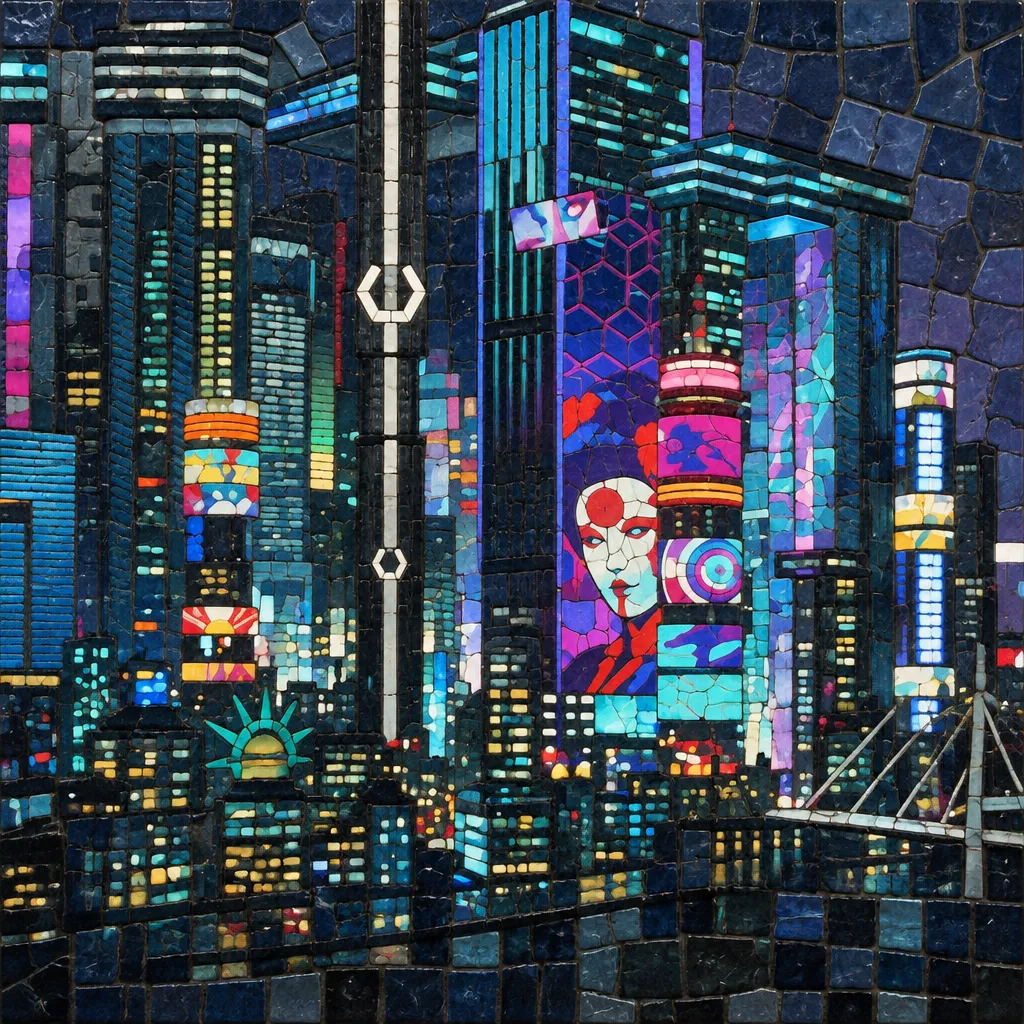
Synthwave is a retro-futurist electronic genre that revives and reimagines the sound, texture, and visual culture of 1980s film scores, television themes, arcade games, and synth-pop. Characterized by analog-style synthesizers, arpeggiated basslines, neon-soaked melodies, and gated-reverb drums, it blends nostalgia with cinematic drama. Substyles include the uplifting, driving "outrun" sound, the softer and romantic "dreamwave/chillsynth," and the heavier, horror-tinged "darksynth." Typical sound palettes reference instruments like the Roland Juno series, Yamaha DX7, Oberheim and Prophet polysynths, with drum machines such as the LinnDrum, TR-707, and 909 (or their modern emulations).
Discover
Listen
Dark Ambient
Dark ambient is a post‑industrial subgenre that coalesced in the mid‑1980s, drawing primarily on ambient music but shifting its focus toward ominous, subterranean space and timbre. It is characterized by long, low‑frequency drones; dissonant or microtonal overtones; and an enveloping, gloomy or catacomb‑like atmosphere. While largely electronic (synthesizers, samplers, tape and digital processing), artists frequently incorporate field recordings, contact‑mic textures, bowed metal, gongs, and fragments of traditional instruments captured with semi‑acoustic techniques and then heavily processed. Melody and pulse are minimized; instead the music emphasizes immersive sound design, psychoacoustic detail, and slowly evolving textures that evoke dread, awe, and isolation.
Discover
Listen
Ambient
Ambient is a form of electronic and electroacoustic music that prioritizes tone, atmosphere, and texture over conventional song structures and rhythmic drive. It typically features slow-moving harmonies, sustained drones, gentle timbral shifts, and extensive use of space and silence. Rather than drawing attention to itself through hooks or beats, ambient is designed to be as ignorable as it is interesting, rewarding both background listening and focused immersion. Artists often employ synthesizers, samplers, tape loops, field recordings, and subtle acoustic instruments, with reverb and delay creating a sense of place. Substyles range from luminous, consonant soundscapes to darker, more dissonant atmospheres.
Discover
Listen
Show all 24 genres
Albums
2025
3
/5
FM'92
Willix
Synthwave
Hardwave
2025
3
/5
carving your name into my skin
Willix
Hardwave
2024
1
/5
let me rot in your arms
Willix
Synthwave
Hardwave
Dark Ambient
2024
2
/5
memory_03
Willix
Synthwave
Hardwave
2024
3
/5
the morning after
Willix
Synthwave
Hardwave
2024
3
/5
my little winter
Willix
Synthwave
Hardwave
Dark Ambient
2024
1
/5
I love you
Willix
Synthwave
Hardwave
2024
3
/5
death in inertia
Willix
Synthwave
Hardwave
2023
3
/5
Silence , I'm Dying.
Willix
Hardwave
Synthwave
2022
3
/5
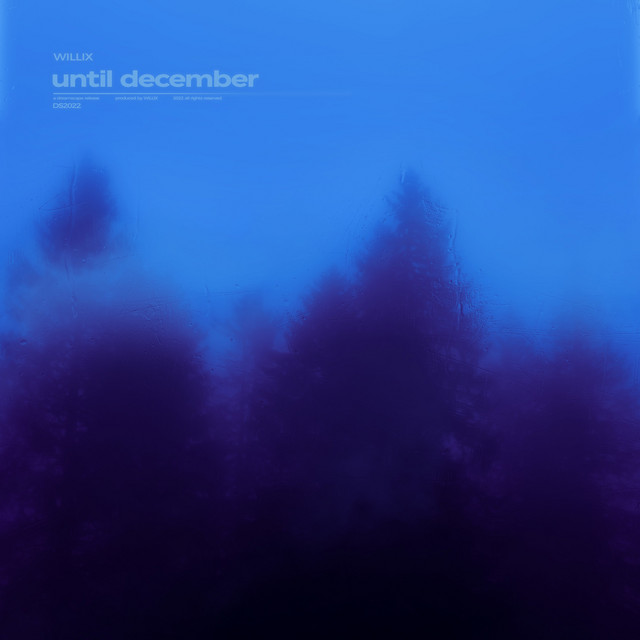
until december
Willix
Synthwave
Hardwave
Similar artists
4
/5
Øneheart
Hardwave
Ambient
Dark Ambient
4
/5
Antent
Hardwave
Ambient
Dark Ambient
3
/5
c152
Synthwave
Ambient
Breakcore
1
/5
Various Artists
Afro-Funk
Alternative Rock
Ambient
3
/5
Ulver
Post-Metal
Avant-Garde
Black Metal
3
/5
Blut Own
Chillstep
Hardwave
Ambient
2
/5
lostlight
Ambient
Dark Ambient
Electroclash
2
/5
stellar
Ambient
Dark Ambient
Slushwave
4
/5
.diedlonely
Ambient
Dark Ambient
Ambient Lo-Fi
4
/5
my head is empty
Ambient
Dark Ambient
Ambient Lo-Fi
Download our mobile app
Get the Melodigging app and start digging for new genres on the go
Download on the App Store
Get it on Google Play
© 2026 Melodigging
Give feedback
Legal
Melodding was created as a tribute to
Every Noise at Once
, which inspired us to help curious minds keep digging into music's ever-evolving genres.