Genres
Artists
Albums
Make Music
Sign in
Sign in
Artists
Ambient
Artists
Ambient
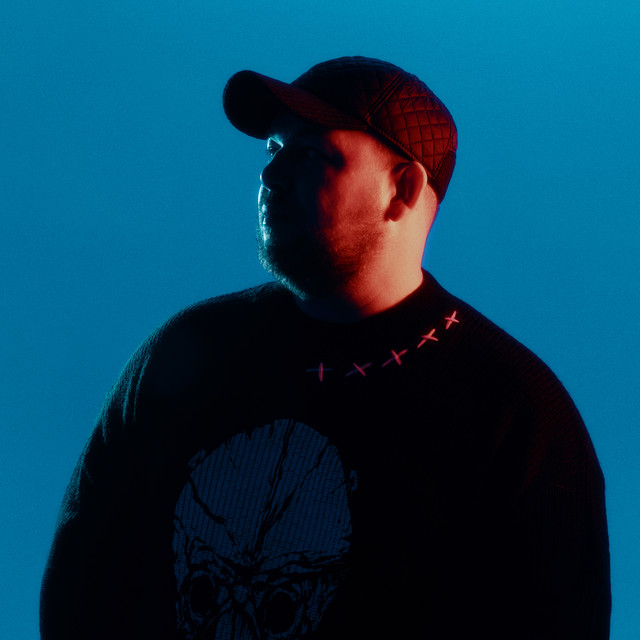
.diedlonely
2023
·
3 albums
Listen
4
/5
Genres
Corecore
Corecore is an internet-native, collage-heavy audiovisual microgenre that turns the endless stream of online content into emotionally charged montages. It typically pairs melancholic or atmospheric music with rapid-fire edits of news clips, social-media posts, movie fragments, webcam confessions, and found audio, using juxtaposition to evoke overload, alienation, and fragile intimacy in the age of feeds. While it is primarily known as a video-editing aesthetic (especially on TikTok), its musical identity leans on ambient, vaporwave, breakcore, and experimental collage, favoring texture, mood, and narrative over traditional song structure. Rather than having a fixed sonic palette, corecore uses existing tracks—often downtempo, hazy, or nostalgic—then re-contextualizes them with speech samples and visual montage to produce catharsis and social commentary.
Discover
Listen
Sexy Drill
Sexy drill is a contemporary offshoot of drill that blends the genre’s signature sliding 808s, icy textures, and syncopated hi-hats with flirtatious, romantic, and often explicitly sensual lyrics. Where traditional drill leans into menace and street reportage, sexy drill softens the edges with melodic hooks, R&B-inflected toplines, and playful, self-assured delivery. The result is a club-ready, fashion-forward sound that keeps the rhythmic bite of UK/NY drill but swaps violent imagery for confident seduction and intimate narratives. Production typically sits around 138–145 BPM with gliding bass, chopped vocal stabs, airy pads, and bright percussive details. Vocals may alternate between rapped verses and sung refrains, frequently enhanced by tasteful Auto-Tune and ad‑libs that heighten the sultry mood.
Discover
Listen
Ambient Lo-Fi
Ambient lo-fi blends the spacious, texture-driven soundscapes of ambient music with the intimate, imperfect aesthetics of lo‑fi recording and production. Expect soft pads, tape hiss, vinyl crackle, gentle guitar swells, field recordings, muted pianos, and unobtrusive, often beatless or barely-there rhythms. Harmonic movement is slow and consonant, with modal or drone foundations and lots of reverb, flutter, and saturation to convey warmth and closeness. It thrives as background-friendly music for reading, studying, sleeping, or decompression, prioritizing atmosphere and tactile sound design over hooks or complex form.
Discover
Listen
Modern Downshift
Modern downshift is a contemporary, playlist-era microgenre that blends hushed alternative pop and alt‑R&B sensibilities with the spaciousness of downtempo and ambient pop. Songs are typically slow to mid‑tempo, minimal in arrangement, and intimate in vocal delivery—often breathy, close‑miked, and confessional. Production emphasizes warmth and negative space: soft sub‑bass, restrained percussion, reverb‑washed pads or guitars, and gentle saturation that keeps the overall texture velvety and nocturnal. Lyrically, the style skews introspective and late‑night: relationships, vulnerability, quiet self‑reflection, and the emotional afterglow of parties or city drives. The result is music that feels low‑key and cinematic—designed as much for solitary listening as for low‑light social settings.
Discover
Listen
Post-Dubstep
Post-dubstep is a loosely defined wave of UK-born electronic music that grew out of dubstep but moved away from its rigid 140 BPM wobble-bass formula. It keeps the bass-weight, sound-system focus, and rhythmic syncopation of dubstep and UK garage, but folds in house and techno tempos, R&B vocal chops, ambient space, and experimental production. Typical tracks explore 120–135 BPM (not fixed at 140), use broken 2‑step/garage swing instead of 4/4, and favor detailed sound design over maximal drops. You’ll often hear hushed, intimate vocals (sampled or original), neo-soul/jazz-influenced chords, and micro-edited percussion with lots of negative space. The mood is frequently introspective, melancholic, and textural—more headphone-oriented than festival-leaning—yet still rooted in club culture.
Discover
Listen
Slushwave
Slushwave is a vaporwave-derived microgenre that stretches samples and synth textures into foggy, glacial soundscapes. Tracks are typically very slow, drenched in reverb and delay, and layered with tape hiss, vinyl crackle, and other lo‑fi artifacts to create an enveloping, dreamlike ambience. Rather than the chopped, ironic collage associated with early vaporwave, slushwave favors long pads, smeared chords, and minimal or absent percussion. When drums appear, they are subdued and distant. The genre often draws from new age, city pop, smooth jazz, and soft adult‑contemporary sources, pitching them down and elongating them into warm, melancholic drones that evoke late‑night memory, urban solitude, and liminal spaces.
Discover
Listen
Vaporwave
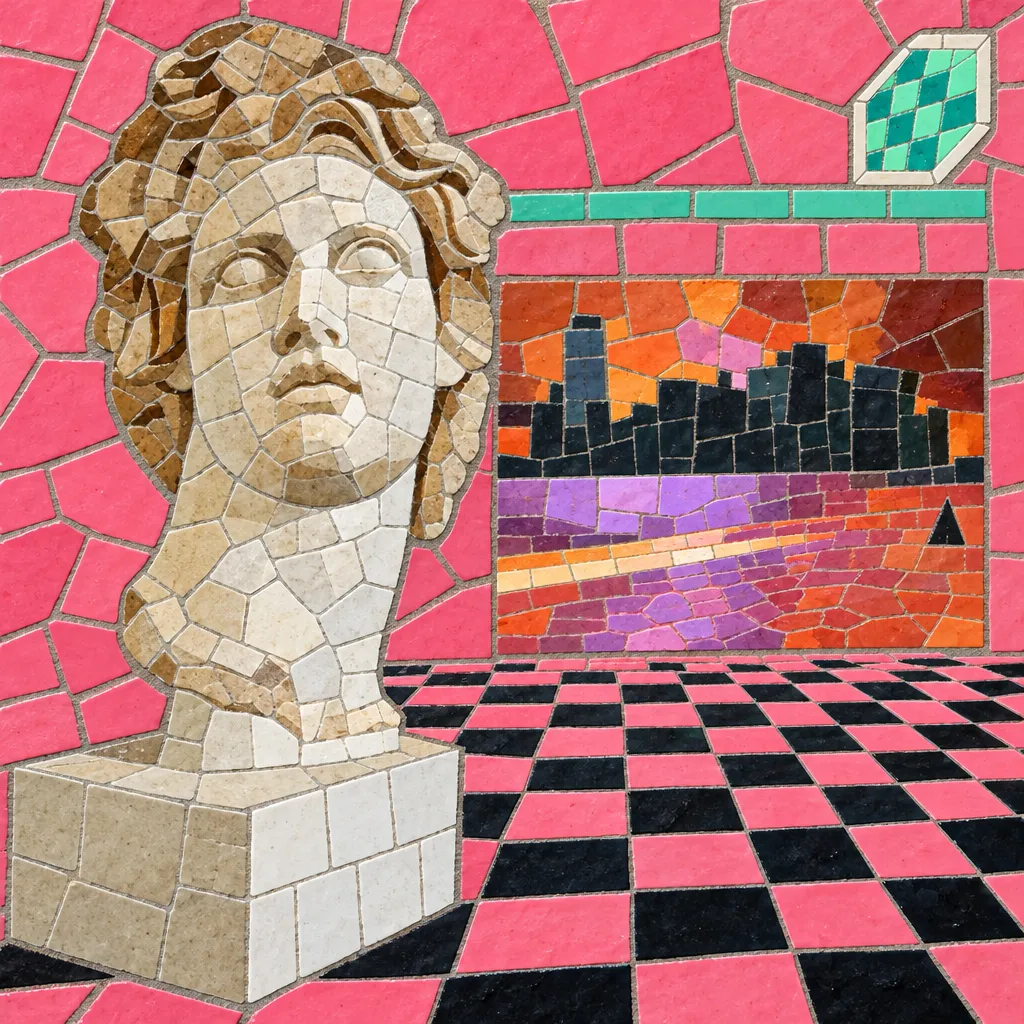
Vaporwave is an internet-born microgenre and visual aesthetic that repurposes late‑20th‑century commercial sound—mu zak, smooth jazz, soft rock, synth‑pop, city pop, and corporate training tapes—into hazy, slowed, and looped collages. Its sound foregrounds pitched‑down samples, heavy reverb, tape hiss, vinyl crackle, and dreamy pads to evoke a mood between satire and sincere nostalgia. Beyond music, vaporwave is inseparable from its graphic language: Greco‑Roman busts, Japanese text, retro operating systems, chrome logos, palm trees, neon gradients, and “mall culture” architecture. The result feels like a haunted shopping mall: part critique of consumer capitalism, part wistful memory of media and retail spaces from the 1980s–2000s. Tempos are typically slow (roughly 60–90 BPM), harmonies tend toward lush seventh and extended chords, and rhythms range from barely perceptible loops to minimal, gated drum programming. Many tracks are short, vignette‑like studies in texture and mood.
Discover
Listen
Liminal Space
Liminal space is an internet-borne microgenre/aesthetic of ambient and vaporwave-adjacent music that aims to evoke the uncanny feeling of being in empty transitional places—deserted school corridors, unlit parking structures, late-night office lobbies, or closed shopping malls. Sonically, it blends hushed drones, diffuse synth pads, tape hiss, and faraway environmental noises with fragments of public-address announcements or detuned muzak. The harmonic language is static, unresolved, and memory-like, with slow fades, extreme reverberation, and time-stretching that flatten the sense of motion. The result is a dreamlike, nostalgic, and often eerie atmosphere that feels suspended between past and present, presence and absence.
Discover
Listen
Hardwave
Hardwave is a high-energy offshoot of the online wave movement that fuses cinematic atmospheres and melancholic melodies with the power and structure of club music. It typically features soaring trance-like leads, heavy sidechained pads, reese subs, and emotive progressions set against either four-on-the-floor or halftime rhythms around 120–150 BPM. Compared with classic wave, hardwave is more driving and festival-ready, borrowing the euphoric drops and supersaw sound design of hardstyle and trance while retaining the moody, spacious qualities of wave and witch house.
Discover
Listen
Broken Transmission
Broken transmission is a vaporwave-adjacent microgenre built from fragmented, channel-surfing collages of analog broadcast ephemera. Producers splice together tiny shards of TV idents, news stingers, commercials, interstitial music, and dead air, emphasizing tape hiss, static, dropouts, and tuning noise as musical material. Often beatless or only loosely pulsed, tracks unfold like late-night flipping through channels: abrupt cuts, fleeting jingles, station sign‑offs, and half-heard voiceovers that dissolve into snow. The result is a liminal, hauntological mood—nostalgia filtered through the mechanical errors and material decay of VHS, cable boxes, and broadcast tape. Where classic vaporwave slows and loops pop smoothness, broken transmission foregrounds the texture of the medium itself. It treats errors, transitions, and broadcast artifacts as hooks, creating an uncanny documentary of mediated memory.
Discover
Listen
Color Noise
Color noise is an umbrella term for steady‑state, spectrally shaped noise used as an end in itself for listening, masking, sleep, focus, and relaxation. Instead of musical melodies or beats, it presents continuous sound with a specific spectral tilt ("color") such as white (flat spectrum), pink (−3 dB per octave), brown or brownian (−6 dB per octave), blue (+3 dB per octave), violet (+6 dB per octave), and gray (psychoacoustically equal‑loudness shaped). As a listening genre, color noise emphasizes function and timbral nuance over song form: seamless loops, stable loudness, extremely low dynamic range, and gentle filtering. It sits at the intersection of sound design, psychoacoustics, audio engineering, and wellness media, and is commonly delivered via long streams, playlists, and apps rather than traditional albums.
Discover
Listen
Chill Beats
Chill beats is a mellow, predominantly instrumental hip‑hop offshoot defined by relaxed tempos, loop‑based arrangements, and a warm, nostalgic sound palette. Producers favor vinyl crackle, tape hiss, gentle side‑chain swells, and soft saturation that evoke the feel of bedroom recordings and vintage media. Musically, it leans on boom‑bap drum sensibilities, jazzy seventh and ninth chords, and short, ear‑worm motifs rather than extended melodies or virtuosic solos. Tracks are concise, hypnotic, and unobtrusive—crafted to sit comfortably in the background while still rewarding close listening. Aesthetically it is closely tied to online culture: anime and study visuals, cozy/nighttime urban imagery, and continuous livestream “radio” formats popularized the style. The genre’s purpose‑built calmness has made it a go‑to soundtrack for studying, reading, coding, and winding down.
Discover
Listen
Future Ambient
Future ambient is a contemporary strain of ambient music that blends classic beatless atmospheres with modern sound design and post-dubstep, IDM, and minimal techno sensibilities. It typically emphasizes wide, cinematic pads; granular and spectral processing; subtly evolving textures; and low-end sculpting borrowed from modern electronic production. Rhythms, when present, are usually subliminal—pulses, shuffled ghost-kicks, or distant, hazy percussion—so the music retains an essentially immersive, contemplative character while feeling unmistakably current. Compared with 1990s ambient techno and early drone, future ambient tends to be cleaner in its spatial imaging, more detailed in micro-sound events, and more influenced by contemporary mixing and mastering aesthetics developed for headphones and streaming.
Discover
Listen
Neo-Grime
Neo-grime is a modern, experimental mutation of grime that retools the icy, 140 BPM template with contemporary sound design, skeletal rhythms, and a focus on atmosphere as much as impact. Where classic grime emphasized MC-led bangers and rough-and-ready club functionality, neo-grime often privileges instrumental detail, negative space, and futuristic textures—glassine pads, sub‑heavy bass, and detuned square-wave leads—while still retaining grime’s stark drum language and UK underground swagger. The result is a style that can swing between weightless ambience and steel-edged percussion, equally at home in forward-thinking club nights and headphone listening.
Discover
Listen
Pov: Indie
"pov: indie" is a social-media-native microstyle built around short, cinematic indie-pop/indie-rock snippets designed to accompany a first-person (POV) narrative. Instead of being defined by a single new musical technique, it is defined by context: the music is chosen or written to feel like the soundtrack to a specific moment (a crush, a late-night walk, moving to a new city, seasonal nostalgia). Sonically it typically uses bright but soft guitars or synths, intimate vocals, simple memorable hooks, and production that reads clearly on phone speakers. The emotional tone is often wistful, tender, and “coming-of-age,” with lyrics that can be understood quickly in a 10–30 second clip.
Discover
Listen
Spamwave
Spamwave is a microgenre of vaporwave and sample-based collage that centers on the sounds, aesthetics, and affect of early-2000s internet clutter: spam emails, robocalls, pop‑up ads, infomercials, and adware/OS notifications. Producers loop, time‑stretch, and detune these commercial and computational artifacts into hypnotic, uncanny textures that feel both nostalgic and slightly menacing. Musically, spamwave favors slow to mid‑tempo loops, heavy reverb, pitch shifting, and granular edits. It blends corporate muzak, hold music, TTS voices, dial tones, and UI sounds with vaporwave’s dreamy pads and tape‑hiss patina. The result is a haunted-office ambience—equal parts retro tech nostalgia and digital detritus.
Discover
Listen
Vapor
Vapor is an internet-born microgenre of atmospheric, half-time electronic trap that emphasizes space, texture, and emotive melody over aggression or technical flash. Its sonic palette leans on airy pads, crystalline bell and pluck leads, misty reverb tails, and round, subby 808s. Drums typically follow a modern trap grid at halftime, with sparse, syncopated hats and gentle percussion instead of hard-edged snares. Vocals, if present at all, are usually textural—chopped phrases, distant calls, or heavily processed one-shots—serving ambience rather than lyrical narrative. The result is a dreamy, nocturnal mood that sits between cloud rap, vaporwave aesthetics, and the UK-led "wave" scene: cinematic yet minimal, melancholic yet weightless, and designed as much for headphones as for late-night club systems.
Discover
Listen
Zess
Zess is a contemporary street‑party sound from Trinidad and Tobago that crystallized in the late 2010s among working‑class youth. Musically it blends soca’s call‑and‑response hooks and carnival energy with trap/dancehall drum programming, 808‑heavy low end, and Auto‑Tuned sing‑rap flows. Tempos are slower than power soca, and minor‑key melodies plus sub‑bass weight create a darker, bass‑forward club feel. Lyrically, zess is provocative: sexual bravado, street talk, and occasional gang‑related themes sit alongside celebratory “liming” and party anthems. The culture around it—often called the “zesser” movement—centers fashion, swagger, and Trinidadian Creole slang while keeping the music firmly aimed at dancing.
Discover
Listen
Dark Ambient
Dark ambient is a post‑industrial subgenre that coalesced in the mid‑1980s, drawing primarily on ambient music but shifting its focus toward ominous, subterranean space and timbre. It is characterized by long, low‑frequency drones; dissonant or microtonal overtones; and an enveloping, gloomy or catacomb‑like atmosphere. While largely electronic (synthesizers, samplers, tape and digital processing), artists frequently incorporate field recordings, contact‑mic textures, bowed metal, gongs, and fragments of traditional instruments captured with semi‑acoustic techniques and then heavily processed. Melody and pulse are minimized; instead the music emphasizes immersive sound design, psychoacoustic detail, and slowly evolving textures that evoke dread, awe, and isolation.
Discover
Listen
Ambient
Ambient is a form of electronic and electroacoustic music that prioritizes tone, atmosphere, and texture over conventional song structures and rhythmic drive. It typically features slow-moving harmonies, sustained drones, gentle timbral shifts, and extensive use of space and silence. Rather than drawing attention to itself through hooks or beats, ambient is designed to be as ignorable as it is interesting, rewarding both background listening and focused immersion. Artists often employ synthesizers, samplers, tape loops, field recordings, and subtle acoustic instruments, with reverb and delay creating a sense of place. Substyles range from luminous, consonant soundscapes to darker, more dissonant atmospheres.
Discover
Listen
Electronic
Electronic is a broad umbrella genre defined by the primary use of electronically generated or electronically processed sound. It encompasses music made with synthesizers, drum machines, samplers, computers, and studio/tape techniques, as well as electroacoustic manipulation of recorded or synthetic sources. The genre ranges from academic and experimental traditions to popular and dance-oriented forms. While its sonic palette is rooted in electricity and circuitry, its aesthetics span minimal and textural explorations, structured song forms, and beat-driven club permutations. Electronic emphasizes sound design, timbre, and studio-as-instrument practices as much as melody and harmony.
Discover
Listen
Show all 21 genres
Albums
2023
3
/5
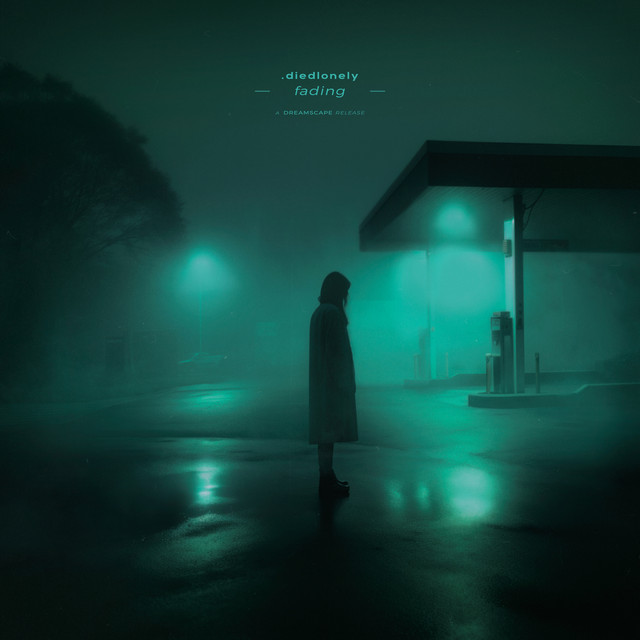
fading
.diedlonely
Dark Ambient
Ambient
Ambient Lo-Fi
2023
4
/5
bipolar
.diedlonely
Ambient
Dark Ambient
Ambient Lo-Fi
2023
3
/5
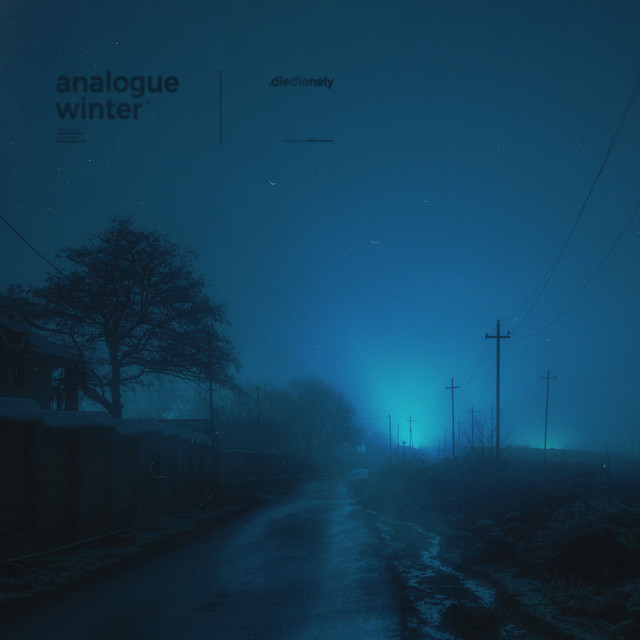
analogue winter
.diedlonely
Dark Ambient
Ambient Lo-Fi
Ambient
Similar artists
4
/5
my head is empty
Ambient
Dark Ambient
Ambient Lo-Fi
3
/5
leadwave
Ambient
Dark Ambient
Ambient Lo-Fi
3
/5
insensible
Dark Ambient
Ambient Lo-Fi
Ambient
3
/5
a vow
Dark Ambient
Ambient
Ambient Lo-Fi
4
/5
Øneheart
Hardwave
Ambient
Dark Ambient
4
/5
daniel.mp3
Dark Ambient
Ambient Lo-Fi
Post-Dubstep
3
/5
Ødyzon
Ambient
Dark Ambient
Ambient Lo-Fi
3
/5
endless withdrawal
Ambient
Dark Ambient
Ambient Lo-Fi
3
/5
TileKid
Dark Ambient
Ambient Lo-Fi
Analog Horror
3
/5
analog_mannequin
Dark Ambient
Ambient Lo-Fi
Post-Dubstep
Download our mobile app
Get the Melodigging app and start digging for new genres on the go
Download on the App Store
Get it on Google Play
© 2026 Melodigging
Give feedback
Legal
Melodding was created as a tribute to
Every Noise at Once
, which inspired us to help curious minds keep digging into music's ever-evolving genres.