Genres
Artists
Albums
Make Music
Sign in
Sign in
Artists
Electronic
Artists
Electronic
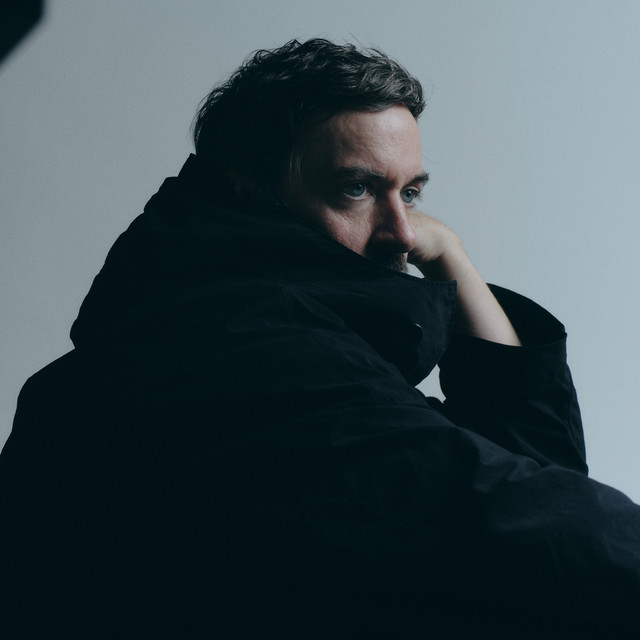
Weval
2023–2025
·
2 albums
Listen
3
/5
Genres
Chill Drill
Chill drill is a mellow, melodic offshoot of UK drill that keeps the style’s distinctive sliding 808s, syncopated hi-hats, and snare-on-3 placement, but softens the overall timbre and mood. Instead of ominous synths and harsh textures, it leans on airy pads, Rhodes pianos, gentle guitar loops, and lo‑fi ambience. Vocals tend to be more introspective and tuneful, with sing-rap hooks, laid-back cadences, and reflective lyric themes (romance, ambition, day-to-day life). The result bridges drill’s rhythmic identity with chillhop and lo‑fi hip hop’s relaxed atmosphere, creating tracks that are both groove-driven and easy to live with.
Discover
Listen
Indian Indie
Indian indie is the umbrella for independent, non-film music made in India across languages such as Hindi, English, and numerous regional tongues. It is defined more by its DIY production and artist-led release model than by a single sound. Musically, it spans indie pop and rock, folk-fusion, singer‑songwriter ballads, dream‑pop/shoegaze textures, and electronic‑leaning productions. Artists often blend Western harmony and song forms with raga‑tinged melodies, Indian rhythmic feels, and occasional use of traditional instruments like tabla, bansuri, or sitar. The scene grew rapidly with college festivals, small venues, and digital platforms (YouTube, streaming services, Bandcamp), plus boutique labels and festivals such as NH7 Weekender that created national visibility. Lyrically, it tends to be intimate and contemporary—touching on romance, urban life, identity, and nostalgia—while maintaining accessible hooks and warm, organic sonics.
Discover
Listen
Modern Jungle
Modern jungle is a contemporary revival and development of early‑to‑mid 1990s jungle that combines classic breakbeat science with today’s production standards. Producers retain the genre’s signature rapid‑fire chopped breaks (most famously the Amen, Think, and Apache breaks), sub‑heavy basslines, and dubwise sample culture, but render them with cleaner low‑end, wider stereo imaging, and precise digital edits. Typically running between 160–170 BPM, modern jungle balances nostalgia for pirate‑radio energy and rave euphoria with forward‑looking ideas. It freely borrows from footwork and juke’s 160 BPM momentum, folds in dub and dancehall vocal snippets, and often pairs rugged drums with dreamy pads or ambient textures. The result is music that can feel both vintage and futuristic—raw, rolling, and eminently dance‑focused, yet detailed enough for close headphone listening.
Discover
Listen
Post-Dubstep
Post-dubstep is a loosely defined wave of UK-born electronic music that grew out of dubstep but moved away from its rigid 140 BPM wobble-bass formula. It keeps the bass-weight, sound-system focus, and rhythmic syncopation of dubstep and UK garage, but folds in house and techno tempos, R&B vocal chops, ambient space, and experimental production. Typical tracks explore 120–135 BPM (not fixed at 140), use broken 2‑step/garage swing instead of 4/4, and favor detailed sound design over maximal drops. You’ll often hear hushed, intimate vocals (sampled or original), neo-soul/jazz-influenced chords, and micro-edited percussion with lots of negative space. The mood is frequently introspective, melancholic, and textural—more headphone-oriented than festival-leaning—yet still rooted in club culture.
Discover
Listen
Deep Deep Tech House
Deep deep tech house is a particularly stripped‑back, hypnotic strain of tech house that leans heavily into deep house harmony and minimal, dub‑tinged textures. It keeps the 4/4 groove and club functionality of house while favoring restrained arrangements, long tension arcs, and subtle sound‑design over big breakdowns. Typical tempos sit around 120–126 BPM; drums emphasize tight 909‑style hats and crisp, short kicks; basslines are warm, rolling subs that lock with lightly swung percussion; harmonic content tends to be sparse—muted chord stabs, airy pads, and occasional soulful vocal fragments used as texture rather than focal hooks. The overall aim is an immersive “head‑down” flow that rewards long blends and extended sets. The palette and structure trace back to tech house’s fusion of house and techno and to deep house’s smoother harmonies.
Discover
Listen
Gauze Pop
Gauze pop is a hazy, soft‑focus strain of indie and electronic pop built around breathy vocals, blurred textures, and nostalgic synth palettes. The term evokes music that feels veiled—like hearing a pop song through gauze—where reverb, delay, chorus, and tape‑like warble soften contours and melt rhythms into a pastel wash. Musically it blends the tunefulness of synth‑pop and indietronica with the dreamy atmospherics of chillwave and dream pop. Tempo tends to sit in a relaxed mid‑range, drums are cushioned and low‑passed, and harmonies favor warm major‑7ths and add9 colors. The result is intimate, memory‑soaked pop that’s equal parts bedroom‑made and cinema‑wide.
Discover
Listen
Psybass
Psybass (often written psy-bass) is a psychedelic bass-music style that blends the sound-design mentality of psytrance with the swagger and groove of modern bass genres. It typically runs at midtempo speeds, emphasizes hypnotic low-end movement, and layers kaleidoscopic textures over organic percussion and field recordings. Expect intricately modulated basslines, trippy FX, and elastic halftime rhythms. The mood ranges from shamanic and ceremonial to futuristic and glitchy, with arrangements that breathe—swelling from spacious, downtempo passages into dense, polyrhythmic climaxes. Tonally, psybass leans on modal and drone-like harmonies (Dorian, Phrygian, pentatonic colors) and often incorporates timbres from world instruments and nature recordings, while maintaining an unmistakably electronic, high-fidelity sheen.
Discover
Listen
Dark Disco
Dark disco is a mid‑tempo, nocturnal strain of club music that fuses the hypnotic pulse of disco with the grit of post‑punk, EBM, coldwave, and industrial. It favors ominous basslines, minor‑key harmonies, reverb‑soaked guitars and vocals, and analog synth textures, resulting in a moody, cinematic atmosphere that is equally suited to sweaty basements and late‑night festival stages. Tempos typically sit between 105–120 BPM, with emphasis on groove, tension, and shadowy drama rather than maximal speed or brightness.
Discover
Listen
Electrofox
Electrofox is a microgenre of sleek, upbeat electropop that blends indie-pop songwriting with glossy, dance‑ready electronic production. Tracks emphasize punchy four‑on‑the‑floor or syncopated grooves, bright synth leads, side‑chained bass, and concise, hook‑driven melodies. Compared to broader electropop, electrofox skews especially bouncy and glittering in its texture palette (arpeggiators, plucked synths, vocal chops), while keeping arrangements tight and radio‑friendly. Lyrical themes often center on nightlife, youthful romance, and feel‑good energy, delivered with clean, confident vocals and big, shout‑along choruses.
Discover
Listen
Hybrid Trap
Hybrid trap is an EDM subgenre that fuses Southern hip hop–derived trap rhythms and 808 low end with the sound-design intensity and drop-centric structure of dubstep and electro house. It typically runs at 75/150 BPM in a halftime feel, features skittering hi-hats and snare/clap hits on beat three, and pairs punchy 808 kick–sub combos with midrange growls, reese basses, screeches, and cinematic brass stabs. Producers lean heavily on modern synthesis, resampling, and aggressive processing (distortion, multiband compression, OTT) to craft dynamic, call-and-response drops suited to festival stages. Compared with “classic” EDM trap, hybrid trap places greater emphasis on dubstep-like bass design, complex fills, and theatrical builds, while retaining trap’s swaggering grooves and minimalistic, percussive motifs.
Discover
Listen
Indie Triste
Indie triste ("sad indie") is a Spanish‑language micro‑scene of indie pop/folk that foregrounds intimate, melancholic songwriting and understated, bedroom‑made production. Its core sound blends soft acoustic guitars, gently pulsing rhythms, close‑mic’d vocals, and lo‑fi textures, often wrapped in reverb and tape‑like warmth. Thematically, the songs dwell on heartache, small‑town longing, fleeting youth, and late‑night introspection. While rooted in indie folk and singer‑songwriter traditions, the style embraces contemporary bedroom pop aesthetics and dream‑pop atmospheres, prioritizing mood and storytelling over virtuoso display.
Discover
Listen
Neurostep
Neurostep is a hybrid subgenre that merges the sound‑design intensity of neurofunk drum & bass with the halftime groove and weight of dubstep. Typically sitting around 140 BPM (sometimes 150), it emphasizes intricate, constantly morphing bass timbres, razor‑edged transients, and tightly engineered drops. Compared to classic dubstep, neurostep is less about sparse wobble basses and more about complex, resampled, FM/phase‑modulated bass layers that evolve bar by bar. The drums are punchy and surgical—kicks carve through dense low‑end, snares land hard on the third beat, and ghosted percussion and glitch fills keep momentum between phrases. Its overall aesthetic is dark, technical, and cinematic: dystopian atmospheres, granular textures, and call‑and‑response bass motifs are common, while breakdowns often showcase sound‑design detail and tension before a precision‑engineered drop.
Discover
Listen
Organic Electronic
Organic electronic is a downtempo, groove‑driven branch of electronic music that blends acoustic and world instruments with modern production. Typically sitting around 100–115 BPM, it favors hand percussion, mallets, strings, winds, and field recordings over hard-edged drum machines. The result is a warm, tactile sound where shakers, frame drums, and ethnic instruments (such as oud, kora, saz, flutes, or kalimba) weave through gentle synth pads and understated basslines. Melodic language often leans on modal colors (Dorian, Phrygian, Mixolydian) and drone‑like sustains, creating a hypnotic, earthy atmosphere. Born from bohemian club culture and outdoor gatherings, the style emphasizes long, evolving arrangements, subtle crescendos, and humanized timing—music equally at home on intimate dancefloors, sunset sets, and mindful listening contexts.
Discover
Listen
Downtempo
Downtempo is a mellow, groove-oriented branch of electronic music characterized by slower tempos, plush textures, and a focus on atmosphere over dancefloor intensity. Typical tempos range from about 60–110 BPM, with swung or laid-back rhythms, dub-informed basslines, and warm, jazz-tinged harmonies. Stylistically, it blends the spaciousness of ambient, the head-nodding rhythms of hip hop and breakbeat, and the cosmopolitan smoothness of lounge and acid jazz. Producers often use sampled drums, Rhodes or Wurlitzer electric pianos, guitar licks with delay, and field recordings to create intimate, cinematic soundscapes. The mood spans from soulful and romantic to introspective and dusk-lit, making it a staple of after-hours listening, cafes, and relaxed club back rooms.
Discover
Listen
Leftfield
Leftfield is a broad umbrella term for experimental, boundary‑pushing electronic and dance music that sits to the "left" of the mainstream. Rather than adhering to standard club formulas, it privileges adventurous sound design, unexpected rhythms, and collage‑like production choices. While the term is sometimes used loosely, in practice it refers to a UK‑rooted sensibility that blends elements of house, techno, ambient, dub, breakbeat, and hip‑hop into unconventional forms. Leftfield music often emphasizes texture and atmosphere, favors asymmetry over predictable drops, and prizes originality over genre purity.
Discover
Listen
Microhouse
Microhouse is a sparse, detail‑oriented strain of house music that strips grooves down to their essentials and focuses on micro‑edits, subtle percussive textures, and small timbral changes over time. Typically hovering around 118–126 BPM, it favors dry 4/4 kicks, shuffled hi‑hats, sub‑bass pulses, and meticulously arranged glitches, clicks, and found sounds. Rather than big breakdowns, microhouse builds tension through repetition, negative space, and tiny variations, often borrowing the reductionist ethos of minimal techno and the textural play of glitch and IDM. The result is club music that feels intimate and hypnotic: danceable yet restrained, warm yet abstract, and deeply attentive to sound design and micro‑timing.
Discover
Listen
Progressive Breaks
Progressive breaks is a melodic, atmospheric branch of breakbeat that applies the long-form arrangement, harmonic richness, and textural detail of progressive house and progressive trance to syncopated breakbeat rhythms. Typically in the 125–135 BPM range, it features wide stereo pads, evolving arpeggios, deep and warm basslines, and patient, DJ‑friendly builds. Rather than the raw, ravey edge of classic breaks or the gnarlier energy of nu skool breaks, progressive breaks prefers cinematic sound design, modal harmonies, and gradual tension-and-release across extended arrangements. The result is dancefloor music that feels transportive and emotive: rolling break patterns underpin soaring chords and motifs, with motifs introduced, developed, and recontextualized over many minutes.
Discover
Listen
Drum And Bass
Drum and bass (DnB) is a fast, rhythmically intricate form of electronic dance music centered on breakbeats at roughly 160–180 BPM and powerful, sub‑heavy basslines. It grew out of the UK’s early ’90s rave and jungle scenes, combining chopped funk breaks (most famously the Amen break), dub and reggae sound‑system aesthetics, hip‑hop sampling, and techno’s futurist sound design. Across its many substyles—liquid funk’s soulful harmonies, techstep and neurofunk’s cold, machine‑like bass engineering, jump‑up’s hooky bass riffs, atmospheric DnB’s pads and space—drum and bass remains a DJ‑oriented, dancefloor‑driven genre that prizes tight drum programming, deep low end, and precise arrangement for mixing.
Discover
Listen
Pop
Pop is a broad, hook-driven style of popular music designed for wide appeal. It emphasizes memorable melodies, concise song structures, polished vocals, and production intended for radio, charts, and mass media. While pop continually absorbs elements from other styles, its core remains singable choruses, accessible harmonies, and rhythmic clarity. Typical forms include verse–pre-chorus–chorus, frequent use of bridges and middle-eights, and ear-catching intros and outros. Pop is not defined by a single instrumentation. It flexibly incorporates acoustic and electric instruments, drum machines, synthesizers, and increasingly digital production techniques, always in service of the song and the hook.
Discover
Listen
Rock
Rock is a broad family of popular music centered on amplified instruments, a strong backbeat, and song forms that foreground riffs, choruses, and anthemic hooks. Emerging from mid‑20th‑century American styles like rhythm & blues, country, and gospel-inflected rock and roll, rock quickly expanded in scope—absorbing folk, blues, and psychedelic ideas—while shaping global youth culture. Core sonic markers include electric guitar (often overdriven), electric bass, drum kit emphasizing beats 2 and 4, and emotive lead vocals. Rock songs commonly use verse–chorus structures, blues-derived harmony, and memorable melodic motifs, ranging from intimate ballads to high‑energy, stadium‑sized performances.
Discover
Listen
Electronic
Electronic is a broad umbrella genre defined by the primary use of electronically generated or electronically processed sound. It encompasses music made with synthesizers, drum machines, samplers, computers, and studio/tape techniques, as well as electroacoustic manipulation of recorded or synthetic sources. The genre ranges from academic and experimental traditions to popular and dance-oriented forms. While its sonic palette is rooted in electricity and circuitry, its aesthetics span minimal and textural explorations, structured song forms, and beat-driven club permutations. Electronic emphasizes sound design, timbre, and studio-as-instrument practices as much as melody and harmony.
Discover
Listen
Show all 21 genres
Albums
2025
3
/5
Chorophobia
Weval
Progressive Breaks
Electronic
2023
2
/5
Remember
Weval
Microhouse
Downtempo
Electronic
Similar artists
4
/5
Bonobo
Instrumental Hip Hop
Jazztronica
Downtempo
3
/5
Nightmares On Wax
Bleep Techno
Trip Hop
Downtempo
1
/5
Various Artists
Afro-Funk
Alternative Rock
Ambient
4
/5
Four Tet
Folktronica
Idm
Electronic
3
/5
Floating Points
Idm
Gnawa
Electronic
4
/5
Jamie xx
Future Garage
Post-Dubstep
Electronic
3
/5
Rival Consoles
Ambient Idm
Idm
Compositional Ambient
3
/5
Tor
Erotic Product
Downtempo
Electronic
3
/5
Amon Tobin
Nu Jazz
Downtempo
Idm
3
/5
Christian Löffler
Organic Electronic
Melodic House
Electronic
Download our mobile app
Get the Melodigging app and start digging for new genres on the go
Download on the App Store
Get it on Google Play
© 2026 Melodigging
Give feedback
Legal
Melodding was created as a tribute to
Every Noise at Once
, which inspired us to help curious minds keep digging into music's ever-evolving genres.