Genres
Artists
Albums
Make Music
Sign in
Sign in
Artists
Crimean Tatar Music
Artists
Crimean Tatar Music
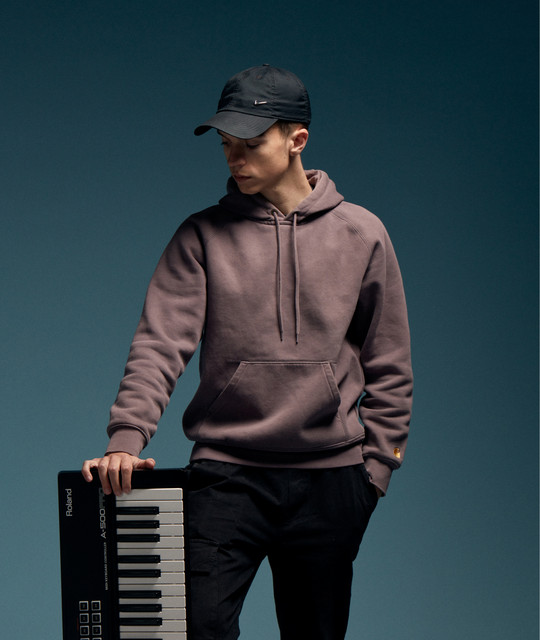
VINCENT MOON
7 albums
Listen
2
/5
Genres
Anime Lo-Fi
Anime lo-fi is a microstyle of lo-fi hip hop that pairs mellow, dusty boom‑bap beats with melodies and textures associated with Japanese animation. Producers often sample or emulate anime soundtracks, dialogue snippets, and sentimental J‑pop/VGM harmonies, then filter them through tape hiss, vinyl crackle, detuned keys, and softly sidechained drums. Beyond sound, the genre is inseparable from a visual culture of looping anime scenes (e.g., the iconic "study girl"), cozy late‑night ambience, and pastel palettes. The result is intimate, unobtrusive "study beats" designed for focus, calm, and gentle nostalgia—an internet-native mood music that sits between chillhop and vaporwave aesthetics.
Discover
Listen
Lo-Fi Beats
Lo-fi beats is a mellow, largely instrumental microgenre that blends hip hop drum programming with jazzy harmony and a deliberately "imperfect" sonic patina. Typical tracks feature gently swung drums, warm Rhodes or piano chords, soft bass, and textures like vinyl crackle, tape hiss, and room noise. Songs are loop-based, short, and unobtrusive—designed for background listening while studying, working, or relaxing. The tempo usually sits around 60–90 BPM, the frequency spectrum is softened with low‑pass filtering, and the overall mix is intentionally understated. The result is a cozy, nostalgic atmosphere that prioritizes mood over virtuosic display.
Discover
Listen
Lo-Fi Chill
Lo-fi chill is a mellow, downtempo, sample‑driven microgenre that blends the relaxed pace of chillout and downtempo with the dusty textures of lo‑fi recording aesthetics and hip‑hop beatmaking. Typically instrumental, it features swung drum grooves, vinyl crackle, gentle jazz harmonies, tape or cassette saturation, and short loop‑based arrangements designed for background listening, study, or relaxation. The emphasis is on warmth, imperfection, and mood over virtuosity, with subdued melodies, soft bass lines, and minimal dynamic contrasts creating a calming, introspective atmosphere.
Discover
Listen
Lo-Fi Latino
Lo-fi latino is a niche within lo-fi beat culture that blends the warm, imperfect aesthetics of lo-fi production (tape hiss, vinyl crackle, softened transients, and “bedroom” mixing) with Latin musical signifiers. It commonly features Latin percussion patterns (e.g., clave-derived syncopations), acoustic guitars, piano montunos, bolero/bossa-inspired harmonies, and samples or melodic motifs associated with Latin popular and Afro-Latin traditions. The genre is largely internet-native, built for background listening (study, late-night, cafes), while still retaining subtle groove and dance ancestry from Latin rhythms.
Discover
Listen
Chillwave
Chillwave is a late-2000s microgenre of electronic pop characterized by hazy, retro-tinged synthesizers, lo‑fi textures, understated drum machines, and heavily processed, dreamlike vocals. Its sound evokes sun-faded nostalgia, often referencing 1980s synth-pop and soft rock atmospheres filtered through cassette hiss, chorus, and reverb. Built by bedroom producers during the blog era, chillwave prizes mood over virtuosity: gentle major-seventh harmonies, loop-friendly motifs, and sidechain‑pumped pads create a warm, gauzy drift. Visual and conceptual aesthetics—VHS artifacts, pastel palettes, palm trees, and memories of an endless summer—are integral to its identity.
Discover
Listen
Jazz Beats
Jazz beats is a hip hop-adjacent instrumental style that foregrounds jazzy harmony, swing-inflected drum programming, and warm, sample-based textures. Producers stitch together Rhodes chords, upright bass, brushed snares, and sax or guitar licks into head-nodding grooves that feel intimate and mellow. Rooted in boom bap and jazz-rap traditions, the sound emphasizes loop craft and pocket over virtuosic solos, often evoking the cozy ambience of late-night sessions and vintage vinyl. In the streaming era, jazz beats became a staple of study and relaxation playlists, bridging classic jazz sensibilities with contemporary beatmaking aesthetics.
Discover
Listen
Downtempo
Downtempo is a mellow, groove-oriented branch of electronic music characterized by slower tempos, plush textures, and a focus on atmosphere over dancefloor intensity. Typical tempos range from about 60–110 BPM, with swung or laid-back rhythms, dub-informed basslines, and warm, jazz-tinged harmonies. Stylistically, it blends the spaciousness of ambient, the head-nodding rhythms of hip hop and breakbeat, and the cosmopolitan smoothness of lounge and acid jazz. Producers often use sampled drums, Rhodes or Wurlitzer electric pianos, guitar licks with delay, and field recordings to create intimate, cinematic soundscapes. The mood spans from soulful and romantic to introspective and dusk-lit, making it a staple of after-hours listening, cafes, and relaxed club back rooms.
Discover
Listen
Instrumental Hip Hop
Instrumental hip hop is a producer-driven form of hip hop that foregrounds beats, textures, and sampling rather than rapping. It typically centers on loop-based drum patterns, chopped samples from soul, jazz, funk, and library records, and a head‑nodding groove designed for deep listening as much as for DJs and MCs. The style emphasizes rhythm, timbre, and mood—swinging drums, dusty vinyl crackle, and melodic fragments treated as musical motifs. While rooted in classic boom bap aesthetics, instrumental hip hop ranges from minimal and meditative to densely collaged and psychedelic, reflecting both crate-digging traditions and studio experimentation.
Discover
Listen
Lo-Fi
Lo-fi is a music aesthetic and genre defined by an embrace of audible imperfections—tape hiss, clipping, room noise, distorted transients, and uneven performance—that would be treated as errors in high-fidelity recording. Emerging from the DIY ethos of American indie and punk scenes, lo-fi turns budget constraints and home-recording limitations into a signature sound. Songs are often intimate, direct, and unvarnished, prioritizing immediacy and personality over polish. Typical lo-fi recordings use 4-track cassette or similarly modest setups, simple chord progressions, and understated vocals, spanning rock, folk, pop, and experimental approaches while retaining a homemade warmth and nostalgic patina.
Discover
Listen
Hip Hop
Hip hop is a cultural and musical movement that emerged from Black, Latino, and Caribbean communities, centering around rapping (MCing), DJing/turntablism, sampling-based production, and rhythmic speech over beats. It prioritizes groove, wordplay, and storytelling, often reflecting the social realities of urban life. Musically, hip hop is built on drum-centric rhythms (from breakbeats to 808 patterns), looped samples, and bass-forward mixes. Lyrically, it ranges from party anthems and braggadocio to political commentary and intricate poetic forms, with flow, cadence, and rhyme density as core expressive tools. Beyond music, hip hop encompasses a broader culture, historically intertwined with graffiti, b-boying/b-girling (breakdance), fashion, and street entrepreneurship, making it both an art form and a global social language.
Discover
Listen
Gamelan Gong Kebyar
Gamelan gong kebyar is a modern Balinese gamelan ensemble and repertory whose name kebyar (“to flare up, to burst open”) captures its hallmark aesthetic: sudden flashes of sound, dazzling virtuosity, and extreme dynamic contrasts. It features tightly interlocking figurations (kotekan), explosive cue accents (angsel), rapid tempo shifts, and a brilliant, shimmering sonority created by paired bronze instruments tuned with intentional beating (ombak). Typical instrumentation includes bronze metallophones (gangsa: kantilan, pemade, and the leading ugal), the reyong (a row of small knobbed gongs) and/or trompong, large gongs (gong ageng, kempur, kemong), time-keeping kajar, ceng-ceng cymbals, kendang lanang/wadon drum pair, and color from suling bamboo flutes. Tuning and melody draw on five-tone Balinese modal subsets (e.g., selisir, tembung, sunaren, pengenter, baro) derived from pelog, articulated within cyclical gong punctuation. The style accompanies iconic 20th‑century dances (such as Kebyar Duduk and Teruna Jaya), temple festivals, and concert presentations, and has become the default platform for contemporary Balinese composition (kreasi baru).
Discover
Listen
Istrian Folk Music
Istrian folk music is the traditional music of the Istrian peninsula, today largely in Croatia (with a smaller portion in Slovenia), best known for its distinctive two-part singing and playing in the so‑called Istrian scale. This hexatonic, narrow-interval modal system often features microtonal inflections and cadences that resolve to unison or the octave, producing a tense yet haunting sonority. Performances typically involve two voices singing "na tanko i na debelo" (literally "thin and thick"—a higher and a lower part) in close, sometimes rough parallel motion. Instrumental traditions include piercing double-reed shawms (sopile/sopela in Croatian; roženice in Slovenian Istria), the mih (a local bagpipe), dvojnice (double flute), and later the diatonic accordion. Dances such as the Istrian balun accompany this music, linking the vocal and instrumental styles to communal festive life. In 2009, UNESCO recognized "Two-part singing and playing in the Istrian scale" as part of the Representative List of the Intangible Cultural Heritage of Humanity, underscoring both its antiquity and its vibrant, living tradition.
Discover
Listen
Instrumental
Instrumental is music created and performed without sung lyrics, placing the expressive weight on melody, rhythm, harmony, and timbre produced by instruments. As an umbrella practice it appears in many cultures, but its modern identity cohered in Baroque-era Europe when purely instrumental forms such as the sonata, concerto, and dance suites began to flourish. Since then, instrumental thinking—developing motives, structuring form without text, and showcasing timbral contrast—has informed everything from orchestral music and solo piano repertoire to post-rock, film scores, and beat-driven electronic styles. Instrumental works can be intimate (solo or chamber) or expansive (full orchestra), narrative (programmatic) or abstract (absolute music). The absence of lyrics invites listeners to project imagery and emotion, making the style a natural fit for cinema, games, and contemplative listening.
Discover
Listen
Lao Folk Music
Lao folk music is the traditional music of Laos and Lao-speaking communities, centered on vocal lam/khap singing styles and the distinctive droning timbre of the khene (khaen) mouth organ. It accompanies social dance (especially lam vong), ritual, storytelling, and village festivities, and is often performed by small ensembles with voice and khene at the core. Melodically it favors pentatonic and heptatonic modes, with the khene providing a continuous, reedy drone and cyclical ostinatos over which singers deliver improvised or semi-improvised verses. Rhythms range from gently loping 2/4 and 4/4 dance meters (lam vong, lam saravane) to quicker, driving patterns used for festive pieces. Lyrics typically explore love, humor, moral tales rooted in Theravada Buddhist ethics, and everyday rural life. Besides the khene, instruments may include phin (lute), sor (fiddle), various drums and hand percussion, and small cymbals. The style shares deep ties with Lao traditions across the Mekong basin, including the Isan region of Northeast Thailand, and has influenced regional popular forms while remaining a living village and community art.
Discover
Listen
Crimean Tatar Music
Crimean Tatar music is the traditional and popular music of the Crimean Tatars, a Turkic people indigenous to the Crimean Peninsula on the Black Sea. It blends Turkic-Ottoman makam (modal) practice with Black Sea dance rhythms and Slavic-Caucasian timbral influences, resulting in a repertoire that moves fluidly between free-rhythm laments and driving asymmetric dances. Signature pieces such as the haytarma dance highlight characteristic aksak (limping) meters like 9/8 and 7/8, while vocal styles favor microtonal inflections, melisma, and heterophonic ensemble textures. Common instruments include the saz/bağlama, violin, clarinet, zurna, accordion, and frame drum (qaval/daire), with darbuka and davul used in festive settings. Lyrics often honor love, homeland, and faith, and many modern songs memorialize the 1944 Sürgün (deportation) and the community’s return and cultural revival.
Discover
Listen
Ethiopian Church Music
Ethiopian church music is the liturgical chant tradition of the Ethiopian Orthodox Tewahedo Church, known collectively as Zema. It is sung primarily in the Ge'ez language and performed by ordained cantors (debtera) and choirs. Characterized by three principal melodic modes—Ge'ez, Ezel, and Araray—it is a monophonic, modal practice that combines chant with ritual movement (aqwaqwam), hand staff accents (mequamia), and idiophones such as the sistrum (tsenatsil), alongside frame drums (kebero). Notation is preserved through mnemonic signs called melekket rather than fixed staff notation. Traditionally attributed to Saint Yared in the 6th century, the repertoire structures the entire liturgical year, integrating responsorial and antiphonal forms, call-and-response textures, and solemn processional rhythms. Its sound world is meditative, ornate, and deeply symbolic, binding text, melody, and ritual gesture into a single sacred act.
Discover
Listen
Show all 16 genres
Albums
Église debré Berhan Selassié
Vincent Moon
Ethiopian Church Music
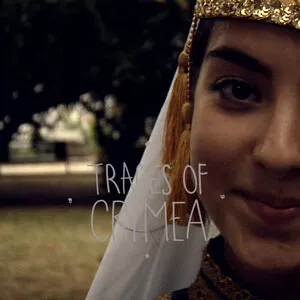
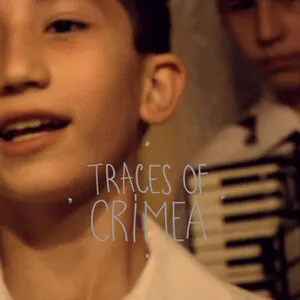
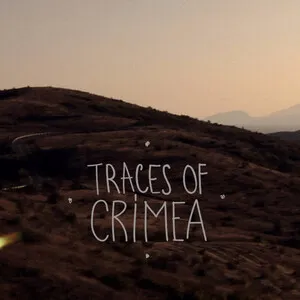
TRACES OF CRIMEA • Ensemble Maqam live in the Khans' palace of Bakhchisarai
Vincent Moon
Crimean Tatar Music
TRACES OF CRIMEA • Ensemble Khatyrsha-Saray live in the village of Michurinske
Vincent Moon
Crimean Tatar Music
TRACES OF CRIMEA ◊ the sounds of CRIMEA ◊
Vincent Moon
Crimean Tatar Music
Tad Lo (Songs from Laos)
Vincent Moon
Lao Folk Music
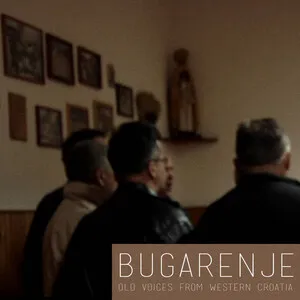
Bugarenje: Old Voices from Western Croatia
Vincent Moon
Istrian Folk Music
BALINESE GAMELAN • Legong Dance in Ubud
Vincent Moon
Gamelan Gong Kebyar
Similar artists
4
/5
Phlocalyst
Jazz Beats
Lo-Fi Study
Anime Lo-Fi
3
/5
Erwin Do
Jazz Beats
Lo-Fi
Lo-Fi Beats
3
/5
xander.
Chillhop
Jazz Beats
Lo-Fi
3
/5
HoKø
Jazz Beats
Lo-Fi
Lo-Fi Beats
3
/5
Dani Catalá
Chillhop
Jazz Beats
Lo-Fi
3
/5
Toti Cisneros
Calming Instrumental
Chillhop
Focus Beats
3
/5
Mujo
Japanese Chillhop
Jazz Beats
Anime Lo-Fi
3
/5
dennisivnvc
Chill R&b
Chillhop
Jazz Beats
3
/5
Zmeyev
Jazz Rap
Anime Lo-Fi
Chillhop
3
/5
Drxnk
Chillhop
Jazz Beats
Lo-Fi
Download our mobile app
Get the Melodigging app and start digging for new genres on the go
Download on the App Store
Get it on Google Play
© 2026 Melodigging
Give feedback
Legal
Melodding was created as a tribute to
Every Noise at Once
, which inspired us to help curious minds keep digging into music's ever-evolving genres.