Genres
Artists
Albums
Make Music
Sign in
Sign in
Artists
Operetta
Artists
Operetta
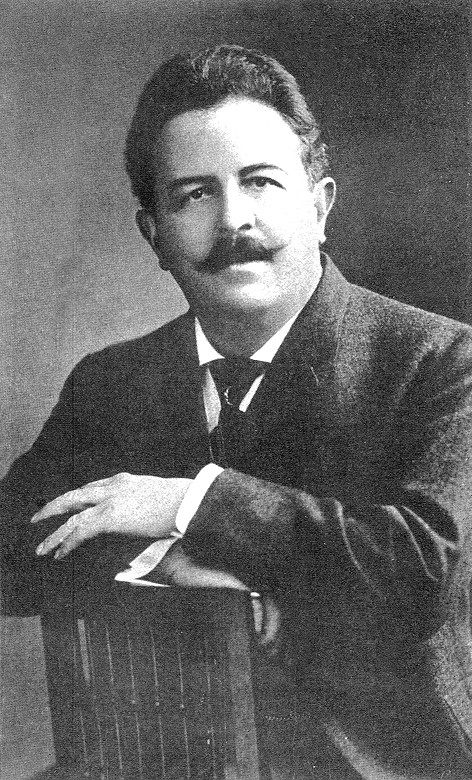
Victor Herbert
1999–2023
·
2 albums
Listen
2
/5
Genres
Historic Piano Performance
Historic piano performance refers to documented interpretations by pianists from the first half of the 20th century (and late 19th century pioneers), preserved on early discs, cylinders, and reproducing piano rolls (e.g., Welte‑Mignon, Duo‑Art, Ampico). It also includes modern restorations and re‑performances of those sources. What distinguishes the style is not the repertoire but the performance practice: flexible tempo and rubato, expressive asynchrony between the hands, arpeggiation of chords, unnotated ornamentation, highly personalized pedaling, and a speaking, vocal approach to phrasing rooted in Romantic aesthetics and salon traditions. Listeners encounter transfers of 78‑rpm records, piano‑roll replays on restored instruments, and archival radio or film sound, often curated by specialist labels and scholars. The result provides a sonic window into pre‑war pianism—its freedoms, colors, and priorities—before mid‑century standardization and studio editing reshaped classical interpretation.
Discover
Listen
Operetta
Operetta is a light, theatrical form of musical drama that blends spoken dialogue with tuneful, dance-inflected numbers and comic plots. It favors memorable melodies, witty wordplay, and a buoyant orchestral palette over the heavy dramatic weight of grand opera. Emerging in mid-19th-century Paris and quickly flourishing in Vienna and beyond, operetta draws on popular dance rhythms (especially the waltz and march), satirical or romantic storylines, and clear, lyrical vocal writing. It serves as a bridge between opera and modern musical theatre, balancing classical technique with popular appeal.
Discover
Listen
American Romanticism
American Romanticism in music refers to the 19th‑century U.S. adoption and adaptation of the European Romantic idiom—tonal but increasingly chromatic harmony, expansive melody, rich orchestration, and a taste for programmatic or poetic inspiration—filtered through American cultural sources. Hallmarks include songful, folk‑tinged themes; narrative and landscape evocation; and an evolving nationalism that drew on Irish/Scottish melodies, Native American materials (often through the period’s now‑contested “Indianist” lens), African‑American spirituals, and hymns, all cast in Romantic forms such as the symphonic poem, concert overture, parlor song, and late‑Romantic symphony.
Discover
Listen
Romantic Classical
Romantic classical (Romantic-era) music is the 19th‑century phase of Western art music in which expression, individuality, and imagination came to the fore. Composers expanded the orchestra, embraced chromatic harmony and bold modulations, and favored long‑breathed, emotive melodies. Aligned with the wider Romantic movement in literature and the arts, it prized the subjective—love, nature, the supernatural, nationalism, and the sublime—often through programmatic narratives. New and transformed genres (the symphonic poem, grand opera, the art song/Lied, concert overtures) coexisted with reimagined Classical forms (symphony, sonata, concerto) that grew in scale and harmonic daring. From ca. 1800 through the early 20th century, Romantic music stretched from Beethoven’s heroic style and Schubert’s lyricism to Wagner’s leitmotivic dramas and Tchaikovsky’s symphonic ballet-infused language, culminating in late-Romantic gigantism and post-Romantic continuations.
Discover
Listen
Classical
Classical music is the notated art-music tradition of Europe and its global descendants, characterized by durable forms, carefully codified harmony and counterpoint, and a literate score-based practice. The term “classical” can refer broadly to the entire Western art-music lineage from the Medieval era to today, not just the Classical period (c. 1750s–1820s). It privileges long-form structures (such as symphonies, sonatas, concertos, masses, and operas), functional or modal harmony, thematic development, and timbral nuance across ensembles ranging from solo instruments to full orchestras and choirs. Across centuries, the style evolved from chant and modal polyphony to tonal harmony, and later to post-tonal idioms, while maintaining a shared emphasis on written notation, performance practice, and craft.
Discover
Listen
Albums
2023
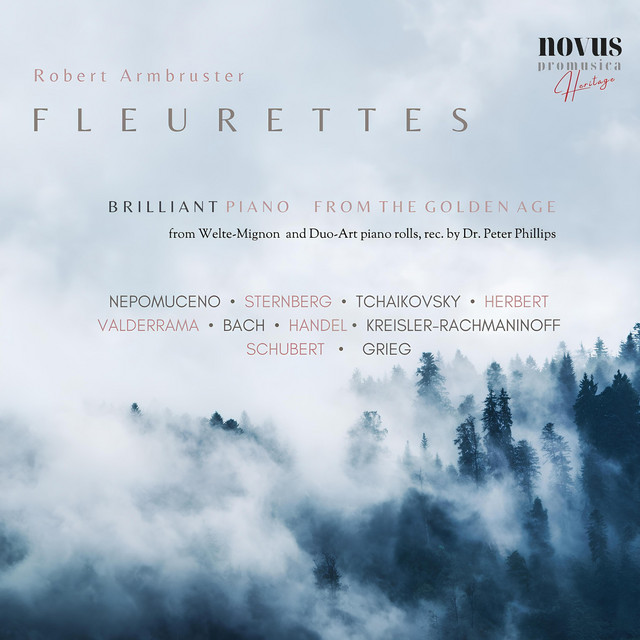
Fleurettes. Piano Essentials from the Golden Age
Maria Carreras, Alberto Nepomuceno, Constantin von Sternberg, Carlos Valderrama…
Historic Piano Performance
1999
Herbert, V.: Babes in Toyland / The Red Mill
Victor Herbert
American Romanticism
Similar artists
4
/5
Philharmonia Orchestra
Classical
Opera
Historic Orchestral Performance
3
/5
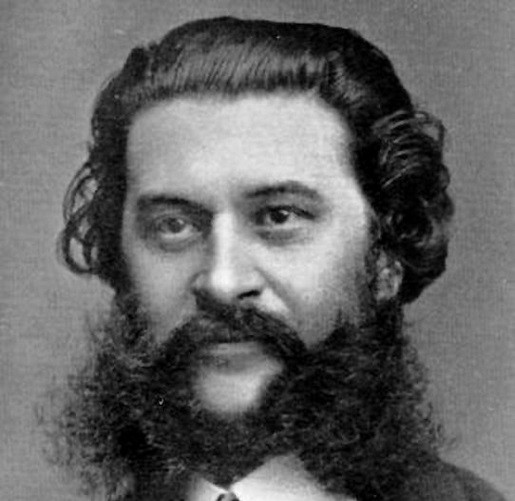
Johann Strauss II
Operetta
Historic Orchestral Performance
Waltz
4
/5
Wolfgang Amadeus Mozart
Classical
Requiem
Classical Period
4
/5
Herbert von Karajan
Classical
Symphonic Poem
Symphony
3
/5
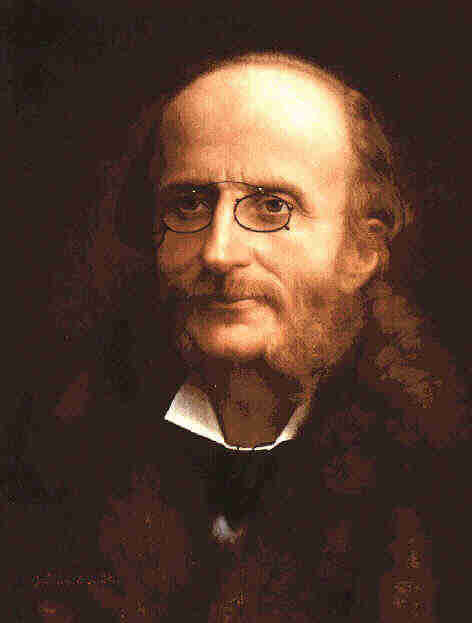
Jacques Offenbach
Operetta
Classical
Opera
2
/5
Reynaldo Hahn
Mélodie
Operetta
Classical
2
/5
Peter Phillips
Historic Piano Performance
Classical
Classical Piano
4
/5
Frédéric Chopin
Classical
Character Piece
Nocturne
4
/5
Franz Schubert
Impromptu
Lied
Art Song
4
/5
Leonard Bernstein
Classical
Orchestral Performance
Symphony
Download our mobile app
Get the Melodigging app and start digging for new genres on the go
Download on the App Store
Get it on Google Play
© 2026 Melodigging
Give feedback
Legal
Melodding was created as a tribute to
Every Noise at Once
, which inspired us to help curious minds keep digging into music's ever-evolving genres.