Genres
Artists
Albums
Make Music
Sign in
Sign in
Artists
Vocaloid Metal
Artists
Vocaloid Metal
Utsu-P
2008–2024
·
17 albums
Listen
3
/5
Genres
Scenecore
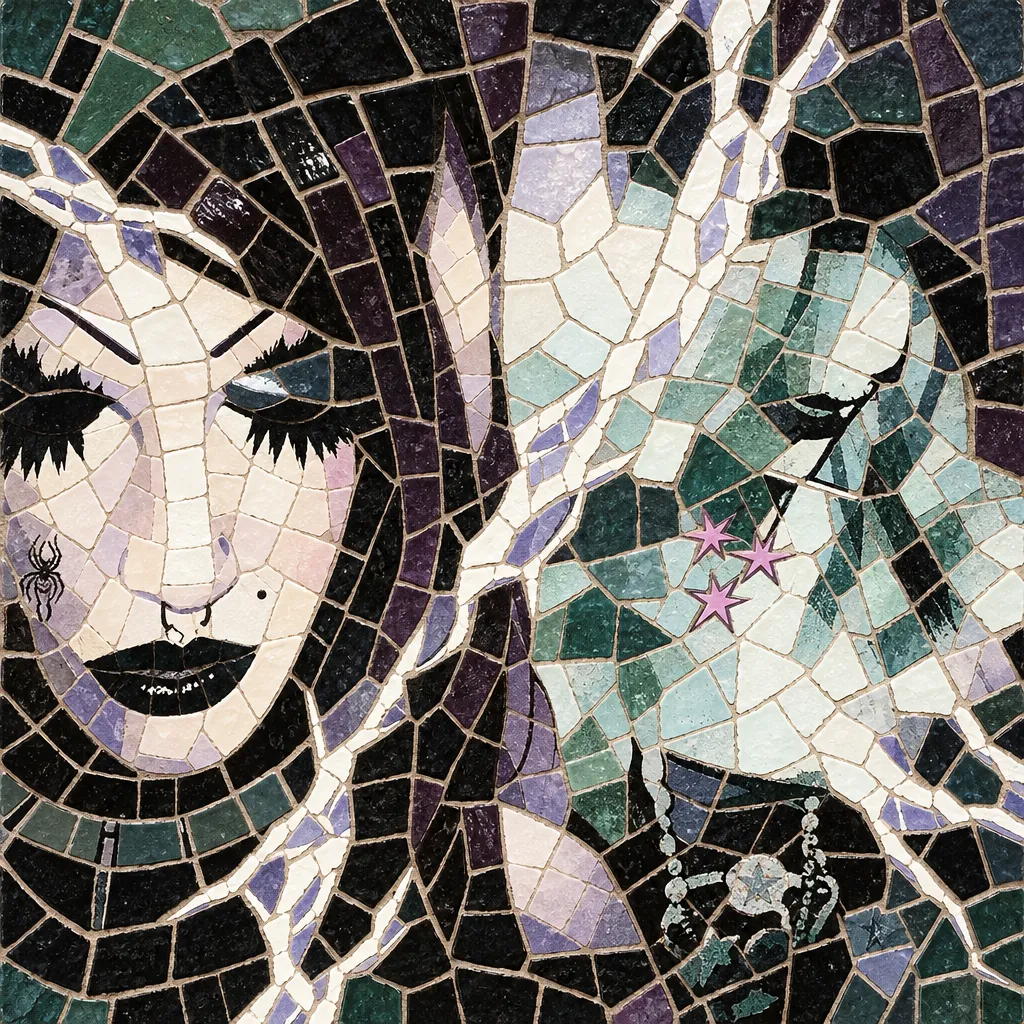
Scenecore is a net-native microgenre that revives mid‑2000s “scene kid” aesthetics—neon hair, slasher/gore imagery, and MySpace-era melodrama—inside a 2020s hyperpop/digicore production framework. Sonically it blends sped‑up, pitch‑shifted “kawaii” vocals with harsh, clipping drums and distorted 808s, breakcore-like edits, trancey supersaws, and nintendocore/Video‑game timbres. Hooks are chantable and meme-ready, lyrics swing between confessional emo and tongue‑in‑cheek horror, and the entire presentation is designed for short‑form virality on TikTok, SoundCloud, and Discord-driven micro‑communities. The result is an aggressive, glossy, and maximal style that feels simultaneously nostalgic and ultra‑online: part nightcore rush, part screamo‑rap catharsis, part cyber‑club euphoria.
Discover
Listen
Jirai Kei
Jirai kei is a recent Japanese internet-born pop micro‑genre and aesthetic that blends cute, sugary sounds with darker, obsessive and self‑destructive themes. The term comes from a fashion/aesthetic scene associated with yamikawaii and menhera culture, and in music it describes songs that sound soft and adorable on the surface but conceal lyrics about toxic love, dependency, jealousy, and emotional volatility. Sonically, jirai kei draws from J‑pop and Vocaloid traditions (denpa/picopop brightness, catchy hooks) while adopting modern hyperpop gloss, trap/EDM percussion, and highly edited, youthful vocals. The contrast between childlike, pastel timbres and intense, confessional writing is central to the style, making it both immediately hooky and emotionally sharp—an audio embodiment of “cute but dangerous.”
Discover
Listen
Maidcore
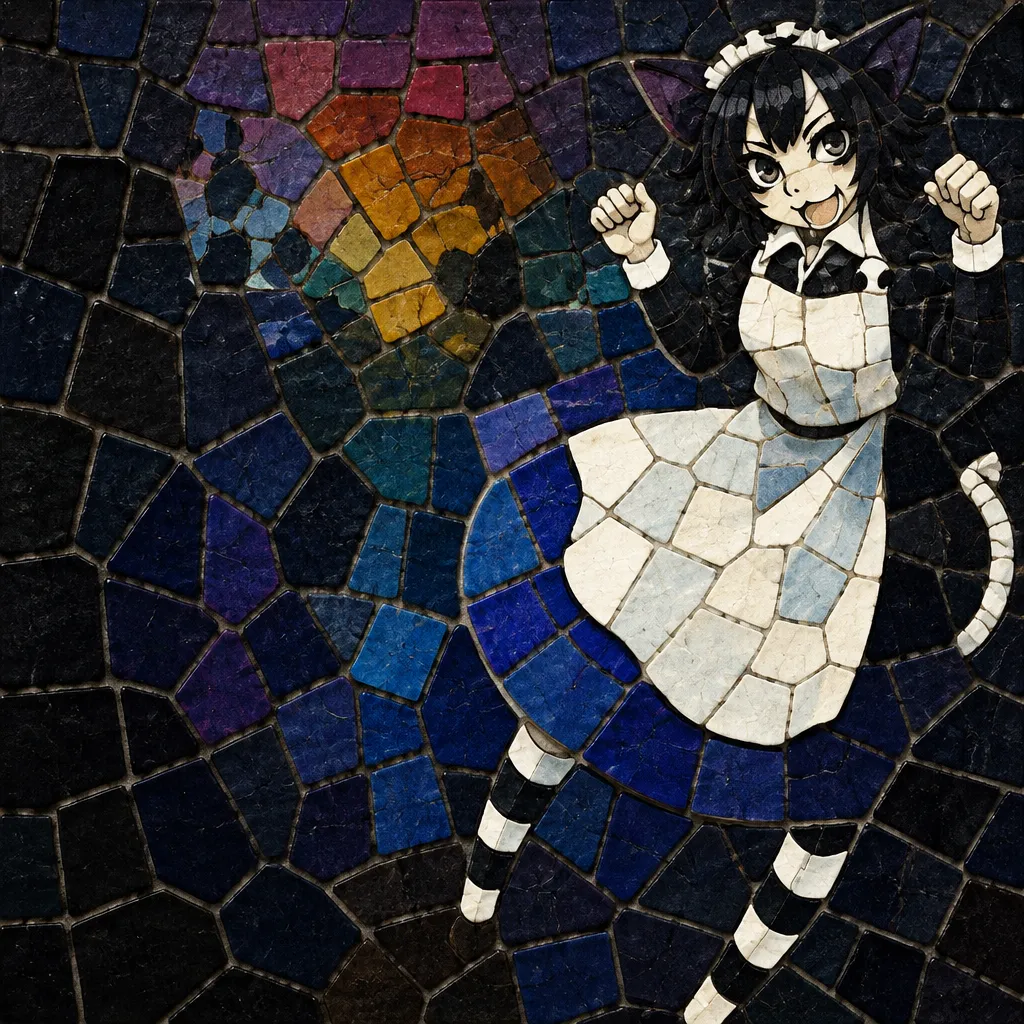
Maidcore (sometimes called "maid rock") is an underground, internet-native microgenre and scene that took shape on Russian social media (especially VK) in the mid‑2010s. It is aesthetically defined by artists adopting anime‑style French maid avatars (“maidsonas”), a lineage that traces back to the Nijiura maid characters from Japanese imageboards. Musically, it blends spacious post‑rock guitars and shoegaze textures with witch‑house and broader electronic production, sometimes pulling in metal bite or breakbeat grit. The result ranges from hazy, melancholic instrumentals to driving, emotionally charged tracks—all wrapped in otaku/maid imagery and tongue‑in‑cheek service‑role theatrics.
Discover
Listen
Alternative Idol
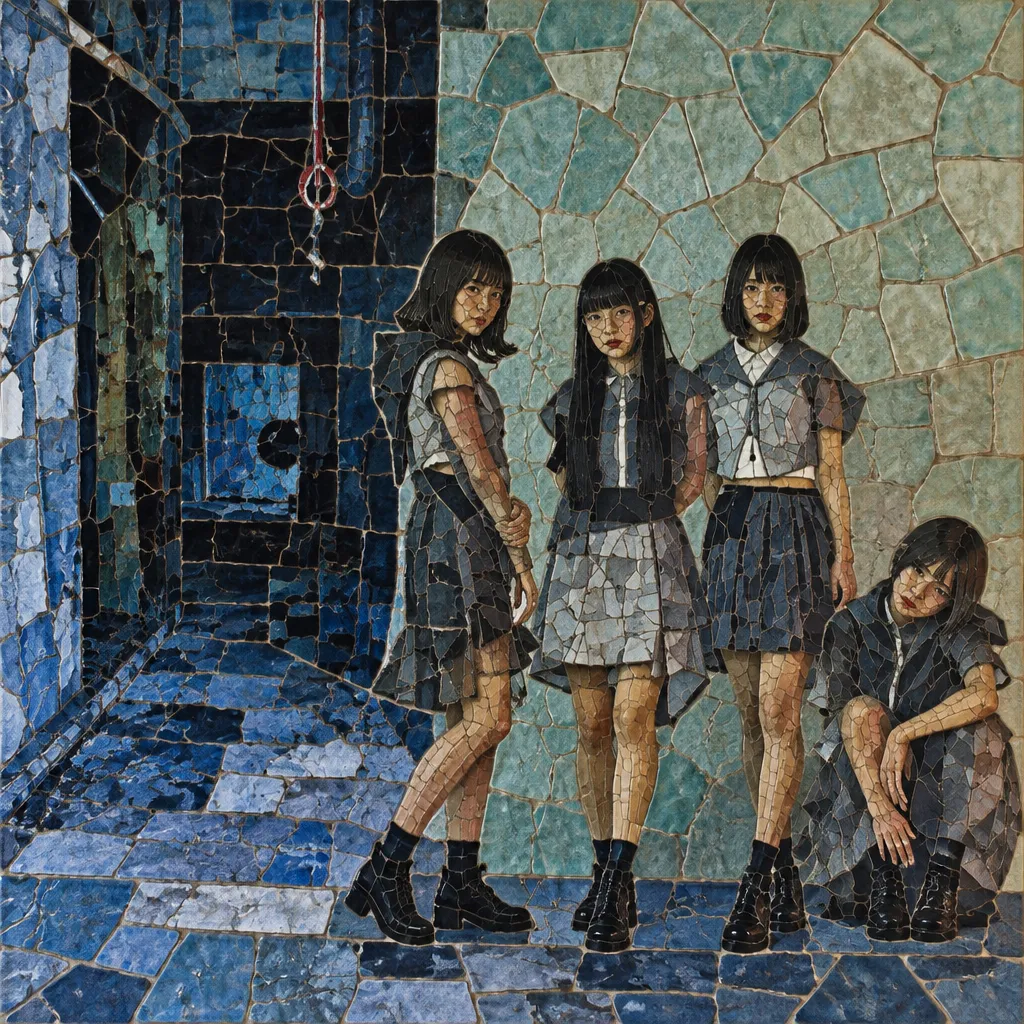
Alternative idol (often shortened to alt-idol) is a Japanese offshoot of the idol scene that fuses conventional pop-idol vocal formats and choreography with underground and left-field music aesthetics. Instead of polished, uniformly cheerful arrangements, alternative idol projects lean into punk, post-punk, noise, metal, industrial, and experimental electronics, often embracing darker themes, abrasive timbres, and performance-art sensibilities. The result preserves the immediacy, hooks, and audience participation of idols while introducing unpredictable song structures, heavier guitars, club-ready drops, screams or harsh vocals, and conceptual imagery. Visually and lyrically, alt‑idol cultivates a self-aware, sometimes subversive response to mainstream idol culture—playing with vulnerability, catharsis, and satire—yet still prioritizing big choruses, chantable hooks, and high-energy live shows.
Discover
Listen
Animegrind
Animegrind is a niche, internet-native strain of grind that fuses the speed and extremity of grindcore/goregrind with anime and otaku aesthetics. Songs typically pair ultra-fast blast beats, downtuned riffs and guttural/pig-squeal vocals with cute/kawaii imagery, voice clips from anime, and tongue‑in‑cheek, often shocking humor. While the core sound is rooted in classic grind traditions, production frequently leans digital: programmed drums and DI guitars are common, and short tracks (often under two minutes) emphasize impact over development. The juxtaposition of violent sonics and “cute” culture—Vocaloid timbres, denpa/J‑pop hooks, chiptune leads, or anime dialogue—defines its visual and thematic identity. The scene is highly DIY and platform-driven (Bandcamp, SoundCloud, YouTube), with a global pool of small projects trading splits and memes. Album art, track titles, and social handles often satirize or exaggerate tropes from both goregrind and anime fandoms.
Discover
Listen
Chamber Psych
Chamber psych blends the intimate, acoustic instrumentation and careful arrangements of chamber pop with the hazy textures, tape-warm production, and surreal harmonies of psychedelic pop. Expect strings, woodwinds, vibraphone, Mellotron, and harpsichord to sit alongside vintage keyboards, gently motorik drums, and fluttering tape delays. Vocals are often close‑mic’d and breathy, melodies skew wistful or otherworldly, and songs privilege mood and arrangement craft over volume. The result feels simultaneously handcrafted and dreamlike: miniature orchestras scoring psychedelic reveries.
Discover
Listen
Diy Emo
DIY emo is a grassroots, home-recorded and community-driven branch of contemporary emo that blends twinkly Midwest-emo guitar work, confessional lyricism, and pop-punk urgency with a distinctly lo‑fi, self-produced aesthetic. It foregrounds the ethics of the do‑it‑yourself underground: basement shows, tape or Bandcamp releases, collective touring, and a preference for intimacy over polish. Sonically, it leans on clean, chiming guitars, melodic basslines, dynamic drumming, and unvarnished vocals that veer from soft-spoken to cathartic sing-alongs. Rather than chasing radio gloss, DIY emo embraces rawness and vulnerability—often capturing the feel of a crowded living room show—while channeling themes of friendship, mental health, hometowns, and the bittersweet transitions of early adulthood.
Discover
Listen
Vocaloid Metal
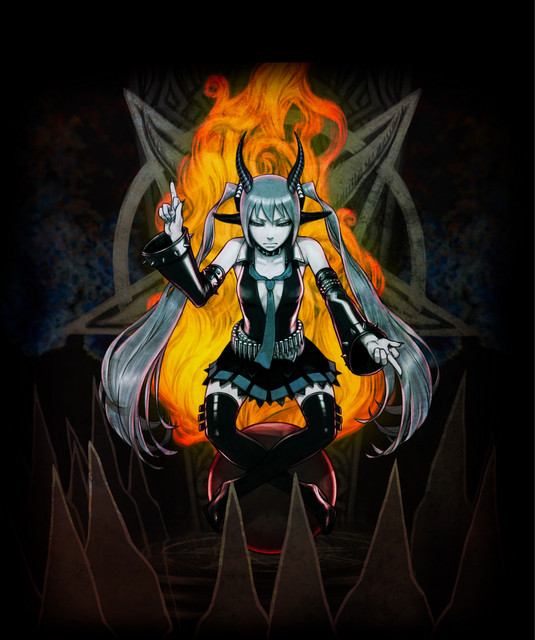
Vocaloid metal is a fusion of heavy metal and the Japanese vocal-synth scene, built around voicebanks such as Hatsune Miku, Megurine Luka, GUMI, IA, and Yuzuki Yukari. Producers program lead vocals using Vocaloid (or related vocal-synths/UTAU), then arrange them over guitars, bass, and metal drumming ranging from power-metal gallops to metalcore breakdowns. The style mirrors the broad spectrum of metal: from melodic power and symphonic strains to djent and metalcore aggression. Because the lead voice is synthetic, precise micro-edits to pitch, timbre, vibrato, phonemes, and dynamics are possible, enabling acrobatic melodies at extreme tempos, theatrical character songs, and even approximations of screams via sound design. Emerging from the Nico Nico Douga and dōjin circles, Vocaloid metal flourished online, where producers, illustrators, and fan communities co-create songs, PVs, and concept albums. Its sound sits at the crossroads of otaku culture, internet-native production, and modern Japanese metal.
Discover
Listen
Melodic Metalcore
Melodic metalcore blends the harmonized guitar leads and minor-key melodicism of Gothenburg-style melodic death metal with the breakdown-heavy aggression and song structures of metalcore. It is characterized by dual vocal approaches that alternate between harsh screams and soaring clean choruses, along with tightly palm-muted riffs and double-kick driven drumming. Typical arrangements feature verse–pre-chorus–chorus structures, with a post-chorus hook, a melodic guitar solo, and a climactic breakdown. Tunings are often dropped (Drop C, Drop B, or lower), and guitar parts favor harmonized lines in thirds, pedal-point riffs, and modal color from Aeolian and Phrygian. Lyrical themes usually focus on resilience, introspection, personal struggle, and catharsis.
Discover
Listen
Vocaloid
Vocaloid is a music genre and production culture centered on songs performed by synthesized singing voices, most famously the virtual singer Hatsune Miku. Producers compose and arrange tracks, then program lyrics and melodies into voicebanks to create lead vocals that sound like human singers. While the repertoire spans many styles, Vocaloid is strongly associated with Japanese pop, rock, and electronic dance music aesthetics. Songs are often released online with striking illustrated artwork and animated "PV" videos, and they are disseminated through platforms such as Nico Nico Douga and YouTube by independent creators and labels. The genre’s hallmark is the combination of catchy, hyper-bright melodies, energetic rhythm sections, and expressive vocal programming (tuning) that leverages timbral artifacts unique to synthesized voices. A vibrant fan community drives remixes, covers, live concerts with virtual avatars, and continual evolution of stylistic norms.
Discover
Listen
Metalcore
Metalcore is a fusion of hardcore punk’s urgency and ethos with heavy metal’s riff language and technicality. It is defined by tightly palm‑muted riffs, rapid double‑kick drumming, and frequent breakdowns—rhythmic, syncopated passages written to accentuate impact and crowd movement. Vocals typically alternate between harsh screams or growls and, in many bands, soaring clean choruses—a contrast that emphasizes both aggression and catharsis. Harmony and melody often borrow from melodic death metal, yielding minor‑key leads, harmonized guitars, and hook‑driven refrains. Modern production favors precise editing, dense guitar layering, and punchy drum sounds that keep complex rhythms clear at high intensity.
Discover
Listen
Doujin Music
Doujin music is the self-published, grassroots music ecosystem of Japan’s doujin (fan-made/independent) culture. It is created by individuals or small “circles” and released directly to fans, most famously at events like Comiket, M3, and Hakurei Jinja Reitaisai. Stylistically, it is genre-agnostic: you will find high-energy club styles (J-core, trance, eurobeat), cute and eccentric pop (denpa), rock/metal bands, orchestral and piano works, and an enormous number of fan arrangements of game and anime music—especially from the Touhou Project. Many releases use vocal synthesizers (Vocaloid/UTAU) or utaite singers from video platforms like Niconico Douga. Distribution is typically physical CDs and merch at events alongside digital storefronts (BOOTH, Bandcamp) and video platforms. The scene values rapid iteration, strong visual identity, and community feedback, resulting in a distinct “otaku-centric” aesthetic and a remarkably prolific catalog.
Discover
Listen
Death Metal
Death metal is an extreme subgenre of heavy metal defined by heavily distorted, low‑tuned guitars, rapid and complex riffing, blast beat drumming, and harsh guttural vocals. Its harmonic language favors chromaticism, dissonance, and tremolo-picked lines that create an ominous, abrasive atmosphere. Lyrically, death metal often explores dark or transgressive themes—mortality, mythology, anti-religion, psychological horror, and the macabre—sometimes with philosophical or social commentary. Production ranges from raw and cavernous to hyper-precise and technical, reflecting the genre’s many regional scenes and substyles. From the mid‑1980s Florida scene (Tampa) and parallel developments in the US, UK, and Sweden, death metal evolved into numerous branches including brutal death metal, technical death metal, melodic death metal, and death‑doom, each emphasizing different aspects of speed, complexity, melody, or heaviness.
Discover
Listen
Alternative Metal
Alternative metal blends the weight and riff-centric power of heavy metal with the experimentation, attitude, and sonic breadth of alternative rock. It favors downtuned guitars, groove-forward rhythm sections, dynamic shifts between quiet and loud passages, and a wide stylistic toolkit that can include funk syncopation, industrial textures, noise rock abrasion, and even hip-hop cadences. Vocals range from melodic crooning to aggressive shouts and screams; song forms often depart from standard verse–chorus structures in favor of unpredictable builds, angular bridges, and atmospheric interludes. Harmonically, it leans on modal colors (Aeolian, Dorian, Phrygian), dissonant intervals, and chromatic motion, while production choices highlight contrast—thick guitar layers set against open space, clean arpeggios against crushing walls of sound, and organic performances enhanced by creative effects.
Discover
Listen
Metal
Metal (often used to mean heavy metal in its broad, umbrella sense) is a loud, guitar-driven style of rock defined by high-gain distortion, emphatic and often martial rhythms, and a dense, powerful low end. It foregrounds riff-based songwriting, dramatic dynamics, virtuosic guitar solos, and commanding vocals that range from melodic wails to aggressive snarls and growls. Harmonically, metal favors minor modes, modal color (Aeolian, Phrygian), chromaticism, and tritone-inflected tension, while thematically it explores power, mythology, the occult, social critique, fantasy, and existential subjects. While adjacent to hard rock, metal typically pushes amplification, distortion, precision, and thematic intensity further, forming a foundation for many specialized subgenres.
Discover
Listen
Heavy Metal
Heavy metal is a loud, guitar-driven style of rock defined by heavily distorted riffs, thunderous drums, and powerful vocals. Its musical language emphasizes minor modes, modal (Aeolian, Phrygian) riffing, and energy over groove, often featuring virtuosic guitar solos and dramatic dynamic contrasts. Emerging from late-1960s blues rock and psychedelic experimentation, heavy metal codified a darker, heavier sound with bands like Black Sabbath, Deep Purple, and Led Zeppelin. The genre values weight, intensity, and grandeur—whether through plodding, doom-laden tempos or galloping, high-energy rhythms—paired with themes that range from personal struggle and social critique to fantasy, mythology, and the occult.
Discover
Listen
J-Rock
J-rock (Japanese rock) is the umbrella term for rock music created in Japan, spanning everything from classic rock, punk, and metal to alternative, indie, and progressive strains. It blends Western rock instrumentation and songcraft with Japanese melodic sensibilities, crisp production, and lyrics primarily in Japanese (often mixed with some English phrases). Typical features include hook-forward choruses, expressive guitar leads, tight rhythm sections, and dynamic arrangements that can pivot from delicate verses to big, anthemic refrains. Because of Japan’s media ecosystem, J-rock frequently intersects with anime, TV dramas, and video games, which helps bands reach mainstream audiences while retaining a band-centric, live-performance identity. Although stylistically diverse, J-rock commonly emphasizes memorable melodies, emotional catharsis, and precise musicianship, with influences ranging from British Invasion and classic rock to punk/new wave, progressive rock, and heavy metal.
Discover
Listen
Rock
Rock is a broad family of popular music centered on amplified instruments, a strong backbeat, and song forms that foreground riffs, choruses, and anthemic hooks. Emerging from mid‑20th‑century American styles like rhythm & blues, country, and gospel-inflected rock and roll, rock quickly expanded in scope—absorbing folk, blues, and psychedelic ideas—while shaping global youth culture. Core sonic markers include electric guitar (often overdriven), electric bass, drum kit emphasizing beats 2 and 4, and emotive lead vocals. Rock songs commonly use verse–chorus structures, blues-derived harmony, and memorable melodic motifs, ranging from intimate ballads to high‑energy, stadium‑sized performances.
Discover
Listen
Electronic
Electronic is a broad umbrella genre defined by the primary use of electronically generated or electronically processed sound. It encompasses music made with synthesizers, drum machines, samplers, computers, and studio/tape techniques, as well as electroacoustic manipulation of recorded or synthetic sources. The genre ranges from academic and experimental traditions to popular and dance-oriented forms. While its sonic palette is rooted in electricity and circuitry, its aesthetics span minimal and textural explorations, structured song forms, and beat-driven club permutations. Electronic emphasizes sound design, timbre, and studio-as-instrument practices as much as melody and harmony.
Discover
Listen
Show all 19 genres
Albums
2024
2
/5
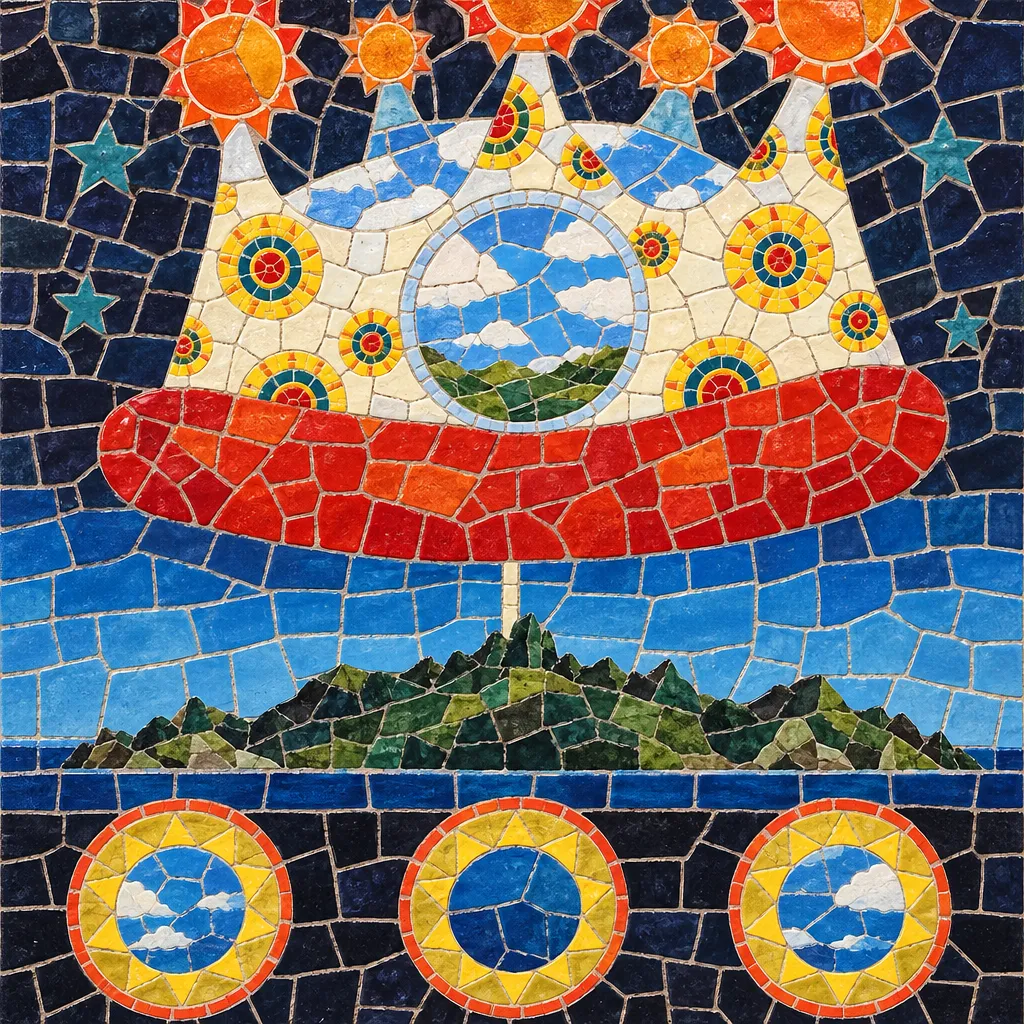
cold death
Utsu-P
Vocaloid Metal
2023
3
/5
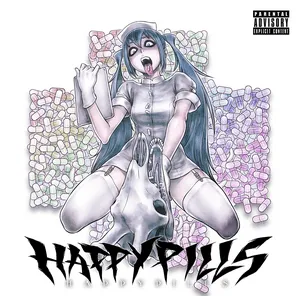
HAPPYPILLS
Utsu-P 鬱P
Melodic Metalcore
Metal
Metalcore
2022
2
/5
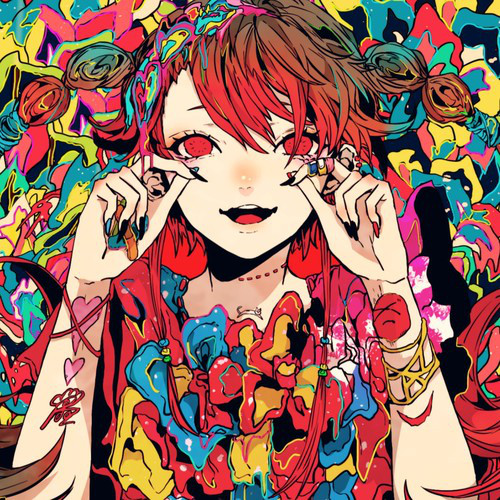
ゲテモノ
Utsu-P
Vocaloid Metal
Rock
2021
2
/5
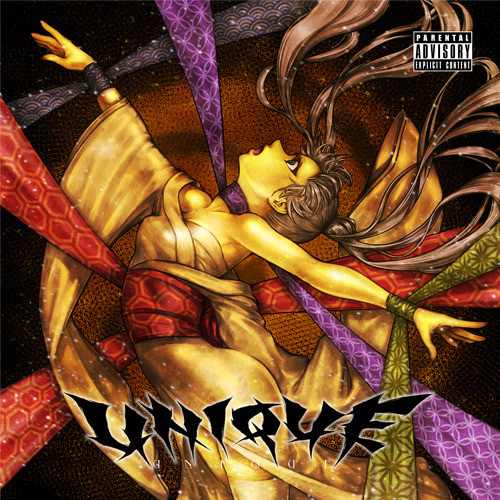
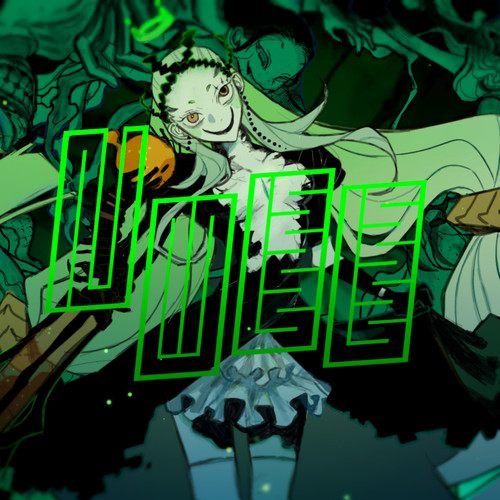
UNIQUE
Utsu-P
Vocaloid Metal
Electronic
Heavy Metal
2021
1
/5
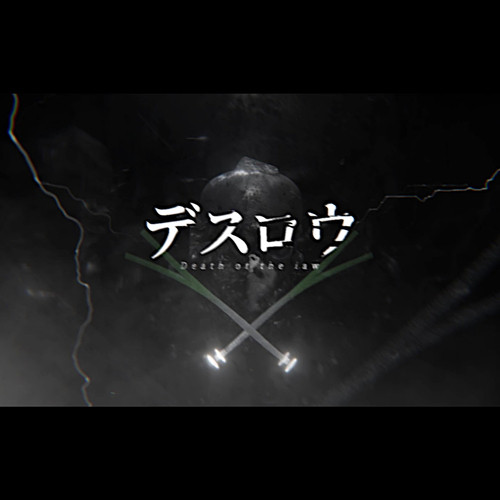
デスロウ
Utsu-P
Vocaloid Metal
2021
1
/5
ぬる
Utsu-P
Vocaloid Metal
2021
2
/5
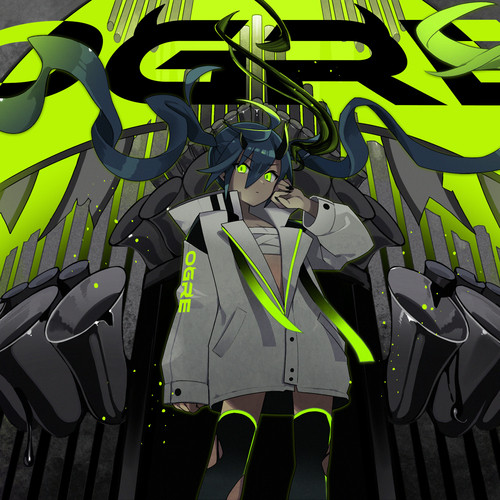
OGRE
Utsu-P
Vocaloid Metal
2021
2
/5
映えない
Utsu-P
Vocaloid Metal
Rock
2021
1
/5
ダブルラリアット [Double Bass Drum Remix 2021]
Utsu-P
Vocaloid Metal
Death Metal
Rock
2019
2
/5
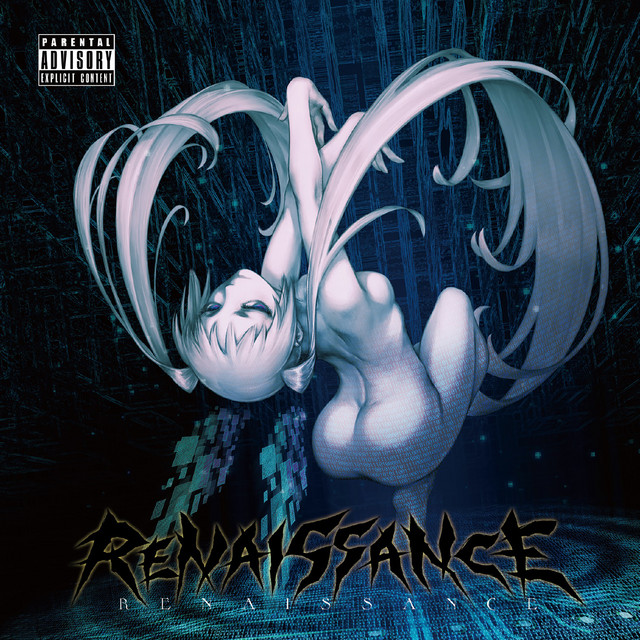
Renaissance
Utsu-P 鬱P
Vocaloid Metal
Melodic Metalcore
Rock
2018
3
/5
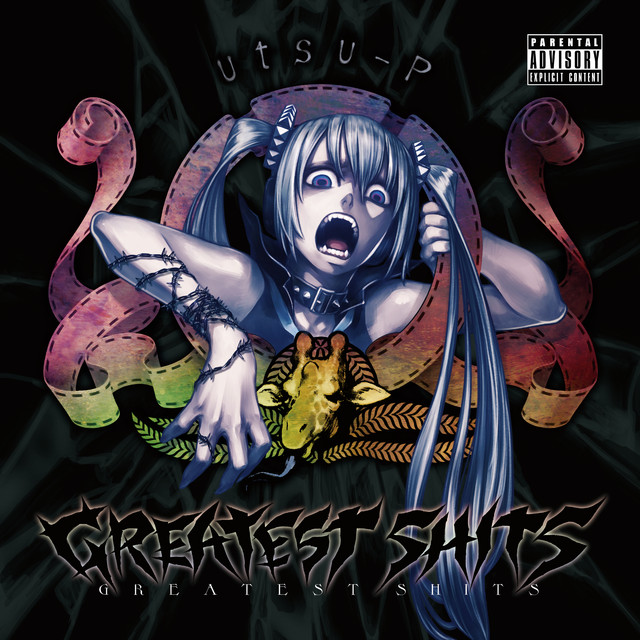
GREATEST SHITS
Utsu-P
Vocaloid Metal
Electronic
Metalcore
2017
2
/5
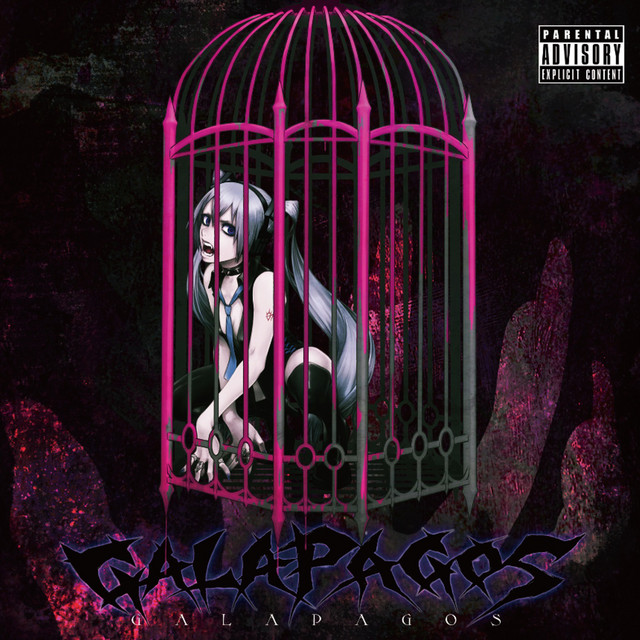
GALAPAGOS
Utsu-P
Vocaloid Metal
Metal
Metalcore
2016
2
/5
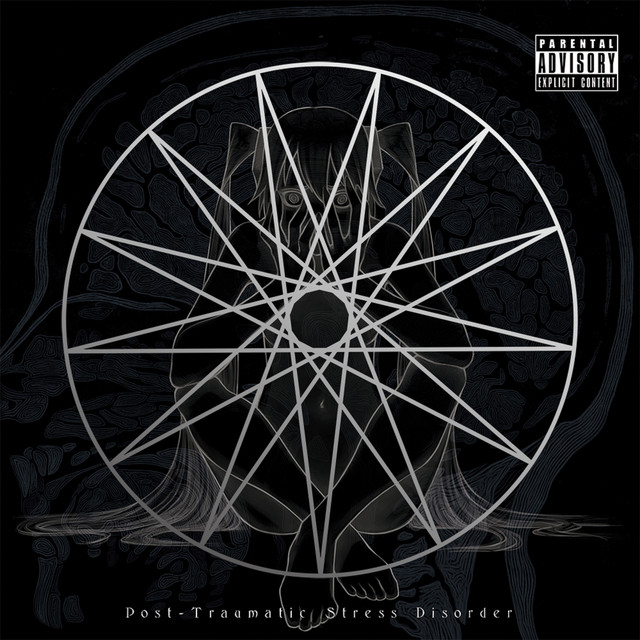
Post-Traumatic Stress Disorder
Utsu-P 鬱P
Melodic Metalcore
Doujin Music
Vocaloid Metal
2014
3
/5
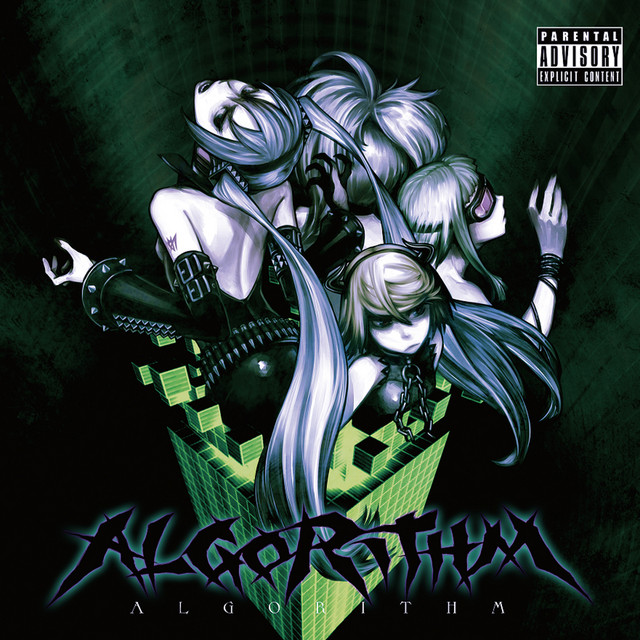
ALGORITHM
Utsu-P 鬱P
Melodic Metalcore
Vocaloid Metal
2012
1
/5
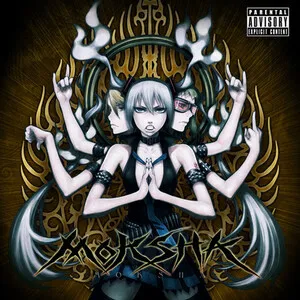
MOKSHA
Utsu-P 鬱P
Melodic Metalcore
Metal
2009
2
/5
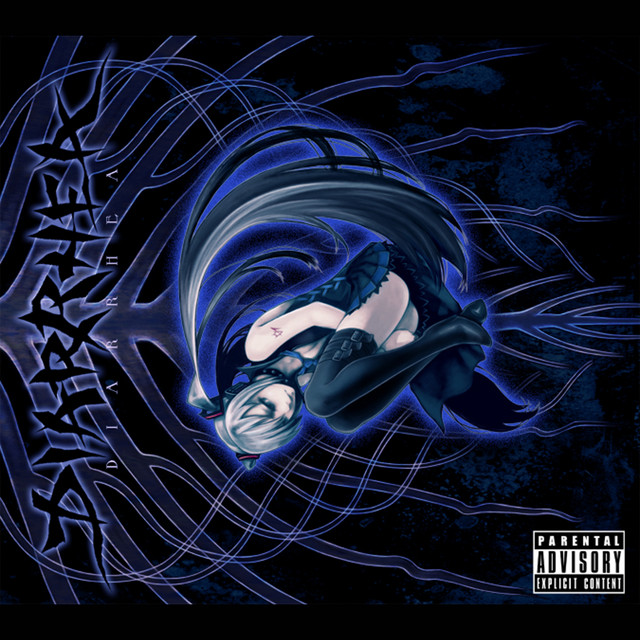
DIARRHEA
Utsu-P
Vocaloid Metal
Electronic
Heavy Metal
2008
2
/5
DOLL e.p.
Utsu-P
Vocaloid Metal
Similar artists
5
/5
Bring Me The Horizon
Melodic Metalcore
Post-Hardcore
Screamo
1
/5
Various Artists
Afro-Funk
Alternative Rock
Ambient
2
/5
Scythe of Luna
Maidcore
J-Dance
Vocaloid
5
/5
Rammstein
Industrial
Industrial Metal
Industrial Rock
3
/5
Cradle Of Filth
Black Metal
Gothic Black Metal
Symphonic Black Metal
4
/5
Architects
Progressive Metalcore
Mathcore
Metal
4
/5
We Came As Romans
Trancecore
Melodic Metalcore
Metalcore
4
/5
Lorna Shore
Blackened Deathcore
Death Metal
Deathcore
3
/5
Icon For Hire
Gothic Alternative
Rock
Alternative Rock
3
/5
Bleed From Within
Melodic Deathcore
Metal
Metalcore
Download our mobile app
Get the Melodigging app and start digging for new genres on the go
Download on the App Store
Get it on Google Play
© 2026 Melodigging
Give feedback
Legal
Melodding was created as a tribute to
Every Noise at Once
, which inspired us to help curious minds keep digging into music's ever-evolving genres.