Genres
Artists
Albums
Make Music
Sign in
Sign in
Artists
Motown
Artists
Motown
The Temptations
1965–1973
·
9 albums
Listen
4
/5
Genres
Black Americana
Black Americana is a contemporary umbrella genre that centers Black artists within the traditions of Americana (roots-based U.S. music such as folk, country, blues, gospel, and soul). It often blends acoustic storytelling and roots instrumentation with Black musical lineages, highlighting themes of migration, labor, faith, resilience, love, and social justice. Rather than a single fixed sound, it is a scene and framing that reconnects “Americana” to its multiracial roots while pushing the style forward with modern production, R&B/soul phrasing, and genre-crossing songwriting.
Discover
Listen
Flint Sound
Flint sound is a contemporary Michigan rap style centered in Flint, United States. It is characterized by fast, minimal, piano- or organ-led beats, dry and upfront vocals, and bar-by-bar “punch‑in” delivery that often rides slightly ahead of or behind the grid for a conversational, off‑kilter feel. The production typically favors bright piano loops, staccato 808 slides, crisp claps or rimshots, and sparse percussion, leaving plenty of space for relentless punchlines, gritty street reportage, and mischievous humor. While hard-edged and streetwise, the style frequently leans into charismatic personality and wit, making it both aggressive and infectious for dancing.
Discover
Listen
Groove Room
Groove room is a sleek, club-leaning micro-style at the intersection of deep house, nu-disco, and indie dance. It favors warm, rubbery basslines, syncopated percussion with a light shuffle, and silky chords or Rhodes stabs that keep the floor moving without resorting to maximal drops. The production tends to be mid-tempo (typically 115–123 BPM) with a glossy but intimate soundstage: subtle guitar licks, filtered disco fragments, sax or flute flourishes, and breathy, soulful toplines are common. The result feels both lounge-ready and dancefloor-capable—music that can soundtrack a cocktail hour and still peak a small room at 2 a.m. Aesthetically, groove room embraces modern house drum design and sidechained pads, but draws its melodic language from 70s/80s funk and disco, framed with indie-dance sensibility. It’s polished, ear-pleasing, and arranged to sustain a steady, hypnotic bounce.
Discover
Listen
Deep Funk Ostentacao
Deep funk ostentação is a moody, late‑night variant of São Paulo’s funk ostentação, emphasizing deeper sub‑bass, sparse percussion, and atmospheric pads while retaining the genre’s themes of luxury, status, and upward mobility. Compared with the brighter, EDM‑leaning hits of ostentação in the early 2010s, the “deep” approach strips arrangements down to hypnotic tamborzão grooves, 808 low‑end, and minimal, minor‑key synth motifs. Vocals often sit closer to the beat, with autotune and chant‑like hooks, but the lyrical focus remains on conspicuous consumption (cars, brands, nightlife) filtered through a more introspective, nocturnal aesthetic.
Discover
Listen
Souldies
Souldies is a modern revival of classic lowrider “oldies” soul—slow, tender ballads rooted in 1960s and early-’70s sweet soul and doo‑wop aesthetics, reimagined by a new generation of largely Chicano/Latinx artists in Southern California. Characterized by warm, analog-leaning production, mellow backbeats, honeyed vocal harmonies, and heart‑on‑sleeve lyricism, the style favors mid‑slow tempos, tape‑like saturation, spring/plate reverb, and minimalist yet expressive arrangements. English and Spanish (or Spanglish) lyrics often explore love, longing, devotion, and cruising/lowrider culture. Souldies sits at the intersection of classic soul, rhythm & blues, northern soul selections, and Latin soul, offering a contemporary, community‑centered sound that feels both timeless and newly personal.
Discover
Listen
Classify
Classify is a streaming-era microgenre that blends light classical technique with contemporary pop repertoire, typically presented as unobtrusive instrumental covers. It prioritizes soft dynamics, gentle tempos, and intimate recording to create a calm, elegant backdrop suitable for studying, working, or events. Most arrangements are for solo piano, string quartet, cello/piano duos, or small chamber ensembles. Harmonies remain diatonic and consonant, melodies are clearly voiced, and textures favor arpeggios, ostinati, and sustained legato lines. The overall aesthetic borrows from modern classical and new age moods while retaining the familiarity of pop song forms.
Discover
Listen
Deep Deep House
Deep deep house is a late-evolution branch of deep house that emphasizes warmth, space, and subtlety over overt hooks or peak-time energy. Compared with classic deep house, it leans even more toward minimal, dub-inflected textures, extended harmonies, and long atmospheric tails. Tracks typically feature understated yet weighty low end, soft Rhodes or pad chords rich in 7ths/9ths, lightly swung percussion, and carefully sculpted ambience. The mood is intimate and immersive—club music that invites close listening as much as dancing—often suited to small rooms, lounges, after-hours sets, and sunset/sunrise moments.
Discover
Listen
Connecticut Indie
Connecticut indie is a regional strain of U.S. indie rock that blends the heartfelt directness of emo-revival with the fuzzy guitars, DIY ethics, and adventurous textures of New England’s underground. Rooted in college-town and small-city scenes (Middletown, New Haven, Willimantic, Hartford), the sound swings between twinkly, lyrically confessional indie and louder, shoegaze- or noise-tinged guitar rock. You’ll hear gang-vocal catharsis, transparent production that favors live-room energy, and occasional orchestral or synth flourishes that reflect the area’s art-school and experimental leanings. While it is geographically defined, the micro-scene’s bands networked nationally through house shows, small labels, and online communities, making Connecticut indie both locally grounded and widely connected.
Discover
Listen
Deep Groove House
Deep Groove House is a modern house substyle centered on thick, rolling basslines, swung percussion, and soulful or disco-leaning motifs delivered with contemporary club production. It balances the warmth and musicality of classic and deep house with the punch and arrangement sensibilities of present-day tech-leaning club music. Hallmarks include a steady 4/4 kick (typically 122–126 BPM), syncopated bass grooves that drive the track rather than sit under it, crisp hi-hats with subtle swing, and tasteful use of organ stabs, piano chords, and filtered disco/funk samples. Vocals—when present—tend to be hooky but restrained, often chopped or looped to reinforce the groove rather than dominate it. As a playlist and DJ vernacular label, Deep Groove House crystallized around the 2010s, especially in UK- and EU-facing club culture, online stores, and label ecosystems that favored groove-first, dancefloor-ready house with deep and classic roots.
Discover
Listen
Dolewave
Dolewave is a strand of Australian indie rock known for jangly, clean guitars, laconic and conversational vocals, and lyrics that linger on the small details of everyday suburban life. The songs often feel unhurried and unvarnished, balancing bittersweet nostalgia with wry humor. Production tends toward the DIY and lo‑fi: room sounds, modest mic techniques, and minimal studio polish underscore the music’s unpretentious character. Harmonies are simple but catchy—major keys, suspended chords, and ringing arpeggios—while tempos hover at a relaxed mid‑pace. The term "dolewave" began as a tongue‑in‑cheek label referencing Australia’s social welfare (“the dole”) and the music’s slacker, home‑recorded ethos. Despite the loaded nickname, the style has come to signify a specific Melbourne‑centred guitar pop sensibility steeped in jangle‑pop, the Dunedin sound, and slacker rock.
Discover
Listen
Lo Star
Lo star is a streaming-era umbrella tag used to group under-the-radar, low-profile artists who sit on the fringes of indie, alternative, DIY pop, and related scenes. Rather than denoting a single, tightly defined musical vocabulary, it marks a discovery space of self-produced or small-label projects with modest audiences, genre-fluid aesthetics, and a distinctly DIY approach to recording and release. Expect intimate vocals, inexpensive or home-studio production, hybrid acoustic/electronic textures, and songwriting that favors personal storytelling and immediacy over polish. Because it functions as a curatorial category for emerging or niche acts, the sonic palette spans indie rock and folk-pop to bedroom pop and lo-fi electronic, unified by scale, ethos, and distribution more than by strict musical rules.
Discover
Listen
Pov: Indie
"pov: indie" is a social-media-native microstyle built around short, cinematic indie-pop/indie-rock snippets designed to accompany a first-person (POV) narrative. Instead of being defined by a single new musical technique, it is defined by context: the music is chosen or written to feel like the soundtrack to a specific moment (a crush, a late-night walk, moving to a new city, seasonal nostalgia). Sonically it typically uses bright but soft guitars or synths, intimate vocals, simple memorable hooks, and production that reads clearly on phone speakers. The emotional tone is often wistful, tender, and “coming-of-age,” with lyrics that can be understood quickly in a 10–30 second clip.
Discover
Listen
Disco
Disco is a dance-music genre and nightlife subculture that crystallized in the United States during the 1970s, drawing especially from African-American, Italian-American, Latino, and queer club communities. Musically, disco is typified by a steady four-on-the-floor kick drum, syncopated and melodic electric-bass lines, lush string sections, bright brass and horns, electric pianos and synthesizers, and percussive, choppy rhythm guitars. Arrangements often feature orchestral colors, handclaps, congas, and vibraphone or bell textures, all engineered to deliver a continuous, groove-forward experience for the dance floor. The style combines the rich orchestration and romantic sweep of Philadelphia soul with the bottom-end drive of funk and the songcraft of contemporary R&B/pop, delivered in DJ-friendly extended mixes and 12-inch singles designed for club play.
Discover
Listen
Smooth Soul
Smooth soul is a polished, romantic strain of soul music defined by velvety vocals, lush string and horn arrangements, and immaculately produced, mid-tempo grooves. It maintains the emotional directness of classic soul while softening its edges with gentle rhythms, extended jazz-tinged harmonies, and spacious production. Emerging in the early 1970s from the same currents that produced Philadelphia soul, smooth soul favors elegant orchestrations (strings, woodwinds, muted brass), silky electric pianos, and clean guitar tones. Lyrics typically center on love, intimacy, and adult relationships, delivered with controlled intensity, falsetto flourishes, and refined background harmonies. The genre provided a bridge from 1960s Motown and Southern soul to quiet storm and contemporary R&B, shaping radio formats and a lasting template for intimate, late-night soul.
Discover
Listen
Motown
Motown (often called the "Motown Sound" or Detroit soul) is a sleek, hook-driven form of soul that fused Black gospel fervor and rhythm & blues groove with pop songwriting craft and radio-friendly production. Born out of Berry Gordy Jr.’s Motown Records in Detroit, the sound emphasized strong melodies, tight vocal harmonies, and a driving backbeat designed for broad crossover appeal. Hallmarks include tambourine on the backbeat, handclaps, punchy horns and strings, shimmering glockenspiel or vibraphone accents, and highly melodic bass lines. Lead vocals often deliver heartfelt, universal stories of love and heartbreak, answered by responsive background harmonies. Songs typically use concise verse–chorus forms, bridges, and modulations to keep energy rising. Behind many hits was the Motown house band, the Funk Brothers, whose danceable grooves powered an assembly-line approach to songwriting and production—resulting in an unmatched run of chart-topping records that reshaped the sound of American pop.
Discover
Listen
Psychedelic Soul
Psychedelic soul blends the grit and gospel-rooted emotion of soul and rhythm & blues with the studio experimentation and mind-bending textures of late-1960s psychedelic rock. Expect fuzzed-out or wah-wah guitars, extended vamping grooves, bold bass lines, swirling organs and electric pianos, phased drums, and liberal use of tape delay, reverb, and stereo panning. Lyrically it ranges from utopian idealism and cosmic imagery to socially conscious reflections on race, war, and urban life. The result is a sound that’s both danceable and hallucinatory: groove-first soul shot through with acid-rock color and studio-as-instrument creativity.
Discover
Listen
Pop Soul
Pop soul is a crossover style that blends the emotive vocals, gospel-rooted harmonies, and backbeat of soul music with the concise song forms, catchy hooks, and polished production of mainstream pop. It emphasizes memorable choruses, smooth lead vocals, tight background harmonies, and radio-friendly arrangements designed for broad appeal. The sound is often defined by a crisp rhythm section, tambourine on the backbeat, melodic bass lines, piano/organ comping, handclaps, and lush string or horn arrangements. Originating with the Motown hit-making model, pop soul prized sophisticated songwriting and sleek studio craft that could connect equally on the dance floor and the pop charts.
Discover
Listen
Classic Soul
Classic soul is the 1960s–early 1970s strain of soul music that fused gospel's emotive vocals and church-derived harmony with the backbeat and instrumentation of rhythm & blues. It emphasizes powerful lead singing, call-and-response with background vocals, tight rhythm sections, and punchy horn arrangements. The sound ranges from uptempo, danceable singles to deeply expressive ballads in 12/8 time. Production is typically warm and analog, with live bands, tambourine and handclaps on the backbeat, and arrangements crafted for immediacy and drama. Lyrical themes center on love, heartbreak, perseverance, community, and, at times, social conscience.
Discover
Listen
Psychedelic
Psychedelic is an umbrella term for music that seeks to evoke, emulate, or accompany altered states of consciousness through sound, arrangement, and studio technique. It emphasizes timbral color, drones, modal harmony, surreal or mystical lyrics, and immersive production, often using tape manipulation, extended effects, and non‑Western instruments (notably from Indian classical traditions). The result ranges from delicate, dreamlike textures to dense, kaleidoscopic soundscapes intended to expand perception and dissolve conventional song form.
Discover
Listen
Funk
Funk is a rhythm-forward African American popular music style that centers on groove, syncopation, and interlocking parts. Rather than emphasizing complex chord progressions, funk builds tight, repetitive vamps that highlight the rhythm section and create an irresistible dance feel. The genre is marked by syncopated drum patterns, melodic yet percussive bass lines, choppy guitar "chanks," punchy horn stabs, call‑and‑response vocals, and a strong backbeat. Funk’s stripped-down harmony, prominent use of the one (accenting the downbeat), and polyrhythmic layering draw deeply from soul, rhythm and blues, jazz, gospel, and African rhythmic traditions. From James Brown’s late-1960s innovations through the expansive P-Funk universe and the slicker sounds of the 1970s and 1980s, funk has continually evolved while seeding countless other genres, from disco and hip hop to house and modern R&B.
Discover
Listen
Soul
Soul is a genre of popular music that blends the spiritual fervor and vocal techniques of African‑American gospel with the grooves and song forms of rhythm & blues and the harmonic palette of jazz and blues. It is defined by impassioned, melismatic lead vocals; call‑and‑response with backing singers; handclaps and a strong backbeat; syncopated bass lines; and memorable horn or string riffs. Typical instrumentation includes drum kit, electric bass, electric guitar, piano or Hammond organ, horns (trumpet, saxophone, trombone), and sometimes orchestral strings. Lyrically, soul ranges from love and heartbreak to pride, social commentary, and spiritual yearning. Regionally distinct scenes—such as Detroit’s Motown, Memphis/Stax, Muscle Shoals, Chicago, New Orleans, and Philadelphia—shaped different flavors of soul, while the style’s emotional directness and rhythmic drive made it a cornerstone of later funk, disco, contemporary R&B, and hip hop.
Discover
Listen
Show all 21 genres
Albums
1973
2
/5
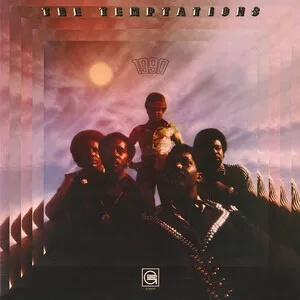
1990
The Temptations
Psychedelic Soul
1973
3
/5
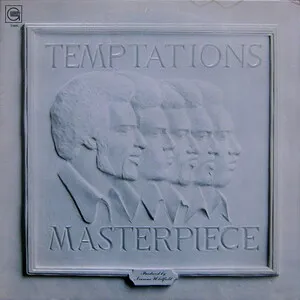
Masterpiece
The Temptations
Psychedelic Soul
1971
3
/5
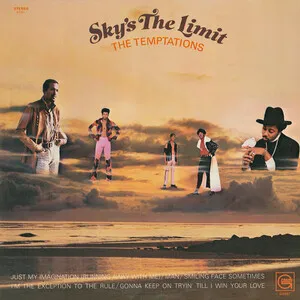
Sky's the Limit
The Temptations
Psychedelic Soul
Smooth Soul
1970
2
/5
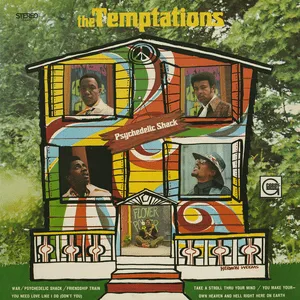
Psychedelic Shack
The Temptations
Psychedelic Soul
Psychedelic
Soul
1968
3
/5
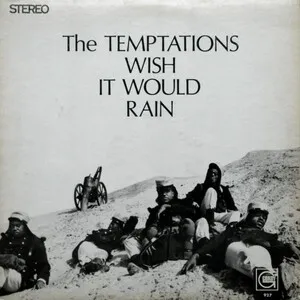
The Temptations Wish It Would Rain
The Temptations
Motown
Soul
1967
3
/5
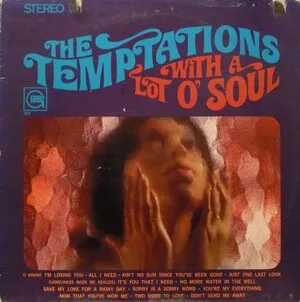
The Temptations With a Lot o' Soul
The Temptations
Motown
1966
4
/5
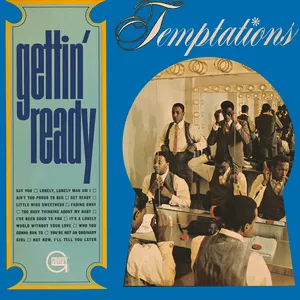
Gettin' Ready
The Temptations
Motown
Soul
1965
4
/5
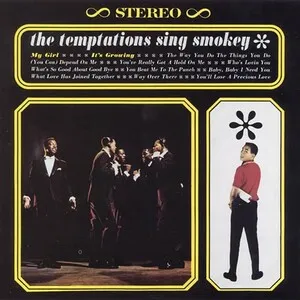
The Temptations Sing Smokey
The Temptations
Motown
Pop Soul
1965
3
/5
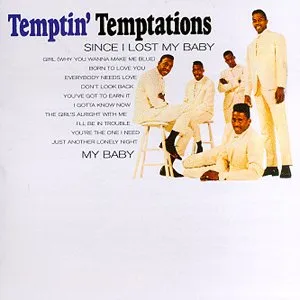
Temptin' Temptations
The Temptations
Motown
Similar artists
4
/5
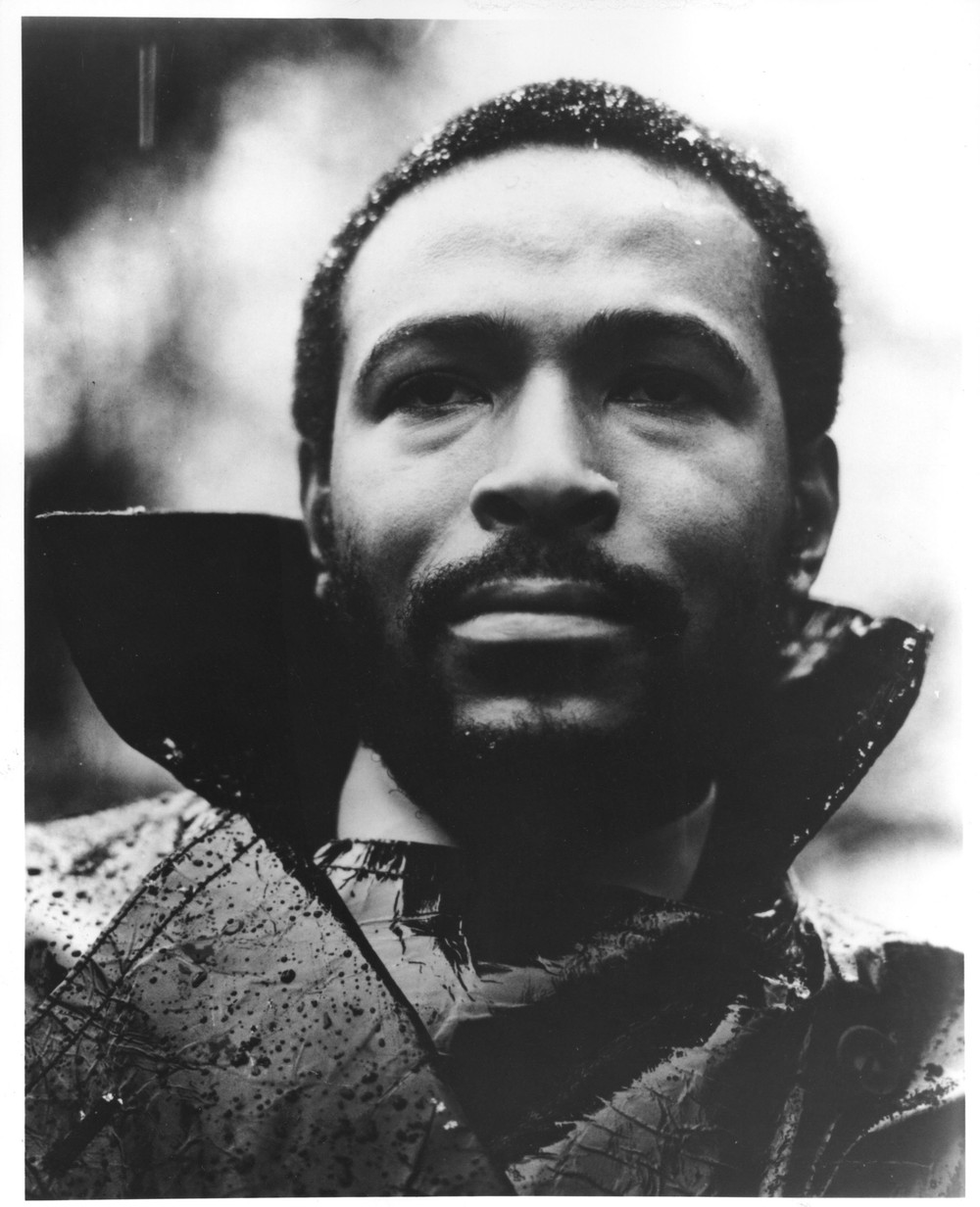
Marvin Gaye
Motown
Soul
Northern Soul
4
/5
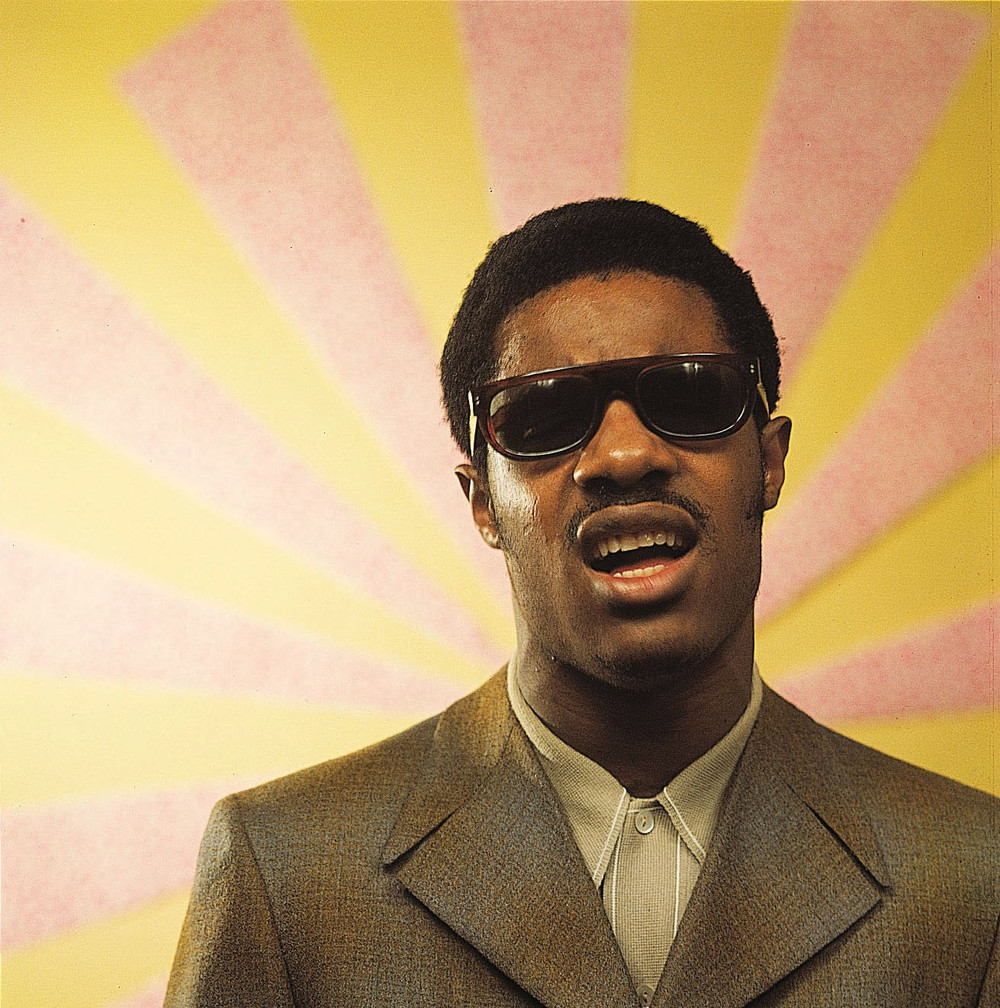
Stevie Wonder
Soul
Funk
Motown
4
/5
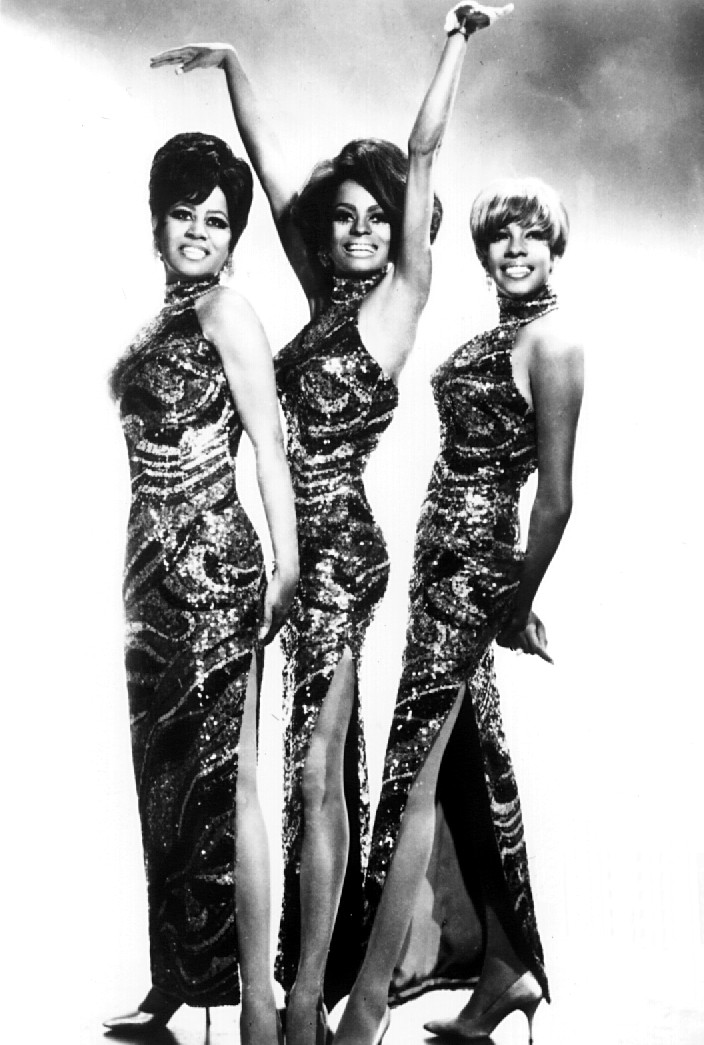
The Supremes
Motown
Girl Group
Soul
1
/5
Various Artists
Afro-Funk
Alternative Rock
Ambient
4
/5
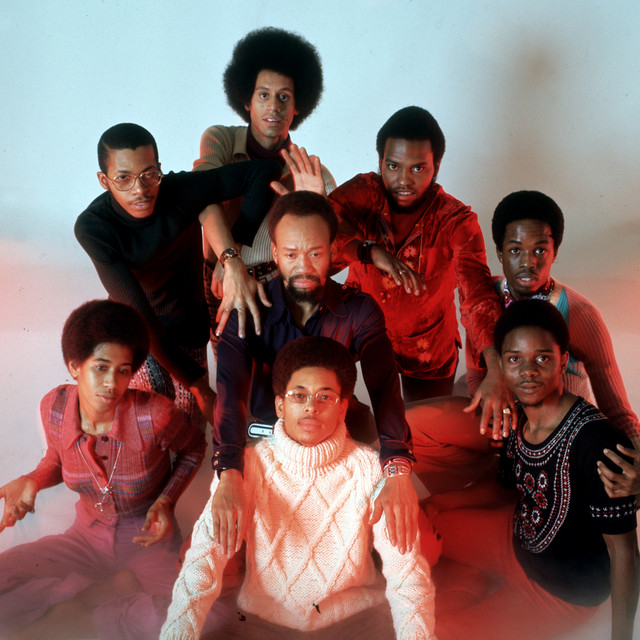
Earth, Wind & Fire
Disco
Funk
Soul
4
/5
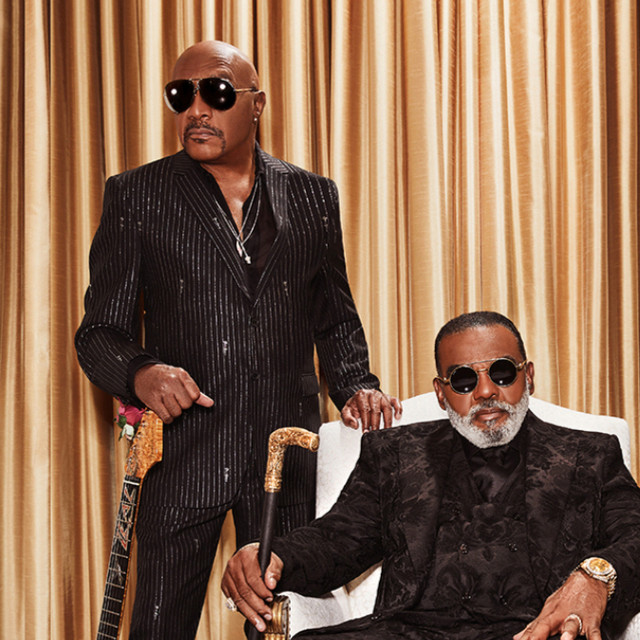
The Isley Brothers
Soul
Funk
Motown
5
/5
Michael Jackson
Soul
Pop
Contemporary R&b
4
/5
The Jackson 5
Motown
Christmas Music
Disco
3
/5
Edwin Starr
Motown
Classic Soul
Northern Soul
4
/5
The Jacksons
Philly Soul
Disco
Chill Pop
Download our mobile app
Get the Melodigging app and start digging for new genres on the go
Download on the App Store
Get it on Google Play
© 2026 Melodigging
Give feedback
Legal
Melodding was created as a tribute to
Every Noise at Once
, which inspired us to help curious minds keep digging into music's ever-evolving genres.