Genres
Artists
Albums
Make Music
Sign in
Sign in
Artists
Doo-Wop
Artists
Doo-Wop
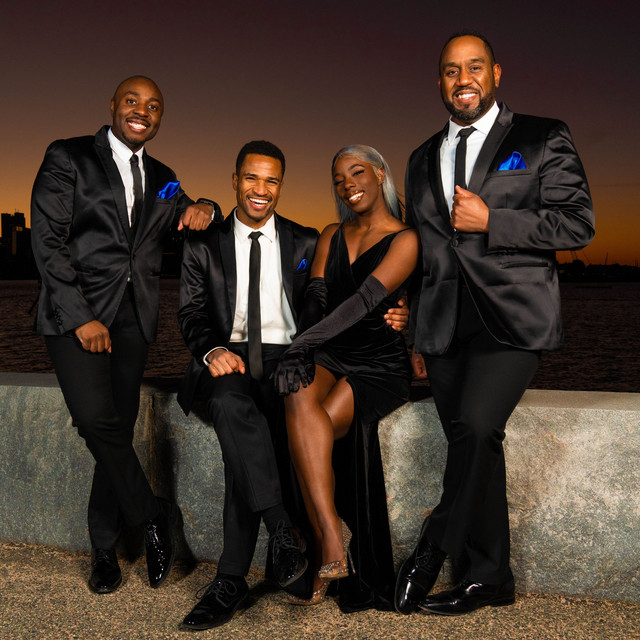
The Flamingos
1959
·
1 album
Listen
3
/5
Genres
Analog Horror
Analog horror is an internet-born horror style that foregrounds the texture and limits of obsolete media. It is characterized by lo‑fi, band‑limited sound, tape hiss, wow and flutter, and the sonic vocabulary of public‑access TV, VHS cassettes, emergency broadcast signals, and numbers stations. In narrative terms, it tends toward cryptic, surreal plots presented as faux archival broadcasts, training films, or interrupted transmissions. Musically, the idiom leans on drones, minimal motifs, degraded samples, and detuned analog synths, using period‑authentic processing to evoke dread, nostalgia, and the uncanny.
Discover
Listen
Thall
Thall is a hyper-percussive, ultra–low-tuned offshoot of djent and progressive metal popularized by Sweden’s Vildhjarta. The style emphasizes tightly gated, staccato down‑picking; dissonant chord voicings; and lurching, polymetric grooves that drop into sudden rests and accents. Characteristic techniques include rapid release bends, stark contrasts between pitch‑shifted highs and subterranean lows, and the use of lush, reverb‑heavy ambient interludes to heighten tension and reset the ear before the next rhythmic assault. The result is a sound that feels both mechanical and cinematic—aggressive yet spacious.
Discover
Listen
Souldies
Souldies is a modern revival of classic lowrider “oldies” soul—slow, tender ballads rooted in 1960s and early-’70s sweet soul and doo‑wop aesthetics, reimagined by a new generation of largely Chicano/Latinx artists in Southern California. Characterized by warm, analog-leaning production, mellow backbeats, honeyed vocal harmonies, and heart‑on‑sleeve lyricism, the style favors mid‑slow tempos, tape‑like saturation, spring/plate reverb, and minimalist yet expressive arrangements. English and Spanish (or Spanglish) lyrics often explore love, longing, devotion, and cruising/lowrider culture. Souldies sits at the intersection of classic soul, rhythm & blues, northern soul selections, and Latin soul, offering a contemporary, community‑centered sound that feels both timeless and newly personal.
Discover
Listen
Pov: Indie
"pov: indie" is a social-media-native microstyle built around short, cinematic indie-pop/indie-rock snippets designed to accompany a first-person (POV) narrative. Instead of being defined by a single new musical technique, it is defined by context: the music is chosen or written to feel like the soundtrack to a specific moment (a crush, a late-night walk, moving to a new city, seasonal nostalgia). Sonically it typically uses bright but soft guitars or synths, intimate vocals, simple memorable hooks, and production that reads clearly on phone speakers. The emotional tone is often wistful, tender, and “coming-of-age,” with lyrics that can be understood quickly in a 10–30 second clip.
Discover
Listen
Classify
Classify is a streaming-era microgenre that blends light classical technique with contemporary pop repertoire, typically presented as unobtrusive instrumental covers. It prioritizes soft dynamics, gentle tempos, and intimate recording to create a calm, elegant backdrop suitable for studying, working, or events. Most arrangements are for solo piano, string quartet, cello/piano duos, or small chamber ensembles. Harmonies remain diatonic and consonant, melodies are clearly voiced, and textures favor arpeggios, ostinati, and sustained legato lines. The overall aesthetic borrows from modern classical and new age moods while retaining the familiarity of pop song forms.
Discover
Listen
Pop Soul
Pop soul is a crossover style that blends the emotive vocals, gospel-rooted harmonies, and backbeat of soul music with the concise song forms, catchy hooks, and polished production of mainstream pop. It emphasizes memorable choruses, smooth lead vocals, tight background harmonies, and radio-friendly arrangements designed for broad appeal. The sound is often defined by a crisp rhythm section, tambourine on the backbeat, melodic bass lines, piano/organ comping, handclaps, and lush string or horn arrangements. Originating with the Motown hit-making model, pop soul prized sophisticated songwriting and sleek studio craft that could connect equally on the dance floor and the pop charts.
Discover
Listen
Doo-Wop
Doo-wop is a vocal harmony–driven style of rhythm and blues that blossomed in mid-century urban America. Built around lead-tenor melodies, lush background harmonies, and playful nonsense syllables (the source of its name), the genre blends church-bred gospel techniques with street-corner spontaneity. Musically, doo-wop favors simple, singable chord cycles—especially the “’50s progression” (I–vi–IV–V)—a steady 4/4 or lilting 12/8 feel, and call-and-response between lead and backing parts. Arrangements range from a cappella to small combos with guitar, piano, bass, light drums, and occasional saxophone. Lyrically, the songs are often teen-centered: romance, longing, heartbreak, and devotion. The sound emerged in the late 1940s within African-American communities and soon resonated across ethnic lines, inspiring groups in cities such as New York, Philadelphia, Chicago, Detroit, and Los Angeles. Its polished harmonies, sweet ballads, and hooky refrains helped shape early rock and roll and later pop harmony traditions.
Discover
Listen
R&b
R&B (Rhythm and Blues) is a vocal- and groove-centered popular music tradition that blends blues tonality, jazz harmony, and gospel-inflected singing with a steady backbeat. It emphasizes expressive lead vocals, call-and-response, lush harmonies, and danceable rhythms. From its 1940s roots in African American communities to its later evolutions, R&B has continually absorbed and reshaped surrounding sounds—from jump blues and swing in the early days to soul, funk, hip hop, and electronic production in the contemporary era. Today, R&B ranges from intimate, slow-burning ballads to club-ready tracks, all tied together by a focus on feel, melody, and vocal performance.
Discover
Listen
Standards
Standards refers to the shared core repertoire of widely known songs in American popular music, especially those from the Great American Songbook. These pieces became "standards" because they have been performed, recorded, and reinterpreted across decades by countless singers and jazz instrumentalists. Typically originating from Tin Pan Alley, Broadway, and Hollywood films of the early–mid 20th century, standards are marked by memorable melodies, refined lyric craft, and harmonically rich progressions that invite interpretation and improvisation. Many use 32‑bar song forms (AABA or ABAC), employ circle‑of‑fifths motion, secondary dominants, and occasional key changes, and work equally well as ballads or swinging uptempo pieces. Today, standards function as a common language for jazz and traditional pop musicians, anchoring jam sessions, vocal recitals, and crossover projects while continuing to inspire new arrangements and recordings.
Discover
Listen
Show all 9 genres
Albums
1959
4
/5
Flamingo Serenade
The Flamingos
Doo-Wop
Similar artists
1
/5
Various Artists
Afro-Funk
Alternative Rock
Ambient
5
/5
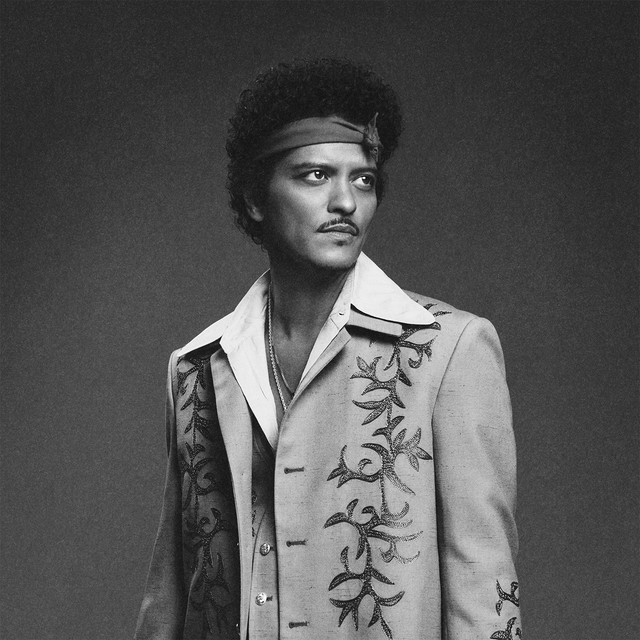
Bruno Mars
Dance-Pop
Pop
Contemporary R&b
5
/5
Michael Jackson
Soul
Pop
Contemporary R&b
5
/5
Sade
Smooth Soul
Sophisti-Pop
Contemporary R&b
4
/5
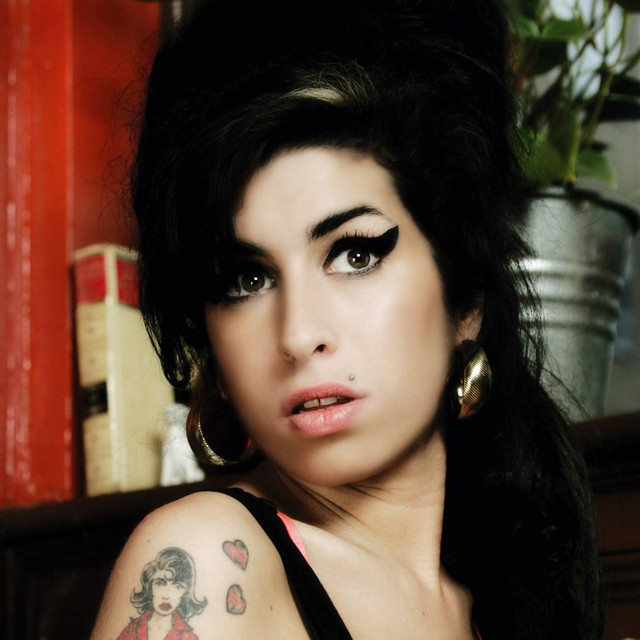
Amy Winehouse
Neo Soul
Pop
Soul
4
/5
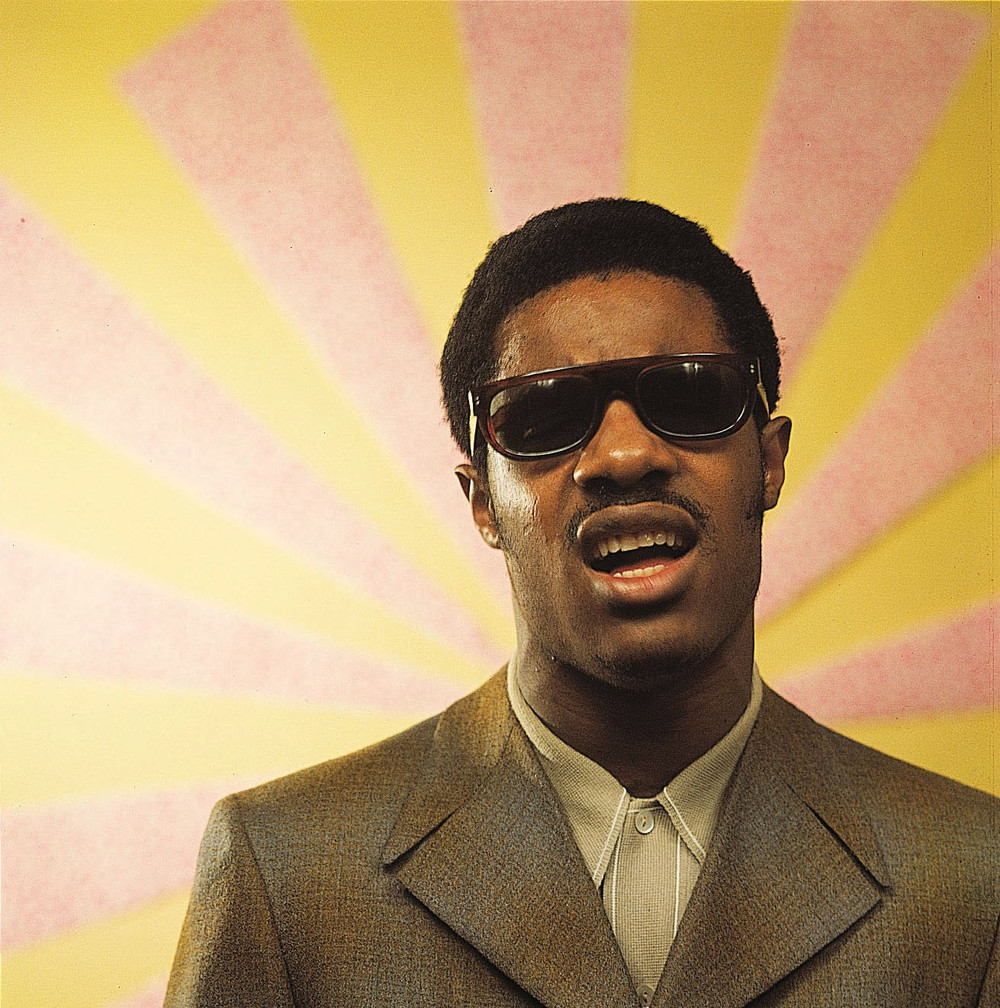
Stevie Wonder
Soul
Funk
Motown
4
/5
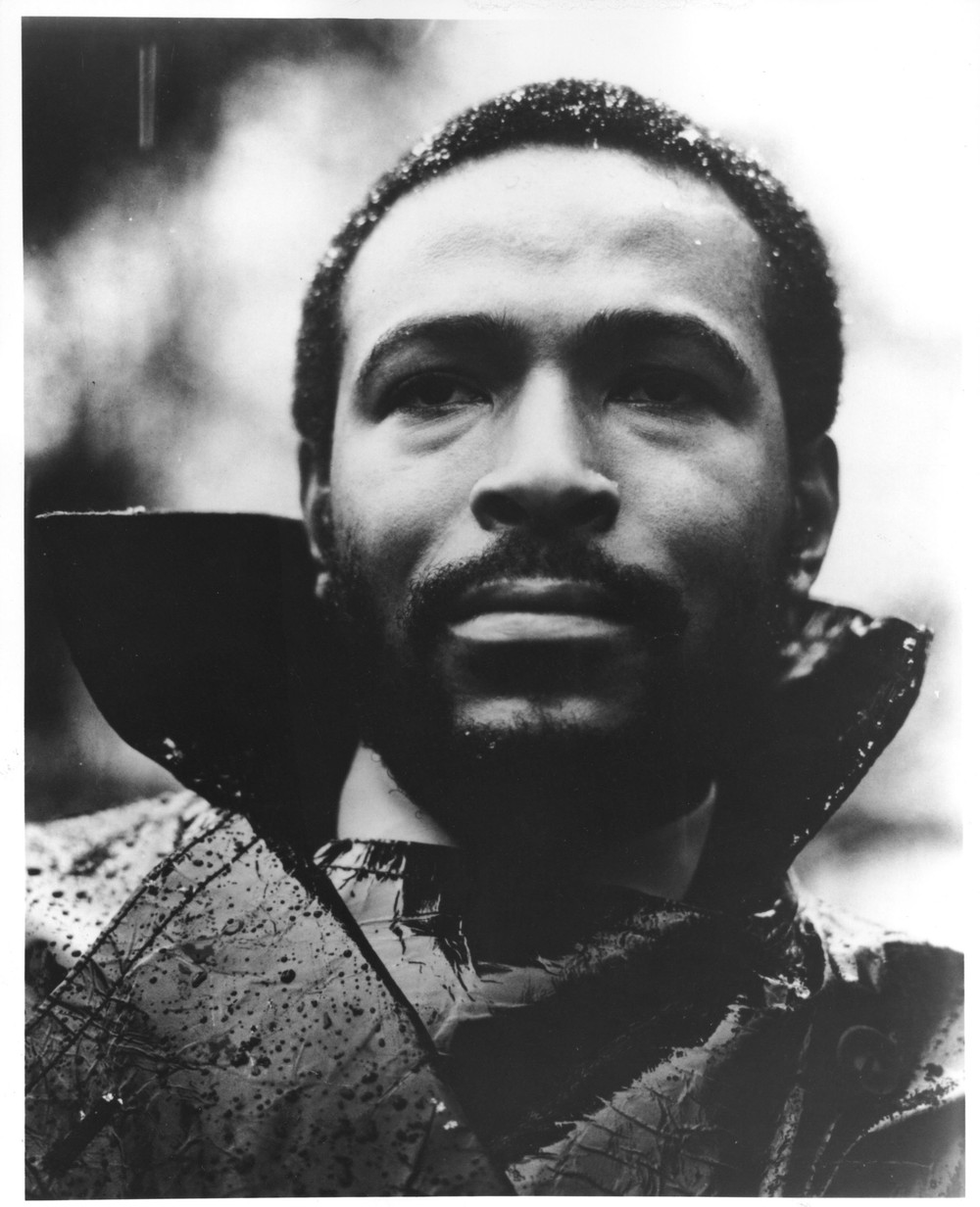
Marvin Gaye
Motown
Soul
Northern Soul
3
/5
Smokey Robinson & The Miracles
Motown
Soul
Classic Soul
4
/5
The Platters
Doo-Wop
Easy Listening
Rock And Roll
3
/5
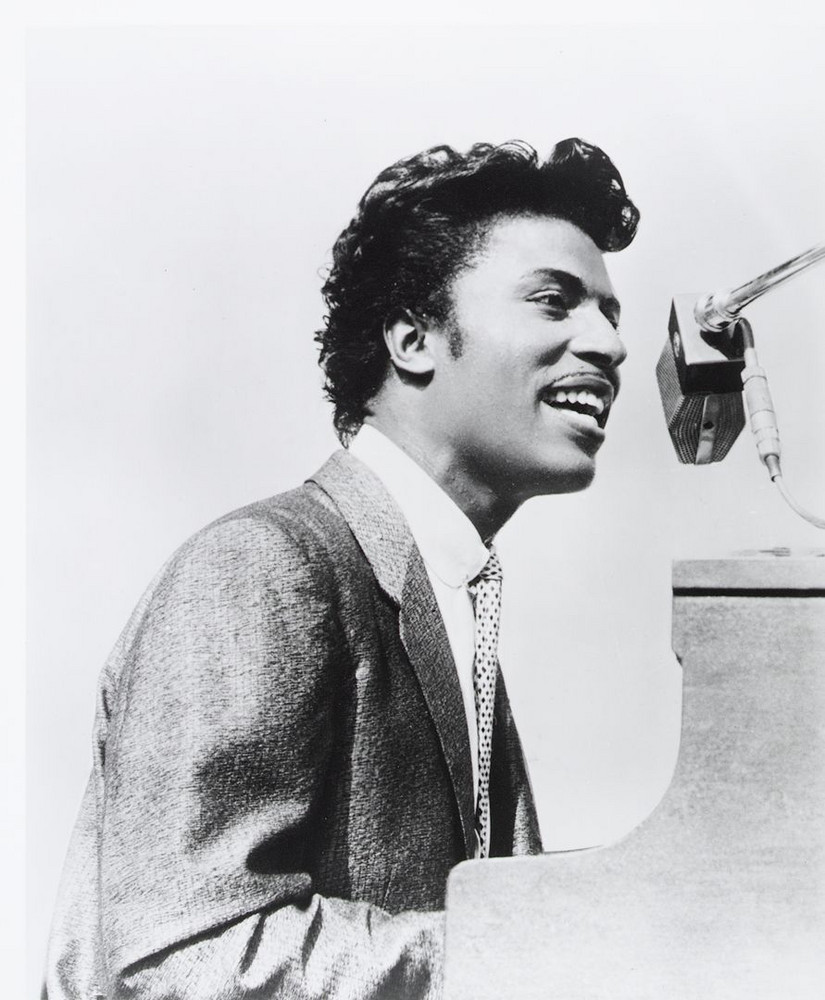
Little Richard
Rock And Roll
Boogie-Woogie
Doo-Wop
Download our mobile app
Get the Melodigging app and start digging for new genres on the go
Download on the App Store
Get it on Google Play
© 2026 Melodigging
Give feedback
Legal
Melodding was created as a tribute to
Every Noise at Once
, which inspired us to help curious minds keep digging into music's ever-evolving genres.