Genres
Artists
Albums
Make Music
Sign in
Sign in
Artists
Chamber Music
Artists
Chamber Music
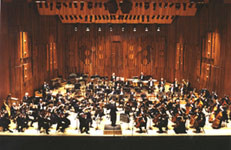
Tapiola Sinfonietta
2015–2019
·
2 albums
Listen
2
/5
Genres
Nordic Contemporary Classical
Nordic contemporary classical is a post‑war strand of concert music created across the Nordic countries (Denmark, Finland, Iceland, Norway, and Sweden). It blends international post‑1945 modernism (serialism, spectral thinking, post‑minimal process, electroacoustic practice) with hallmarks often associated with the region: spacious orchestration, luminous timbres, a sensitivity to silence and resonance, nature‑inflected imagery, strong choral traditions, and modal/folk colorings. While stylistically diverse—from rigorously notated modernism to atmospheric, slowly evolving soundscapes—the music typically prioritizes clarity of texture, timbral nuance, and long‑line form over dense contrapuntal saturation. Institutional support (state broadcasters, conservatories, and festivals) and highly skilled ensembles/orchestras enabled composers to experiment with extended techniques, live electronics, and unconventional forms, helping the "Nordic sound" become a distinctive, exportable voice in contemporary classical culture.
Discover
Listen
Contemporary Classical
Contemporary classical is the broad field of Western art music created after World War II. It embraces an array of aesthetics—from serialism and indeterminacy to minimalism, spectralism, electroacoustic practices, and post‑tonal lyricism—while retaining a concern for notated composition and timbral innovation. Unlike the unified styles of earlier eras, contemporary classical is pluralistic. Composers freely mix acoustic and electronic sound, expand instrumental techniques, adopt non‑Western tuning and rhythm, and explore new forms, from process-based structures to open and graphic scores. The result is a music that can be rigorously complex or radically simple, technologically experimental or intimately acoustic, yet consistently focused on extending how musical time, timbre, and form can be shaped.
Discover
Listen
Classical Bassoon
Classical bassoon refers to the body of Western art‑music written for, or prominently featuring, the bassoon—from the late Baroque through the Classical and Romantic eras into the present. It encompasses solo concertos and sonatas, chamber music (often with piano or strings), and characteristic orchestral writing that showcases the instrument’s wide expressive range. A double‑reed, non‑transposing bass voice of the woodwind family, the bassoon spans approximately A1 to E5, moving from a dark, plummy low register to a vocal, singing tenor and a pungent, characterful upper range. Its agility, comic timing, and cantabile line made it a favorite for both witty scherzi and deeply lyrical slow movements. Classical bassoon practice also codified idiomatic articulation (legato cantilena, ultra‑clean staccato), voice‑leading across breaks, and the expressive use of dynamics that remain foundational to woodwind writing.
Discover
Listen
Concerto
A concerto is a large-scale composition that sets one or more solo instruments in dynamic dialogue with an orchestra. Its core idea is contrast—between soloist and tutti—and the dramatic negotiation of power, color, and thematic responsibility. While Baroque concertos often relied on ritornello form, the Classical era standardized a three-movement plan (fast–slow–fast) with sonata principles in the opening movement. The Romantic period emphasized virtuosity and expressive foregrounding of the soloist, and the 20th–21st centuries broadened the palette with new instruments, harmonies, and formats. Across eras, the concerto remains a showcase for instrumental character, technical brilliance, and the art of orchestral conversation.
Discover
Listen
Chamber Music
Chamber music is a tradition of composed music for small ensembles—typically one player per part—intended for intimate spaces such as courts, salons, and private rooms rather than large public halls. Its aesthetic emphasizes clarity of texture, conversational interplay among parts, and balance without a conductor. Hallmark formations include the string quartet, piano trio, wind quintet, string quintet, and various mixed ensembles. Multi‑movement cycles (often in sonata form) and finely wrought counterpoint are common, ranging from Baroque trio sonatas to Classical string quartets and modern works with expanded timbres and techniques. Because of its scale and transparency, chamber music has long been a proving ground for compositional craft and ensemble musicianship, shaping the core of Western art music from the Baroque through the present.
Discover
Listen
Orchestral
Orchestral music refers to compositions written for an orchestra—a large ensemble typically built around a string section (violins, violas, cellos, double basses), complemented by woodwinds, brass, percussion, and often harp, keyboard, or other auxiliary instruments. A conductor coordinates the ensemble, shaping balance, phrasing, and expression. The style emphasizes coloristic timbre combinations, dynamic range from the softest pianissimo to explosive tuttis, and textures that can shift seamlessly between transparent chamber-like writing and monumental masses of sound. Orchestral writing underpins concert genres such as symphonies, overtures, and tone poems, as well as opera, ballet, and modern film and game scores. While orchestral writing evolved across centuries, its core craft centers on melody, counterpoint, harmony, register, and orchestration—the art of assigning musical ideas to instruments to achieve clarity, contrast, and narrative impact.
Discover
Listen
Classical
Classical music is the notated art-music tradition of Europe and its global descendants, characterized by durable forms, carefully codified harmony and counterpoint, and a literate score-based practice. The term “classical” can refer broadly to the entire Western art-music lineage from the Medieval era to today, not just the Classical period (c. 1750s–1820s). It privileges long-form structures (such as symphonies, sonatas, concertos, masses, and operas), functional or modal harmony, thematic development, and timbral nuance across ensembles ranging from solo instruments to full orchestras and choirs. Across centuries, the style evolved from chant and modal polyphony to tonal harmony, and later to post-tonal idioms, while maintaining a shared emphasis on written notation, performance practice, and craft.
Discover
Listen
Show all 7 genres
Albums
2019
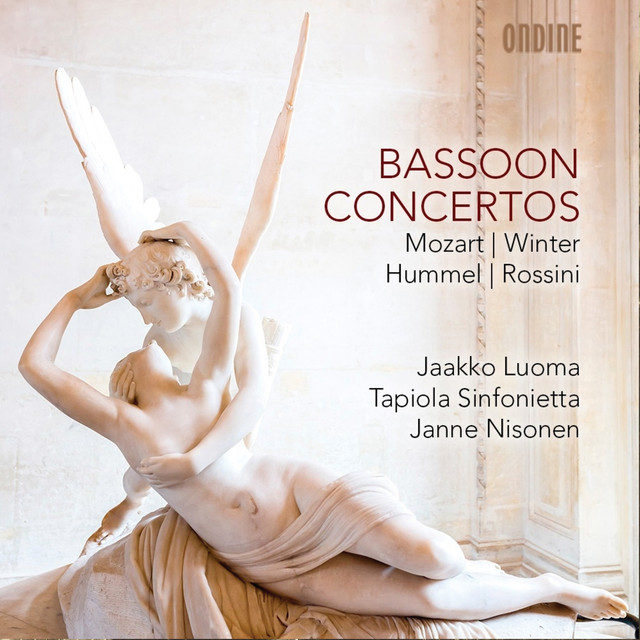
Mozart, Winter, Hummel & Rossini: Bassoon Concertos
Jaakko Luoma, Tapiola Sinfonietta
Classical Bassoon
2015
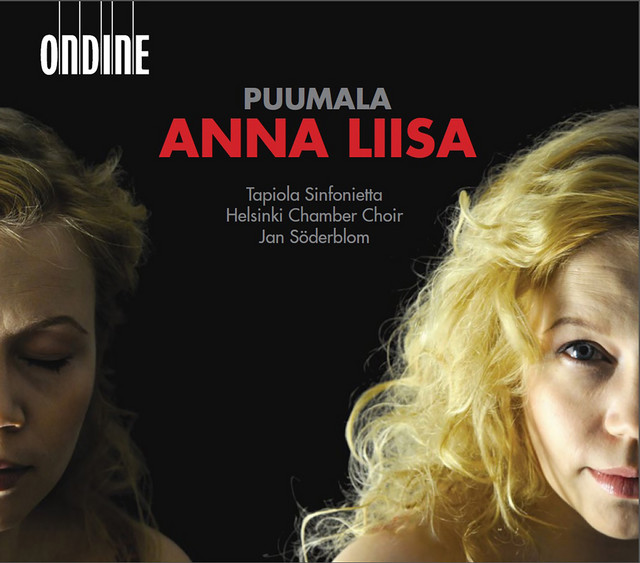
Puumala: Anna Liisa
Veli-Matti Puumala, Helena Juntunen, Jorma Hynninen, Tapiola Sinfonietta, Jan S…
Nordic Contemporary Classical
Similar artists
3
/5
Arvo Pärt
Minimalism
Classical
Holy Minimalism
2
/5
György Ligeti
Classical
Avant-Garde
Étude
4
/5
Johann Sebastian Bach
Baroque
Classical
Baroque Suite
4
/5
Wolfgang Amadeus Mozart
Classical
Requiem
Classical Period
4
/5
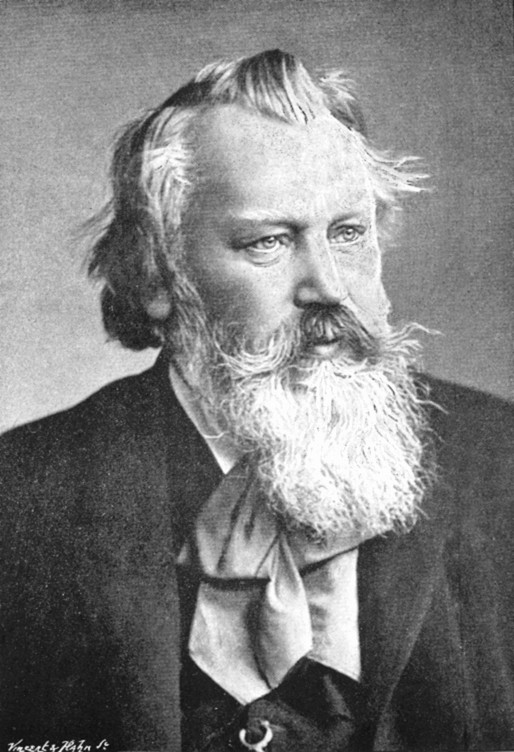
Johannes Brahms
Concerto
Romantic Classical
Symphony
4
/5
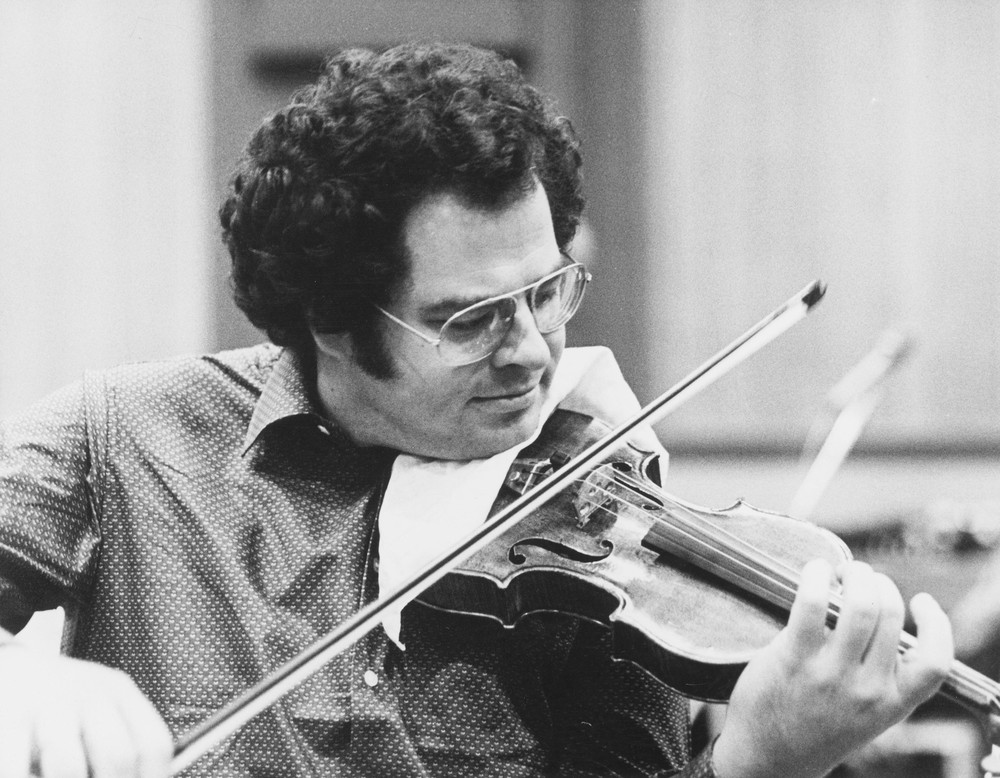
Itzhak Perlman
Chamber Music
Classical
Concerto
3
/5
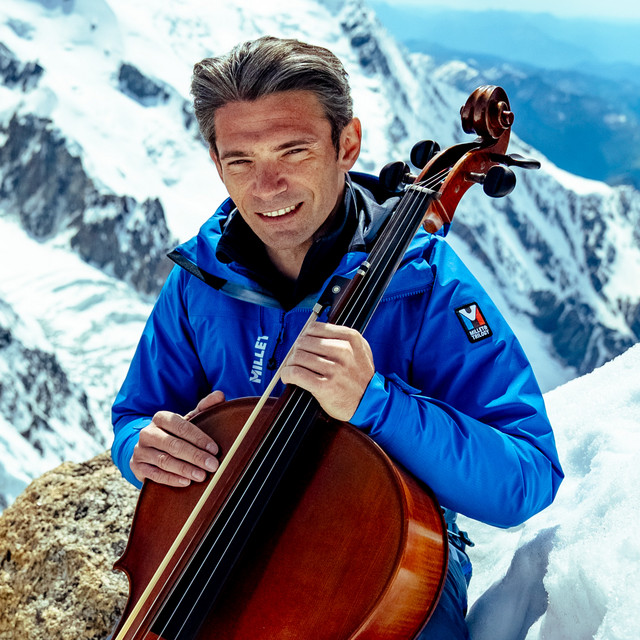
Gautier Capuçon
Chamber Music
Classical
Concerto
3
/5
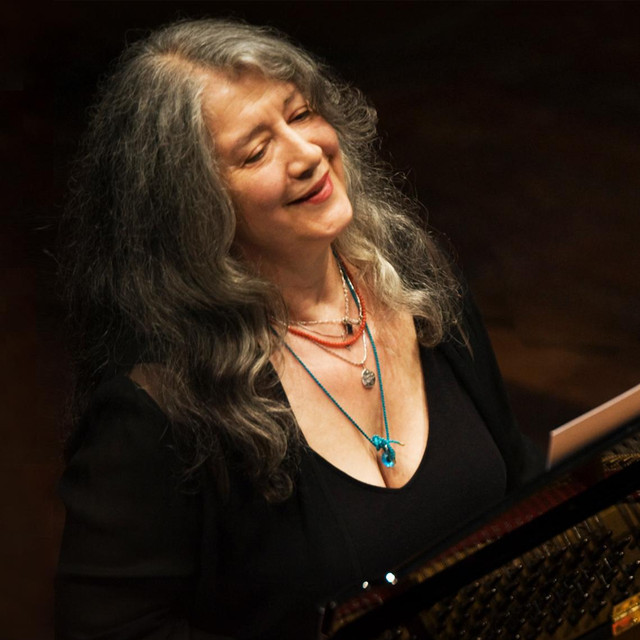
Martha Argerich
Classical
Classical Performance
Chamber Music
3
/5
BBC Symphony Orchestra
Classical
Concerto
Contemporary Classical
3
/5
Vladimir Ashkenazy
Chamber Music
Classical
Classical Performance
Download our mobile app
Get the Melodigging app and start digging for new genres on the go
Download on the App Store
Get it on Google Play
© 2026 Melodigging
Give feedback
Legal
Melodding was created as a tribute to
Every Noise at Once
, which inspired us to help curious minds keep digging into music's ever-evolving genres.