Genres
Artists
Albums
Make Music
Sign in
Sign in
Artists
Outsider
Artists
Outsider
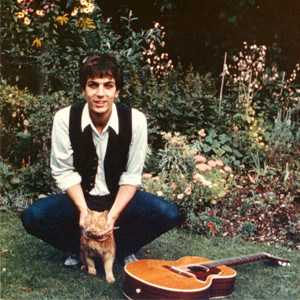
Syd Barrett
1970–2016
·
3 albums
Listen
2
/5
Genres
Outsider
Outsider music is an umbrella term for idiosyncratic recordings made by creators who operate outside the norms of the commercial music industry and academic training. Rather than a single sound, it describes a sensibility: raw, deeply personal, and frequently unconcerned with conventional technique, pitch, meter, or song form. Artists labeled “outsider” often self‑record at home, release music privately, or perform in nontraditional spaces. Their work may feature unusual tunings, naive or obsessive lyrics, one‑person band setups, tape hiss and room noise, and structures that feel improvised or dreamlike. While the results can be challenging, the appeal lies in the unfiltered voice and the sense of direct, human expression that bypasses stylistic polish. Critic Irwin Chusid popularized the term in the 2000s, but the impulse predates it by decades, drawing on DIY, vanity-press, song‑poem, and local scene traditions across rock, folk, pop, blues, gospel, and experimental music.
Discover
Listen
Psychedelic Folk
Psychedelic folk (often called acid folk or psych folk) blends the acoustic intimacy and modal harmony of traditional folk with the exploratory textures, surreal lyricism, and studio experimentation of psychedelic music. It typically favors acoustic guitars, hand percussion, flutes, drones (e.g., tambura or harmonium), and small acoustic instruments, while embracing effects such as reverb, delay, tape manipulation, field recordings, and unconventional song structures. Lyrics tend toward the pastoral, mystical, and dreamlike—drawing on folklore, nature, and visionary or inward-looking themes. Musically, it often uses modal melodies (Dorian, Mixolydian), drones, fingerstyle guitar in open tunings, and hypnotic ostinatos, creating a hazy, otherworldly atmosphere that sits between singer‑songwriter intimacy and psychedelic exploration.
Discover
Listen
Psychedelic Rock
Psychedelic rock is a style of rock music that seeks to evoke, simulate, and expand altered states of consciousness through sound. It typically features timbral experimentation (fuzz, wah, tape delay, phasing), drones, modal or raga-influenced harmony, extended improvisation, studio-as-instrument production, and surreal, mystical, or mind-expanding lyrics. Emerging from mid-1960s counterculture, it fused garage-band energy with folk, blues, and non-Western musical ideas—especially Indian classical ragas—while embracing new studio technologies and concert light shows. Both a live and a studio art, psychedelic rock ranges from jangly, kaleidoscopic pop to heavy, hypnotic jams and cosmic soundscapes.
Discover
Listen
Acid Rock
Acid rock is a heavier, louder, and more improvisation-driven branch of psychedelic rock that emerged in the mid-to-late 1960s. It is characterized by extended guitar solos, distorted and feedback-laden textures, modal or drone-based harmony, and a strong emphasis on trance-inducing grooves. The style was closely tied to the counterculture and LSD-fueled happenings of the era, particularly on the U.S. West Coast. Musically, it blends blues-rock’s grit, garage rock’s raw energy, folk-rock’s modal harmonies, and raga-influenced drones, then amplifies everything—volume, duration, and intensity—into hypnotic, often explosive performances.
Discover
Listen
Psychedelic Pop
Psychedelic pop is a 1960s-born fusion that marries the hook-driven immediacy of pop with the timbral color, studio experimentation, and altered-perception aesthetics of psychedelic music. It favors concise song forms and memorable melodies while introducing unusual sounds (sitar, Mellotron, harpsichord), tape effects (backmasking, varispeed, flanging), and surreal or whimsical imagery. Compared to psychedelic rock, it is brighter, more tuneful, and radio-friendly, often wrapping adventurous production techniques in singable choruses and lush vocal harmonies.
Discover
Listen
English Underground
English underground refers to a loose, DIY network of bands, audiences, promoters, and fanzines that coalesced in England in the late 1960s and 1970s. It fused heavy psychedelia, space-bound rock jams, anarchic proto‑punk attitude, and experimental folk and drone into an alternative to the mainstream British pop and rock industry. Rather than a single sound, it describes a culture: free festivals and communal gigs, improvised sets in squats and arts colleges, independent labels and press, and a commitment to countercultural ideals. Its music tends to favor long forms, trance‑like grooves, modal or drone harmony, tape and electronics experimentation, and lyrics steeped in surrealism, political dissent, and visionary imagery.
Discover
Listen
Folk Rock
Folk rock is a fusion genre that blends the narrative lyricism, modal melodies, and acoustic timbres of traditional folk with the backbeat, amplification, and song structures of rock. It typically pairs acoustic or traditional instruments (acoustic guitar, mandolin, fiddle) with a rock rhythm section (electric guitar, bass, drums), often featuring chiming 12‑string guitar textures, close vocal harmonies, and socially conscious or storytelling lyrics. The result ranges from intimate, reflective ballads with a steady backbeat to more anthemic, roots‑driven rock. Emerging in the mid‑1960s through artists such as Bob Dylan and The Byrds, folk rock became a gateway for traditional and roots materials to enter mainstream popular music, and it seeded later movements from country rock and Americana to jangle pop and modern indie folk.
Discover
Listen
Singer-Songwriter
Singer-songwriter is a song-focused style in which the same person writes, composes, and performs their own material, often accompanying themselves on acoustic guitar or piano. It emphasizes personal voice, lyrical intimacy, and storytelling over elaborate production. Arrangements are typically sparse, allowing the melody, words, and performance nuance to carry the song’s emotional weight. While rooted in folk and blues traditions, singer-songwriter embraces pop and rock songcraft, producing works that can range from quiet confessional ballads to subtly orchestrated, radio-ready pieces.
Discover
Listen
Rock
Rock is a broad family of popular music centered on amplified instruments, a strong backbeat, and song forms that foreground riffs, choruses, and anthemic hooks. Emerging from mid‑20th‑century American styles like rhythm & blues, country, and gospel-inflected rock and roll, rock quickly expanded in scope—absorbing folk, blues, and psychedelic ideas—while shaping global youth culture. Core sonic markers include electric guitar (often overdriven), electric bass, drum kit emphasizing beats 2 and 4, and emotive lead vocals. Rock songs commonly use verse–chorus structures, blues-derived harmony, and memorable melodic motifs, ranging from intimate ballads to high‑energy, stadium‑sized performances.
Discover
Listen
Experimental
Experimental music is an umbrella term for practices that prioritize exploration, process, and discovery over adherence to established genre norms. It embraces new sound sources, nonstandard tuning systems, indeterminacy and chance operations, graphic and open-form scores, extended techniques, and technology-led sound design (tape, electronics, computers, and live processing). Rather than a single style, it is a methodology and ethos: testing hypotheses about sound, structure, and performance, often blurring boundaries between composition, improvisation, sound art, and performance art. Listeners can expect unfamiliar timbres, unusual forms, and an emphasis on how music is made as much as the resulting sound.
Discover
Listen
Folk
Folk is a song-centered acoustic tradition rooted in community storytelling, everyday life, and social history. It emphasizes clear melodies, simple harmonies, and lyrics that foreground narrative, protest, and personal testimony. As a modern recorded genre, folk coalesced in the early-to-mid 20th century in the United States out of older ballad, work song, and rural dance traditions. It typically features acoustic instruments (guitar, banjo, fiddle, mandolin, harmonica), strophic song forms, and participatory singing (choruses, call-and-response).
Discover
Listen
Show all 11 genres
Albums
2016
2
/5
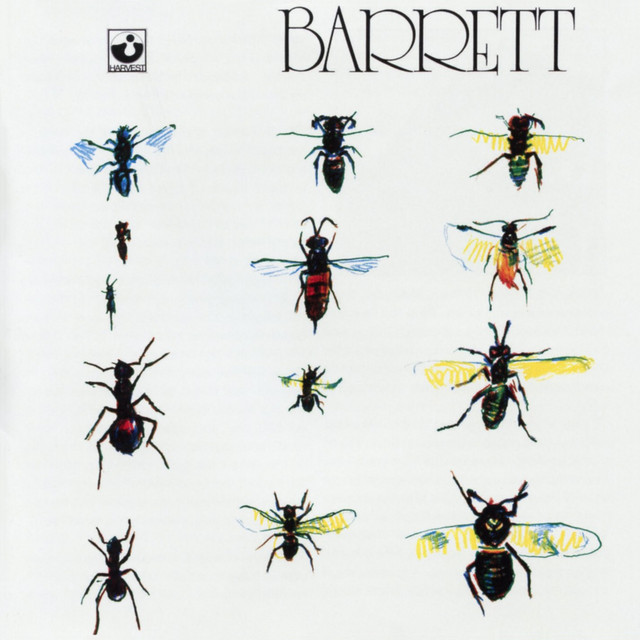
Barrett
Syd Barrett
Outsider
Psychedelic Folk
2016
3
/5
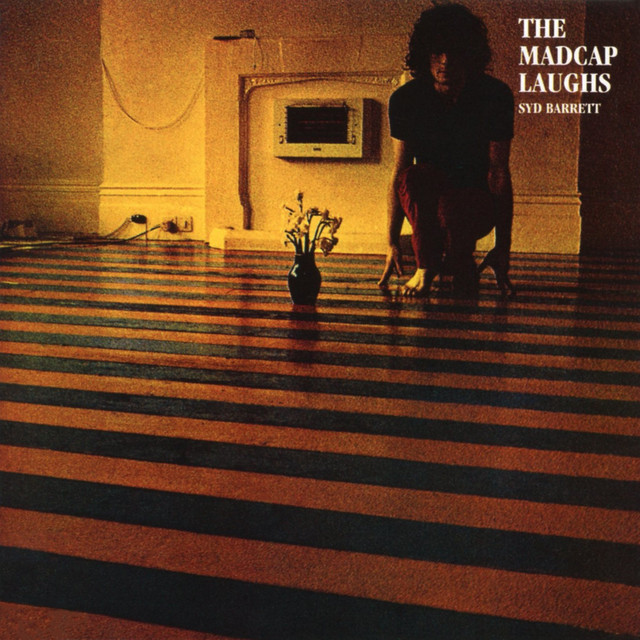
The Madcap Laughs
Syd Barrett
Outsider
Psychedelic Folk
English Underground
1970
3
/5
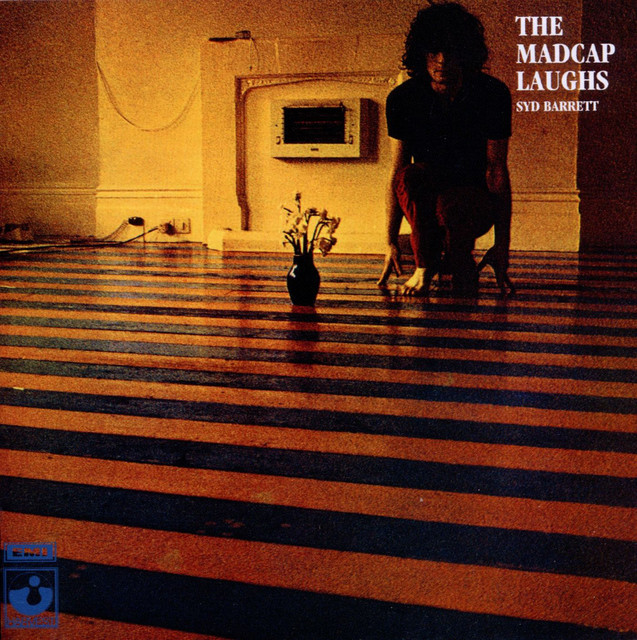
The Madcap Laughs
Syd Barrett
Outsider
Psychedelic Folk
Folk Rock
Similar artists
1
/5
Various Artists
Afro-Funk
Alternative Rock
Ambient
3
/5
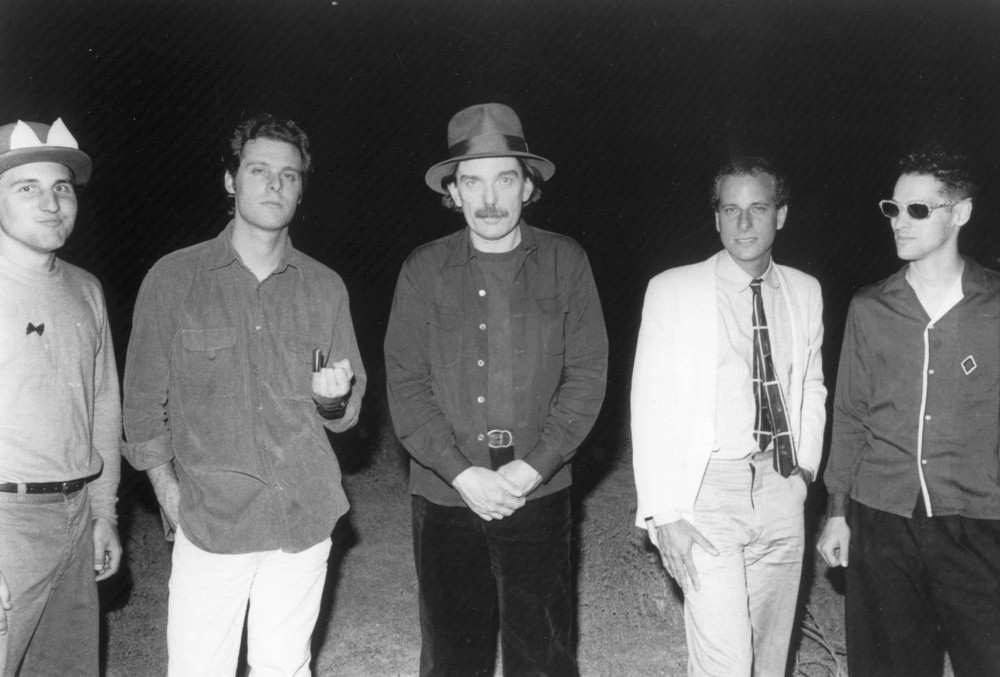
Captain Beefheart & His Magic Band
Outsider
Avant-Garde
Art Rock
2
/5
Paul Kantner
Psychedelic Folk
Acid Rock
Psychedelic Rock
3
/5
Donovan
Psychedelic Folk
Folk Rock
Folk
2
/5
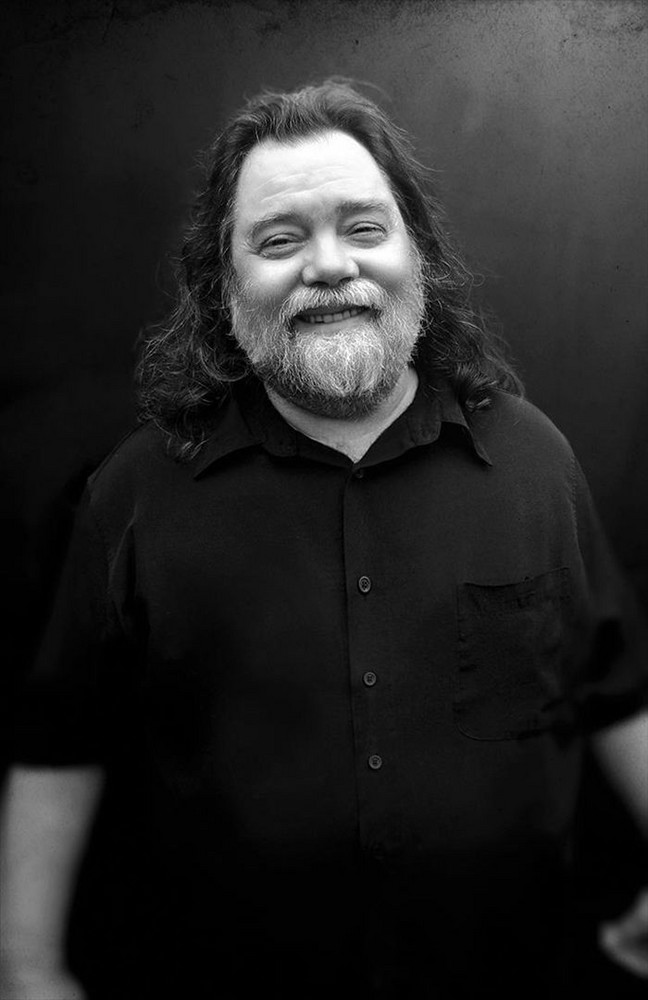
Roky Erickson
Outsider
Garage Rock
Psychedelic Rock
4
/5
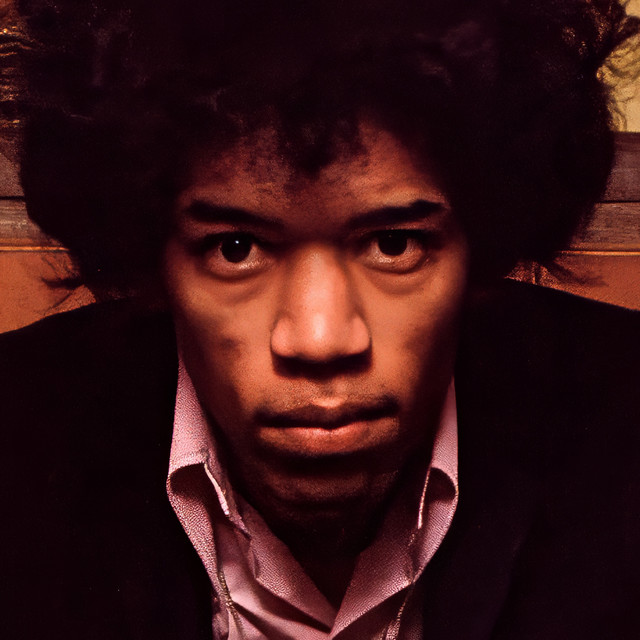
Jimi Hendrix
Blues Rock
Proto-Metal
Psychedelic Rock
4
/5
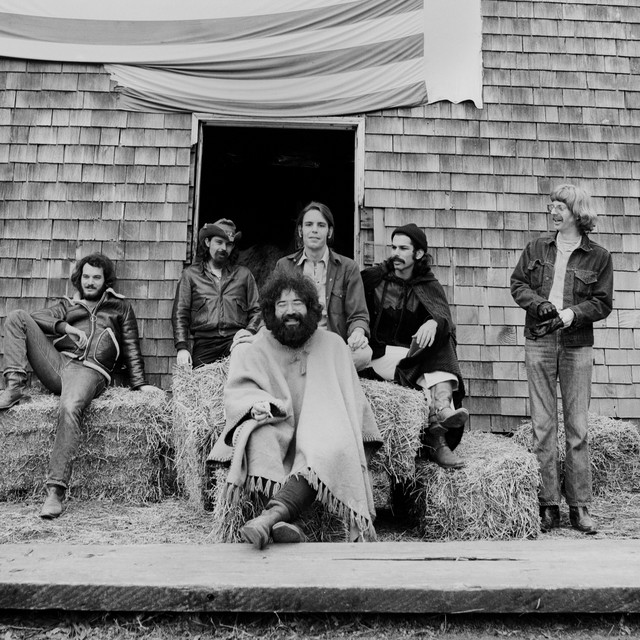
Grateful Dead
Acid Rock
Jam Band
San Francisco Sound
3
/5
Jefferson Airplane
Acid Rock
Folk Rock
Haight-Ashbury Scene
3
/5
Love
Baroque Pop
Psychedelic Pop
Psychedelic Rock
2
/5
Naxatras
Heavy Psych
Instrumental Stoner Rock
Stoner Rock
Download our mobile app
Get the Melodigging app and start digging for new genres on the go
Download on the App Store
Get it on Google Play
© 2026 Melodigging
Give feedback
Legal
Melodding was created as a tribute to
Every Noise at Once
, which inspired us to help curious minds keep digging into music's ever-evolving genres.