Genres
Artists
Albums
Make Music
Sign in
Sign in
Artists
Psychedelic Folk
Artists
Psychedelic Folk
Paul Kantner
1970–1973
·
2 albums
Listen
2
/5
Genres
Cosmic Country
Cosmic country blends classic country songwriting with psychedelic textures, spacious production, and a subtly jam-oriented approach. It keeps the twang of pedal steel, Telecaster leads, and two-step rhythms, but bathes them in tape echo, plate reverb, and occasionally gentle synths or swirling organs. The style’s “cosmic” quality comes from its dreamy, contemplative mood and lyrical focus on travel, transcendence, the open road, and big-sky spirituality. It feels warm and analog, favoring live-band interplay, extended instrumental passages, and harmonies that blur the line between honky-tonk earthiness and starry-eyed psychedelia.
Discover
Listen
Psychedelic Folk
Psychedelic folk (often called acid folk or psych folk) blends the acoustic intimacy and modal harmony of traditional folk with the exploratory textures, surreal lyricism, and studio experimentation of psychedelic music. It typically favors acoustic guitars, hand percussion, flutes, drones (e.g., tambura or harmonium), and small acoustic instruments, while embracing effects such as reverb, delay, tape manipulation, field recordings, and unconventional song structures. Lyrics tend toward the pastoral, mystical, and dreamlike—drawing on folklore, nature, and visionary or inward-looking themes. Musically, it often uses modal melodies (Dorian, Mixolydian), drones, fingerstyle guitar in open tunings, and hypnotic ostinatos, creating a hazy, otherworldly atmosphere that sits between singer‑songwriter intimacy and psychedelic exploration.
Discover
Listen
Psychedelic Rock
Psychedelic rock is a style of rock music that seeks to evoke, simulate, and expand altered states of consciousness through sound. It typically features timbral experimentation (fuzz, wah, tape delay, phasing), drones, modal or raga-influenced harmony, extended improvisation, studio-as-instrument production, and surreal, mystical, or mind-expanding lyrics. Emerging from mid-1960s counterculture, it fused garage-band energy with folk, blues, and non-Western musical ideas—especially Indian classical ragas—while embracing new studio technologies and concert light shows. Both a live and a studio art, psychedelic rock ranges from jangly, kaleidoscopic pop to heavy, hypnotic jams and cosmic soundscapes.
Discover
Listen
Folk Rock
Folk rock is a fusion genre that blends the narrative lyricism, modal melodies, and acoustic timbres of traditional folk with the backbeat, amplification, and song structures of rock. It typically pairs acoustic or traditional instruments (acoustic guitar, mandolin, fiddle) with a rock rhythm section (electric guitar, bass, drums), often featuring chiming 12‑string guitar textures, close vocal harmonies, and socially conscious or storytelling lyrics. The result ranges from intimate, reflective ballads with a steady backbeat to more anthemic, roots‑driven rock. Emerging in the mid‑1960s through artists such as Bob Dylan and The Byrds, folk rock became a gateway for traditional and roots materials to enter mainstream popular music, and it seeded later movements from country rock and Americana to jangle pop and modern indie folk.
Discover
Listen
Acid Rock
Acid rock is a heavier, louder, and more improvisation-driven branch of psychedelic rock that emerged in the mid-to-late 1960s. It is characterized by extended guitar solos, distorted and feedback-laden textures, modal or drone-based harmony, and a strong emphasis on trance-inducing grooves. The style was closely tied to the counterculture and LSD-fueled happenings of the era, particularly on the U.S. West Coast. Musically, it blends blues-rock’s grit, garage rock’s raw energy, folk-rock’s modal harmonies, and raga-influenced drones, then amplifies everything—volume, duration, and intensity—into hypnotic, often explosive performances.
Discover
Listen
Rock
Rock is a broad family of popular music centered on amplified instruments, a strong backbeat, and song forms that foreground riffs, choruses, and anthemic hooks. Emerging from mid‑20th‑century American styles like rhythm & blues, country, and gospel-inflected rock and roll, rock quickly expanded in scope—absorbing folk, blues, and psychedelic ideas—while shaping global youth culture. Core sonic markers include electric guitar (often overdriven), electric bass, drum kit emphasizing beats 2 and 4, and emotive lead vocals. Rock songs commonly use verse–chorus structures, blues-derived harmony, and memorable melodic motifs, ranging from intimate ballads to high‑energy, stadium‑sized performances.
Discover
Listen
Albums
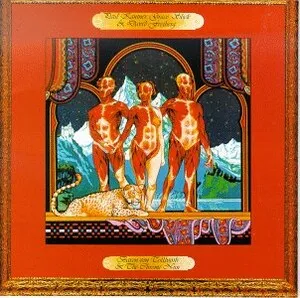
1973
2
/5
Baron von Tollbooth & the Chrome Nun
Paul Kantner, Grace Slick & David Freiberg
Cosmic Country
Psychedelic Rock
Rock
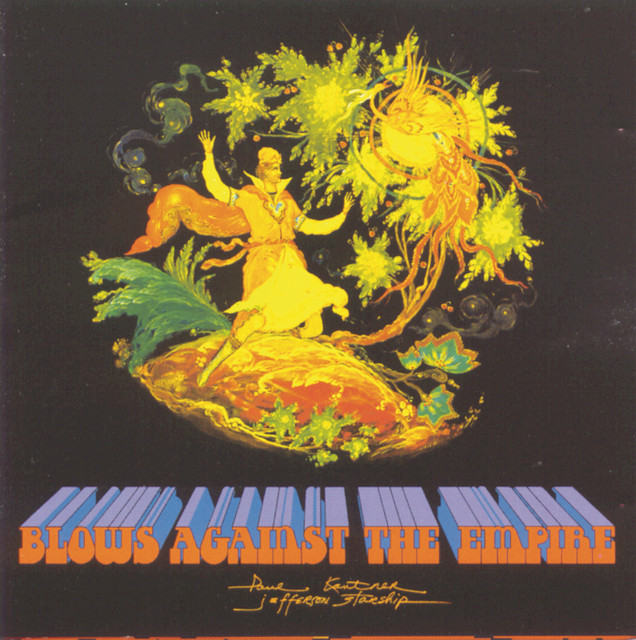
1970
2
/5
Blows Against The Empire
Paul Kantner
Psychedelic Folk
Folk Rock
Psychedelic Rock
Similar artists
1
/5
Various Artists
Afro-Funk
Alternative Rock
Ambient
2
/5
Syd Barrett
Outsider
Psychedelic Folk
Acid Rock
3
/5
Jefferson Airplane
Acid Rock
Folk Rock
Haight-Ashbury Scene
3
/5
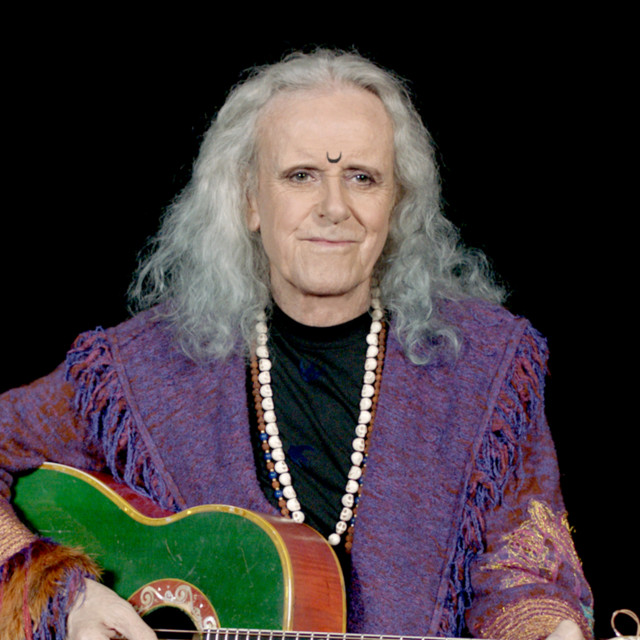
Donovan
Psychedelic Folk
Folk Rock
Folk
2
/5
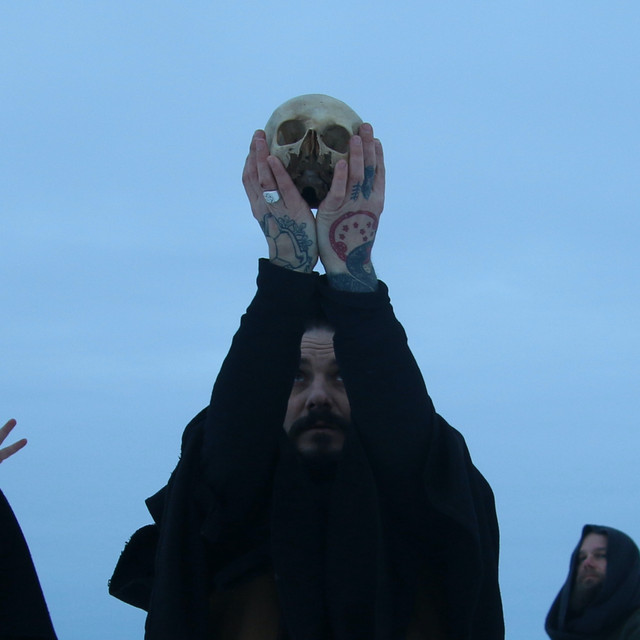
Hexvessel
New Weird Finland
Folk Rock
Psychedelic Rock
2
/5
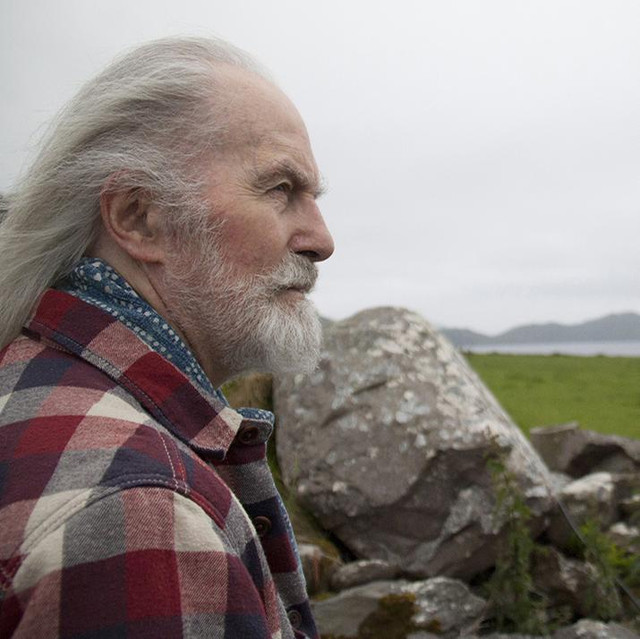
Roy Harper
Psychedelic Folk
Acid Rock
Folk
4
/5
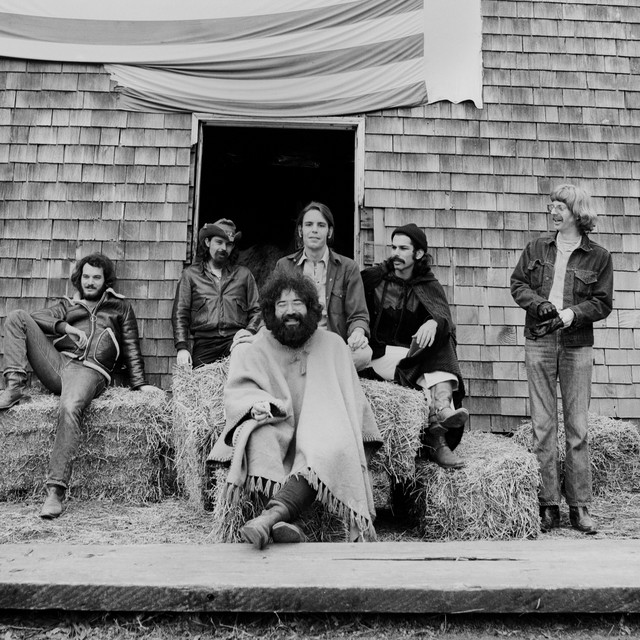
Grateful Dead
Acid Rock
Jam Band
San Francisco Sound
2
/5
Six Organs Of Admittance
Free Folk
Folk Rock
Indie Folk
3
/5
The Byrds
Folk Rock
Country Rock
Rock
3
/5
Love
Baroque Pop
Psychedelic Pop
Psychedelic Rock
Download our mobile app
Get the Melodigging app and start digging for new genres on the go
Download on the App Store
Get it on Google Play
© 2026 Melodigging
Give feedback
Legal
Melodding was created as a tribute to
Every Noise at Once
, which inspired us to help curious minds keep digging into music's ever-evolving genres.