Genres
Artists
Albums
Make Music
Sign in
Sign in
Artists
Acid Rock
Artists
Acid Rock
Jefferson Airplane
1966–1969
·
5 albums
Listen
3
/5
Genres
Chill Pop
Chill pop is a contemporary pop micro‑genre that blends radio‑friendly songwriting with the mellow textures of chillout and lo‑fi aesthetics. It favors soft vocals, smooth synths, clean guitar plucks, understated bass, and relaxed, mid‑tempo grooves. Instead of big, bombastic hooks, chill pop tends toward intimate, conversational melodies and minimal, airy arrangements. Production often borrows from bedroom pop and alternative R&B—subtle trap hi‑hats, warm saturation, roomy reverbs, and gentle side‑chain compression—to create a breezy, pastel sound palette well suited to playlists and late‑night listening. Lyrically, chill pop is introspective and relatable: romance, longing, gentle optimism, and coming‑of‑age themes delivered in a plain‑spoken, whisper‑close tone. The result sits between indie pop’s understated cool and mainstream pop’s catchy structures, optimized for the streaming era’s mood‑driven consumption.
Discover
Listen
Shimmer Psych
Shimmer psych is a contemporary strand of neo‑psychedelia that pairs sparkling, chorus‑washed guitars and gauzy vocal harmonies with dreamy pop songcraft. It emphasizes high‑end "shimmer," tape‑soft saturation, hypnagogic textures, and melodic hooks, sitting between dream pop, jangle pop, and classic psychedelic rock. Typical tracks are mid‑tempo, built on warm bass lines, gentle motorik or laid‑back breakbeats, and drenched in reverb, phaser, and delay. The result is sun‑bleached, nostalgic, and kaleidoscopic rather than heavy or jam‑oriented.
Discover
Listen
Classify
Classify is a streaming-era microgenre that blends light classical technique with contemporary pop repertoire, typically presented as unobtrusive instrumental covers. It prioritizes soft dynamics, gentle tempos, and intimate recording to create a calm, elegant backdrop suitable for studying, working, or events. Most arrangements are for solo piano, string quartet, cello/piano duos, or small chamber ensembles. Harmonies remain diatonic and consonant, melodies are clearly voiced, and textures favor arpeggios, ostinati, and sustained legato lines. The overall aesthetic borrows from modern classical and new age moods while retaining the familiarity of pop song forms.
Discover
Listen
Otacore
Otacore is a fan-driven, internet-native umbrella for music centered on anime, manga, gaming, and broader otaku culture. Rather than a single strict musical style, it describes a cluster of scenes where pop, electronic, rock, and rap intersect with anime aesthetics, story tropes, and character/fandom references. Typical otacore repertoires include Vocaloid productions, anisong-style pop/rock, high-energy EDM with kawaii sound design, nightcore-style edits, game-inspired chiptune flourishes, and cover cultures (English/Japanese) tied to anime and game franchises. Distribution and discovery are powered by platforms such as Nico Nico Douga, YouTube, SoundCloud, streaming playlists, and later TikTok, where memeability, fan videos (AMVs), and vtuber performances help songs spread globally.
Discover
Listen
Country Road
Country road is a contemporary, radio‑friendly country style optimized for highway listening. It blends modern country pop sheen with heartland rock drive and soft‑rock smoothness, centering warm electric and acoustic guitars, steady backbeats, and sing‑along choruses. Lyrically it leans on story‑telling and snapshot imagery—open roads, small towns, relationships, personal resolve—delivered in a conversational tone. The feel is mid‑tempo, comforting, and panoramic, designed for cruising and easy repeat play.
Discover
Listen
Electronic Trap
Electronic trap is a club-oriented hybrid that fuses modern trap’s drum language (punchy 808 kicks, snappy snares, fast hi-hat rolls) with EDM sound design and festival-style arrangement. Compared to rap-first trap, electronic trap is typically more instrumental and drop-driven, with dramatic buildups, heavy bass drops, and highly processed synths. Common sonic traits include distorted 808 subs, aggressive lead synths, chopped or pitched vocal samples, and big FX transitions (risers, impacts, sweeps). The overall focus is energy, bass weight, and crowd impact on large sound systems.
Discover
Listen
Acid Rock
Acid rock is a heavier, louder, and more improvisation-driven branch of psychedelic rock that emerged in the mid-to-late 1960s. It is characterized by extended guitar solos, distorted and feedback-laden textures, modal or drone-based harmony, and a strong emphasis on trance-inducing grooves. The style was closely tied to the counterculture and LSD-fueled happenings of the era, particularly on the U.S. West Coast. Musically, it blends blues-rock’s grit, garage rock’s raw energy, folk-rock’s modal harmonies, and raga-influenced drones, then amplifies everything—volume, duration, and intensity—into hypnotic, often explosive performances.
Discover
Listen
Folk Rock
Folk rock is a fusion genre that blends the narrative lyricism, modal melodies, and acoustic timbres of traditional folk with the backbeat, amplification, and song structures of rock. It typically pairs acoustic or traditional instruments (acoustic guitar, mandolin, fiddle) with a rock rhythm section (electric guitar, bass, drums), often featuring chiming 12‑string guitar textures, close vocal harmonies, and socially conscious or storytelling lyrics. The result ranges from intimate, reflective ballads with a steady backbeat to more anthemic, roots‑driven rock. Emerging in the mid‑1960s through artists such as Bob Dylan and The Byrds, folk rock became a gateway for traditional and roots materials to enter mainstream popular music, and it seeded later movements from country rock and Americana to jangle pop and modern indie folk.
Discover
Listen
Psychedelic Rock
Psychedelic rock is a style of rock music that seeks to evoke, simulate, and expand altered states of consciousness through sound. It typically features timbral experimentation (fuzz, wah, tape delay, phasing), drones, modal or raga-influenced harmony, extended improvisation, studio-as-instrument production, and surreal, mystical, or mind-expanding lyrics. Emerging from mid-1960s counterculture, it fused garage-band energy with folk, blues, and non-Western musical ideas—especially Indian classical ragas—while embracing new studio technologies and concert light shows. Both a live and a studio art, psychedelic rock ranges from jangly, kaleidoscopic pop to heavy, hypnotic jams and cosmic soundscapes.
Discover
Listen
Haight-Ashbury Scene
The Haight-Ashbury scene refers to the mid-to-late 1960s countercultural music community centered in the Haight-Ashbury neighborhood of San Francisco, California. Closely tied to the hippie movement, it fostered long-form, improvisational rock infused with folk, blues, raga, and experimental elements—what became known worldwide as the San Francisco sound. Musically, bands emphasized communal performance, extended jams, modal harmony, and exploratory guitar tones shaped by fuzz, feedback, and reverb. Lyrically and culturally, the scene embraced psychedelic consciousness, anti-war politics, free love, and communal living, with landmark gatherings like the Human Be-In and the Summer of Love helping to broadcast the sound and ethos globally.
Discover
Listen
San Francisco Sound
The San Francisco Sound refers to the distinctive, improvisation-heavy psychedelic rock that emerged from the San Francisco Bay Area—especially Haight-Ashbury—during the mid-to-late 1960s. It is characterized by long, modal jams; a live-first ethos; prominent use of electric guitars with feedback and distortion; fluid, conversational improvisation among players; and a communal, countercultural sensibility. Bands frequently blended blues, folk, country, R&B, jazz, and raga influences, often incorporating droning textures, extended solos, and striking dynamic arcs. The scene was as much about place and community as sound: Bill Graham’s Fillmore, the Avalon Ballroom, light shows, the Acid Tests, underground FM radio, and Owsley Stanley’s high-fidelity sound systems all helped forge a large-room, enveloping live aesthetic that came to define the movement.
Discover
Listen
Blues Rock
Blues rock is a guitar-driven style that fuses the raw feeling and 12‑bar structures of the blues with the power, volume, and rhythmic punch of rock. It emphasizes riff-based songs, pentatonic and blues-scale soloing, call‑and‑response between voice and guitar, and an expressive, often gritty vocal delivery. Typical ensembles are power trios (guitar, bass, drums) or quartet formats adding second guitar, keyboards, or harmonica, and performances commonly feature extended improvisation. Sonically, it favors overdriven tube-amp tones, sustained bends, vibrato, and dynamic contrasts, moving from shuffles and boogies to straight‑eighth rock grooves.
Discover
Listen
Experimental Rock
Experimental rock is a broad, exploratory branch of rock music that prioritizes innovation over convention. It stretches rock’s core instrumentation and song forms through unusual timbres, extended techniques, nonstandard tunings, chance procedures, and studio-as-instrument production. Drawing on avant-garde composition, free jazz, minimalism, and electronic/tape music, experimental rock often rejects verse–chorus structures in favor of drones, suites, collage, and improvisation. It embraces dissonance and noise as expressive tools, employs odd or fluid meters, and incorporates non-rock instruments, found sounds, and unconventional recording methods. The result is a lineage of music that treats rock not as a fixed style but as a laboratory for new sound worlds.
Discover
Listen
Psychedelic Pop
Psychedelic pop is a 1960s-born fusion that marries the hook-driven immediacy of pop with the timbral color, studio experimentation, and altered-perception aesthetics of psychedelic music. It favors concise song forms and memorable melodies while introducing unusual sounds (sitar, Mellotron, harpsichord), tape effects (backmasking, varispeed, flanging), and surreal or whimsical imagery. Compared to psychedelic rock, it is brighter, more tuneful, and radio-friendly, often wrapping adventurous production techniques in singable choruses and lush vocal harmonies.
Discover
Listen
Rock
Rock is a broad family of popular music centered on amplified instruments, a strong backbeat, and song forms that foreground riffs, choruses, and anthemic hooks. Emerging from mid‑20th‑century American styles like rhythm & blues, country, and gospel-inflected rock and roll, rock quickly expanded in scope—absorbing folk, blues, and psychedelic ideas—while shaping global youth culture. Core sonic markers include electric guitar (often overdriven), electric bass, drum kit emphasizing beats 2 and 4, and emotive lead vocals. Rock songs commonly use verse–chorus structures, blues-derived harmony, and memorable melodic motifs, ranging from intimate ballads to high‑energy, stadium‑sized performances.
Discover
Listen
Show all 15 genres
Albums
1969
2
/5
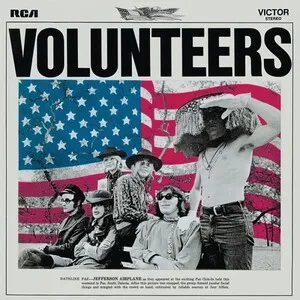
Volunteers
Jefferson Airplane
San Francisco Sound
Folk Rock
Psychedelic Rock
1968
3
/5
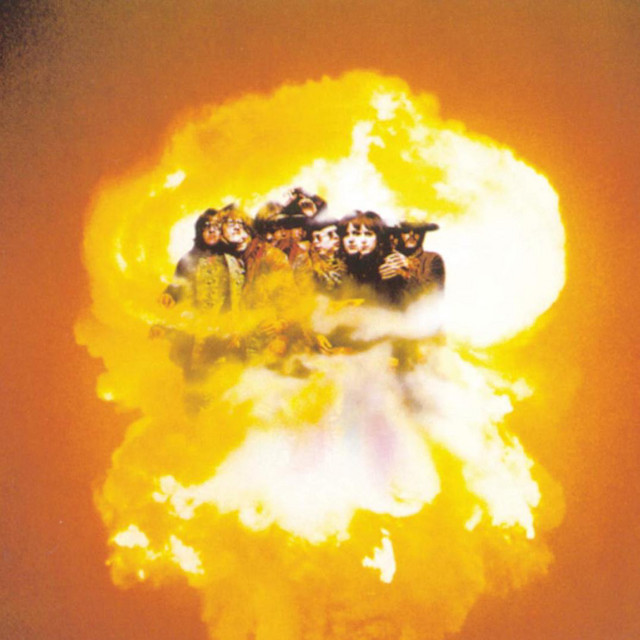
Crown of Creation
Jefferson Airplane
Haight-Ashbury Scene
San Francisco Sound
Acid Rock
1967
2
/5
After Bathing at Baxter's
Jefferson Airplane
Haight-Ashbury Scene
Acid Rock
San Francisco Sound
1967
4
/5
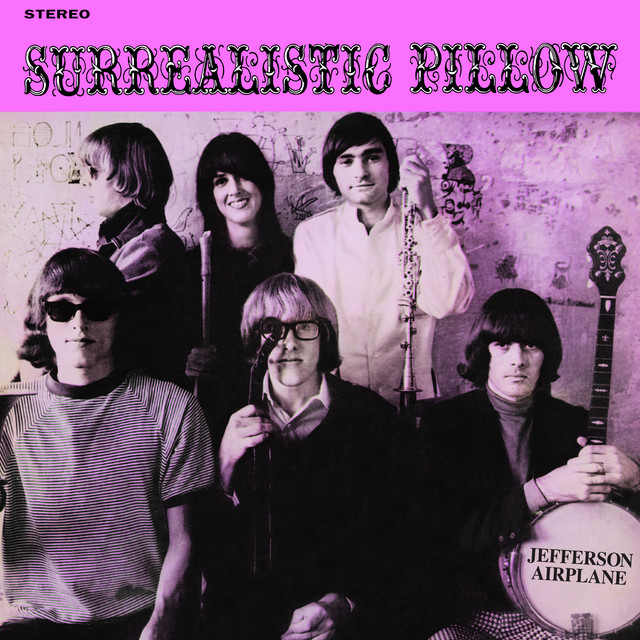
Surrealistic Pillow
Jefferson Airplane
Haight-Ashbury Scene
San Francisco Sound
Acid Rock
1966
3
/5
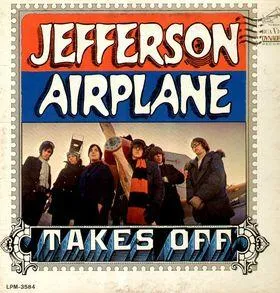
Jefferson Airplane Takes Off
Jefferson Airplane
Haight-Ashbury Scene
Folk Rock
Psychedelic Rock
Similar artists
4
/5
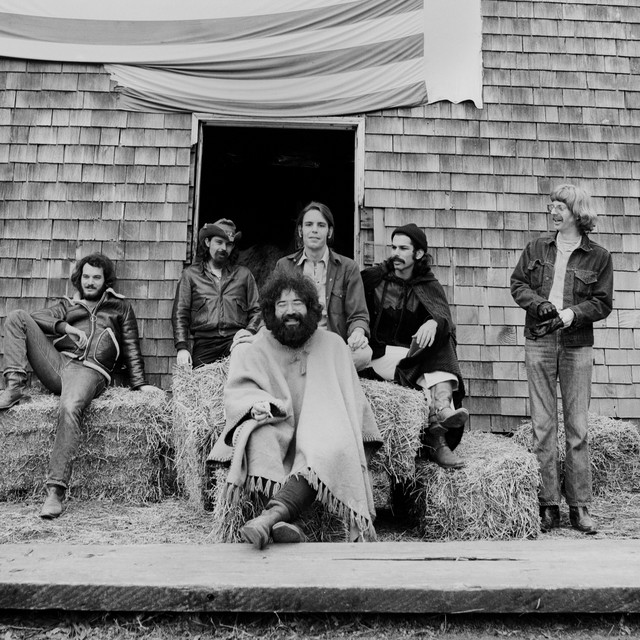
Grateful Dead
Acid Rock
Jam Band
San Francisco Sound
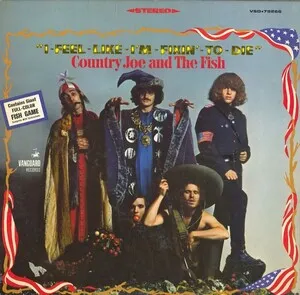
Country Joe and the Fish
San Francisco Sound
Acid Rock
Folk Rock
1
/5
Various Artists
Afro-Funk
Alternative Rock
Ambient
3
/5
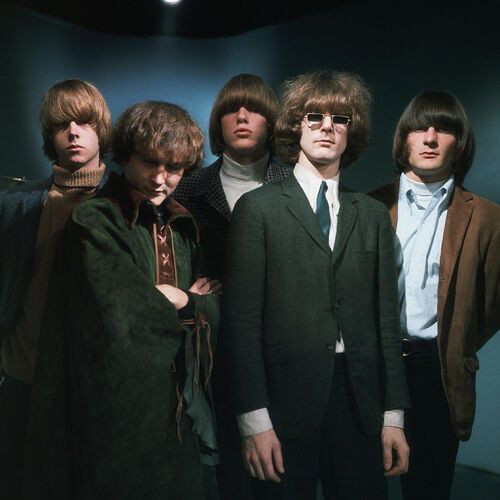
The Byrds
Folk Rock
Country Rock
Rock
4
/5
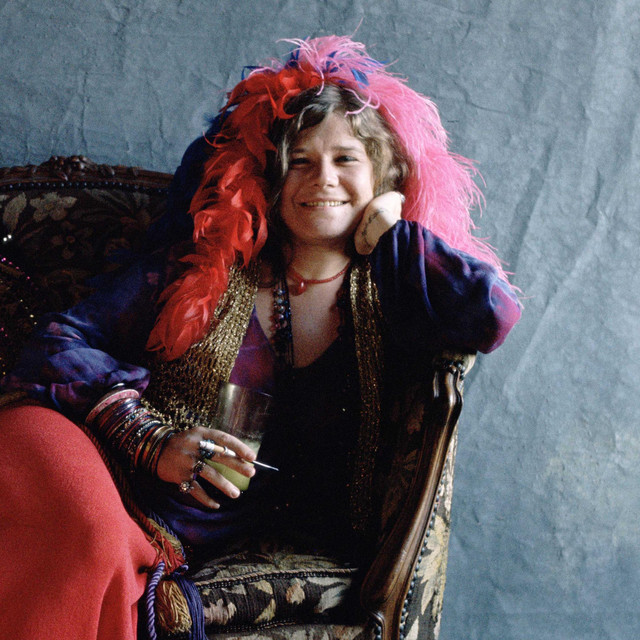
Janis Joplin
Acid Rock
Blues Rock
Rock
3
/5
Love
Baroque Pop
Psychedelic Pop
Psychedelic Rock
2
/5
The Incredible String Band
Folk Rock
Acid Rock
Folk
2
/5
Blue Cheer
Acid Rock
Proto-Punk
San Francisco Sound
2
/5
Quicksilver Messenger Service
Acid Rock
Haight-Ashbury Scene
Psychedelic Rock
2
/5
Paul Kantner
Psychedelic Folk
Acid Rock
Psychedelic Rock
Download our mobile app
Get the Melodigging app and start digging for new genres on the go
Download on the App Store
Get it on Google Play
© 2026 Melodigging
Give feedback
Legal
Melodding was created as a tribute to
Every Noise at Once
, which inspired us to help curious minds keep digging into music's ever-evolving genres.