Genres
Artists
Albums
Make Music
Sign in
Sign in
Artists
Acid Rock
Artists
Acid Rock
Grateful Dead
1968–2025
·
14 albums
Listen
4
/5
Genres
Shimmer Psych
Shimmer psych is a contemporary strand of neo‑psychedelia that pairs sparkling, chorus‑washed guitars and gauzy vocal harmonies with dreamy pop songcraft. It emphasizes high‑end "shimmer," tape‑soft saturation, hypnagogic textures, and melodic hooks, sitting between dream pop, jangle pop, and classic psychedelic rock. Typical tracks are mid‑tempo, built on warm bass lines, gentle motorik or laid‑back breakbeats, and drenched in reverb, phaser, and delay. The result is sun‑bleached, nostalgic, and kaleidoscopic rather than heavy or jam‑oriented.
Discover
Listen
Trap Metal
Trap metal is a fusion of contemporary trap production and the aggression of metal and hardcore. It typically pairs distorted 808 bass, half‑time trap drums, and rapid hi‑hat rolls with screamed or harshly delivered vocals, down‑tuned guitar riffs (live or sampled), and industrial textures. Aesthetically, it emphasizes raw intensity, mosh‑pit energy, and abrasive sound design while retaining hip‑hop’s hook‑driven song structures and lyrical cadences. Themes often revolve around alienation, rage, nihilism, and personal struggle, delivered with a visceral, cathartic tone.
Discover
Listen
Soundclown
Soundclown is an internet-born remix and mashup style that thrives on comedic juxtaposition, bait‑and‑switch reveals, and hyper-referential sample collage. It blends pop hits, game and cartoon music, ad jingles, meme sounds, and viral speech into quick-cut audio gags. The genre developed across YouTube and SoundCloud, favoring shock humor, nostalgia, and absurdity over traditional song form. Hallmarks include sudden key/tempo whiplash, exaggerated pitch-shifts, ear‑rending “earrape” peaks, and punchline drops that transform a familiar source into something hilariously incongruent. Because it is fundamentally platform-native, soundclown is as much a memetic editing culture as a musical style. Its tracks often function like sonic shitposts: fast, punchy, and built for instant recognition and shareability.
Discover
Listen
The Wave
The Wave is a loosely defined cluster of American post-hardcore/emo bands that surged in the early 2010s as emo-pop’s mainstream moment faded. The name was a tongue‑in‑cheek scene tag that stuck in press coverage, but it points to a real overlap in sound, ethos, and touring networks. Musically, The Wave fuses the urgency of 1990s post‑hardcore and screamo with confessional, literate lyric writing associated with emo. Expect shouted or half‑sung/half‑spoken vocals, dynamic quiet‑loud builds, intricate but driving drums, and guitar textures that shift between glassy clean arpeggios and overdriven, emotive climaxes. The songs often emphasize catharsis, narrative detail, and community-minded DIY presentation.
Discover
Listen
Uk Americana
UK Americana is the British take on Americana’s blend of country, folk, blues, and roots rock, filtered through a distinctly UK songwriting sensibility. It keeps the genre’s hallmarks—acoustic-forward arrangements, road-worn storytelling, and organic, live-in-the-room production—while drawing on the British folk tradition’s modal colors, fingerstyle guitar, and understated vocal delivery. In practice, UK Americana favors close vocal harmonies, pedal steel or fiddle ornamentation, and rhythm sections that swing gently between train beats, shuffles, and waltzes. Lyrically it often exchanges American place-names and frontier mythos for British imagery—motorways, coastlines, terraced streets, and pub corners—creating songs that feel rooted, reflective, and quietly anthemic.
Discover
Listen
Cosmic Country
Cosmic country blends classic country songwriting with psychedelic textures, spacious production, and a subtly jam-oriented approach. It keeps the twang of pedal steel, Telecaster leads, and two-step rhythms, but bathes them in tape echo, plate reverb, and occasionally gentle synths or swirling organs. The style’s “cosmic” quality comes from its dreamy, contemplative mood and lyrical focus on travel, transcendence, the open road, and big-sky spirituality. It feels warm and analog, favoring live-band interplay, extended instrumental passages, and harmonies that blur the line between honky-tonk earthiness and starry-eyed psychedelia.
Discover
Listen
Classic Rock
Classic rock is a radio-defined umbrella for mainstream, guitar-centered rock music from the mid-1960s through the 1980s. It emphasizes blues-based riffs, memorable choruses, sturdy backbeats, and prominent guitar solos, often framed by warm, analog production. Rather than being a single stylistic branch, classic rock curates a canon that spans hard rock, blues rock, folk rock, psychedelic and progressive strains, and heartland- and country-tinged rock. Albums and album-oriented rock (AOR) values—extended tracks, conceptual cohesion, and musicianship—are central to its identity. The sound evokes tube-amp crunch, Hammond organs, stacked vocal harmonies, and anthemic songwriting designed for both FM radio and the concert arena.
Discover
Listen
Acid Rock
Acid rock is a heavier, louder, and more improvisation-driven branch of psychedelic rock that emerged in the mid-to-late 1960s. It is characterized by extended guitar solos, distorted and feedback-laden textures, modal or drone-based harmony, and a strong emphasis on trance-inducing grooves. The style was closely tied to the counterculture and LSD-fueled happenings of the era, particularly on the U.S. West Coast. Musically, it blends blues-rock’s grit, garage rock’s raw energy, folk-rock’s modal harmonies, and raga-influenced drones, then amplifies everything—volume, duration, and intensity—into hypnotic, often explosive performances.
Discover
Listen
Jam Band
Jam band is a rock-centered style defined by extended improvisation, fluid song structures, and live performance as the core creative medium. It blends elements of psychedelic rock, blues, jazz, country rock, folk rock, funk, and bluegrass, favoring modal grooves and open-ended forms over radio-length arrangements. Sets commonly feature segues between songs, dynamic builds and releases, and thematic development in real time—turning concerts into unique, unrepeatable experiences. Audience culture (taping, trading, and multi-night runs) and a festival ecosystem are integral to the genre’s identity, making the community as central as the repertoire.
Discover
Listen
Psychedelic Rock
Psychedelic rock is a style of rock music that seeks to evoke, simulate, and expand altered states of consciousness through sound. It typically features timbral experimentation (fuzz, wah, tape delay, phasing), drones, modal or raga-influenced harmony, extended improvisation, studio-as-instrument production, and surreal, mystical, or mind-expanding lyrics. Emerging from mid-1960s counterculture, it fused garage-band energy with folk, blues, and non-Western musical ideas—especially Indian classical ragas—while embracing new studio technologies and concert light shows. Both a live and a studio art, psychedelic rock ranges from jangly, kaleidoscopic pop to heavy, hypnotic jams and cosmic soundscapes.
Discover
Listen
Country Rock
Country rock is a hybrid of country music’s storytelling, twang, and acoustic textures with rock’s backbeat, amplification, and song structures. It typically features electric and acoustic guitars, pedal steel, close vocal harmonies, and a steady 4/4 groove, while lyrics focus on roads, small towns, heartbreak, and everyday American life. The sound ranges from jangly and rootsy to polished and radio-friendly, bridging bar-band energy with country elegance and shaping the template for later Americana and heartland styles.
Discover
Listen
Folk Rock
Folk rock is a fusion genre that blends the narrative lyricism, modal melodies, and acoustic timbres of traditional folk with the backbeat, amplification, and song structures of rock. It typically pairs acoustic or traditional instruments (acoustic guitar, mandolin, fiddle) with a rock rhythm section (electric guitar, bass, drums), often featuring chiming 12‑string guitar textures, close vocal harmonies, and socially conscious or storytelling lyrics. The result ranges from intimate, reflective ballads with a steady backbeat to more anthemic, roots‑driven rock. Emerging in the mid‑1960s through artists such as Bob Dylan and The Byrds, folk rock became a gateway for traditional and roots materials to enter mainstream popular music, and it seeded later movements from country rock and Americana to jangle pop and modern indie folk.
Discover
Listen
San Francisco Sound
The San Francisco Sound refers to the distinctive, improvisation-heavy psychedelic rock that emerged from the San Francisco Bay Area—especially Haight-Ashbury—during the mid-to-late 1960s. It is characterized by long, modal jams; a live-first ethos; prominent use of electric guitars with feedback and distortion; fluid, conversational improvisation among players; and a communal, countercultural sensibility. Bands frequently blended blues, folk, country, R&B, jazz, and raga influences, often incorporating droning textures, extended solos, and striking dynamic arcs. The scene was as much about place and community as sound: Bill Graham’s Fillmore, the Avalon Ballroom, light shows, the Acid Tests, underground FM radio, and Owsley Stanley’s high-fidelity sound systems all helped forge a large-room, enveloping live aesthetic that came to define the movement.
Discover
Listen
Haight-Ashbury Scene
The Haight-Ashbury scene refers to the mid-to-late 1960s countercultural music community centered in the Haight-Ashbury neighborhood of San Francisco, California. Closely tied to the hippie movement, it fostered long-form, improvisational rock infused with folk, blues, raga, and experimental elements—what became known worldwide as the San Francisco sound. Musically, bands emphasized communal performance, extended jams, modal harmony, and exploratory guitar tones shaped by fuzz, feedback, and reverb. Lyrically and culturally, the scene embraced psychedelic consciousness, anti-war politics, free love, and communal living, with landmark gatherings like the Human Be-In and the Summer of Love helping to broadcast the sound and ethos globally.
Discover
Listen
Rock
Rock is a broad family of popular music centered on amplified instruments, a strong backbeat, and song forms that foreground riffs, choruses, and anthemic hooks. Emerging from mid‑20th‑century American styles like rhythm & blues, country, and gospel-inflected rock and roll, rock quickly expanded in scope—absorbing folk, blues, and psychedelic ideas—while shaping global youth culture. Core sonic markers include electric guitar (often overdriven), electric bass, drum kit emphasizing beats 2 and 4, and emotive lead vocals. Rock songs commonly use verse–chorus structures, blues-derived harmony, and memorable melodic motifs, ranging from intimate ballads to high‑energy, stadium‑sized performances.
Discover
Listen
Show all 15 genres
Albums
2025
1
/5
The Music Never Stopped (2025 Remaster)
Grateful Dead
Acid Rock
Jam Band
2024
1
/5
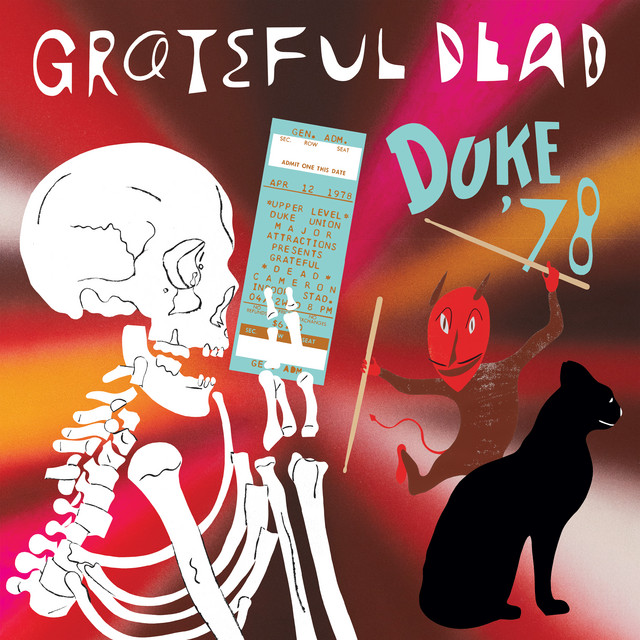
U.S. Blues (Live at Cameron Indoor Stadium, Duke University, Durham, NC, 4/12/78)
Grateful Dead
Acid Rock
Jam Band
2024
1
/5
Mississippi Half-Step Uptown Toodeloo (Live at University of Nevada, Reno, NV, 5/12/74)
Grateful Dead
Acid Rock
Jam Band
2017
4
/5
Cornell 5/8/77 (Live)
Grateful Dead
Acid Rock
2004
2
/5
Grateful Dead
Grateful Dead
Haight-Ashbury Scene
2001
3
/5
Europe '72 (Live; 2001 Remaster)
Grateful Dead
Acid Rock
1975
3
/5
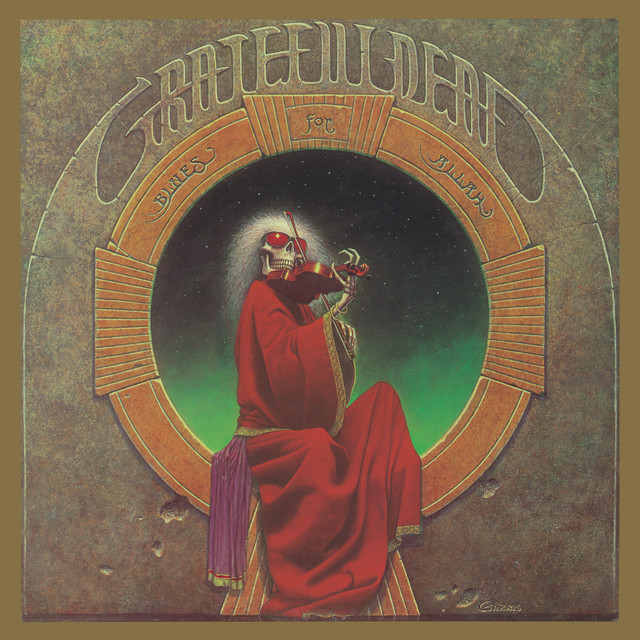
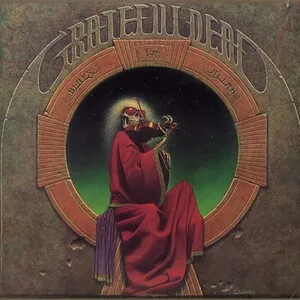
Blues for Allah
Grateful Dead
San Francisco Sound
1973
3
/5
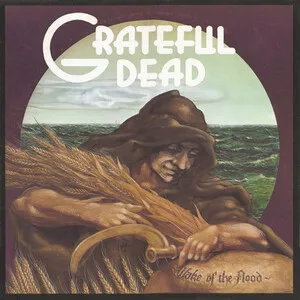
Wake of the Flood
Grateful Dead
San Francisco Sound
1970
3
/5
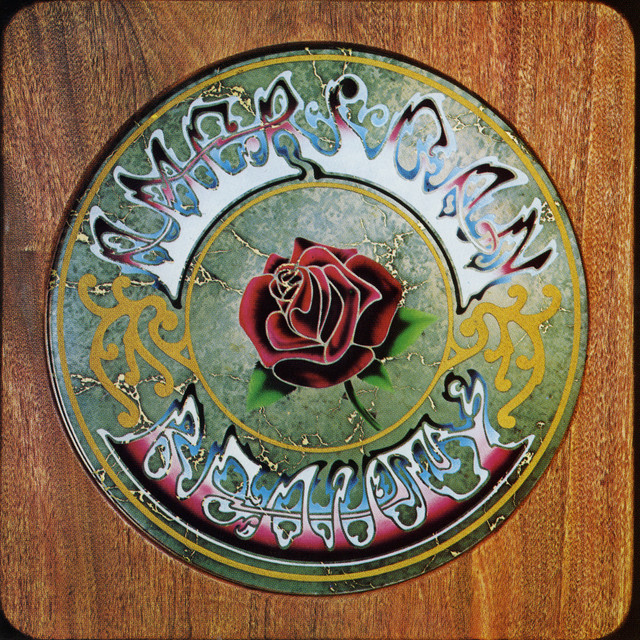
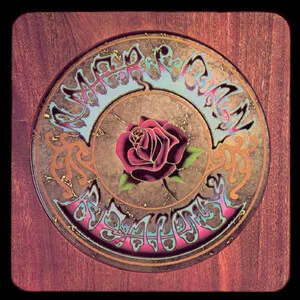
American Beauty
Grateful Dead
Acid Rock
Folk Rock
Psychedelic Rock
1970
4
/5
American Beauty (2013 Remaster)
Grateful Dead
Jam Band
Acid Rock
Folk Rock
1970
1
/5
American Beauty
Grateful Dead
Cosmic Country
San Francisco Sound
Country Rock
1970
4
/5
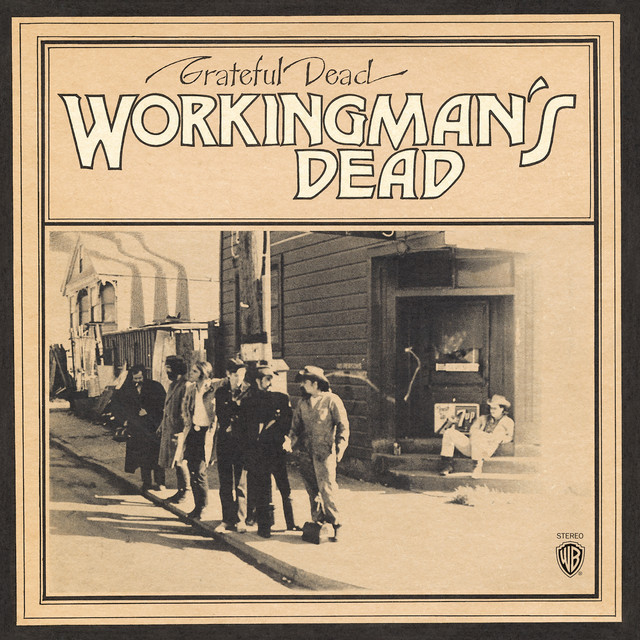
Workingman's Dead
Grateful Dead
Cosmic Country
San Francisco Sound
Acid Rock
1969
3
/5
Aoxomoxoa
Grateful Dead
Haight-Ashbury Scene
Classic Rock
Psychedelic Rock
1968
2
/5
Anthem of the Sun
Grateful Dead
Haight-Ashbury Scene
Similar artists
1
/5
Various Artists
Afro-Funk
Alternative Rock
Ambient
3
/5
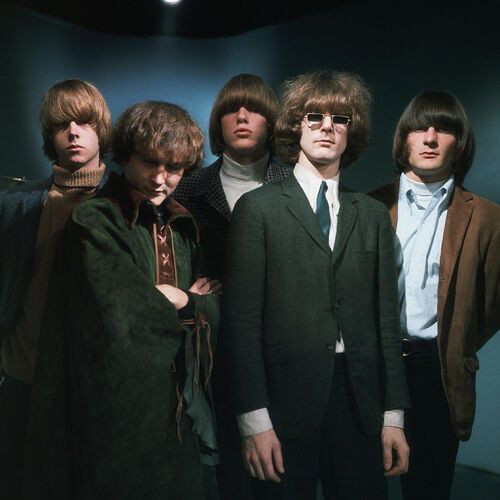
The Byrds
Folk Rock
Country Rock
Rock
4
/5
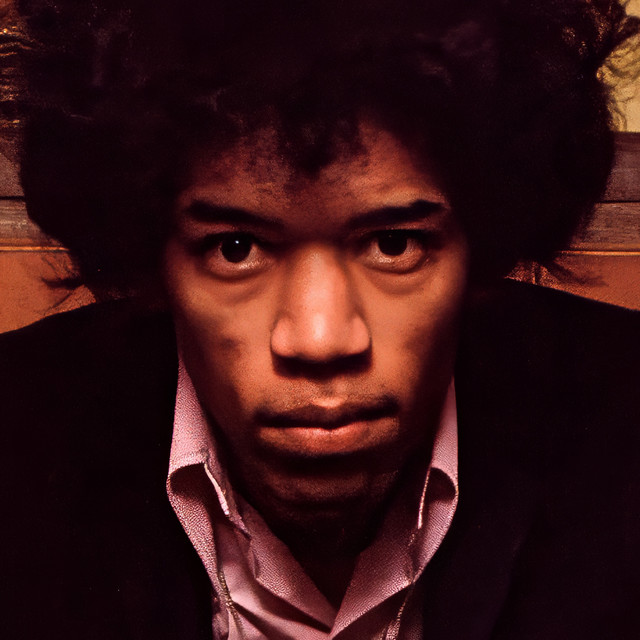
Jimi Hendrix
Blues Rock
Proto-Metal
Psychedelic Rock
4
/5
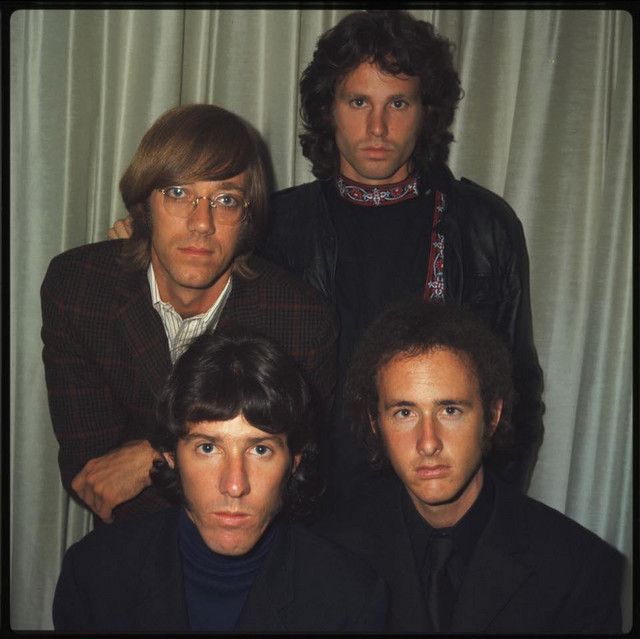
The Doors
Acid Rock
Classic Rock
Hard Rock
3
/5
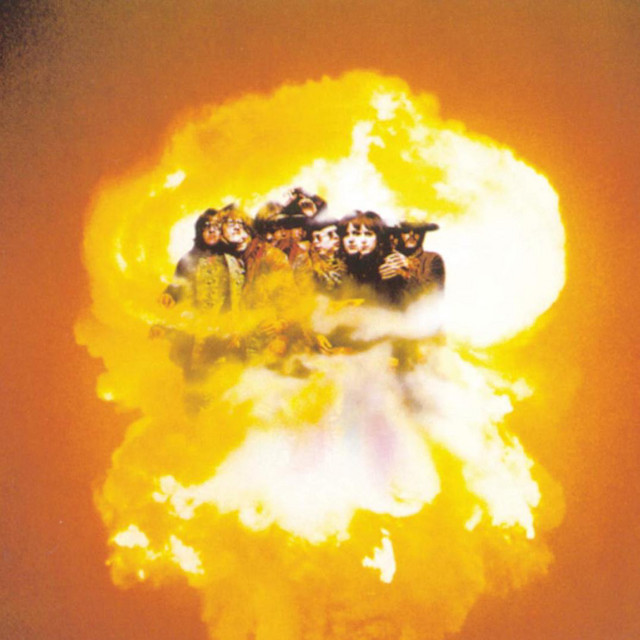
Jefferson Airplane
Acid Rock
Folk Rock
Haight-Ashbury Scene
4
/5
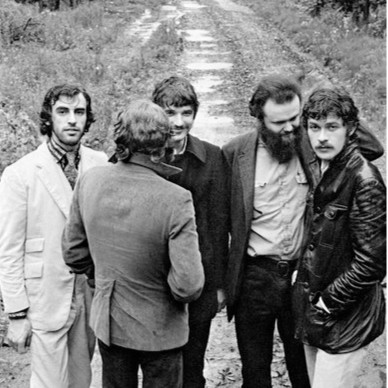
The Band
Folk Rock
Roots Rock
Swamp Rock
4
/5
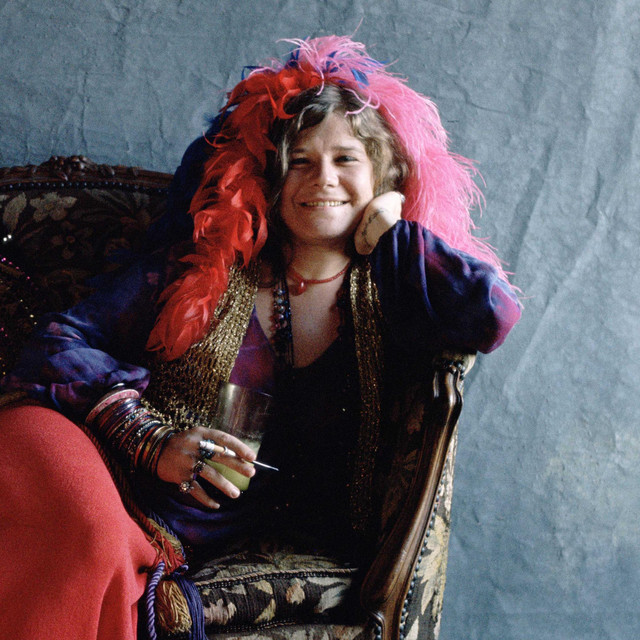
Janis Joplin
Acid Rock
Blues Rock
Rock
2
/5
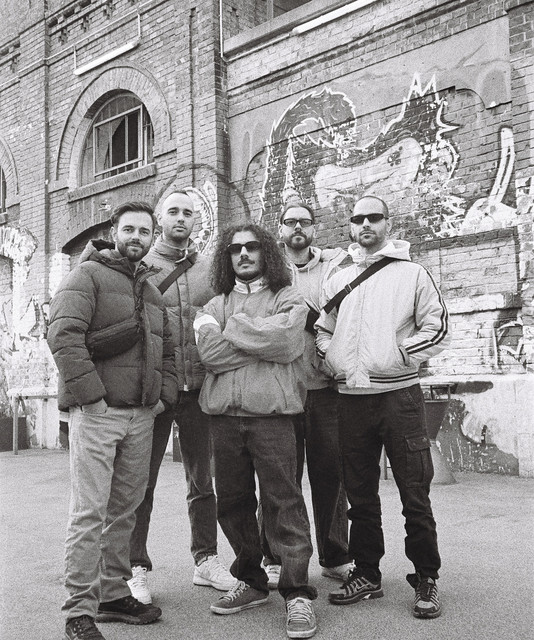
Naxatras
Heavy Psych
Instrumental Stoner Rock
Stoner Rock
4
/5
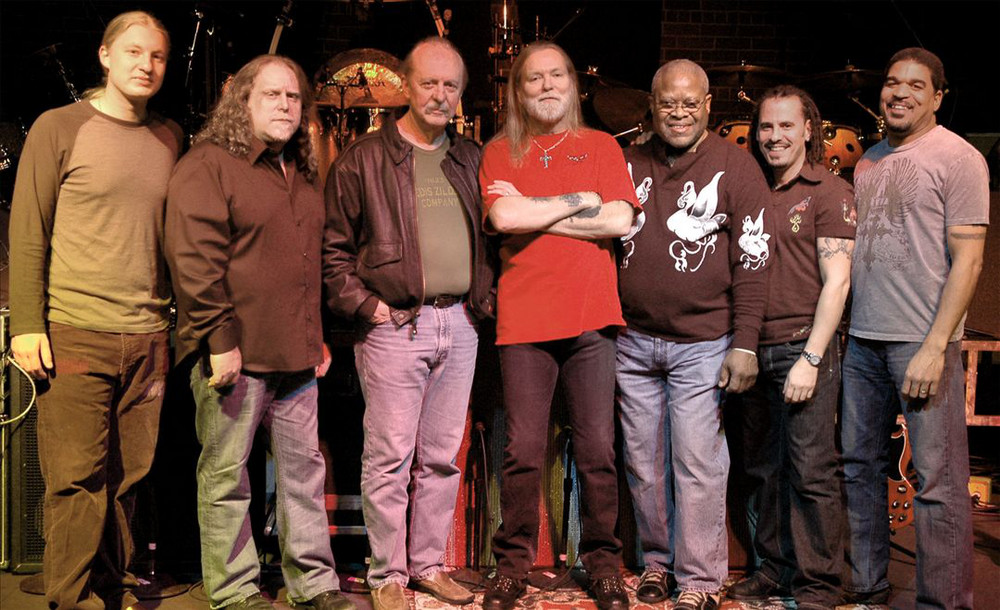
Allman Brothers Band
Southern Rock
Blues Rock
Jam Band
2
/5
Ozric Tentacles
Jam Band
Space Rock
Livetronica
Download our mobile app
Get the Melodigging app and start digging for new genres on the go
Download on the App Store
Get it on Google Play
© 2026 Melodigging
Give feedback
Legal
Melodding was created as a tribute to
Every Noise at Once
, which inspired us to help curious minds keep digging into music's ever-evolving genres.