Your digging level
Description
Instrumental stoner rock is a guitar-driven offshoot of stoner rock that emphasizes long-form riffs, hypnotic repetition, and groove over vocals.
It typically features thick, fuzz-saturated tone, mid-tempo “head-nod” rhythms, and extended arrangements that evolve through dynamics, texture, and improvisation-like development.
Compared with vocal stoner rock, it often leans closer to jam-oriented structures and cinematic pacing, using melody, effects, and rhythm changes to carry narrative without lyrics.
History
Instrumental stoner rock inherits heavy riff language from classic rock and blues rock, especially the slower, weightier side of late-1960s/1970s heavy rock and psychedelic rock.
In the 1990s, stoner rock crystallized as a modern scene with desert-rock and stoner-adjacent bands emphasizing groove, fuzz, and repetition.
At the same time, some artists pushed the music toward extended, mostly instrumental tracks, where momentum and texture replaced verse/chorus vocal hooks.
As festival circuits and independent labels supported heavy underground rock, instrumental stoner rock broadened its palette.
Bands increasingly blended jam-band length and improvisational feel with the heaviness of stoner rock, sometimes intersecting with post-rock-style dynamics and cinematic build-ups.
Today the style ranges from riff-centric “desert jams” to more atmospheric, pedal-heavy compositions.
Modern recordings often highlight massive low-end guitar/bass tones, tighter drum production, and long-form arrangements suitable for live improvisation.



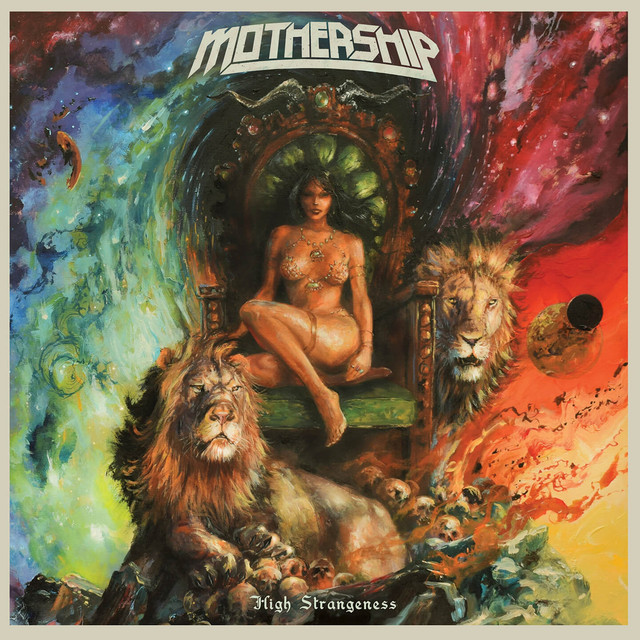
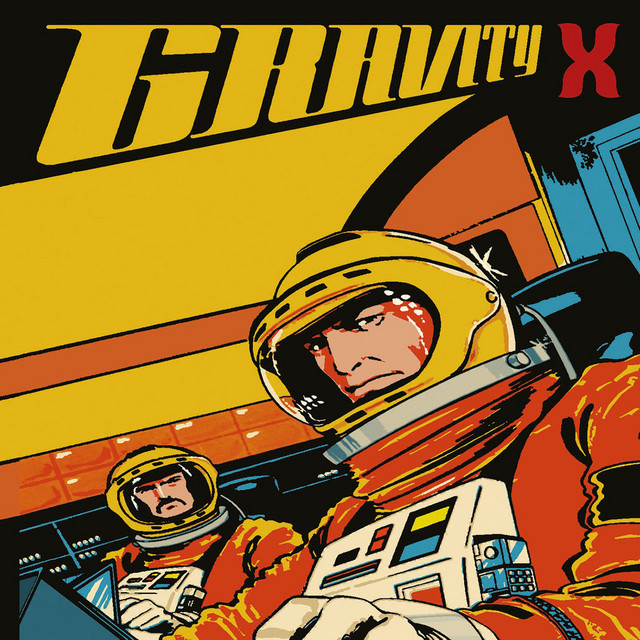
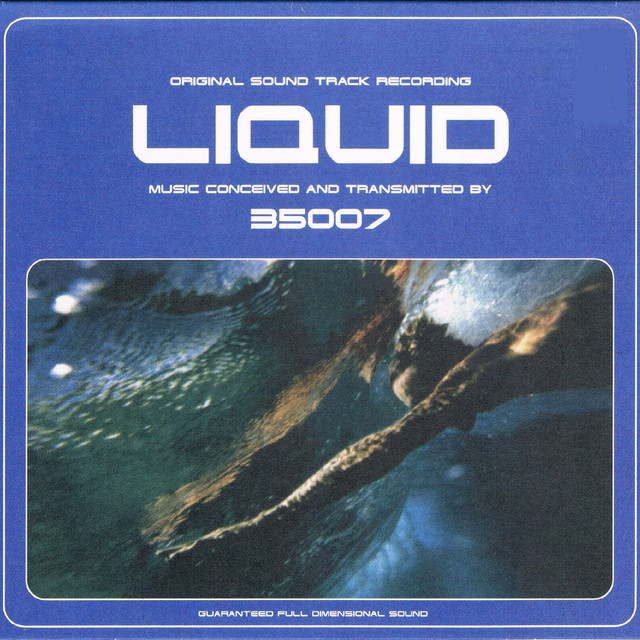
Top albums