Your digging level for this genre

0/8
🏆
Sign in, then listen to this genre to level up

Description

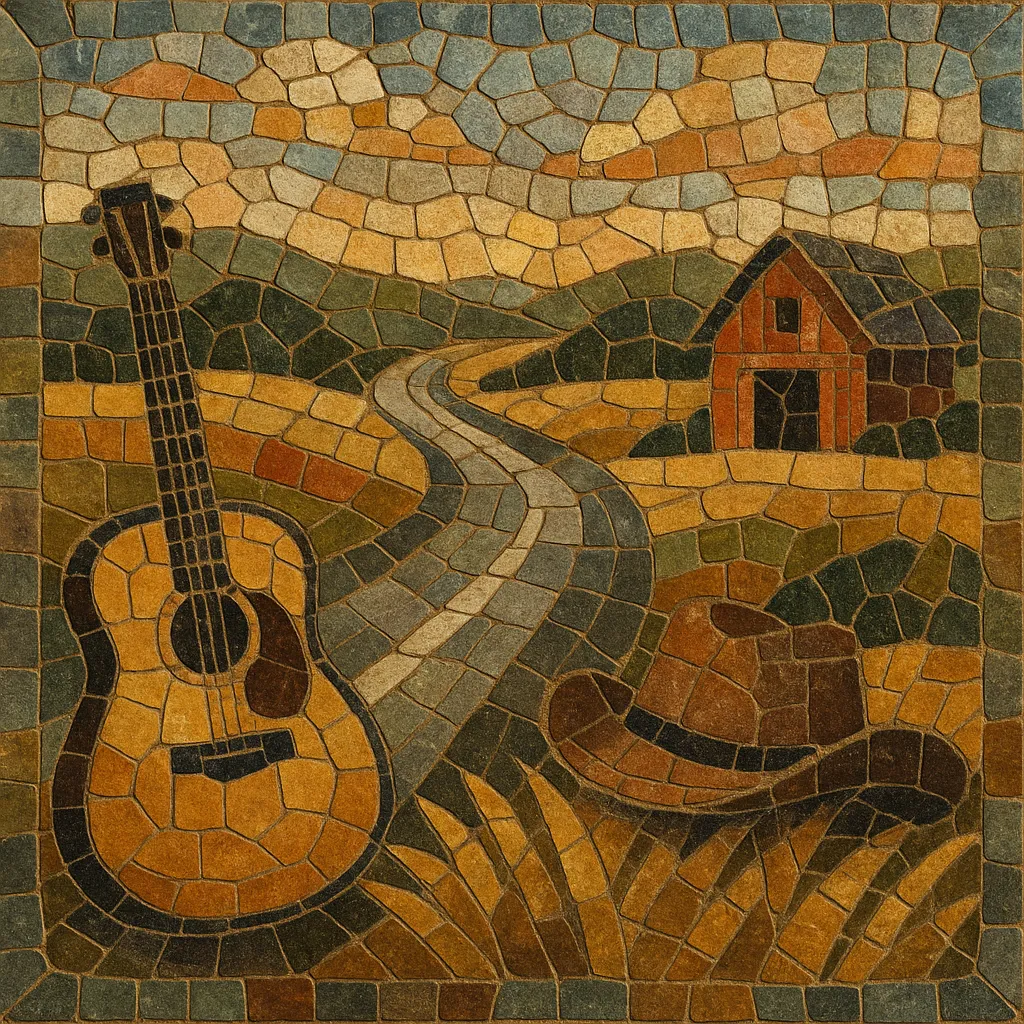
Country road is a contemporary, radio‑friendly country style optimized for highway listening. It blends modern country pop sheen with heartland rock drive and soft‑rock smoothness, centering warm electric and acoustic guitars, steady backbeats, and sing‑along choruses.

Lyrically it leans on story‑telling and snapshot imagery—open roads, small towns, relationships, personal resolve—delivered in a conversational tone. The feel is mid‑tempo, comforting, and panoramic, designed for cruising and easy repeat play.

History

Origins and context (2010s)

While its musical DNA stretches back to classic and soft country of the 1970s–1990s, “country road” cohered in the 2010s as a listener‑defined sound: mid‑tempo, highway‑ready country that merges modern Nashville production with heartland rock grit. As playlists and mood tags became discovery hubs, a cohesive aesthetic formed around guitar‑forward arrangements, steady grooves, and storyline lyrics suited to long drives.

Streaming era consolidation

In the late 2010s, the style solidified through streaming and country radio crossovers. Artists carried forward the directness of roots rock and the polish of country pop, emphasizing big, open choruses and relatable, detail‑rich verses. Production favored clean guitars (often Telecaster twang plus gentle overdrive), supportive pedal steel or fiddle pads, and unobtrusive rhythm sections.

2020s: Mainstream reach

By the 2020s, country road had become a dependable lane of mainstream country, overlapping with contemporary country pop and Americana‑leaning singer‑songwriters. The sound broadened—from anthemic, crowd‑ready hooks to intimate acoustic reflections—yet remained unified by accessible tempos, road‑narrative themes, and a warm, widescreen mix designed for everyday listening and road trips.

How to make a track in this genre

Tempo and groove
•   Aim for 80–110 BPM with a steady 4/4 backbeat. Use a driving but relaxed pocket suited to highway motion. •   Common feels: straight backbeat; light train beat on snare/brushes for momentum; occasional half‑time chorus lift.
Harmony and melody
•   Favor major keys (G, D, A, E) and singable ranges. •   Use familiar progressions (I–V–vi–IV, I–IV–V, vi–IV–I–V) with tasteful secondary dominants. •   Craft toplines with clear hooks, stepwise motion, and memorable chorus payoffs.
Instrumentation and sound
•   Core: acoustic guitar (strummed), electric guitar (clean/edge‑of‑breakup Telecaster), bass, drums, and subtle pedal steel or fiddle pads. •   Add organ or piano for warmth; light tambourine/shaker in choruses for motion. •   Production is smooth and open: moderate compression, gentle tape/console saturation, wide stereo guitars, center‑focused vocal.
Lyrics and themes
•   Tell small, vivid stories: road imagery, distance and return, relationships, working life, and town/landscape details. •   Use concrete nouns and place names; keep verses conversational and choruses universal.
Structure and arrangement
•   Typical form: Intro – Verse – Pre – Chorus – Verse – Pre – Chorus – Bridge – Final Chorus/Outro. •   Build energy gradually: add harmony vocals and auxiliary percussion in the second chorus; lift the bridge with a relative minor or a melodic high point. •   Endings often use a ring‑out or brief instrumental tag for a lingering, cinematic feel.
Mixing pointers
•   Prioritize a clear lead vocal; tuck harmonies just behind. •   Let kick and bass be solid but not aggressive; guitars should feel wide and reassuring rather than edgy. •   Use subtle plate or room reverb to create a spacious, road‑trip atmosphere.

Top tracks

Locked
Share your favorite track to unlock other users’ top tracks
Influenced by
Has influenced
No genres found
Challenges
Digger Battle
Let's see who can find the best track in this genre
© 2025 Melodigging
Melodding was created as a tribute to Every Noise at Once, which inspired us to help curious minds keep digging into music's ever-evolving genres.
Buy me a coffee for Melodigging