Your digging level
Description
Modern country pop blends Nashville-rooted storytelling and twang with contemporary pop songwriting and radio-ready production. You’ll hear clean electric and acoustic guitars sitting alongside glossy synth pads, programmed drums, and sub-bass, with big melodic hooks and tight vocal stacks.
It favors verse–pre–chorus–chorus structures, relatable lyrics about love, nostalgia, and everyday life, and tempos that range from reflective ballads to mid/uptempo bops. The result is a crossover sound that comfortably fits both country and Top 40 playlists.


History
Modern country pop stands on a lineage that runs from the Nashville Sound of the 1960s and 1970s country pop through the blockbuster crossovers of the 1990s. Artists like Shania Twain and Faith Hill proved country could share charts with mainstream pop, while the 2000s brought sleek harmony groups and TV-era stars who normalized pop-writing camps and high-gloss production in country contexts.
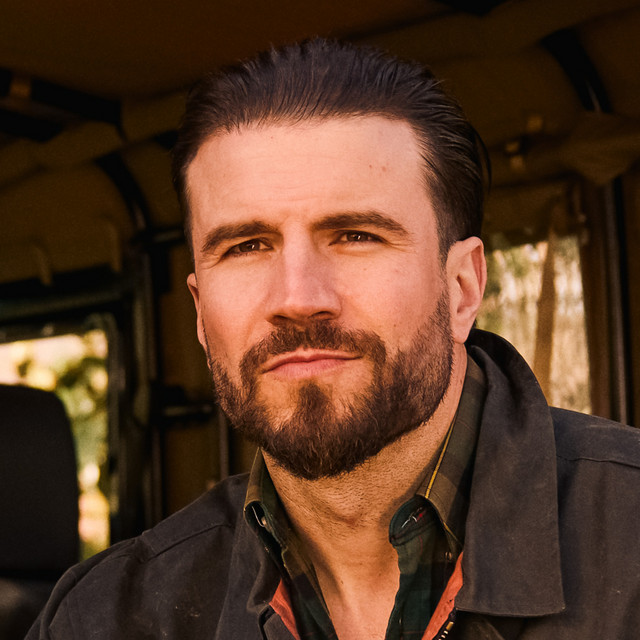
The 2010s solidified the sound. Taylor Swift’s early albums, Rascal Flatts’ and Carrie Underwood’s radio dominance, and hitmakers like Florida Georgia Line, Sam Hunt, Kelsea Ballerini, Dan + Shay, Thomas Rhett, and Lady A helped cement a template: country storytelling framed by pop toplines, EDM-adjacent drum programming, R&B phrasing, and prominent vocal layering. Co-writing with mainstream pop producers and the rise of streaming playlists accelerated the crossover, making four-on-the-floor choruses, post-chorus “hook drops,” and 808-adjacent low end common.
In the 2020s, TikTok and playlist culture further shortened the path from demo to chart, encouraging concise song lengths, hook-first intros, and ear-candy production. Genre boundaries loosened, resulting in more collaborations with pop, R&B, and even hip-hop artists. Lyrically, the style broadened beyond small-town vignettes to include empowerment anthems, modern relationship dynamics, and reflective nostalgia—all while retaining the directness and conversational tone core to country writing.


![How to Make COUNTRY POP MUSIC (FL Studio 21) [like Morgan Wallen, Beyoncé, Post Malone, Shaboozey]](https://i.ytimg.com/vi/WZBPQvoqVSE/hqdefault.jpg)
![How to Make COUNTRY POP MUSIC (FL Studio 21) [Post Malone, Luke Combs, Shaboozey, Morgan Wallen] #2](https://i.ytimg.com/vi/0aMGbDhR-mU/hqdefault.jpg)