Your digging level
Description
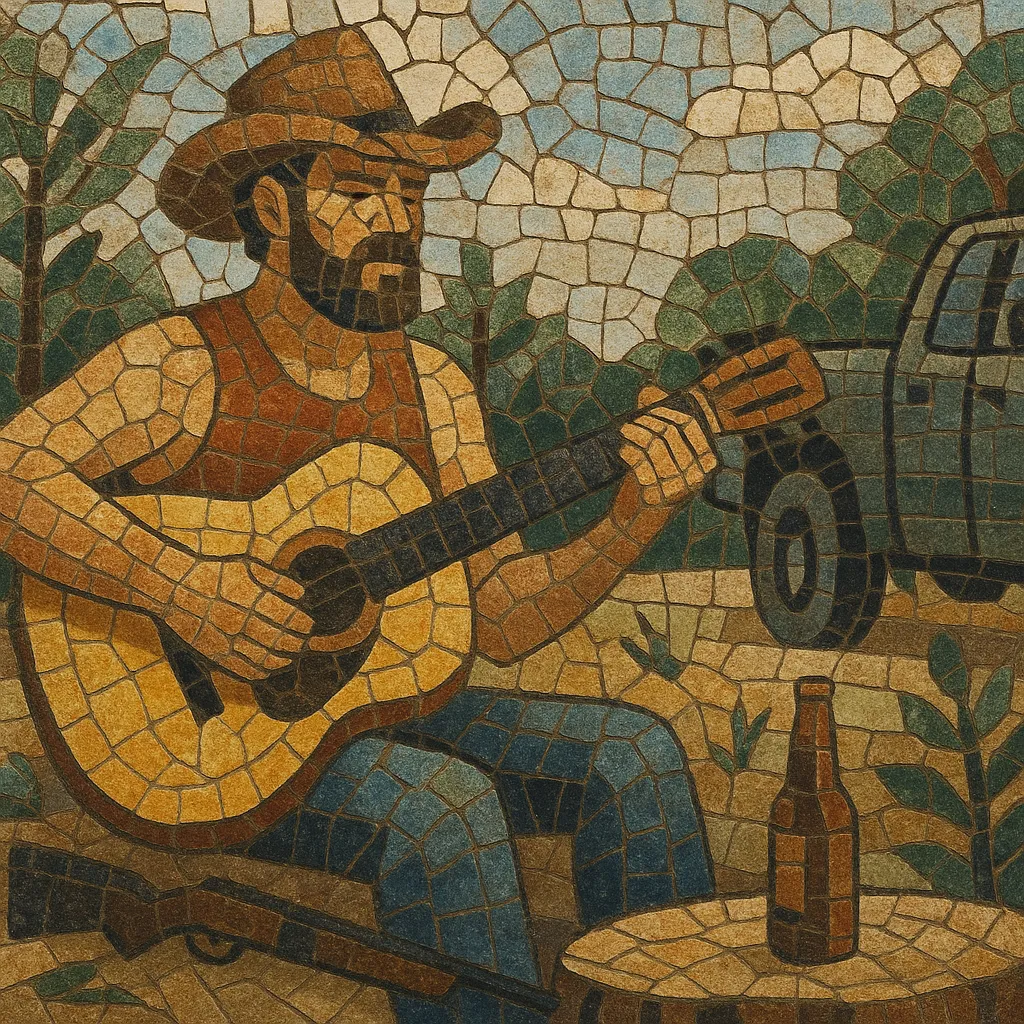
Redneck as a music genre denotes a modern, party-forward strain of U.S. country that celebrates blue‑collar pride, small‑town life, trucks, hunting, fishing, mudding, and beer‑soaked weekends. Sonically it blends contemporary Nashville country with the swagger and crunch of Southern rock, and—especially in the 2010s—borrows production sheen and rhythmic emphasis from pop and hip‑hop.
Typical tracks are mid‑tempo, riff‑driven, and chorus‑centric, using chanted or gang‑style hooks designed for tailgates, bars, and festivals. Lyrically, it is unapologetically local and colloquial, leaning into everyday details and good‑time narratives that function as identity anthems for rural and exurban audiences.
History
While the word “redneck” long predates the music, the sonic DNA of the genre sits in classic country storytelling, bar‑band Southern rock, and the road‑warrior attitude of 1970s–1990s outlaw and truck‑driving country. Songs by Hank Williams Jr., David Allan Coe, and other honky‑tonk outsiders normalized rowdy, rural self‑portraits that later artists would modernize and amplify.
In the 2000s, major‑label Nashville embraced a brawnier, electric‑guitar‑heavy sound and a plain‑spoken, localist attitude. Hits such as Gretchen Wilson’s “Redneck Woman” (2004) and Craig Morgan’s “Redneck Yacht Club” (2005) crystallized the term as a celebratory musical identity. Production grew glossier, but the themes stayed grounded in blue‑collar life, weekend parties, and pride in place.
The 2010s saw the style become a radio force as artists like Jason Aldean, Luke Bryan, Florida Georgia Line, and Brantley Gilbert foregrounded chantable hooks, compressed guitars, and sub‑bass‑friendly mixes. The sound incorporated rhythmic cadences, 808s, and crowd‑chant refrains, feeding directly into the bro‑country wave and catalyzing crossovers with country rap (often called hick‑hop).
Today, the redneck aesthetic remains a reliable lane within mainstream country and adjacent scenes. It continues to inform modern country pop and the party‑ready end of country rock, while providing a common vocabulary—big riffs, bigger choruses, and everyday rural signifiers—that newer artists remix with contemporary production.