Genres
Artists
Albums
Make Music
Sign in
Sign in
Artists
Heartland Rock
Artists
Heartland Rock
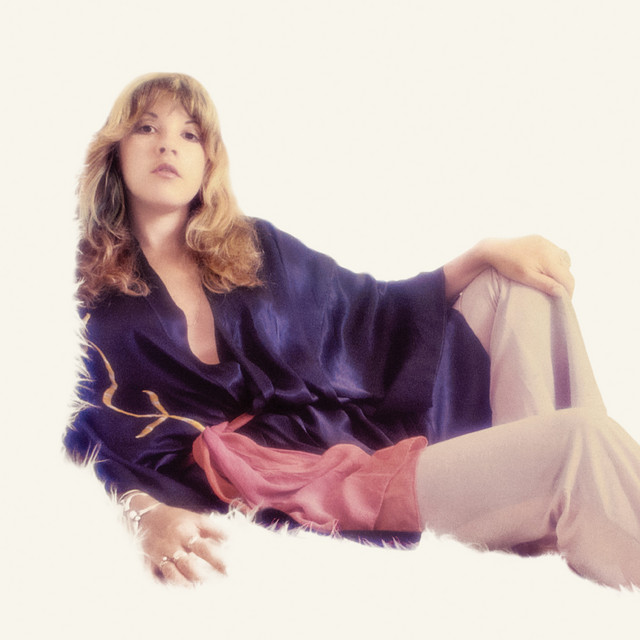
Stevie Nicks
1981–2009
·
3 albums
Listen
4
/5
Genres
Boyfriend Country
Boyfriend country is a late‑2010s wave of mainstream country‑pop by male artists whose songs center on devotion, steady romance, and everyday partnership rather than partying or macho posturing. Musically it blends polished Nashville country with pop and light R&B touches: snap‑tracks and soft programmed drums, glossy acoustic and clean electric guitars, warm pads, and stacked, hook‑forward vocal harmonies. Lyrically it leans on first‑person vows, domestic imagery, and respectful, affectionate address to a partner. As a cultural turn, it’s widely understood as a reaction to the “bro‑country” era, prioritizing sensitivity, commitment, and modern pop craft over braggadocio—while keeping the streaming‑friendly, radio‑ready sheen of contemporary country.
Discover
Listen
Experimental Indie
Experimental indie is a broad, exploratory wing of independent rock and pop that prioritizes curiosity over convention. It blends DIY recording practices with off‑kilter song forms, unusual timbres, and a willingness to fold in ideas from avant‑pop, noise, electronic music, and psych. Rather than a fixed sound, it is a method and attitude: use the tools at hand (bedroom rigs, pedals, samplers, tape, software) to push past genre borders, while keeping the immediacy and intimacy of indie. Expect jagged rhythms, warped hooks, collage‑like arrangements, and production choices that foreground texture as much as melody.
Discover
Listen
Gamecore
Gamecore is an internet-native electronic microgenre that fuses the timbres, melodies, and narrative tropes of classic and modern video game music with contemporary EDM songcraft. Its palette leans heavily on chiptune waveforms (square, triangle, noise), retro console/arcade sound effects, and leitmotif-style hooks, but frames them within club-forward rhythms and sound design drawn from electro house, future bass, glitch hop, dubstep, and drum & bass. The result is a bright, kinetic, and often nostalgic sound that feels like a “boss battle” drop or a euphoric level clear. Scenes and labels tied to VGM remix culture, doujin circles, and demoscene aesthetics helped codify the style, while streamers, esports content, and indie game culture amplified its reach.
Discover
Listen
Tech-Noir
Tech-noir is a musical subgenre and aesthetic within the synthwave and darksynth scenes, characterized by a dark, cinematic, and dystopian atmosphere. It draws heavy inspiration from 1980s science fiction and neo-noir films, blending retro-futuristic synthesizer melodies with driving basslines and industrial elements. The music often incorporates narrative storytelling, spoken word samples, and soundscapes that evoke a sense of urban decay, high-tech menace, and cynical romance.
Discover
Listen
Gauze Pop
Gauze pop is a hazy, soft‑focus strain of indie and electronic pop built around breathy vocals, blurred textures, and nostalgic synth palettes. The term evokes music that feels veiled—like hearing a pop song through gauze—where reverb, delay, chorus, and tape‑like warble soften contours and melt rhythms into a pastel wash. Musically it blends the tunefulness of synth‑pop and indietronica with the dreamy atmospherics of chillwave and dream pop. Tempo tends to sit in a relaxed mid‑range, drums are cushioned and low‑passed, and harmonies favor warm major‑7ths and add9 colors. The result is intimate, memory‑soaked pop that’s equal parts bedroom‑made and cinema‑wide.
Discover
Listen
Soundclown
Soundclown is an internet-born remix and mashup style that thrives on comedic juxtaposition, bait‑and‑switch reveals, and hyper-referential sample collage. It blends pop hits, game and cartoon music, ad jingles, meme sounds, and viral speech into quick-cut audio gags. The genre developed across YouTube and SoundCloud, favoring shock humor, nostalgia, and absurdity over traditional song form. Hallmarks include sudden key/tempo whiplash, exaggerated pitch-shifts, ear‑rending “earrape” peaks, and punchline drops that transform a familiar source into something hilariously incongruent. Because it is fundamentally platform-native, soundclown is as much a memetic editing culture as a musical style. Its tracks often function like sonic shitposts: fast, punchy, and built for instant recognition and shareability.
Discover
Listen
Bossbeat
Bossbeat is an internet‑born, high‑octane branch of EDM tailored to evoke the intensity of a video‑game “boss fight.” Producers fuse modern dubstep and trap sound design with melodic, leitmotif‑driven writing borrowed from video game music and film scoring, aiming for cinematic build‑ups and explosive, riff‑like drops. Characteristic features include minor‑key motifs, fast and syncopated percussion, halftime switch‑ups, aggressive bass design (growls, reeses, metallic FM), and hybrid orchestral layers (brass stabs, choirs, epic drums). The result is music that feels both dance‑floor ready and narratively dramatic—perfect for action montages, game content, and creator culture.
Discover
Listen
The Wave
The Wave is a loosely defined cluster of American post-hardcore/emo bands that surged in the early 2010s as emo-pop’s mainstream moment faded. The name was a tongue‑in‑cheek scene tag that stuck in press coverage, but it points to a real overlap in sound, ethos, and touring networks. Musically, The Wave fuses the urgency of 1990s post‑hardcore and screamo with confessional, literate lyric writing associated with emo. Expect shouted or half‑sung/half‑spoken vocals, dynamic quiet‑loud builds, intricate but driving drums, and guitar textures that shift between glassy clean arpeggios and overdriven, emotive climaxes. The songs often emphasize catharsis, narrative detail, and community-minded DIY presentation.
Discover
Listen
Dark Disco
Dark disco is a mid‑tempo, nocturnal strain of club music that fuses the hypnotic pulse of disco with the grit of post‑punk, EBM, coldwave, and industrial. It favors ominous basslines, minor‑key harmonies, reverb‑soaked guitars and vocals, and analog synth textures, resulting in a moody, cinematic atmosphere that is equally suited to sweaty basements and late‑night festival stages. Tempos typically sit between 105–120 BPM, with emphasis on groove, tension, and shadowy drama rather than maximal speed or brightness.
Discover
Listen
Britpop Revival
Britpop revival is a 21st‑century resurgence of the bright, catchy guitar‑based British pop/rock associated with 1990s Britpop. Bands in this style channel the melodic immediacy, sing‑along choruses and wry, everyday storytelling of classic Britpop, itself rooted in 1960s British pop and mod. The sound typically features chiming or crunchy guitars, prominent hooks, mid‑to‑up‑tempo backbeats and anthemic refrains that celebrate local identity and ordinary life. Culturally, Britpop revival leans on nostalgia for the "Cool Britannia" moment while updating production sheen and festival‑ready dynamics, often positioning itself as a lively, communal alternative to darker indie trends.
Discover
Listen
Cover Acustico
“Cover acústico” (Spanish/Portuguese for “acoustic cover”) refers to intimate, stripped‑down reinterpretations of existing songs performed primarily with acoustic instruments—most often voice with guitar or piano, sometimes light percussion (cajón, brushes) and close‑miked harmonies. On streaming services and digital stores catering to Iberian and Latin American audiences, the label appears explicitly in titles and artist metadata (e.g., singles or albums tagged “cover acústico”), reflecting a cataloging convention for acoustic versions of well‑known repertoire.
Discover
Listen
Deep Indie Singer-Songwriter
Deep indie singer-songwriter is a micro-genre that spotlights intimate, hushed, and highly personal songwriting crafted outside the mainstream. It blends the confessional lyricism and acoustic focus of the classic singer-songwriter tradition with the understated aesthetics of indie and bedroom production. Arrangements are typically sparse—fingerpicked acoustic guitars, soft pianos, light strings, and subtle electronic atmospheres—so that breathy, close-miked vocals and storytelling take center stage. The overall feel is introspective and reflective, often leaning toward melancholy or tender warmth. Songs prize texture and space over flash, favoring gentle dynamics, slow-to-mid tempos, and an “up-close” emotional delivery that suits late-night listening, film/TV syncs, and reflective playlists.
Discover
Listen
Lilith
Lilith is a mood-driven, internet-native microgenre that blends dark, feminine alternative pop with elements of trip hop, dream pop, witch house, and ethereal wave. It favors breathy or intimate vocals drenched in reverb, slow to mid-tempo grooves, spectral pads, and cinematic, minor-key harmonies that evoke occult, gothic, or mythic imagery. The overall sound is bass-forward yet gauzy: sub-heavy 808s or dusty breakbeats sit under shimmering guitars, distant choirs, and textural synths. Lyrically, Lilith leans into vulnerability, power, hauntings, and desire—frequently framed through confessional writing and ritual or nocturnal symbolism. It’s less a scene tied to a single city than a streaming-era aesthetic, cohering through playlists and social media communities.
Discover
Listen
Lo Star
Lo star is a streaming-era umbrella tag used to group under-the-radar, low-profile artists who sit on the fringes of indie, alternative, DIY pop, and related scenes. Rather than denoting a single, tightly defined musical vocabulary, it marks a discovery space of self-produced or small-label projects with modest audiences, genre-fluid aesthetics, and a distinctly DIY approach to recording and release. Expect intimate vocals, inexpensive or home-studio production, hybrid acoustic/electronic textures, and songwriting that favors personal storytelling and immediacy over polish. Because it functions as a curatorial category for emerging or niche acts, the sonic palette spans indie rock and folk-pop to bedroom pop and lo-fi electronic, unified by scale, ethos, and distribution more than by strict musical rules.
Discover
Listen
Pov: Indie
"pov: indie" is a social-media-native microstyle built around short, cinematic indie-pop/indie-rock snippets designed to accompany a first-person (POV) narrative. Instead of being defined by a single new musical technique, it is defined by context: the music is chosen or written to feel like the soundtrack to a specific moment (a crush, a late-night walk, moving to a new city, seasonal nostalgia). Sonically it typically uses bright but soft guitars or synths, intimate vocals, simple memorable hooks, and production that reads clearly on phone speakers. The emotional tone is often wistful, tender, and “coming-of-age,” with lyrics that can be understood quickly in a 10–30 second clip.
Discover
Listen
Heartland Rock
Heartland rock is a style of mainstream American rock defined by anthemic songwriting, plainspoken storytelling, and a roots-oriented band sound. It centers on working‑class life, small towns, highways, and everyday resilience, using vivid, cinematic lyrics and big, sing‑along choruses. Musically, it blends the drive of classic rock with the twang of country rock and the earnestness of folk rock. Guitars (both electric and acoustic), organ or piano, steady backbeat drums, and occasional saxophone create a warm, road‑tested feel that favors live, unadorned arrangements over studio gloss.
Discover
Listen
Soft Rock
Soft rock is a mellow, melody-forward strain of rock and pop that favors smooth vocals, polished production, and restrained dynamics over distortion and aggression. Built on acoustic and clean electric guitars, piano or electric piano (Rhodes), light rhythm sections, and lush backing vocals or strings, the style centers on memorable hooks and sentimental themes. Its lyrics often explore love, heartbreak, nostalgia, and introspection, delivered with warmth and clarity. Tempos are moderate, grooves are unobtrusive, and harmonies are diatonic with tasteful color (maj7, add9) and occasional key changes. Commercially, soft rock flourished on AM radio and adult contemporary playlists in the 1970s and early 1980s, shaping the sound of radio-friendly ballads and influencing later styles like yacht rock and modern adult contemporary.
Discover
Listen
Yacht Rock
Yacht rock is a polished, jazz-tinged strain of late-1970s and early-1980s soft rock characterized by sophisticated chord changes, silky vocal harmonies, immaculate studio production, and a smooth, midtempo groove. It blends elements of blue-eyed soul, R&B, jazz fusion, and pop rock, often featuring electric piano (Fender Rhodes), clean chorus-laden guitars, saxophone leads, and glossy backing vocals. Lyrically, it tends toward romantic longing, aspirational lifestyles, and breezy coastal imagery—all delivered with understated cool.
Discover
Listen
Pop Rock
Pop rock blends the hook-focused immediacy of pop with the instrumentation and drive of rock. It prioritizes catchy melodies, concise song structures, and polished production while retaining guitars, bass, and drums as core elements. Typical pop rock tracks use verse–pre-chorus–chorus forms, strong vocal harmonies, and memorable riffs. The sound ranges from jangly and bright to mildly overdriven and arena-ready, aiming for radio-friendly appeal without abandoning rock’s rhythmic punch.
Discover
Listen
Blues Rock
Blues rock is a guitar-driven style that fuses the raw feeling and 12‑bar structures of the blues with the power, volume, and rhythmic punch of rock. It emphasizes riff-based songs, pentatonic and blues-scale soloing, call‑and‑response between voice and guitar, and an expressive, often gritty vocal delivery. Typical ensembles are power trios (guitar, bass, drums) or quartet formats adding second guitar, keyboards, or harmonica, and performances commonly feature extended improvisation. Sonically, it favors overdriven tube-amp tones, sustained bends, vibrato, and dynamic contrasts, moving from shuffles and boogies to straight‑eighth rock grooves.
Discover
Listen
Country Rock
Country rock is a hybrid of country music’s storytelling, twang, and acoustic textures with rock’s backbeat, amplification, and song structures. It typically features electric and acoustic guitars, pedal steel, close vocal harmonies, and a steady 4/4 groove, while lyrics focus on roads, small towns, heartbreak, and everyday American life. The sound ranges from jangly and rootsy to polished and radio-friendly, bridging bar-band energy with country elegance and shaping the template for later Americana and heartland styles.
Discover
Listen
Singer-Songwriter
Singer-songwriter is a song-focused style in which the same person writes, composes, and performs their own material, often accompanying themselves on acoustic guitar or piano. It emphasizes personal voice, lyrical intimacy, and storytelling over elaborate production. Arrangements are typically sparse, allowing the melody, words, and performance nuance to carry the song’s emotional weight. While rooted in folk and blues traditions, singer-songwriter embraces pop and rock songcraft, producing works that can range from quiet confessional ballads to subtly orchestrated, radio-ready pieces.
Discover
Listen
Rock
Rock is a broad family of popular music centered on amplified instruments, a strong backbeat, and song forms that foreground riffs, choruses, and anthemic hooks. Emerging from mid‑20th‑century American styles like rhythm & blues, country, and gospel-inflected rock and roll, rock quickly expanded in scope—absorbing folk, blues, and psychedelic ideas—while shaping global youth culture. Core sonic markers include electric guitar (often overdriven), electric bass, drum kit emphasizing beats 2 and 4, and emotive lead vocals. Rock songs commonly use verse–chorus structures, blues-derived harmony, and memorable melodic motifs, ranging from intimate ballads to high‑energy, stadium‑sized performances.
Discover
Listen
Pop
Pop is a broad, hook-driven style of popular music designed for wide appeal. It emphasizes memorable melodies, concise song structures, polished vocals, and production intended for radio, charts, and mass media. While pop continually absorbs elements from other styles, its core remains singable choruses, accessible harmonies, and rhythmic clarity. Typical forms include verse–pre-chorus–chorus, frequent use of bridges and middle-eights, and ear-catching intros and outros. Pop is not defined by a single instrumentation. It flexibly incorporates acoustic and electric instruments, drum machines, synthesizers, and increasingly digital production techniques, always in service of the song and the hook.
Discover
Listen
Show all 24 genres
Albums
2009
4
/5
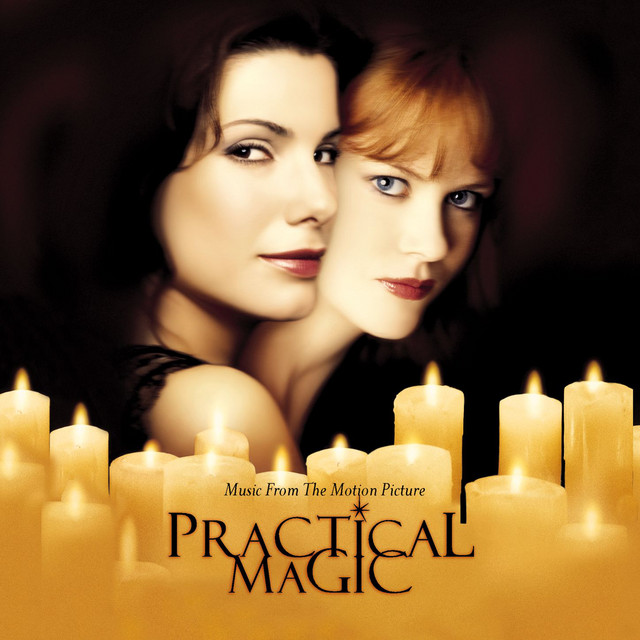
Practical Magic (Music From The Motion Picture)
Stevie Nicks
Heartland Rock
2007
4
/5
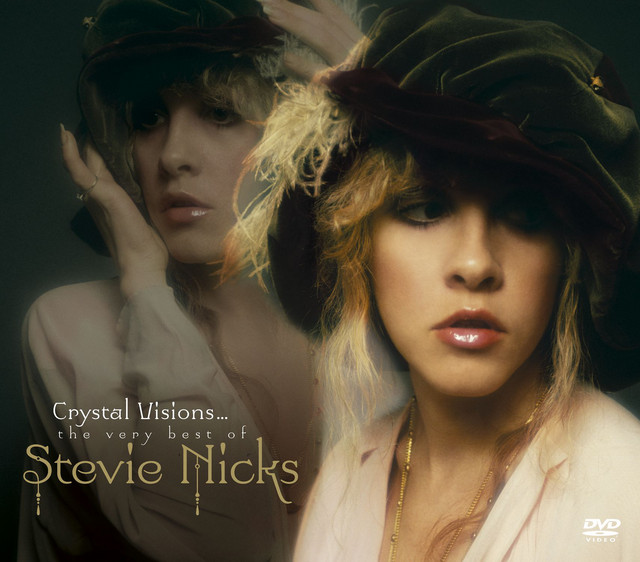
Crystal Visions...The Very Best of Stevie Nicks
Fleetwood Mac
Yacht Rock
Pop
Pop Rock
1981
4
/5
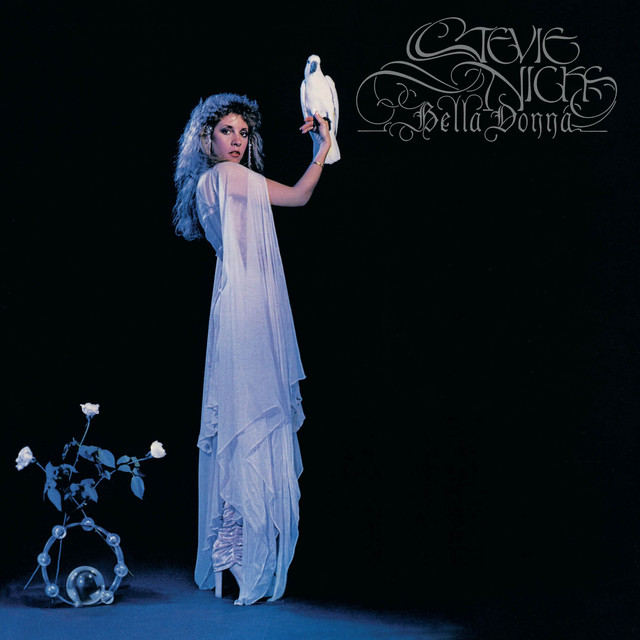
Bella donna
Stevie Nicks
Soft Rock
Heartland Rock
Blues Rock
Similar artists
4
/5
Bryan Adams
Heartland Rock
Rock
Pop Rock
1
/5
Various Artists
Afro-Funk
Alternative Rock
Ambient
4
/5
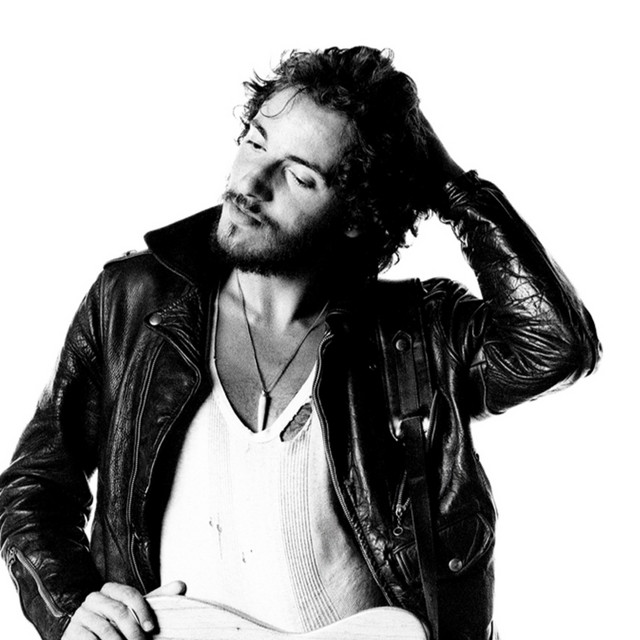
Bruce Springsteen
Heartland Rock
Singer-Songwriter
Folk Rock
5
/5
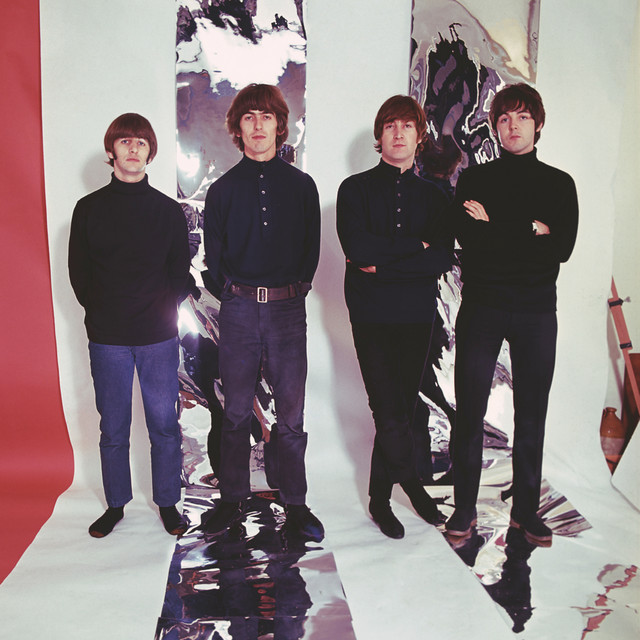
The Beatles
Merseybeat
Rock
Pop
5
/5
David Bowie
Art Rock
Rock
Glam Rock
4
/5
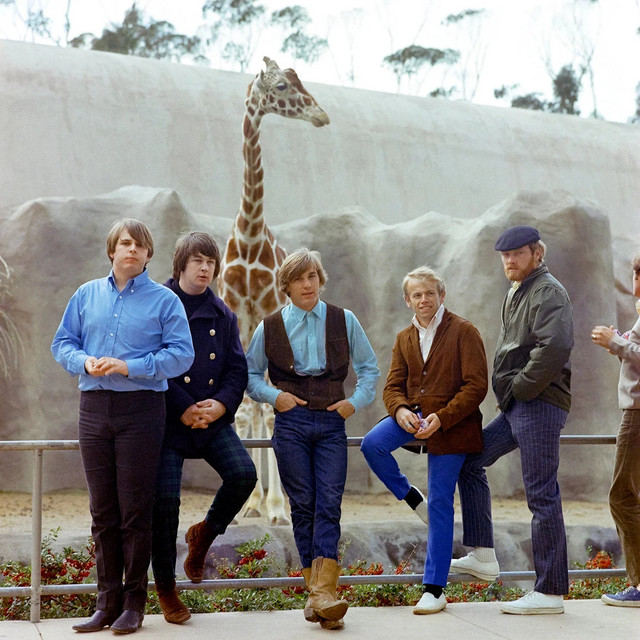
The Beach Boys
Sunshine Pop
Pop
Baroque Pop
4
/5
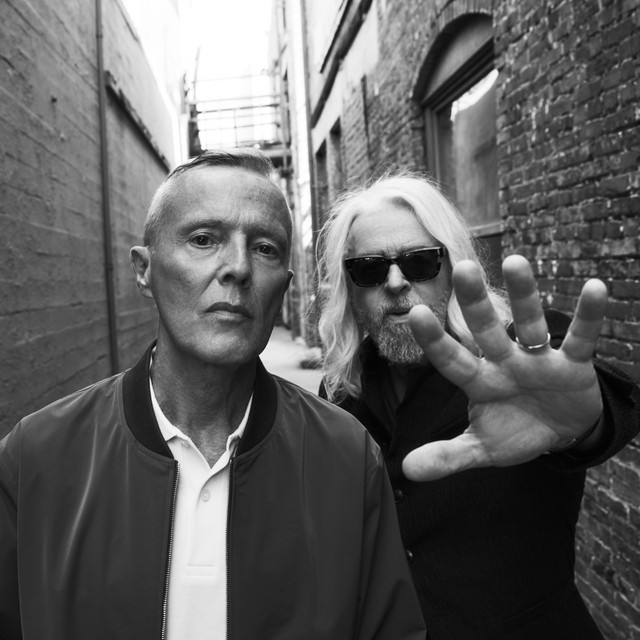
Tears For Fears
Sophisti-Pop
New Wave
Synth-Pop
5
/5
Radiohead
Alternative Rock
Art Rock
Melancholia
5
/5
Hans Zimmer
Country Dawn
Soundtrack
Classical
4
/5
The Velvet Underground
Art Rock
Proto-Punk
Rock
Download our mobile app
Get the Melodigging app and start digging for new genres on the go
Download on the App Store
Get it on Google Play
© 2026 Melodigging
Give feedback
Legal
Melodding was created as a tribute to
Every Noise at Once
, which inspired us to help curious minds keep digging into music's ever-evolving genres.