Genres
Artists
Albums
Make Music
Sign in
Sign in
Artists
Heartland Rock
Artists
Heartland Rock
Bruce Springsteen
1973–2026
·
27 albums
Listen
4
/5
Genres
Chill Pop
Chill pop is a contemporary pop micro‑genre that blends radio‑friendly songwriting with the mellow textures of chillout and lo‑fi aesthetics. It favors soft vocals, smooth synths, clean guitar plucks, understated bass, and relaxed, mid‑tempo grooves. Instead of big, bombastic hooks, chill pop tends toward intimate, conversational melodies and minimal, airy arrangements. Production often borrows from bedroom pop and alternative R&B—subtle trap hi‑hats, warm saturation, roomy reverbs, and gentle side‑chain compression—to create a breezy, pastel sound palette well suited to playlists and late‑night listening. Lyrically, chill pop is introspective and relatable: romance, longing, gentle optimism, and coming‑of‑age themes delivered in a plain‑spoken, whisper‑close tone. The result sits between indie pop’s understated cool and mainstream pop’s catchy structures, optimized for the streaming era’s mood‑driven consumption.
Discover
Listen
Indian Indie
Indian indie is the umbrella for independent, non-film music made in India across languages such as Hindi, English, and numerous regional tongues. It is defined more by its DIY production and artist-led release model than by a single sound. Musically, it spans indie pop and rock, folk-fusion, singer‑songwriter ballads, dream‑pop/shoegaze textures, and electronic‑leaning productions. Artists often blend Western harmony and song forms with raga‑tinged melodies, Indian rhythmic feels, and occasional use of traditional instruments like tabla, bansuri, or sitar. The scene grew rapidly with college festivals, small venues, and digital platforms (YouTube, streaming services, Bandcamp), plus boutique labels and festivals such as NH7 Weekender that created national visibility. Lyrically, it tends to be intimate and contemporary—touching on romance, urban life, identity, and nostalgia—while maintaining accessible hooks and warm, organic sonics.
Discover
Listen
Modern Indie Folk
Modern indie folk is a 2010s-era evolution of indie folk that blends intimate, acoustic songwriting with contemporary production aesthetics. It keeps the core of folk—storytelling, fingerpicked guitars, and close-miked vocals—but expands the palette with ambient textures, chamber-style strings, subtle electronics, cinematic reverb, and spacious, headphone-first mixes. The result is a sound that feels both handcrafted and atmospheric: confessional lyrics carried by hushed deliveries, layered harmonies, and warm analog or tape-like saturation, often moving between 4/4 and swaying 6/8/12/8 meters. At its center are themes of memory, nature, relationships, and quiet self-reckoning, expressed through vivid imagery and minimalist arrangements that bloom into emotive crescendos.
Discover
Listen
Americana
Americana is a contemporary umbrella term for U.S. roots music that blends folk, country, blues, bluegrass, gospel, and roots rock into a songwriter-centered, largely acoustic-leaning sound. Hallmarks include story-driven lyrics; warm, organic production; and traditional instrumentation such as acoustic guitar, mandolin, banjo, fiddle, harmonica, pedal steel, upright or electric bass, and restrained drums. Rhythms often draw on the train beat, shuffles, two-step, waltz time, and relaxed backbeats. Harmonically it favors diatonic progressions (I–IV–V, I–vi–IV–V), modal tinges (Mixolydian), and close vocal harmonies. Rather than a rigid style, Americana functions as a bridge among related roots traditions, emphasizing authenticity, regional imagery, and narrative songwriting over genre flashiness.
Discover
Listen
Permanent Wave
Permanent wave is a radio-friendly strain of new wave–era rock that blends the angular guitars and nervy energy of post-punk with the big hooks, glossy production, and FM-ready choruses of mainstream and arena rock. Characterized by clean, chorus-laden guitars, prominent analog and early digital synthesizers, tight rhythm sections, and charismatic pop-forward vocals, it sits between artful post-punk and commercial rock. Its sound became a staple of early MTV, with punchy arrangements, memorable synth hooks, and sleek studio techniques like gated reverb and precision overdubs. While rooted in late-1970s new wave, permanent wave crystallized in the early-to-mid 1980s as a cohesive, accessible style that emphasized songwriting craft, rhythmic drive, and modernist sheen.
Discover
Listen
Contemporary Country
Contemporary country is the mainstream, radio-oriented branch of country music that emerged in the 1980s and consolidated in the 1990s. It blends traditional country instrumentation and storytelling with pop-rock songcraft, polished production, and arena-sized hooks. While rooted in classic country, the style borrows harmonic language, drum sounds, and arrangement strategies from pop and soft rock, and—since the 2000s—occasionally from hip hop. The result is a crossover-ready sound that foregrounds memorable choruses, relatable lyrics about love, place, and everyday life, and vocals that balance country twang with modern pop clarity.
Discover
Listen
Heartland Rock
Heartland rock is a style of mainstream American rock defined by anthemic songwriting, plainspoken storytelling, and a roots-oriented band sound. It centers on working‑class life, small towns, highways, and everyday resilience, using vivid, cinematic lyrics and big, sing‑along choruses. Musically, it blends the drive of classic rock with the twang of country rock and the earnestness of folk rock. Guitars (both electric and acoustic), organ or piano, steady backbeat drums, and occasional saxophone create a warm, road‑tested feel that favors live, unadorned arrangements over studio gloss.
Discover
Listen
Mellow Gold
Mellow gold is a retro-tag used to describe the smooth, radio-friendly soft rock and singer‑songwriter pop that flourished in the 1970s and early 1980s. Characterized by warm analog production, gently strummed acoustic guitars, soft electric pianos (Rhodes/Wurlitzer), silky vocal harmonies, and unobtrusive rhythm sections, it favors mid‑tempo grooves, plush major‑7th chords, and emotionally reflective, often romantic lyrics. The term is widely used in digital curation (playlists, recommendation systems) to group the laid‑back, “AM radio” side of classic rock and pop—music that feels cozy, nostalgic, and effortlessly melodic.
Discover
Listen
Classic Rock
Classic rock is a radio-defined umbrella for mainstream, guitar-centered rock music from the mid-1960s through the 1980s. It emphasizes blues-based riffs, memorable choruses, sturdy backbeats, and prominent guitar solos, often framed by warm, analog production. Rather than being a single stylistic branch, classic rock curates a canon that spans hard rock, blues rock, folk rock, psychedelic and progressive strains, and heartland- and country-tinged rock. Albums and album-oriented rock (AOR) values—extended tracks, conceptual cohesion, and musicianship—are central to its identity. The sound evokes tube-amp crunch, Hammond organs, stacked vocal harmonies, and anthemic songwriting designed for both FM radio and the concert arena.
Discover
Listen
Jersey Shore Sound
An energetic, horn- and organ-driven strain of bar-band rock born in the clubs along the New Jersey Shore, especially Asbury Park, in the early 1970s. It blends 1950s rock and roll, 1960s soul and R&B, doo-wop harmonies, and blues-rock grit with storytelling lyrics about working‑class life, boardwalk romance, cars, and long summer nights. Arrangements emphasize Hammond B‑3 organ, piano, tenor saxophone and tight horn sections, a big backbeat, and sing‑along choruses. On stage the music often stretches into joyous, communal jams, with call‑and‑response and crowd participation as essential parts of the sound.
Discover
Listen
Album Rock
Album rock (often associated with the album‑oriented rock, or AOR, FM radio format) refers to rock music created and programmed with the album as the primary artistic unit rather than individual hit singles. Emerging on U.S. FM radio in the early 1970s, it spotlighted deeper album cuts, long-form tracks, and cohesive sequencing, drawing heavily from progressive, psychedelic, art, hard, blues, and folk rock. Musically, album rock favors full-band arrangements, extended solos, dynamic contrasts, and high-fidelity production intended for immersive, start-to-finish listening. While overlapping with “arena rock” and later “classic rock,” album rock is best understood as an album-centered approach and a radio culture that shaped how rock acts wrote, produced, and presented their music.
Discover
Listen
Singer-Songwriter
Singer-songwriter is a song-focused style in which the same person writes, composes, and performs their own material, often accompanying themselves on acoustic guitar or piano. It emphasizes personal voice, lyrical intimacy, and storytelling over elaborate production. Arrangements are typically sparse, allowing the melody, words, and performance nuance to carry the song’s emotional weight. While rooted in folk and blues traditions, singer-songwriter embraces pop and rock songcraft, producing works that can range from quiet confessional ballads to subtly orchestrated, radio-ready pieces.
Discover
Listen
Folk Rock
Folk rock is a fusion genre that blends the narrative lyricism, modal melodies, and acoustic timbres of traditional folk with the backbeat, amplification, and song structures of rock. It typically pairs acoustic or traditional instruments (acoustic guitar, mandolin, fiddle) with a rock rhythm section (electric guitar, bass, drums), often featuring chiming 12‑string guitar textures, close vocal harmonies, and socially conscious or storytelling lyrics. The result ranges from intimate, reflective ballads with a steady backbeat to more anthemic, roots‑driven rock. Emerging in the mid‑1960s through artists such as Bob Dylan and The Byrds, folk rock became a gateway for traditional and roots materials to enter mainstream popular music, and it seeded later movements from country rock and Americana to jangle pop and modern indie folk.
Discover
Listen
Pop Rock
Pop rock blends the hook-focused immediacy of pop with the instrumentation and drive of rock. It prioritizes catchy melodies, concise song structures, and polished production while retaining guitars, bass, and drums as core elements. Typical pop rock tracks use verse–pre-chorus–chorus forms, strong vocal harmonies, and memorable riffs. The sound ranges from jangly and bright to mildly overdriven and arena-ready, aiming for radio-friendly appeal without abandoning rock’s rhythmic punch.
Discover
Listen
Blue-Eyed Soul
Blue‑eyed soul is a style of soul music performed primarily by white artists who adopt the vocal inflections, rhythmic feel, and arranging language of classic R&B and gospel. Emerging in the 1960s in the United States and the United Kingdom, it bridges Motown polish and Southern soul grit with pop‑oriented songwriting. Typical recordings feature impassioned lead vocals, stacked harmonies, backbeat‑driven rhythm sections, Hammond organ or electric piano, punchy horn lines, and occasionally lush strings. The result is radio‑friendly soul that retains emotional intensity while appealing to mainstream pop audiences. The label “blue‑eyed soul” has been used descriptively and sometimes controversially; it points to a sound rather than identity. Historically, however, it referred to white performers making music in a soul idiom.
Discover
Listen
Country Rock
Country rock is a hybrid of country music’s storytelling, twang, and acoustic textures with rock’s backbeat, amplification, and song structures. It typically features electric and acoustic guitars, pedal steel, close vocal harmonies, and a steady 4/4 groove, while lyrics focus on roads, small towns, heartbreak, and everyday American life. The sound ranges from jangly and rootsy to polished and radio-friendly, bridging bar-band energy with country elegance and shaping the template for later Americana and heartland styles.
Discover
Listen
Jazz Rock
Jazz rock is a hybrid style that merges the improvisational language and harmonic richness of jazz with the amplified energy, backbeat, and song forms of rock. It typically features electric guitar, bass, and drums alongside jazz-oriented instruments such as saxophone, trumpet, and keyboards, often arranged in horn sections. Extended chords, syncopation, and improvisation coexist with catchy riffs and driving grooves, yielding music that is both virtuosic and accessible. While closely related to jazz fusion, jazz rock generally keeps a stronger tie to rock songcraft and backbeat-centered rhythms.
Discover
Listen
Psychedelic Blues-Rock
Psychedelic blues-rock blends the raw, emotive foundations of blues with the expansive textures and improvisational freedoms of psychedelic rock. It typically features overdriven guitars drenched in fuzz, wah-wah, and tape/amp effects, extended solos, and modal improvisation over blues-derived vamps and 12‑bar variations. The style is both earthy and exploratory: shuffling or stomping grooves and pentatonic riffing anchor flights of feedback, phasing, and spacey ambience. Lyrically it often mixes classic blues imagery with surreal, mind-expanding themes. The sound crystallized in the late 1960s across the UK and US scenes, where the British blues boom met the psychedelic underground.
Discover
Listen
Rock
Rock is a broad family of popular music centered on amplified instruments, a strong backbeat, and song forms that foreground riffs, choruses, and anthemic hooks. Emerging from mid‑20th‑century American styles like rhythm & blues, country, and gospel-inflected rock and roll, rock quickly expanded in scope—absorbing folk, blues, and psychedelic ideas—while shaping global youth culture. Core sonic markers include electric guitar (often overdriven), electric bass, drum kit emphasizing beats 2 and 4, and emotive lead vocals. Rock songs commonly use verse–chorus structures, blues-derived harmony, and memorable melodic motifs, ranging from intimate ballads to high‑energy, stadium‑sized performances.
Discover
Listen
Pop
Pop is a broad, hook-driven style of popular music designed for wide appeal. It emphasizes memorable melodies, concise song structures, polished vocals, and production intended for radio, charts, and mass media. While pop continually absorbs elements from other styles, its core remains singable choruses, accessible harmonies, and rhythmic clarity. Typical forms include verse–pre-chorus–chorus, frequent use of bridges and middle-eights, and ear-catching intros and outros. Pop is not defined by a single instrumentation. It flexibly incorporates acoustic and electric instruments, drum machines, synthesizers, and increasingly digital production techniques, always in service of the song and the hook.
Discover
Listen
Rock And Roll
Rock and roll is a high-energy, dance-oriented popular music style that emerged in the United States in the early-to-mid 1950s. It fuses the 12‑bar blues and boogie‑woogie with the backbeat and instrumentation of rhythm & blues, the twang and storytelling of country, and the fervor of gospel. Its hallmark sound centers on a strong backbeat (accented on beats 2 and 4), driving rhythm sections, electric guitar riffs, prominent piano or saxophone leads, and catchy, chorus-forward songwriting. Typical harmonies revolve around I–IV–V progressions, often in 12-bar form, with swung or shuffle feels and punchy turnarounds. Culturally, rock and roll catalyzed a youth movement linked to dancing, teen identity, and social change. It bridged racial audiences by popularizing Black American musical traditions for mainstream listeners, and it laid the foundation for subsequent rock styles and much of modern pop.
Discover
Listen
Soul
Soul is a genre of popular music that blends the spiritual fervor and vocal techniques of African‑American gospel with the grooves and song forms of rhythm & blues and the harmonic palette of jazz and blues. It is defined by impassioned, melismatic lead vocals; call‑and‑response with backing singers; handclaps and a strong backbeat; syncopated bass lines; and memorable horn or string riffs. Typical instrumentation includes drum kit, electric bass, electric guitar, piano or Hammond organ, horns (trumpet, saxophone, trombone), and sometimes orchestral strings. Lyrically, soul ranges from love and heartbreak to pride, social commentary, and spiritual yearning. Regionally distinct scenes—such as Detroit’s Motown, Memphis/Stax, Muscle Shoals, Chicago, New Orleans, and Philadelphia—shaped different flavors of soul, while the style’s emotional directness and rhythmic drive made it a cornerstone of later funk, disco, contemporary R&B, and hip hop.
Discover
Listen
Folk
Folk is a song-centered acoustic tradition rooted in community storytelling, everyday life, and social history. It emphasizes clear melodies, simple harmonies, and lyrics that foreground narrative, protest, and personal testimony. As a modern recorded genre, folk coalesced in the early-to-mid 20th century in the United States out of older ballad, work song, and rural dance traditions. It typically features acoustic instruments (guitar, banjo, fiddle, mandolin, harmonica), strophic song forms, and participatory singing (choruses, call-and-response).
Discover
Listen
Northern American Music
Northern American music is an umbrella term for the diverse, syncretic musical traditions that developed across the United States and Canada. It emerged from the interaction of Indigenous musical practices, European settler and immigrant folk and sacred music, and West and Central African rhythmic and vocal traditions brought through the African diaspora. Rather than a single style, it is a landscape of practices—spirituals, work songs, fiddle tunes, shape-note hymnody, blues, jazz, country, gospel, rock and roll, R&B, and hip hop—that share core traits: narrative songwriting, emphasis on groove or backbeat, call-and-response, and a strong culture of performance and improvisation. This plural, hybrid character is the defining feature of Northern American music.
Discover
Listen
Show all 24 genres
Albums
2026
3
/5
Streets of Minneapolis
Bruce Springsteen
Heartland Rock
Mellow Gold
Singer-Songwriter
2025
2
/5
Lonely Night In The Park
Bruce Springsteen
Heartland Rock
Mellow Gold
Singer-Songwriter
2025
1
/5
Faithless
Bruce Springsteen
Heartland Rock
Singer-Songwriter
Mellow Gold
2022
Only the Strong Survive: Covers, Vol. 1
Bruce Springsteen
Blue-Eyed Soul
Rock
Soul
2020
Letter to You
Bruce Springsteen
Classic Rock
Heartland Rock
Rock
2019
Western Stars
Bruce Springsteen
Americana
Rock
Singer-Songwriter
2016
2
/5
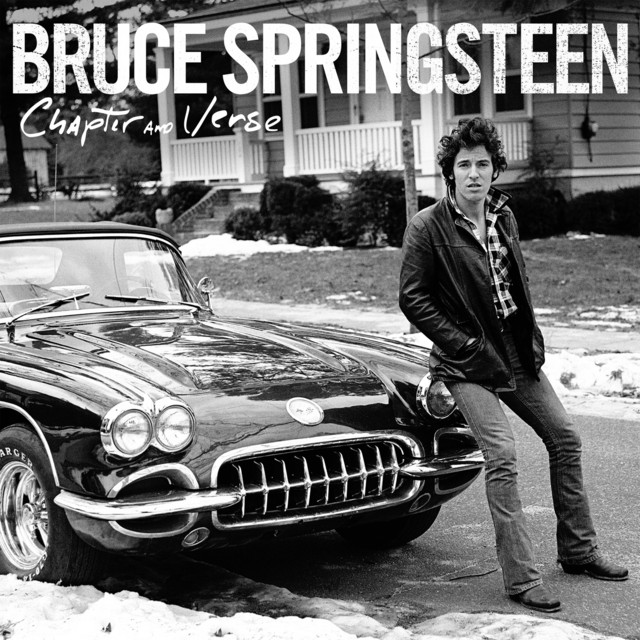
Chapter and Verse
Steel Mill
Psychedelic Blues-Rock
Classic Rock
Pop
2014
High Hopes
Bruce Springsteen
Heartland Rock
Rock
Singer-Songwriter
2012
Wrecking Ball
Bruce Springsteen
Folk Rock
Pop Rock
Rock
2008
Working on a Dream
Bruce Springsteen
Classic Rock
Folk Rock
Rock
2007
Magic
Bruce Springsteen
Country Rock
Folk Rock
Rock
2006
We Shall Overcome: The Seeger Sessions
Bruce Springsteen
Americana
Folk
Folk Rock
2005
Devils & Dust
Bruce Springsteen
Heartland Rock
Pop Rock
Rock
2002
4
/5
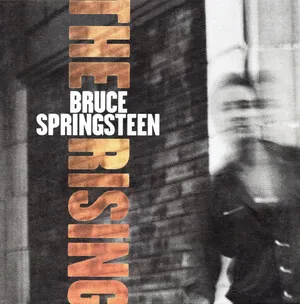
The Rising
Bruce Springsteen
Heartland Rock
Folk Rock
Rock
1995
The Ghost of Tom Joad
Bruce Springsteen
Folk
Folk Rock
Rock
1995
4
/5
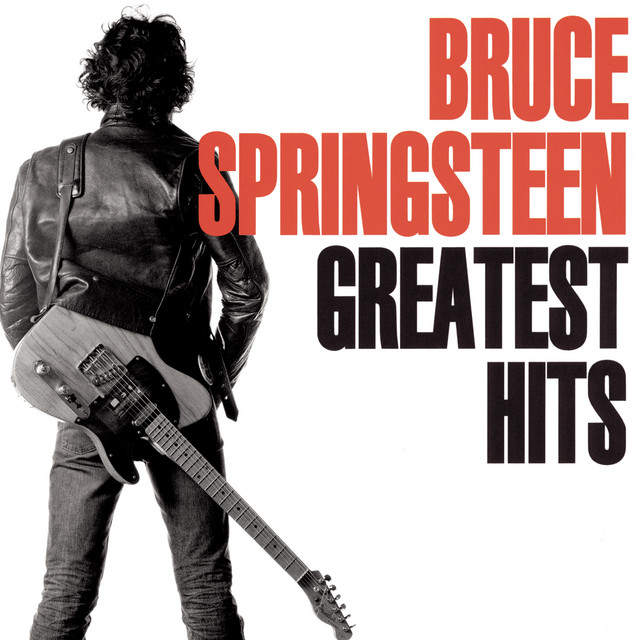
Greatest Hits
Bruce Springsteen
Heartland Rock
Folk Rock
Pop Rock
1992
Lucky Town
Bruce Springsteen
Contemporary Country
Pop Rock
Rock
1992
Human Touch
Bruce Springsteen
Folk Rock
Pop Rock
Rock
1987
Tunnel of Love
Bruce Springsteen
Folk Rock
Pop Rock
Rock
1984
5
/5
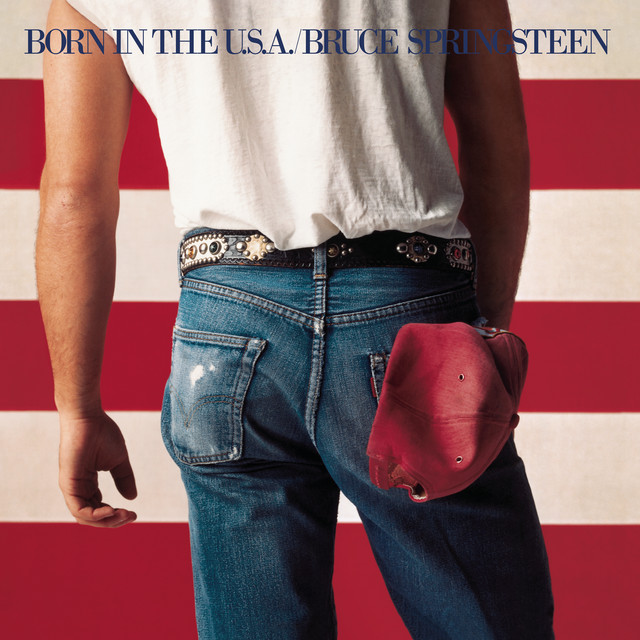
Born in the U.S.A.
Bruce Springsteen
Heartland Rock
Mellow Gold
Singer-Songwriter
1982
4
/5
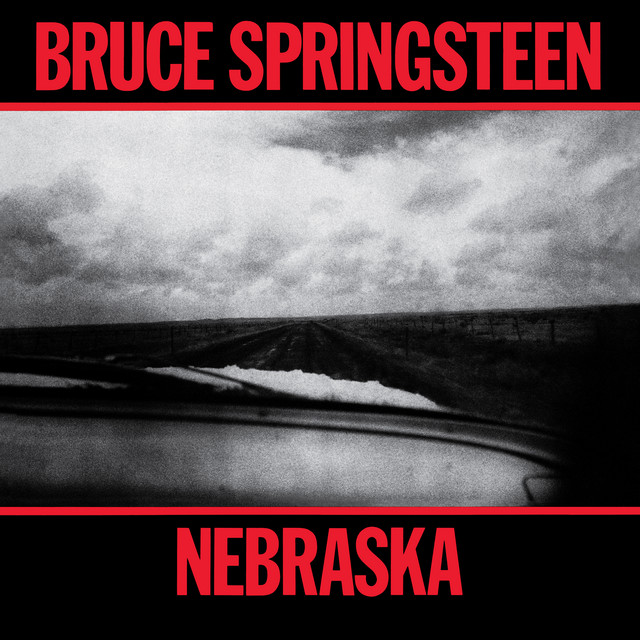
Nebraska
Bruce Springsteen
Americana
Heartland Rock
Northern American Music
1981
3
/5
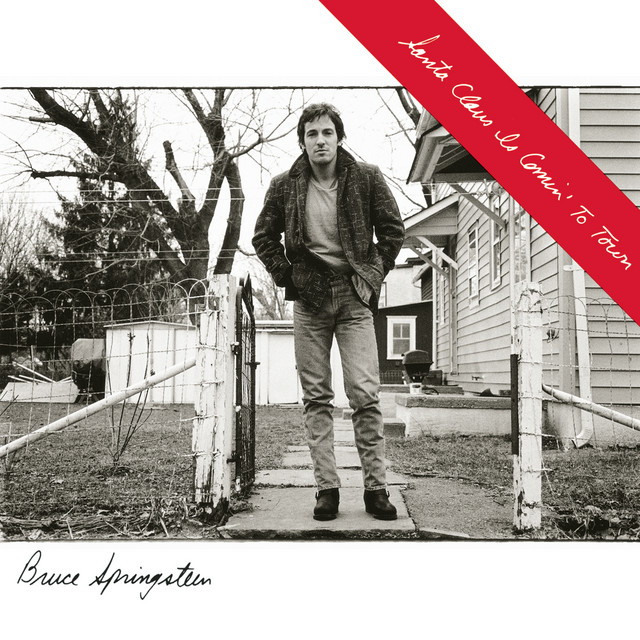
Santa Claus Is Comin’ to Town
dArtagnan, Falco, dArtagnan, dArtagnan, Cosgrove, Miranda, Schiller, dArtagnan,…
Heartland Rock
Mellow Gold
Singer-Songwriter
1980
4
/5
The River
Bruce Springsteen
Heartland Rock
Folk Rock
Rock
1978
4
/5
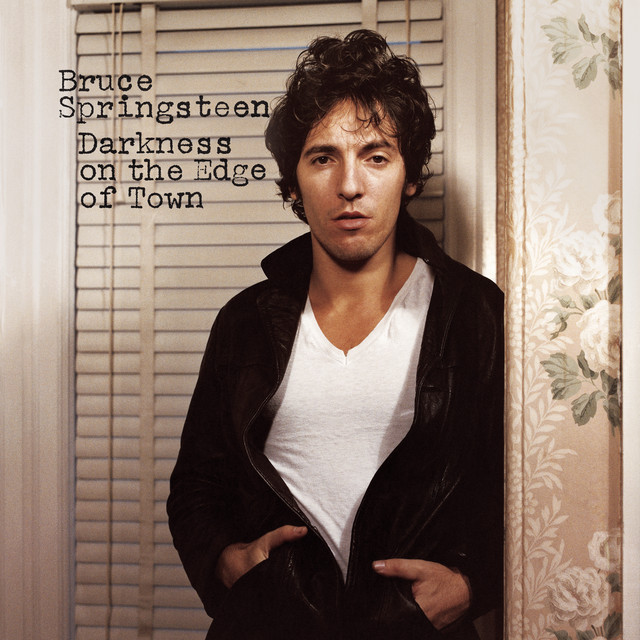
Darkness on the Edge of Town
Bruce Springsteen
Heartland Rock
Pop Rock
Rock
1975
4
/5
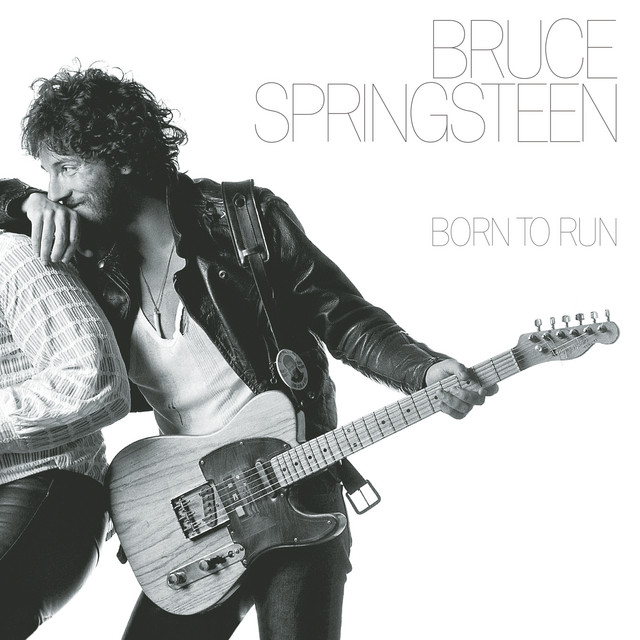
Born to Run
Bruce Springsteen
Heartland Rock
Album Rock
Rock
1973
3
/5
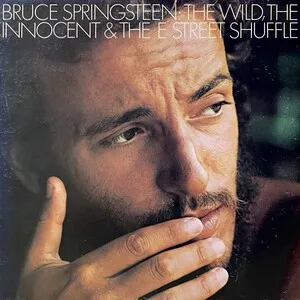
The Wild, the Innocent & the E Street Shuffle
Bruce Springsteen
Jersey Shore Sound
Heartland Rock
Folk Rock
1973
3
/5
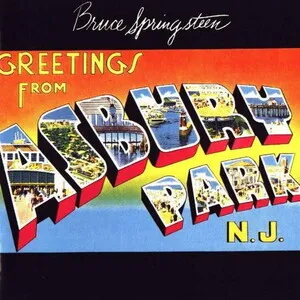
Greetings From Asbury Park, N.J.
Bruce Springsteen
Jersey Shore Sound
Heartland Rock
Folk Rock
Similar artists
1
/5
Various Artists
Afro-Funk
Alternative Rock
Ambient
4
/5
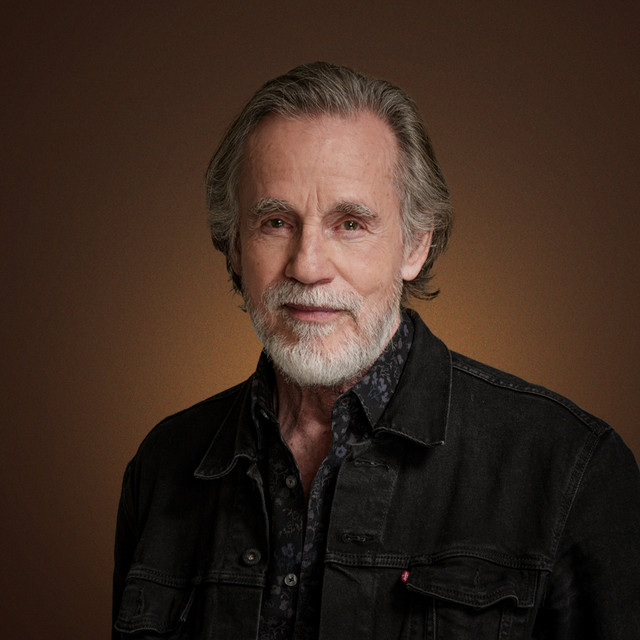
Jackson Browne
Soft Rock
Rock
Boyfriend Country
4
/5
Neil Young
Folk Rock
Rock
Country Rock
4
/5
Van Morrison
Folk Rock
Folk
Rock
4
/5
John Mayer
Rock
Singer-Songwriter
Neo Mellow
4
/5
The Beach Boys
Sunshine Pop
Pop
Baroque Pop
3
/5
Fabrizio De André
Canzone D'autore
Pop
Rock
5
/5
Billy Joel
Piano Rock
Pop Rock
Pop
4
/5
Jim Croce
Folk Rock
Singer-Songwriter
Chill Pop
5
/5
The Killers
Dance-Rock
Alternative Rock
Permanent Wave
Download our mobile app
Get the Melodigging app and start digging for new genres on the go
Download on the App Store
Get it on Google Play
© 2026 Melodigging
Give feedback
Legal
Melodding was created as a tribute to
Every Noise at Once
, which inspired us to help curious minds keep digging into music's ever-evolving genres.