Your digging level
Description
An energetic, horn- and organ-driven strain of bar-band rock born in the clubs along the New Jersey Shore, especially Asbury Park, in the early 1970s. It blends 1950s rock and roll, 1960s soul and R&B, doo-wop harmonies, and blues-rock grit with storytelling lyrics about working‑class life, boardwalk romance, cars, and long summer nights.
Arrangements emphasize Hammond B‑3 organ, piano, tenor saxophone and tight horn sections, a big backbeat, and sing‑along choruses. On stage the music often stretches into joyous, communal jams, with call‑and‑response and crowd participation as essential parts of the sound.

History
The Jersey Shore sound grew out of a vibrant bar-band circuit around Asbury Park, Belmar, Long Branch, and other seaside towns in New Jersey. House bands cut their teeth covering Stax/Volt and Motown soul, New Orleans R&B, 1950s rock and roll, and doo‑wop standards, while developing their own originals steeped in the same feel. The scene revolved around intimate, hard‑working clubs where musicians played long sets and built a direct rapport with local audiences.
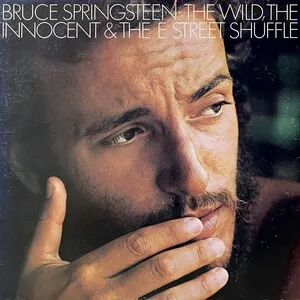
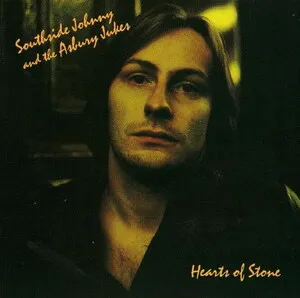
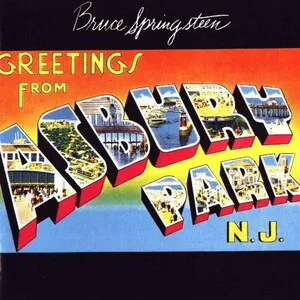
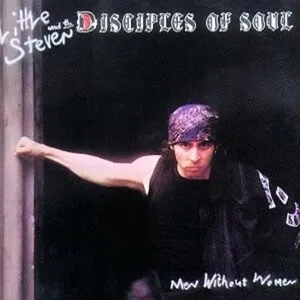
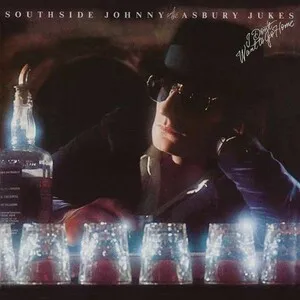
Bruce Springsteen’s early records (beginning in 1973) and the live power of the E Street Band crystallized the Shore aesthetic: a saxophone-forward rock unit with Hammond organ, piano, and a swinging rhythm section underpinning cinematic, working‑class narratives. Southside Johnny & The Asbury Jukes, guided by Little Steven Van Zandt, brought the horn‑driven soul side of the sound to national attention, covering and reviving deep soul material alongside originals.
The Shore’s bar‑band energy and anthemic sensibility fed into arena‑ready pop‑rock through acts like Bon Jovi, who retained the sing‑along, blue‑collar spirit while streamlining it for international charts. Veterans of the scene collaborated with and revived classic soul voices (notably Gary U.S. Bonds), reinforcing the style’s deep R&B ties. The live reputation of Shore bands remained the scene’s calling card, with extended sets, audience participation, and horn sections staying central.
Artists beyond New Jersey—roots‑rockers, heartland storytellers, and punk‑adjacent bands—absorbed the Shore template of big-hearted choruses, sax lines, and street‑level storytelling. The Stone Pony and other venues still anchor a local ecosystem where new acts learn the craft in front of dancing, intergenerational crowds, keeping the communal, soul‑infused rock ethos alive.
Use a soulful rock lineup: electric guitar, bass, drums, piano, and especially Hammond B‑3 organ. Feature tenor saxophone prominently and consider a small horn section (trumpet, trombone, bari/tenor sax) for stabs and counter‑melodies.
Write in major keys with classic rock and soul progressions (I–IV–V, I–vi–IV–V, and ii–V turnarounds). Include pre‑chorus lifts and key modulations for end‑of‑song climaxes. Bridges should contrast with more reflective chords before returning to an anthemic chorus.
Aim for medium to up‑tempo backbeats (approx. 96–130 BPM) with a swinging, danceable feel. Let drums and bass lock in a sturdy pocket; add piano triplets or organ comping to create momentum. Use horn hits to accent downbeats and chorus entries.
Craft big, sing‑along choruses with call‑and‑response tags for audience participation. Lead vocals should be passionate and slightly gritty, with backing harmonies drawing on doo‑wop and soul traditions.
Tell cinematic, street‑level stories about working‑class life, young love, cars, boardwalk nights, and the push‑pull between dreams and everyday realities. Keep imagery concrete and local, and build toward hopeful or cathartic payoffs.
Feature organ and sax clearly in the mix, with warm analog‑style saturation. Layer horns tastefully: pads in verses, punchy stabs in choruses, and a memorable sax solo. Preserve a live‑in‑the‑room feel—minimal quantization, roomy drums, and crowd‑ready dynamics.
Plan dynamic arcs: quieter narrative verses, then full‑band, horn‑powered choruses. Leave room for extended outros and sax or guitar solos that can stretch live. Encourage claps, sing‑backs, and call‑and‑response to capture the Shore’s communal spirit.