Genres
Artists
Albums
Make Music
Sign in
Sign in
Artists
Rock
Artists
Rock
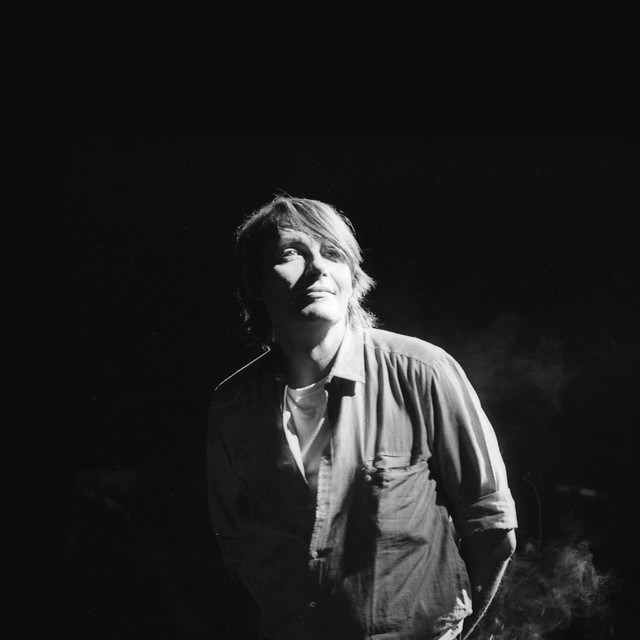
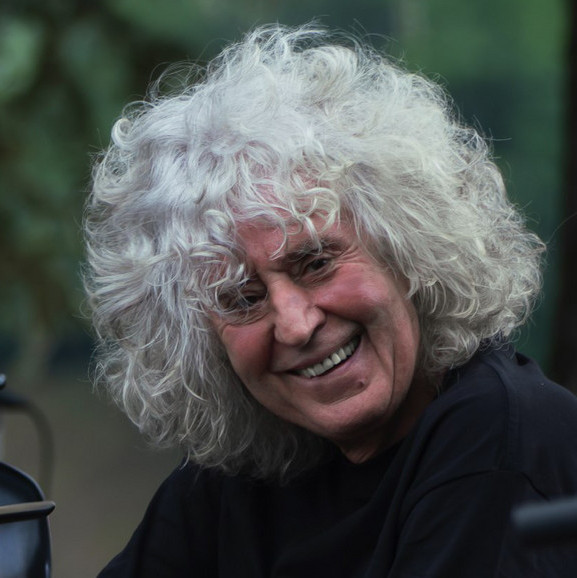
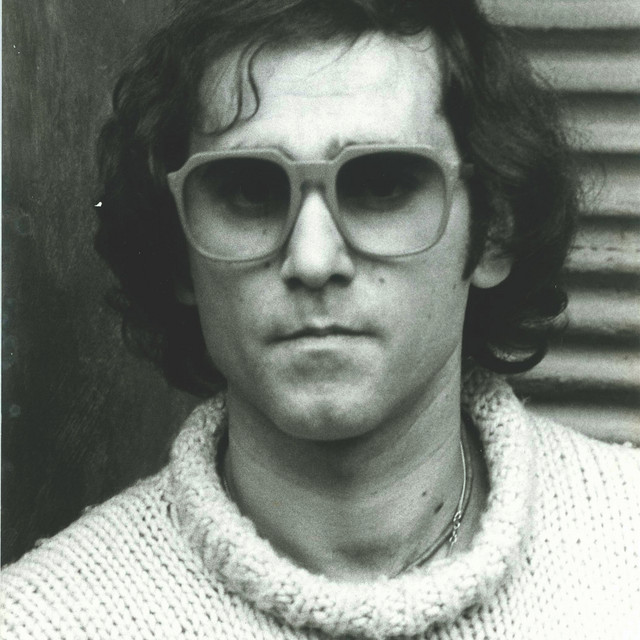
Fabrizio De André
1967–1996
·
12 albums
Listen
3
/5
Genres
Chamber Folk
Chamber folk blends singer‑songwriter and traditional folk songwriting with the textures and arranging techniques of chamber music. Acoustic guitar, harp, or piano typically carry the song, while small ensembles of strings and woodwinds provide counter‑melodies, pedal drones, and delicate harmonic color. The style favors intimate vocals, close‑miked acoustic timbres, and nuanced dynamics over percussive drive. Arrangements often develop patiently, using techniques like pizzicato, harmonics, and gentle swells to underline narrative, pastoral, or reflective lyrics. The overall mood is warm, detailed, and quietly expansive.
Discover
Listen
Canzone D'autore
Canzone d'autore is the Italian singer‑songwriter tradition distinguished by the centrality of literary, often poetic lyrics and an author’s personal voice. While melodically rooted in the Italian canzone, it blends influences from French chanson, folk/folk‑rock, jazz, and pop, favoring nuanced storytelling, social reflection, and intimate confession over commercial showmanship. Arrangements range from voice-and-guitar or piano miniatures to sophisticated ensembles with strings, winds, and small jazz combos. The genre values prosody, diction, and imagery, typically privileging the narrative arc and the text’s emotional clarity, with melodies designed to support the words rather than overpower them.
Discover
Listen
Folk Rock
Folk rock is a fusion genre that blends the narrative lyricism, modal melodies, and acoustic timbres of traditional folk with the backbeat, amplification, and song structures of rock. It typically pairs acoustic or traditional instruments (acoustic guitar, mandolin, fiddle) with a rock rhythm section (electric guitar, bass, drums), often featuring chiming 12‑string guitar textures, close vocal harmonies, and socially conscious or storytelling lyrics. The result ranges from intimate, reflective ballads with a steady backbeat to more anthemic, roots‑driven rock. Emerging in the mid‑1960s through artists such as Bob Dylan and The Byrds, folk rock became a gateway for traditional and roots materials to enter mainstream popular music, and it seeded later movements from country rock and Americana to jangle pop and modern indie folk.
Discover
Listen
Singer-Songwriter
Singer-songwriter is a song-focused style in which the same person writes, composes, and performs their own material, often accompanying themselves on acoustic guitar or piano. It emphasizes personal voice, lyrical intimacy, and storytelling over elaborate production. Arrangements are typically sparse, allowing the melody, words, and performance nuance to carry the song’s emotional weight. While rooted in folk and blues traditions, singer-songwriter embraces pop and rock songcraft, producing works that can range from quiet confessional ballads to subtly orchestrated, radio-ready pieces.
Discover
Listen
Italian Singer-Songwriter
Italian singer-songwriter (cantautorato/canzone d'autore) is a lyric-centered tradition in Italian popular music where the performer is also the principal author of the lyrics and music. It blends poetic, narrative songwriting with melodic pop, folk, jazz, and light rock arrangements, placing storytelling and social commentary at the forefront. While highly melodic and accessible, it values literary craft, regional color, and personal voice, ranging from intimate acoustic ballads to sophisticated, orchestrated songs.
Discover
Listen
Pop Rock
Pop rock blends the hook-focused immediacy of pop with the instrumentation and drive of rock. It prioritizes catchy melodies, concise song structures, and polished production while retaining guitars, bass, and drums as core elements. Typical pop rock tracks use verse–pre-chorus–chorus forms, strong vocal harmonies, and memorable riffs. The sound ranges from jangly and bright to mildly overdriven and arena-ready, aiming for radio-friendly appeal without abandoning rock’s rhythmic punch.
Discover
Listen
Baroque Pop
Baroque pop is a mid‑1960s fusion of contemporary pop/rock songwriting with the timbres, textures, and contrapuntal techniques of Baroque and broader European classical music. It is marked by harpsichord and piano doubling, string quartets or small orchestras, woodwinds (oboe, recorder, bassoon), French horn and piccolo trumpet colors, and melody‑forward arrangements that favor counter‑melodies and suspensions over riff‑based accompaniment. Harmonies tend to be richer than standard rock, with chromatic voice‑leading, circle‑of‑fifths motion, deceptive cadences, and occasional modulations. Production is usually lush and reverberant, supporting reflective, often nostalgic or romantic lyrics. Although it overlaps with orchestral pop and psychedelic pop, baroque pop is distinguished by its chamber‑scale instrumentation, Baroque idioms (basso continuo feel, ornamented lines), and the way classical elements are woven into compact pop song forms.
Discover
Listen
Progressive Folk
Progressive folk is a strand of folk music that adopts the exploratory spirit, extended forms, and harmonic richness of progressive rock and jazz while remaining rooted in traditional songcraft and acoustic timbres. It favors modal melodies, intricate fingerpicking, and unusual time signatures, often weaving together British and Celtic folk idioms with classical and jazz-informed arrangements. Compared with straight folk or folk rock, progressive folk is more ambitious in structure: suites, long-form ballads, and thematic albums are common. Lyrically it ranges from pastoral and mythical to philosophical and introspective, and it frequently experiments with instrumentation (e.g., dulcimer, sitar, harp, early music winds) and layered vocal counterpoint. The result is music that feels both ancient and modern—earthy yet expansive.
Discover
Listen
Rock
Rock is a broad family of popular music centered on amplified instruments, a strong backbeat, and song forms that foreground riffs, choruses, and anthemic hooks. Emerging from mid‑20th‑century American styles like rhythm & blues, country, and gospel-inflected rock and roll, rock quickly expanded in scope—absorbing folk, blues, and psychedelic ideas—while shaping global youth culture. Core sonic markers include electric guitar (often overdriven), electric bass, drum kit emphasizing beats 2 and 4, and emotive lead vocals. Rock songs commonly use verse–chorus structures, blues-derived harmony, and memorable melodic motifs, ranging from intimate ballads to high‑energy, stadium‑sized performances.
Discover
Listen
Pop
Pop is a broad, hook-driven style of popular music designed for wide appeal. It emphasizes memorable melodies, concise song structures, polished vocals, and production intended for radio, charts, and mass media. While pop continually absorbs elements from other styles, its core remains singable choruses, accessible harmonies, and rhythmic clarity. Typical forms include verse–pre-chorus–chorus, frequent use of bridges and middle-eights, and ear-catching intros and outros. Pop is not defined by a single instrumentation. It flexibly incorporates acoustic and electric instruments, drum machines, synthesizers, and increasingly digital production techniques, always in service of the song and the hook.
Discover
Listen
Chanson Française
Chanson française is a lyric-centered French song tradition in which the expressiveness, prosody, and storytelling of the French language take priority over virtuosic vocal display. Melodies tend to be memorable yet restrained, arranged to support the text rather than overshadow it. Historically linked to Parisian cabarets, music halls, and the café-concert circuit, the style embraces topics ranging from love and everyday life to social satire and political commentary. Typical accompaniments include guitar, accordion, piano, and small orchestras, with arrangements that can range from intimate to lush. Performance is as much about interpretation and diction as it is about singing, often favoring conversational phrasing and dramatic nuance.
Discover
Listen
Folk
Folk is a song-centered acoustic tradition rooted in community storytelling, everyday life, and social history. It emphasizes clear melodies, simple harmonies, and lyrics that foreground narrative, protest, and personal testimony. As a modern recorded genre, folk coalesced in the early-to-mid 20th century in the United States out of older ballad, work song, and rural dance traditions. It typically features acoustic instruments (guitar, banjo, fiddle, mandolin, harmonica), strophic song forms, and participatory singing (choruses, call-and-response).
Discover
Listen
Italian Music
Italian music is the broad musical tradition and industry of Italy, spanning art, folk, sacred, and popular idioms. It is globally renowned for birthing opera, shaping instrumental forms such as the concerto and sonata, and cultivating a lyrical, melody‑forward aesthetic known through bel canto and the canzone tradition. From medieval chant and Renaissance polyphony to Baroque virtuosity and Romantic opera, Italian music has repeatedly defined international taste. In the 20th century it evolved through film scoring, singer‑songwriters (cantautori), and dance genres like Italo‑disco and Italo house, while regional folk styles (e.g., tarantella, Neapolitan song) remain central to its identity.
Discover
Listen
Ballad
A ballad is a narrative song form that tells a story in simple, singable stanzas, traditionally using quatrains in ballad meter (alternating lines of iambic tetrameter and trimeter with an ABCB rhyme scheme). Ballads typically recount dramatic events—love, betrayal, tragedy, murder, the supernatural—or notable historical incidents. Early ballads were often sung unaccompanied or with minimal accompaniment, carried by memorable, modal melodies and refrains that aided oral transmission. Over time, the term also came to describe slow, sentimental popular songs in the 20th century, but the core of the genre remains the storytelling focus and strophic, easily learned structure. Ballads are central to the English- and Scots-language folk traditions, migrated to North America where they flourished in Appalachian singing, and continue to be performed, adapted, and reinterpreted in contemporary folk and roots scenes.
Discover
Listen
Classical
Classical music is the notated art-music tradition of Europe and its global descendants, characterized by durable forms, carefully codified harmony and counterpoint, and a literate score-based practice. The term “classical” can refer broadly to the entire Western art-music lineage from the Medieval era to today, not just the Classical period (c. 1750s–1820s). It privileges long-form structures (such as symphonies, sonatas, concertos, masses, and operas), functional or modal harmony, thematic development, and timbral nuance across ensembles ranging from solo instruments to full orchestras and choirs. Across centuries, the style evolved from chant and modal polyphony to tonal harmony, and later to post-tonal idioms, while maintaining a shared emphasis on written notation, performance practice, and craft.
Discover
Listen
Show all 15 genres
Albums
1996
3
/5
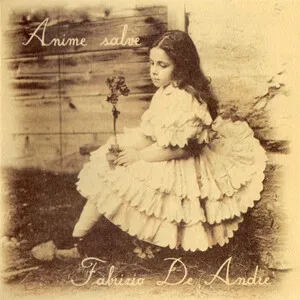
Anime salve
Fabrizio De André
Canzone D'autore
Italian Music
Pop
1984
1
/5
Creuza de mä
Fabrizio De André
Canzone D'autore
Italian Music
Folk Rock
1981
3
/5
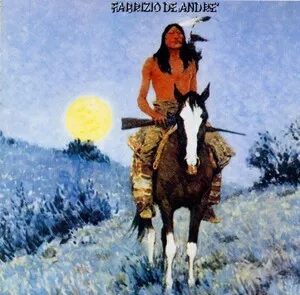
Fabrizio De André [Indiano]
Fabrizio De André
Canzone D'autore
Pop
Rock
1978
3
/5
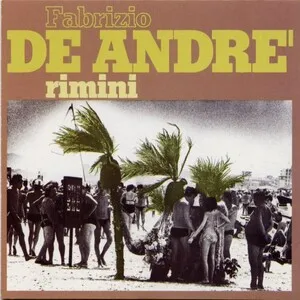
Rimini
Fabrizio De André
Canzone D'autore
Italian Music
Folk Rock
1975
2
/5
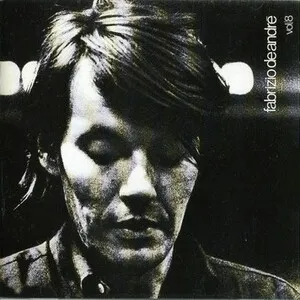
Vol. 8
Fabrizio De André
Canzone D'autore
Folk Rock
Pop
1973
3
/5
Storia di un impiegato
Fabrizio De André
Italian Music
Progressive Folk
Folk
1971
3
/5
Non al denaro non all'amore né al cielo
Fabrizio De André
Canzone D'autore
Italian Music
Ballad
1970
3
/5
La buona novella
Fabrizio De André
Canzone D'autore
Italian Music
Chamber Folk
1968
3
/5
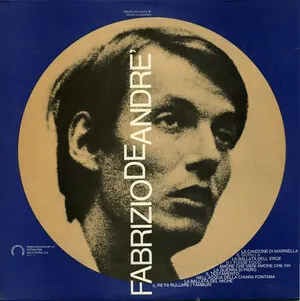
Volume 3
Fabrizio De André
Canzone D'autore
Italian Music
Classical
1968
3
/5
Tutti morimmo a stento
Fabrizio De André
Canzone D'autore
Italian Music
Baroque Pop
1967
3
/5
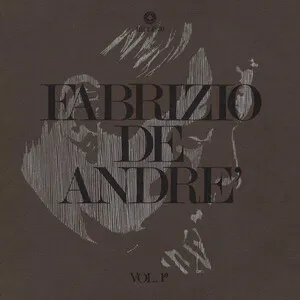
Vol. 1°
Fabrizio De André
Canzone D'autore
Folk Rock
Pop
Storia di un impiegato
Fabrizio De André
Canzone D'autore
Similar artists
3
/5
Angelo Branduardi
Canzone D'autore
Italian Music
Italian Singer-Songwriter
4
/5
Lucio Dalla
Italian Singer-Songwriter
Pop
Canzone D'autore
4
/5
Pino Daniele
Canzone Napoletana
Canzone D'autore
Italian Folk Music
3
/5
Francesco De Gregori
Canzone D'autore
Italian Singer-Songwriter
Pop
2
/5
Enzo Carella
Canzone D'autore
Italian Music
Italian Singer-Songwriter
3
/5
Edoardo Bennato
Canzone D'autore
Italian Singer-Songwriter
Italo Dance
3
/5
Rino Gaetano
Italian Singer-Songwriter
Italo Dance
Singer-Songwriter
3
/5
Ivan Graziani
Italian Singer-Songwriter
Singer-Songwriter
Canzone D'autore
1
/5
Various Artists
Afro-Funk
Alternative Rock
Ambient
5
/5
The Beatles
Merseybeat
Rock
Pop
Download our mobile app
Get the Melodigging app and start digging for new genres on the go
Download on the App Store
Get it on Google Play
© 2026 Melodigging
Give feedback
Legal
Melodding was created as a tribute to
Every Noise at Once
, which inspired us to help curious minds keep digging into music's ever-evolving genres.