Genres
Artists
Albums
Make Music
Sign in
Sign in
Artists
Baltic Folk Music
Artists
Baltic Folk Music
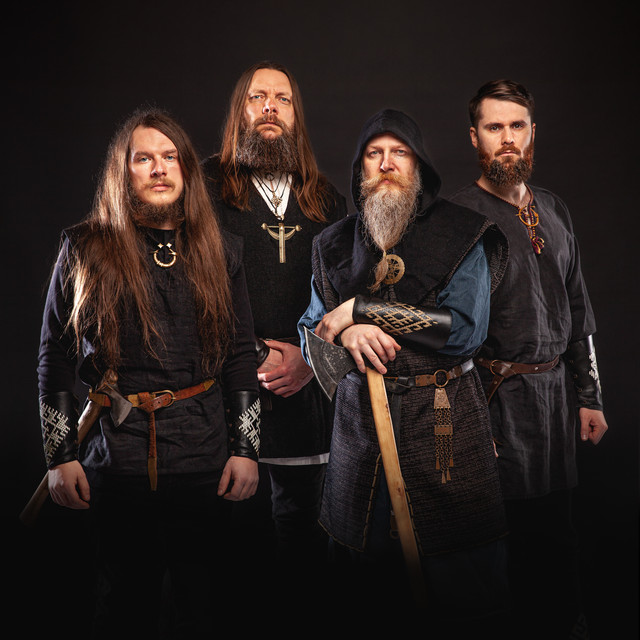
Skyforger
2008
·
1 album
Listen
2
/5
Genres
Neofolk
Neofolk is a post-industrial offshoot that blends traditional acoustic folk instrumentation with the austere atmospheres, ritual rhythms, and poetic sensibilities of the industrial and post-punk underground. It often features intimate acoustic guitars, baritone or chant-like vocals, martial or processional percussion, drones, and sparse strings or harmonium. Thematically, neofolk is preoccupied with memory, myth, and modernity—drawing on pagan or pre-Christian motifs, Romantic poetry, war-time remembrance, esoteric philosophy, and nature mysticism. The sound tends to be minimal and deliberate, favoring modal harmony and restrained dynamics that sharpen lyrical focus and mood. While sometimes called “apocalyptic folk,” the label describes the tone rather than a single ideology, as artists span a wide range of personal and political stances.
Discover
Listen
Rock
Rock is a broad family of popular music centered on amplified instruments, a strong backbeat, and song forms that foreground riffs, choruses, and anthemic hooks. Emerging from mid‑20th‑century American styles like rhythm & blues, country, and gospel-inflected rock and roll, rock quickly expanded in scope—absorbing folk, blues, and psychedelic ideas—while shaping global youth culture. Core sonic markers include electric guitar (often overdriven), electric bass, drum kit emphasizing beats 2 and 4, and emotive lead vocals. Rock songs commonly use verse–chorus structures, blues-derived harmony, and memorable melodic motifs, ranging from intimate ballads to high‑energy, stadium‑sized performances.
Discover
Listen
Folk
Folk is a song-centered acoustic tradition rooted in community storytelling, everyday life, and social history. It emphasizes clear melodies, simple harmonies, and lyrics that foreground narrative, protest, and personal testimony. As a modern recorded genre, folk coalesced in the early-to-mid 20th century in the United States out of older ballad, work song, and rural dance traditions. It typically features acoustic instruments (guitar, banjo, fiddle, mandolin, harmonica), strophic song forms, and participatory singing (choruses, call-and-response).
Discover
Listen
Baltic Folk Music
Baltic folk music refers to the traditional and revivalist musics of the Baltic region, primarily Lithuania and Latvia (Baltic language cultures), and often extending to Estonia (a Finnic culture within the Baltic states). It encompasses ancient vocal traditions, ritual song repertoires tied to the calendar year, and a wide variety of dance tunes that absorbed Central and Northern European influences in the 19th century. Characteristic elements include narrow-range, modal melodies; drones and heterophony; strophic poetic forms with dense alliteration; and multipart singing traditions such as Lithuanian sutartinės and Estonian regilaul (runo songs). Iconic instruments are the regional box zithers (kanklės in Lithuania, kokle in Latvia, kannel in Estonia), as well as birbynė (reed), skudučiai (panpipes), torupill (Estonian bagpipe), fiddle, and accordion. The genre also thrives in powerful choral traditions and large-scale Song and Dance Festivals that underscore communal identity and continuity.
Discover
Listen
Latvian Folk Music
Latvian folk music is the traditional music of the Latvian people, centered on the daina—short, tightly structured lyric songs in trochaic meter that often use four-line quatrains and nature- or myth-themed imagery. Melodies are typically narrow in range, modal (frequently Aeolian and Dorian), and performed either solo or in unison/heterophony with a characteristic sustained drone (burdons). Core timbres come from the kokle (a plucked box zither), bagpipes (dūdas), various flutes (stabules), fiddles (gīga), and later accordion; voice remains the primary instrument. Repertoires include work songs, wedding and ritual songs, lullabies, and seasonal songs—especially Jāņi (Midsummer) pieces with refrains like “Līgo.” Dance music incorporates European couple dances—polka, mazurka, schottische, and waltz—adapted to local style. Beyond the village, Latvian folk music also exists as a mass choral phenomenon through the Song and Dance Celebration tradition, where large choirs perform folk-based arrangements that embody communal memory and national identity.
Discover
Listen
Albums
2008
2
/5
Zobena dziesma
Skyforger
Latvian Folk Music
Baltic Folk Music
Folk
Similar artists
5
/5
Hans Zimmer
Country Dawn
Soundtrack
Classical
3
/5
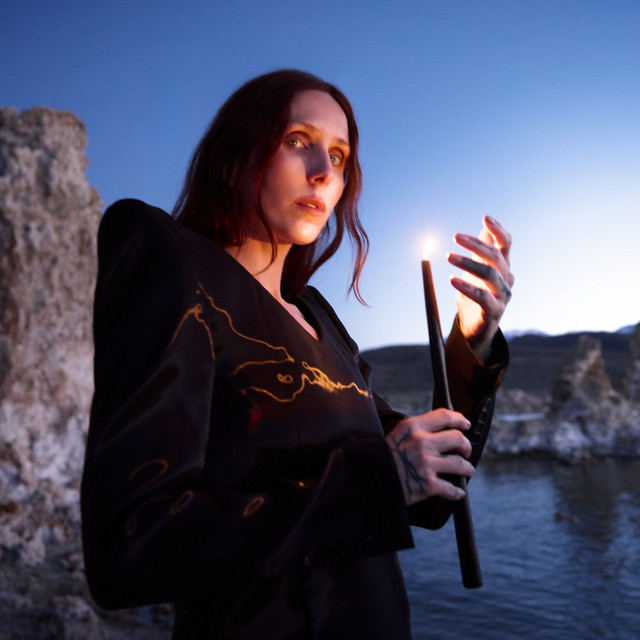
Chelsea Wolfe
Doomgaze
Gaian Doom
Rock
3
/5
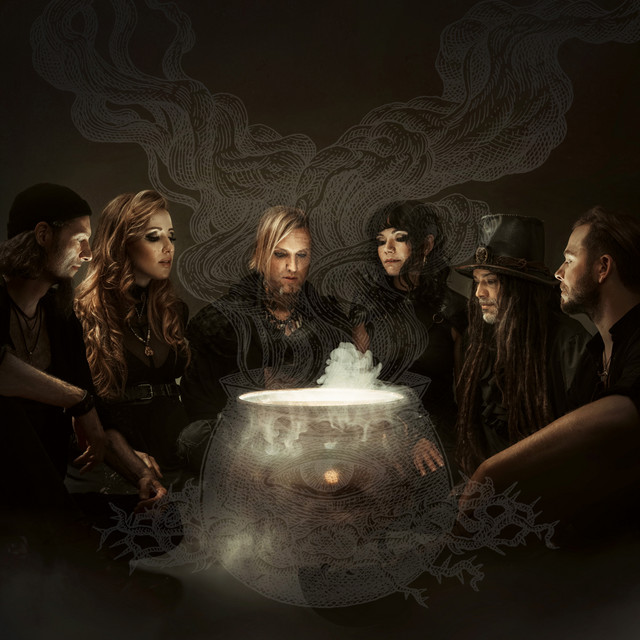
Faun
Medieval Rock
Folk
Neofolk
3
/5
Swans
Experimental Rock
Post-Rock
No Wave
3
/5
Agalloch
Black Metal
Cascadian Black Metal
Usbm
2
/5
Żywiołak
Slavic Folk Metal
Folk
Folk Metal
2
/5
Tautumeitas
Baltic Folk Music
Latvian Folk Music
Digital Horror
2
/5
Falkenbach
Folk Metal
Black Metal
Viking Metal
2
/5
Auli
Latvian Folk Music
Baltic Folk Music
Folk
2
/5
The Moon & The Nightspirit
Neo-Medieval Folk
Rock
Ambient Folk
Download our mobile app
Get the Melodigging app and start digging for new genres on the go
Download on the App Store
Get it on Google Play
© 2026 Melodigging
Give feedback
Legal
Melodding was created as a tribute to
Every Noise at Once
, which inspired us to help curious minds keep digging into music's ever-evolving genres.