Genres
Artists
Albums
Make Music
Sign in
Sign in
Artists
Djent
Artists
Djent
SikTh
2006
·
1 album
Listen
2
/5
Genres
Beats
Beats is a loose, producer-driven category for rhythm-forward instrumentals built around hip‑hop drum patterns without necessarily being rap songs or featuring vocals. It functions as an umbrella for stock, "type," and backing tracks used by rappers, singers, streamers, and content creators, spanning boom‑bap swing to trap hi‑hat grids and R&B‑leaning grooves. On streaming platforms it often appears as standalone instrumentals packaged by tempo, mood, or artist style (e.g., “trap type beat,” “R&B instrumental,” “club beat”), prioritizing portability and utility over artist identity. While rooted in hip‑hop production aesthetics—kicks, snares, 808s, chopped samples—Beats blends downtempo, electronic, and contemporary R&B sensibilities, aiming for clarity, loopability, and immediate vibe.
Discover
Listen
Djent
Djent is a substyle of progressive metal defined by ultra-tight, low‑tuned, palm‑muted guitar riffs that create a percussive, onomatopoeic "djent" sound. It favors extended‑range instruments (7–9 strings), precise rhythmic subdivision, and a highly articulate, modern production aesthetic. Sonically, djent emphasizes polyrhythms, syncopation, and metric modulation, often pairing dense, chugging grooves with ambient clean guitars, spacious synth pads, and melodic choruses. Vocals range from harsh screams and growls to soaring cleans, while drums and bass lock tightly to the rhythmic grid, accenting the guitar’s staccato patterns. Although the term took off online in the late 2000s, the core rhythmic and timbral blueprint traces to the 1990s work of Swedish band Meshuggah.
Discover
Listen
Mathcore
Mathcore is an extreme offshoot of metalcore and hardcore punk characterized by rapid-fire shifts in meter, tempo, and texture. It emphasizes dissonant, angular riffing; complex, polymetric drum patterns; and whirlwind song structures that often feel deliberately chaotic. The genre fuses the precision and rhythmic gamesmanship of math rock with the aggression of hardcore and the density of extreme metal. Songs routinely feature sudden stops, blast beats, start–stop riffing, odd time signatures, and atonal or chromatic harmonies, producing a sound that is tense, volatile, and cathartic.
Discover
Listen
Hardcore
Hardcore (often called hardcore techno in its early form) is a fast, aggressive branch of electronic dance music characterized by heavily distorted, punchy 4/4 kick drums, tempos ranging from roughly 160 to well over 200 BPM, and a dark, high‑energy aesthetic. It emphasizes percussive drive over complex harmony, using clipped and saturated kick-bass sound design, sharp hi-hats, claps on the backbeat, and harsh synth stabs or screeches. Vocals, when present, are typically shouted hooks, sampled movie lines, or crowd chants processed with distortion and effects. Originating in the Netherlands in the early 1990s, the style quickly splintered into related scenes and subgenres such as gabber, happy hardcore, Frenchcore, terrorcore, speedcore, and later hardstyle. Its culture is closely associated with large-scale raves, specialized labels, and distinctive visual branding.
Discover
Listen
Progressive Metal
Progressive metal blends the ambition and extended song forms of progressive rock with the heaviness, timbre, and energy of heavy metal. It is characterized by complex arrangements, frequent time‑signature changes, virtuosic instrumental passages, thematic or concept‑driven albums, and a wide dynamic range from delicate, atmospheric sections to aggressive, high‑gain climaxes. Harmonically it draws on modal interchange, chromatic voice‑leading, and jazz‑fusion colors, while rhythmically it favors polymeters, polyrhythms, and metric modulation. Keyboards and layered production often add orchestral or cinematic scope.
Discover
Listen
Avant-Garde Metal
Avant-garde metal is a branch of metal that embraces experimentation as a core principle. It extends the genre’s sonic vocabulary through unusual song forms, dissonant harmony, non-standard instrumentation, and an eagerness to fuse styles that traditionally sit outside heavy music. Where conventional metal often relies on riff-driven structures, avant-garde metal frequently employs through-composed forms, asymmetrical rhythms, and abrupt dynamic shifts. Its palette can include strings, woodwinds, brass, electronics, prepared instruments, and extended vocal techniques alongside distorted guitars and aggressive drums. Lyrically and conceptually, the style leans toward the surreal, the philosophical, and the theatrical. The result is a deliberately challenging, exploratory music that values atmosphere, texture, and surprise as much as impact and heaviness.
Discover
Listen
Metal
Metal (often used to mean heavy metal in its broad, umbrella sense) is a loud, guitar-driven style of rock defined by high-gain distortion, emphatic and often martial rhythms, and a dense, powerful low end. It foregrounds riff-based songwriting, dramatic dynamics, virtuosic guitar solos, and commanding vocals that range from melodic wails to aggressive snarls and growls. Harmonically, metal favors minor modes, modal color (Aeolian, Phrygian), chromaticism, and tritone-inflected tension, while thematically it explores power, mythology, the occult, social critique, fantasy, and existential subjects. While adjacent to hard rock, metal typically pushes amplification, distortion, precision, and thematic intensity further, forming a foundation for many specialized subgenres.
Discover
Listen
Heavy Metal
Heavy metal is a loud, guitar-driven style of rock defined by heavily distorted riffs, thunderous drums, and powerful vocals. Its musical language emphasizes minor modes, modal (Aeolian, Phrygian) riffing, and energy over groove, often featuring virtuosic guitar solos and dramatic dynamic contrasts. Emerging from late-1960s blues rock and psychedelic experimentation, heavy metal codified a darker, heavier sound with bands like Black Sabbath, Deep Purple, and Led Zeppelin. The genre values weight, intensity, and grandeur—whether through plodding, doom-laden tempos or galloping, high-energy rhythms—paired with themes that range from personal struggle and social critique to fantasy, mythology, and the occult.
Discover
Listen
Rock
Rock is a broad family of popular music centered on amplified instruments, a strong backbeat, and song forms that foreground riffs, choruses, and anthemic hooks. Emerging from mid‑20th‑century American styles like rhythm & blues, country, and gospel-inflected rock and roll, rock quickly expanded in scope—absorbing folk, blues, and psychedelic ideas—while shaping global youth culture. Core sonic markers include electric guitar (often overdriven), electric bass, drum kit emphasizing beats 2 and 4, and emotive lead vocals. Rock songs commonly use verse–chorus structures, blues-derived harmony, and memorable melodic motifs, ranging from intimate ballads to high‑energy, stadium‑sized performances.
Discover
Listen
Show all 9 genres
Albums
2006
2
/5
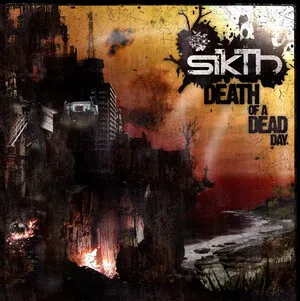
Death of a Dead Day
SikTh
Djent
Heavy Metal
Progressive Metal
Similar artists
3
/5
Meshuggah
Djent
Progressive Groove Metal
Technical Groove Metal
3
/5
Periphery
Progressive Metal
Djent
Progressive Metalcore
3
/5
The Dillinger Escape Plan
Mathcore
New Jersey Punk
New Jersey Hardcore
3
/5
Vildhjarta
Djent
Progressive Metal
Thall
4
/5
Gojira
French Death Metal
Progressive Groove Metal
Progressive Metal
3
/5
Jinjer
Slayer
Progressive Metal
Metalcore
3
/5
Protest The Hero
Progressive Metal
Metal
Djent
3
/5
Between The Buried And Me
Mathcore
Metalcore
Progressive Metal
2
/5
Textures
Djent
Mathcore
Metal
2
/5
Uneven Structure
Djent
Mathcore
Metal
Download our mobile app
Get the Melodigging app and start digging for new genres on the go
Download on the App Store
Get it on Google Play
© 2026 Melodigging
Give feedback
Legal
Melodding was created as a tribute to
Every Noise at Once
, which inspired us to help curious minds keep digging into music's ever-evolving genres.