Genres
Artists
Albums
Make Music
Sign in
Sign in
Artists
Desert Blues
Artists
Desert Blues
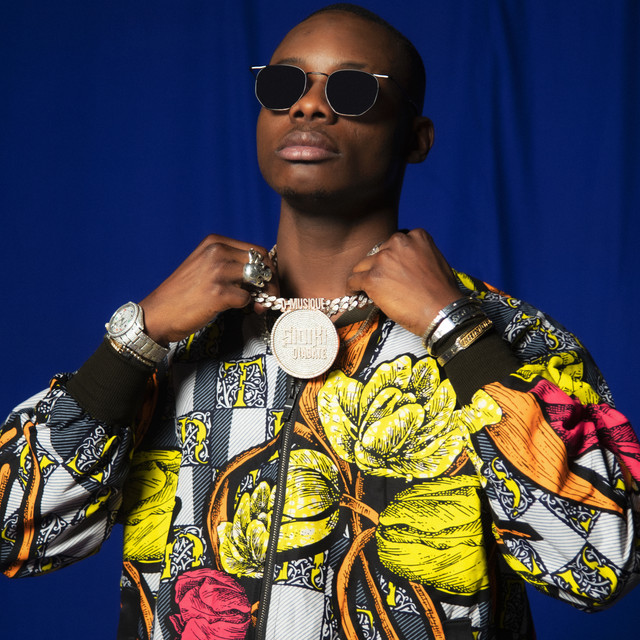
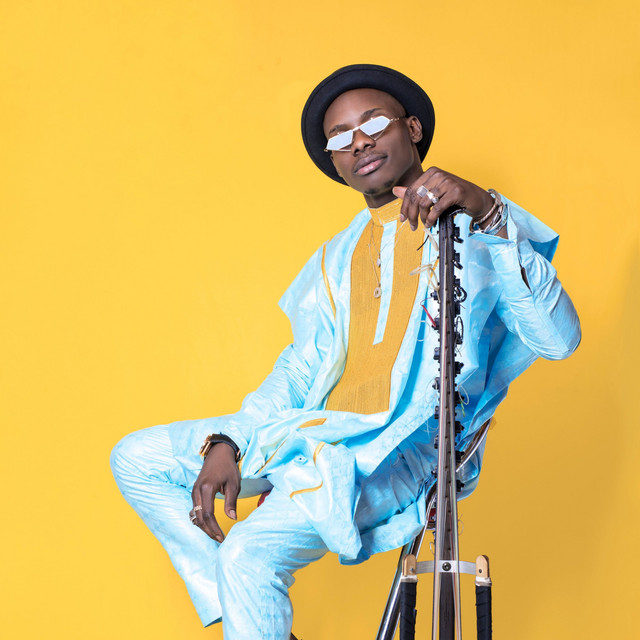
Sidiki Diabaté
2014–2024
·
13 albums
Listen
3
/5
Genres
Jersey Club Rap
Jersey club rap fuses the kick-heavy, chopped-and-stuttered bounce of Jersey club with contemporary rap flows. It keeps the genre’s signature pounding triplet kicks, bed‑squeak/percussion stabs, and call‑and‑response energy, but streamlines the beats to leave space for verses and hooks. Compared with earlier Jersey club, it uses fewer obvious sample flips and leans toward cleaner, more atmospheric sound design so that rapping sits front and center.
Discover
Listen
Jersey Drill
Jersey drill is a high‑energy rap micro‑genre that fuses the sliding 808s, ominous textures, and competitive swagger of drill with the bouncy kick patterns, chopped vocal stabs, and dance‑floor focus of Jersey club. Typically sitting around 130–145 BPM, it keeps drill’s confrontational flows and street reportage but places them over club‑ready patterns (bed‑squeak chops, rapid kick clusters, brake stops) designed for party movement and call‑and‑response hooks. The result is music that’s both aggressive and made for dancing—rooted in the New Jersey club tradition yet connected to the broader New York drill ecosystem.
Discover
Listen
Afropiano
Afropiano is a contemporary fusion that marries the songwriting, vocal phrasing, and rhythmic sensibilities of West African Afrobeats with the deep, percussive textures of South Africa’s Amapiano. It retains Amapiano’s signature log drum bass, shaker-led swing, and soulful pads, while adopting Afrobeats’ catchy hooks, call-and-response choruses, and concise, radio-friendly structures. The result is a warm, dance-floor-oriented sound with mid-tempo grooves, plush jazz/house harmonies, and lyrics that often blend English, Nigerian Pidgin, and local languages.
Discover
Listen
Maimouna
Maimouna is a contemporary Francophone West- and Central‑African club style and dance craze that emerged in the early 2020s, most strongly associated with Côte d’Ivoire’s hyperactive urban party scene. It blends upbeat Afropop songcraft with street‑level chant, call‑and‑response hooks, and kinetic, percussion‑forward beats designed for viral dance challenges. Typical tracks ride a mid‑fast 100–118 BPM groove with shaker and cowbell patterns, handclaps, snare rushes, and short synth stabs or guitar licks. Vocals often mix Nouchi (Ivorian street slang) with French, using playful boasts, dance instructions, and catchy refrains. The production is bright and punchy, favoring simple harmonic loops so the crowd‑energy, chants, and choreography lead the experience.
Discover
Listen
Afro Drill
Afro drill is a regionalized form of drill that fuses the gritty, sliding-808 sonics and half‑time bounce of UK/Chicago drill with African rhythmic feel, languages, and street narratives. Born around the turn of the 2020s in Ghana (popularly called the Asakaa movement) and quickly echoed across other African scenes and diasporas, it retains drill’s cold, minor‑key atmosphere while introducing Afrobeats/highlife‑tinged melodies, syncopated percussion, and local flows in Twi, Ghanaian Pidgin, Yoruba, Sheng, and more. The result is music that is simultaneously raw and danceable—dark, street‑level storytelling delivered with regional slang and call‑and‑response hooks, framed by modern drill drum programming and African groove sensibilities.
Discover
Listen
Afrobeats
Afrobeats (plural) is a contemporary West African pop umbrella that blends indigenous Nigerian and Ghanaian rhythms with global Black music—especially dancehall, hip hop, R&B, and highlife. Typical tracks sit in the mid‑tempo 95–115 BPM range and feature syncopated, polyrhythmic drum programming (shakers, rimshots, congas, talking drum), rubbery sub‑bass lines, bright synths, and guitar licks that recall highlife. Vocals are melodic and hook‑driven, often delivered in a fluid mix of English, Nigerian Pidgin, Yoruba, Twi, or other local languages, with call‑and‑response refrains tailored for dance floors. Distinct from Fela Kuti’s Afrobeat (singular), Afrobeats prioritizes songcraft, club‑ready grooves, and pop structures. It travels easily across diasporas, seamlessly absorbing UK club influences and Caribbean cadence while maintaining unmistakably West African rhythmic DNA.
Discover
Listen
Rap Ivoire
Rap ivoire is the Ivorian strain of hip hop that blends Francophone rap technique with local slang (Nouchi), street storytelling, and high-energy club aesthetics. It typically rides trap or Afro-urban beats while borrowing rhythmic accents from coupé-décalé and broader West African pop. Lyrically, it ranges from boastful punchlines and witty Nouchi wordplay to social observations about Abidjan life, youth hustle, and identity. Sonically, you’ll hear 808-heavy drums, sharp hi-hats, chantable hooks, and call-and-response refrains designed for both street appeal and dancefloor impact.
Discover
Listen
Azontobeats
Azontobeats is a high-energy Ghanaian club sound built to power the Azonto dance craze of the early 2010s. It blends the melodic sensibility of highlife and the rap-forward urgency of hiplife with contemporary Afrobeats pop gloss, dancehall swagger, and UK club rhythms. Typically sitting around 118–128 BPM, the style features punchy, dance-focused drum programming, bright synth hooks, and recurring call-and-response chants in Ghanaian languages (especially Twi and Ga) and Ghanaian Pidgin English. Percussion draws on kpanlogo-inspired bell and drum patterns, while arrangements prioritize catchy toplines and hooky, instruction-style lyrics that cue dance moves. More than just a beat, Azontobeats became a cultural wave that helped push Ghana’s sound onto global dance floors, laying a pathway for later diasporic Afrobeats and UK Afroswing crossovers.
Discover
Listen
8d
8D (often styled “8D Audio”) is not a traditional genre but a headphone‑centric production approach where a finished song is reprocessed with fast, automated spatial panning and head‑related transfer function (HRTF) filtering to simulate 360‑degree movement around the listener. Despite the name, there are no actual "eight dimensions." The appeal comes from psychoacoustic tricks—continuous circular or figure‑eight panning, binaural/ambisonic processing, Doppler‑like EQ changes, and reverb tails—that create the illusion that sounds orbit your head. The effect became a viral format on streaming platforms and video sites in the late 2010s, commonly applied to pop, lo‑fi, and chill tracks to make “immersive” headphone versions. Because 8D is an effect rather than a compositional style, its repertoire largely consists of fan/producer remixes of pre‑existing music, plus original ambient and chill pieces designed specifically for the "moving sound" experience.
Discover
Listen
Color Noise
Color noise is an umbrella term for steady‑state, spectrally shaped noise used as an end in itself for listening, masking, sleep, focus, and relaxation. Instead of musical melodies or beats, it presents continuous sound with a specific spectral tilt ("color") such as white (flat spectrum), pink (−3 dB per octave), brown or brownian (−6 dB per octave), blue (+3 dB per octave), violet (+6 dB per octave), and gray (psychoacoustically equal‑loudness shaped). As a listening genre, color noise emphasizes function and timbral nuance over song form: seamless loops, stable loudness, extremely low dynamic range, and gentle filtering. It sits at the intersection of sound design, psychoacoustics, audio engineering, and wellness media, and is commonly delivered via long streams, playlists, and apps rather than traditional albums.
Discover
Listen
No Beat
No beat is a Brazilian, producer‑driven tag and scene that grew around baile funk and adjacent regional party styles, where the beatmaker’s identity (often voiced as the tag “X no beat!”) is foregrounded. Musically it pulls from funk carioca’s Miami‑bass lineage, paredão/car‑sound‑system aesthetics, and newer dark, minimalist strands (e.g., bruxaria), yielding hard sub‑bass, sparse percussion at 130–150+ BPM, abrupt mutes, chopped/ported vocals, and crowd‑command call‑outs. In some regional pockets the groove leans into arrochadeira/brega influences and trap textures (“trapfunk”). Rather than meaning “without drums,” the label signals a producer‑centric baile funk approach that thrives in street parties and sound‑system culture and has fed into today’s global club and trap‑funk cross‑pollination.
Discover
Listen
Bashment Soca
Bashment soca is a Barbadian-born variant of soca that fuses the high-energy party Spirit of Crop Over with the grit and vocal delivery of Jamaican dancehall. Compared with power soca’s fast tempos, bashment soca typically runs slower and heavier, leaning on booming sub‑bass, minimal chord movement, and infectious, chantable hooks. The style foregrounds Bajan dialect, cheeky wordplay, and call‑and‑response crowd interaction. Tracks are often built on shared riddims, encouraging multiple vocal takes, remixes, and sound‑system style performances. The result is a raw, street‑level party music tailor‑made for “wuk up” dancing and road marches.
Discover
Listen
Shatta
Shatta is a raw, high-energy French Caribbean take on dancehall that crystallized in the 2010s within the Guadeloupe–Martinique scene. It is powered by hard-hitting dembow-derived grooves, booming 808 sub-bass, clipped snares, and sirens/airhorns designed for clubs and car sound systems. Vocals—often in Antillean Creole and French—favor short, repetitive hooks, call-and-response chants, and provocative, party-focused or streetwise themes. Stylistically, Shatta blends Jamaican dancehall attitude with local French Antillean aesthetics (and some bouyon drive), plus trap-era sound design. The result is an aggressive, minimal, dancefloor-first sound that’s immediately “bashment” in feel yet distinct to the FWI (French West Indies).
Discover
Listen
Urban Kiz
Urban Kiz is a contemporary, club-oriented offshoot of kizomba that took shape in Europe—especially in Paris—in the early-to-mid 2010s. It adapts the sensual, close-connection feel of kizomba to straighter, trap- and R&B-influenced beats with pronounced bass lines, crisp hi‑hats, and engineered breaks that suit the stop‑and‑go aesthetics of Urban Kiz social dancing. Musically, it favors 4/4 grooves around 88–102 BPM, less of the lilting/zouk swing found in classic kizomba, and more linear phrasing with dramatic drops, filters, and space for micro-pauses. Vocals (often in Portuguese, French, Cape Verdean Creole, or English) may be original toplines, sampled phrases, or R&B‑style hooks layered over sleek electronic production. Producers frequently label releases or remixes specifically for "Urban Kiz" floors, reinforcing the genre’s identity within the partner‑dance scene.
Discover
Listen
Coupé-Décalé
Coupé-décalé is an Ivorian dance music movement known for punchy, uptempo drum programming, shouted slogans, and call-and-response vocals built around simple, catchy synth hooks. Tracks emphasize percussive drive and named dance moves, designed for rapid audience participation on the dancefloor. The style blends Congolese soukous/ndombolo showmanship (atalaku-style shouts) with Ivorian zouglou’s communal energy, Caribbean zouk smoothness, and dancehall’s club-oriented punch. Its aesthetic centers on exuberance, swagger, and celebration—often accompanied by choreographies and fashion statements that project success and joie de vivre.
Discover
Listen
Guinean Pop
Guinean pop is the modern, radio-friendly evolution of Guinea’s rich Mandé and Susu popular traditions, updated with contemporary Afrobeats grooves, francophone dance styles, and global R&B/hip‑hop aesthetics. It typically blends bright guitar or kora riffs with lush synths, polyrhythmic percussion, and melodic hooks sung in French and local languages such as Susu, Malinké (Maninka) and Pular. The style sits at the crossroads of classic West African dance bands and today’s pan‑African club sound. You’ll hear echoes of highlife and soukous in the guitars, zouk and coupé‑décalé in the swing and dance appeal, and reggae/dancehall or hip‑hop in vocal delivery and production techniques.
Discover
Listen
Desert Blues
Desert blues is a Saharan/Sahelian guitar tradition that blends West African modal and pentatonic song forms with the timbre and cyclical riffing of electric blues and rock. Characterized by hypnotic ostinatos, handclaps or calabash percussion, and call-and-response vocals, it creates a trance-like propulsion often compared to a camel’s gait across the dunes. The style commonly features pentatonic and Dorian-leaning melodies, droning bass strings, and interlocking guitar parts bathed in warm overdrive and roomy reverb. Lyrics, frequently sung in Tamasheq, Songhai, or Bambara, speak poetically about exile (assouf), nomadism, resistance, and the harsh beauty of desert life.
Discover
Listen
Hip Hop
Hip hop is a cultural and musical movement that emerged from Black, Latino, and Caribbean communities, centering around rapping (MCing), DJing/turntablism, sampling-based production, and rhythmic speech over beats. It prioritizes groove, wordplay, and storytelling, often reflecting the social realities of urban life. Musically, hip hop is built on drum-centric rhythms (from breakbeats to 808 patterns), looped samples, and bass-forward mixes. Lyrically, it ranges from party anthems and braggadocio to political commentary and intricate poetic forms, with flow, cadence, and rhyme density as core expressive tools. Beyond music, hip hop encompasses a broader culture, historically intertwined with graffiti, b-boying/b-girling (breakdance), fashion, and street entrepreneurship, making it both an art form and a global social language.
Discover
Listen
Griot
Griot (also called jeli/jali) is the hereditary West African tradition of poet-singers, historians, and musicians whose craft combines storytelling, praise-singing, genealogy, diplomacy, and music. It is centered in the Mande world of today’s Mali, Senegal, Gambia, and Guinea, and is best known for virtuosic performances on the kora (21‑string harp-lute), balafon (xylophone), and ngoni (lute), alongside powerful, ornamented vocals. Griot music is structured around cyclical ostinatos with improvisatory flourishes, call-and-response, and text that preserves communal memory—epics, lineages, and moral instruction—delivered in languages such as Mandinka and Bambara. While deeply traditional, the griot aesthetic has adapted to modern stages and studios, influencing global “world music,” West African pop, and blues-derived styles.
Discover
Listen
Mande Music
Mande music is the courtly and communal music of the Mande peoples (including Mandinka, Maninka/Malinke, and Bambara) whose heartland lies in present‑day Mali and extends across Guinea, Senegal, The Gambia, and Côte d’Ivoire. It centers on the hereditary jeli (griot) tradition of professional praise‑singers and instrumentalists who preserve genealogies, epics, and social histories. Its core sound is built around cyclical ostinati (kumbengo) on instruments such as the 21‑string kora (harp‑lute), the balafon (gourd‑resonated xylophone), and the ngoni (lute), with improvisatory filigree (birimintingo) weaving above. Vocals alternate between composed refrains and free, declamatory passages (donkilo and sataro), often in call‑and‑response with a small chorus. Rhythms commonly breathe in 12/8 and 6/8 feels with subtle cross‑rhythms, while modal tunings (e.g., sauta, tomora) and timbral “buzz” aesthetics (from balafon resonators) shape a distinctive, shimmering texture. Repertoires comprise named pieces tied to lineages and events (e.g., Sunjata epics, Duga, Kaira, Jarabi). In modern contexts, these materials underpin both acoustic ensembles and electrified bands, maintaining the social function of praise and mediation while speaking to contemporary audiences.
Discover
Listen
Show all 20 genres
Albums
2024
3
/5
Kora Lover
Sidiki Diabaté
Desert Blues
2024
1
/5
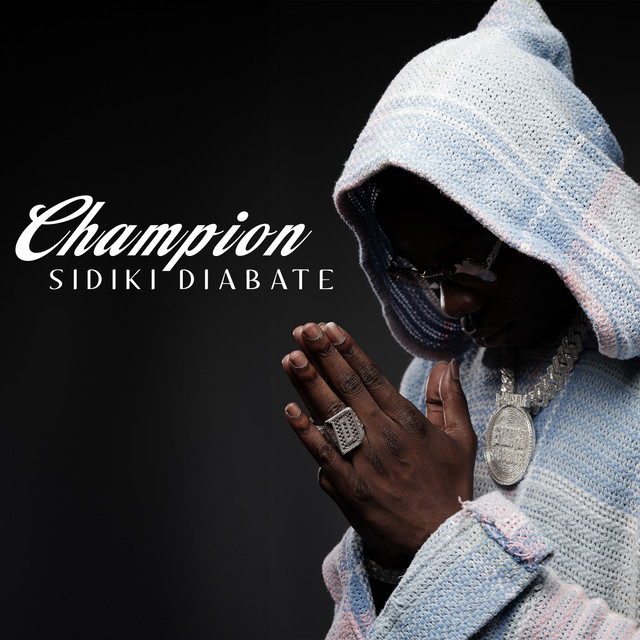
Champion
Sidiki Diabaté
Desert Blues
2023
2
/5
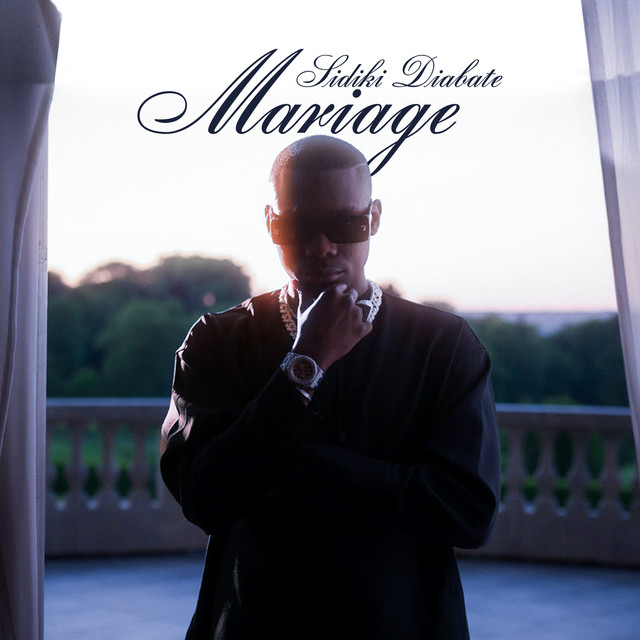
Mariage
Sidiki Diabaté
Desert Blues
2022
1
/5
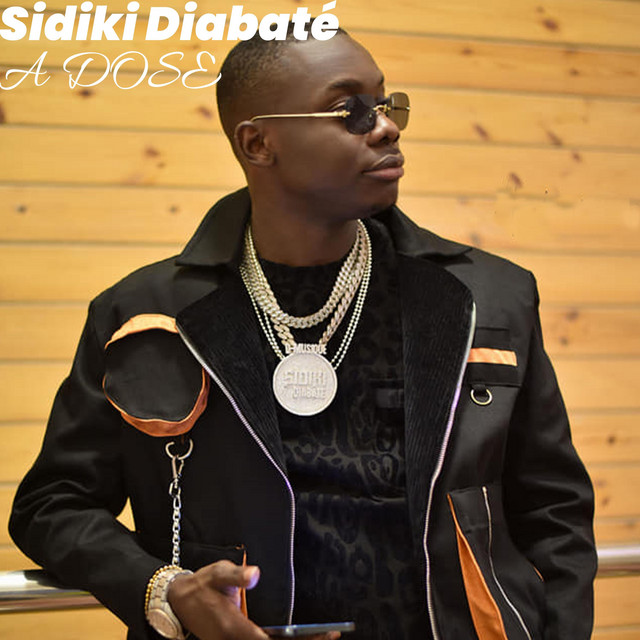
A Dose
Sidiki Diabaté
Desert Blues
2021
2
/5
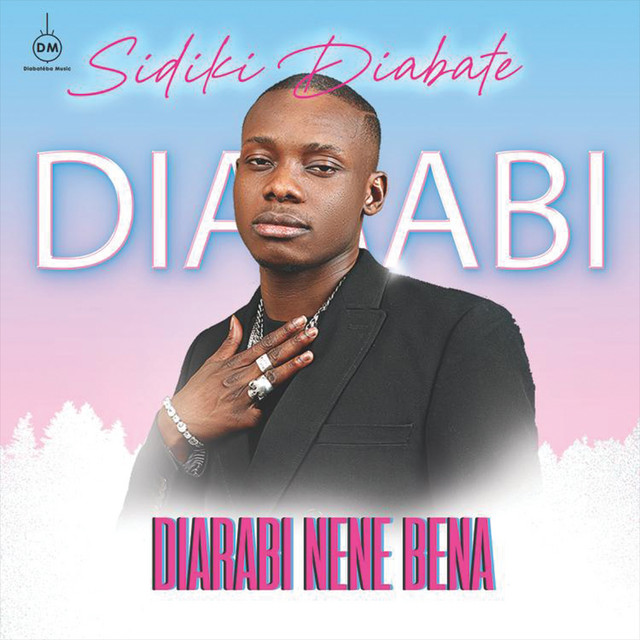
Diarabi Nene Bena
Sidiki Diabaté
Desert Blues
2021
2
/5
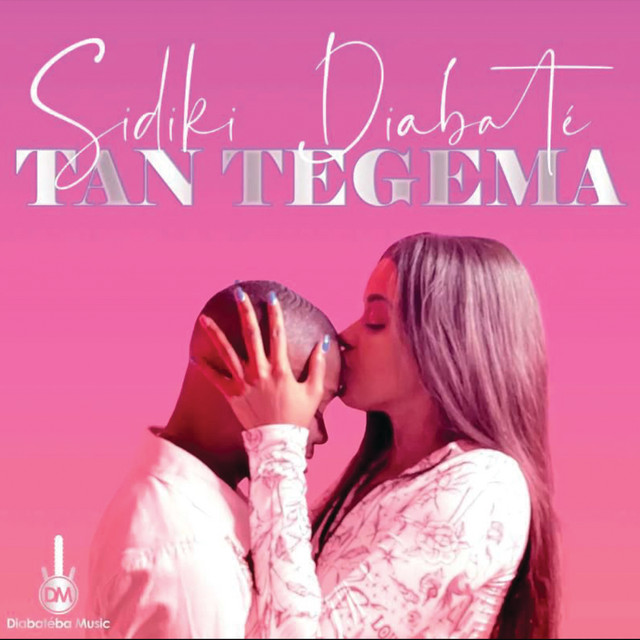
Tan Tegema
Sidiki Diabaté
Desert Blues
2020
2
/5
I kana fin fö
Sidiki Diabate
Guinean Pop
2019
2
/5
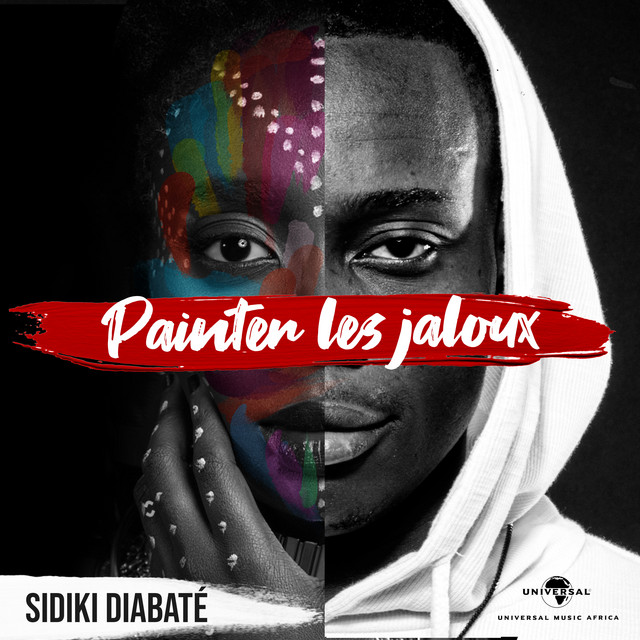
Painter les jaloux
Sidiki Diabaté
Desert Blues
2017
2
/5
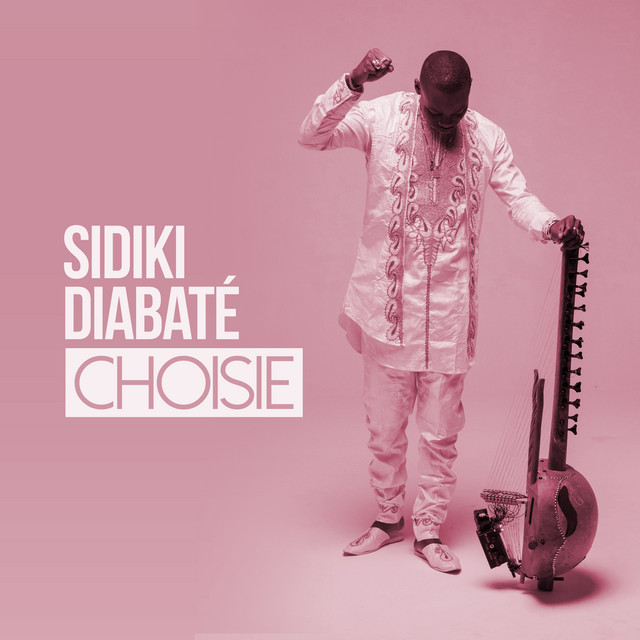
Choisie
Sidiki Diabaté
Desert Blues
2017
2
/5
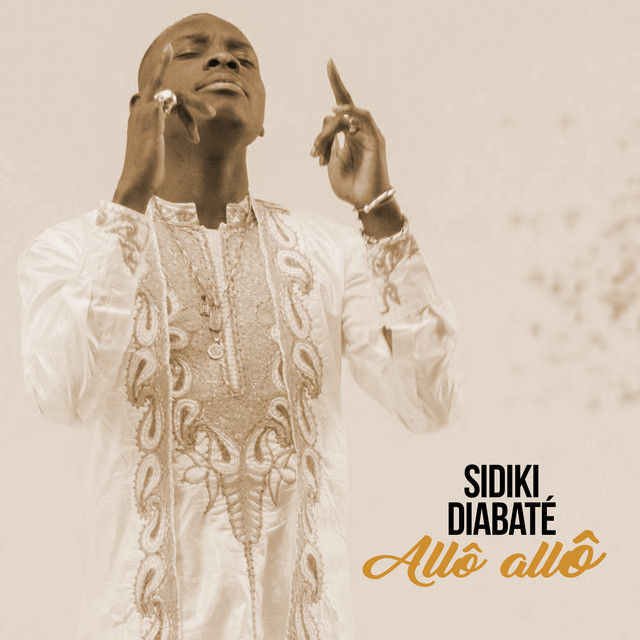
Allô allô
Sidiki Diabaté
Desert Blues
2017
2
/5
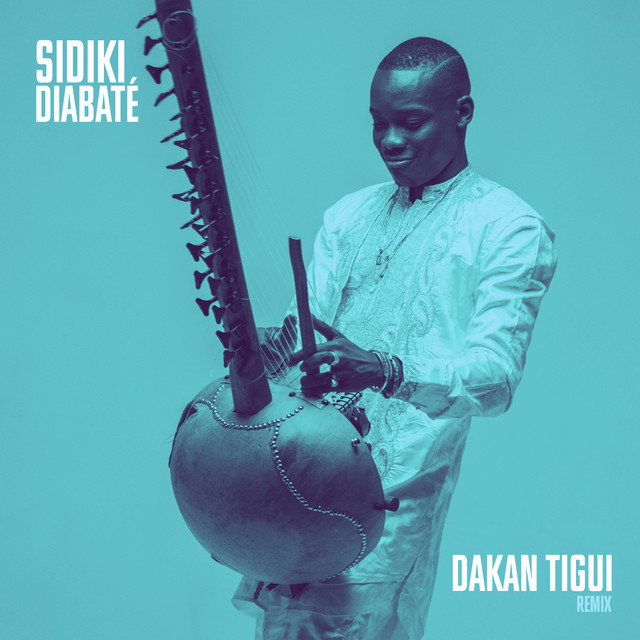
Dakan tigui (Remix)
Sidiki Diabaté
Desert Blues
2016
3
/5
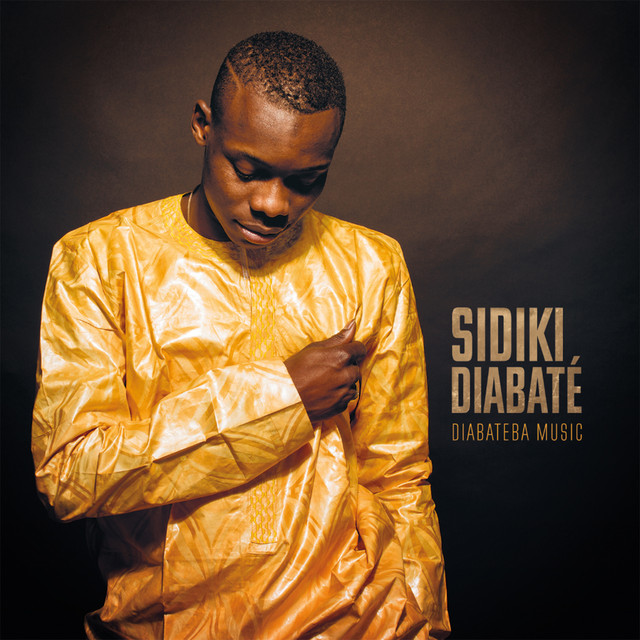
Diabateba Music, Vol. 1
Sidiki Diabaté
Desert Blues
Hip Hop
2014
1
/5
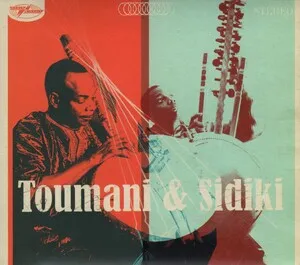
Toumani & Sidiki
Toumani Diabaté & Sidiki Diabaté
Griot
Mande Music
Similar artists
5
/5
Burna Boy
Afrobeats
Dancehall
Afrobeat
5
/5
Tiakola
Pop Urbaine
Afropiano
Rap Calme
5
/5
Seyi Vibez
Amapiano
Fuji
Nigerian Pop
5
/5
Central Cee
Melodic Drill
Grime
Uk Drill
4
/5
Aya Nakamura
Afrobeats
Contemporary R&b
Pop
4
/5
Davido
Ghanaian Hip Hop
Hiplife
Azontobeats
4
/5
Ayra Starr
Afrobeats
Afrobeat
Afro Soul
4
/5
Skepta
Grime
Instrumental Grime
Hip Hop
4
/5
ElGrandeToto
Moroccan Rap
Arabic Rap
Moroccan Pop
4
/5
Dadju
Afro Drill
Afrobeats
Basshall
Download our mobile app
Get the Melodigging app and start digging for new genres on the go
Download on the App Store
Get it on Google Play
© 2026 Melodigging
Give feedback
Legal
Melodding was created as a tribute to
Every Noise at Once
, which inspired us to help curious minds keep digging into music's ever-evolving genres.