Your digging level

For this genre
0/8
🏆
Sign in, then listen to this genre to level up

Description

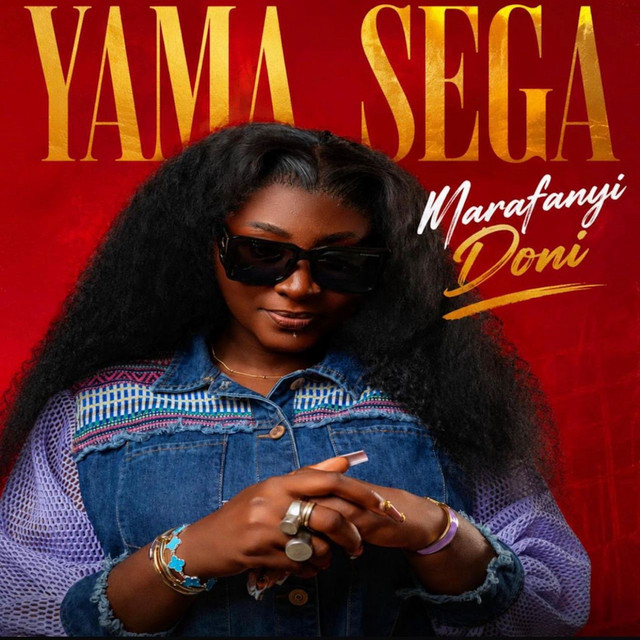
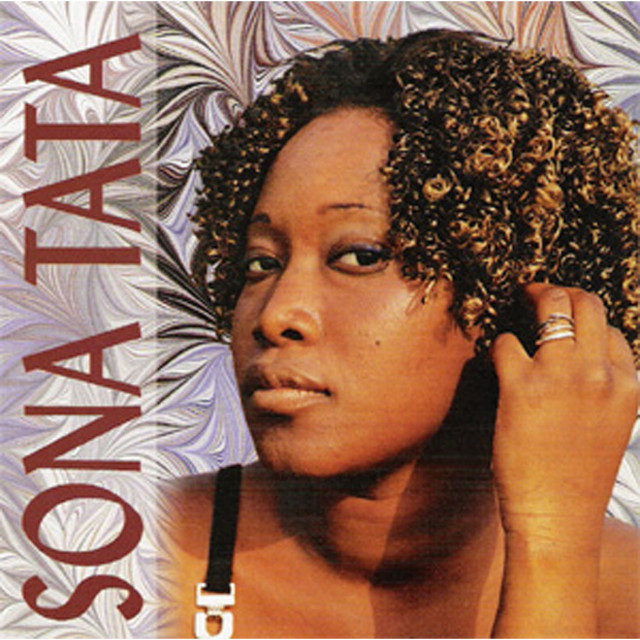
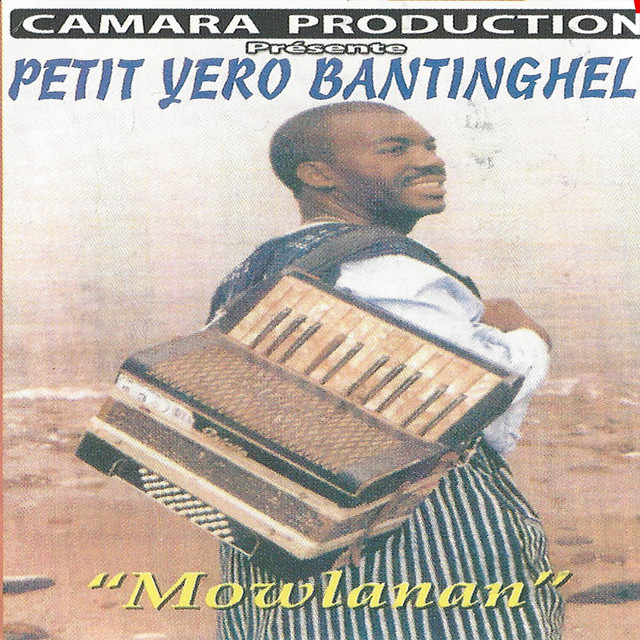
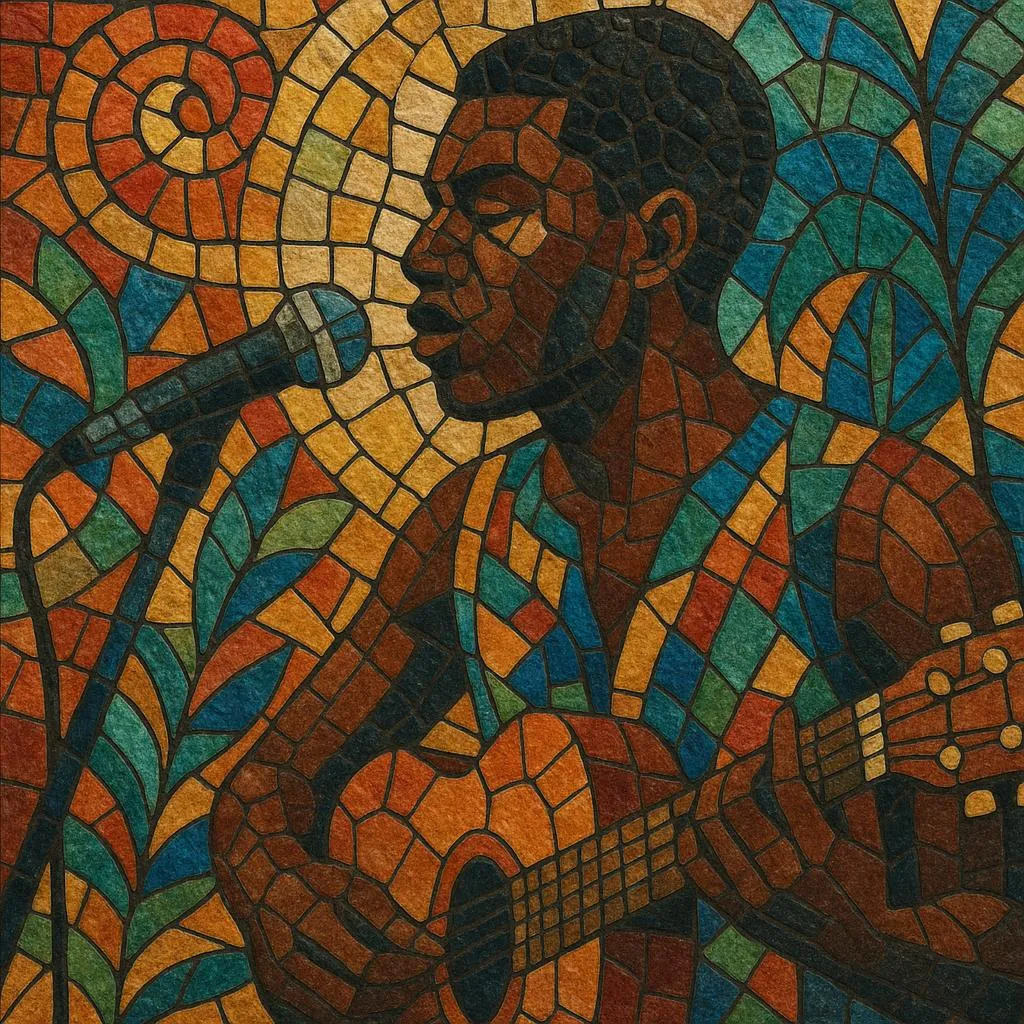
Guinean pop is the modern, radio-friendly evolution of Guinea’s rich Mandé and Susu popular traditions, updated with contemporary Afrobeats grooves, francophone dance styles, and global R&B/hip‑hop aesthetics. It typically blends bright guitar or kora riffs with lush synths, polyrhythmic percussion, and melodic hooks sung in French and local languages such as Susu, Malinké (Maninka) and Pular.

The style sits at the crossroads of classic West African dance bands and today’s pan‑African club sound. You’ll hear echoes of highlife and soukous in the guitars, zouk and coupé‑décalé in the swing and dance appeal, and reggae/dancehall or hip‑hop in vocal delivery and production techniques.


Sources: Spotify, Wikipedia, Discogs, RYM, MB, user feedback and other online sources

History

Early roots (1960s–1980s)

After independence, Guinea fostered a unique state‑backed popular music culture (e.g., Bembeya Jazz National) that modernized traditional Mandé repertoire with electric instruments and dance‑band arrangements. By the 1980s, global pop and electronic production began to intersect with Guinean melody and instrumentation. The international success of Guinean artists working with synthesizers, drum machines, and bright guitar/kora hooks helped frame a pathway toward a distinctly Guinean form of accessible, dance‑oriented pop.

Consolidation and regional exchange (1990s–2000s)

In the 1990s and 2000s, diasporic circuits in Abidjan, Dakar, Paris and Conakry intensified exchange with zouk, coupé‑décalé, mbalax, reggae/dancehall and hip‑hop. Guinean singers and bands embraced modern production (sequenced drums, glossy synth pads) while retaining griot‑derived vocal lines and call‑and‑response refrains. Local studios and independent labels grew, and music videos and TV/radio play built a mainstream audience at home and in the diaspora.

Digital era and Afrobeats convergence (2010s–present)

Streaming and social media accelerated Guinean pop’s reach. Producers integrated Afrobeats drum programming, Auto‑Tune‑polished vocals, and hybrid grooves that travel easily across West African dance floors. Lyrics often switch between French and local languages, covering romance, social commentary, and national pride. Live shows still emphasize percussion‑driven energy, while studio tracks lean into tight hooks and global club sonics, positioning Guinean pop within the broader Afro‑contemporary landscape.

How to make a track in this genre

Core instrumentation and texture
•   Combine a pop rhythm section (drum machine or sampled kit, electric bass, rhythm guitars) with West African timbres (kora, balafon, djembe/dunun). Add lush synth pads and bright plucks for modern sheen. •   Use interlocking guitar or kora ostinatos for momentum. Keep lines concise and melodic so they double as hooks.
Rhythm and groove
•   Aim for 95–110 BPM for mid‑tempo dance tracks. Program a syncopated Afrobeats‑style kick pattern with shaker/hat polyrhythms. •   Layer hand percussion (congas/djembe) on top of sequenced drums for a live, organic feel. Borrow zouk/coupé‑décalé swing for chorus lift.
Harmony and melody
•   Common pop progressions (I–V–vi–IV or ii–V–I variants) work well; keep changes sparse to spotlight vocals and groove. •   Melodic phrasing can reference griot vocal contours—ornamented lines, responsive ad‑libs, and call‑and‑response backing parts.
Vocals and lyrics
•   Alternate between French and local languages (Susu, Malinké/Maninka, Pular) for authenticity and reach. •   Themes: love/relationships, social reflection, everyday life, and pride in Guinean culture. Craft memorable, repeatable choruses.
Production tips
•   Tighten low‑end with side‑chained bass to the kick; add subtle tape saturation to guitars/kora for warmth. •   Tasteful Auto‑Tune can modernize leads; stack harmonies and short call‑backs to energize refrains. •   Arrange with clear sections (intro–verse–pre–chorus–chorus–bridge) and use percussion drops, claps, and crowd responses to heighten dance impact.

Top tracks

Locked
Share your favorite track to unlock other users’ top tracks

Upcoming concerts

in this genre
Influenced by
Has influenced
No genres found

Download our mobile app

Get the Melodigging app and start digging for new genres on the go
© 2026 Melodigging
Melodding was created as a tribute to Every Noise at Once, which inspired us to help curious minds keep digging into music's ever-evolving genres.
Buy me a coffee for Melodigging