Genres
Artists
Albums
Make Music
Sign in
Sign in
Artists
Classical
Artists
Classical
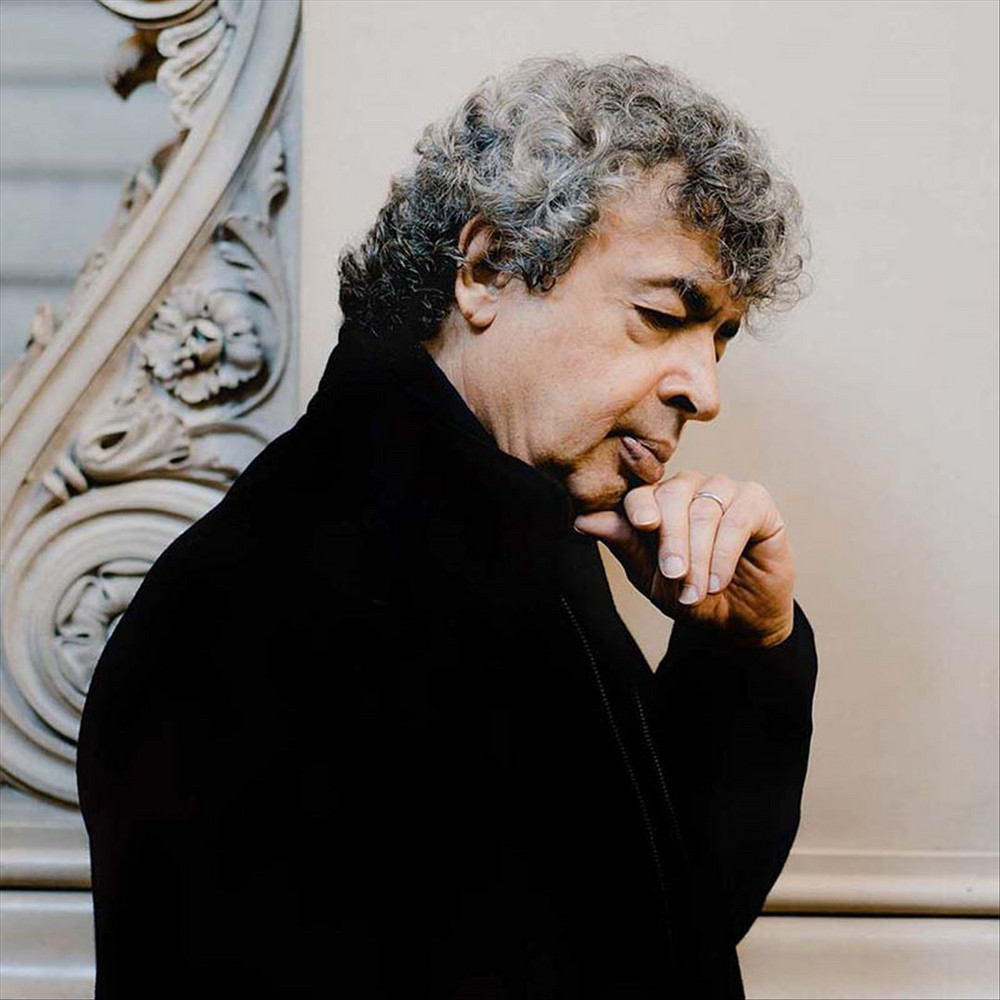
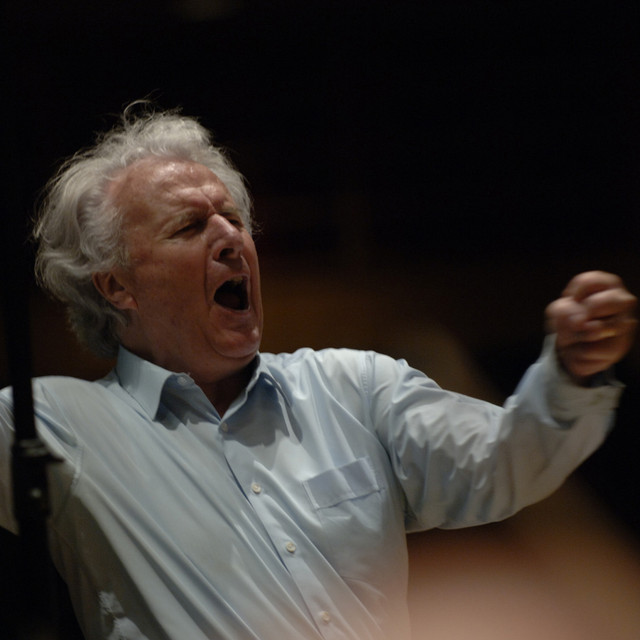
Semyon Bychkov
2009–2016
·
2 albums
Listen
3
/5
Genres
Deep Soundtrack
Deep soundtrack is a modern, cinematic substyle that emphasizes low, immersive textures, slow-moving harmony, and spacious ambience over bombast. It sits at the intersection of ambient music, post-classical scoring, and contemporary film/TV/game underscore, favoring drones, soft pulses, and intimate instruments (piano, strings, analog synths) treated with generous space and subtle sound design. Rather than foregrounding memorable themes or trailer-scale crescendos, deep soundtrack cultivates mood: tense, melancholic, or quietly hopeful. It is designed to sit under narrative, visuals, or concentration—music that breathes, evolves slowly, and suggests emotion without overwhelming it.
Discover
Listen
432hz
432hz is a wellness-oriented ambient/New Age micro-genre built around tuning music to the alternative concert pitch A=432 Hz instead of the modern standard A=440 Hz. In practice, 432hz releases are largely instrumental, slow-tempo, and reverb-rich, combining soft pads, drones, gentle piano, bowls/chimes, and nature sounds. Tracks are marketed for relaxation, meditation, yoga, sleep, and "energy" or "chakra" work, and are frequently tagged with wellness keywords. While advocates claim psychoacoustic or physiological benefits from 432 Hz tuning, these claims remain unproven; the sound signature audiences respond to is the calm production, consonant harmony, and spacious mixing typical of ambient and New Age music. As a streaming-native style, 432hz thrives on platforms like YouTube and Spotify where long-form background listening, SEO-friendly titling, and looping visuals support use-cases such as study, mindfulness, and sleep.
Discover
Listen
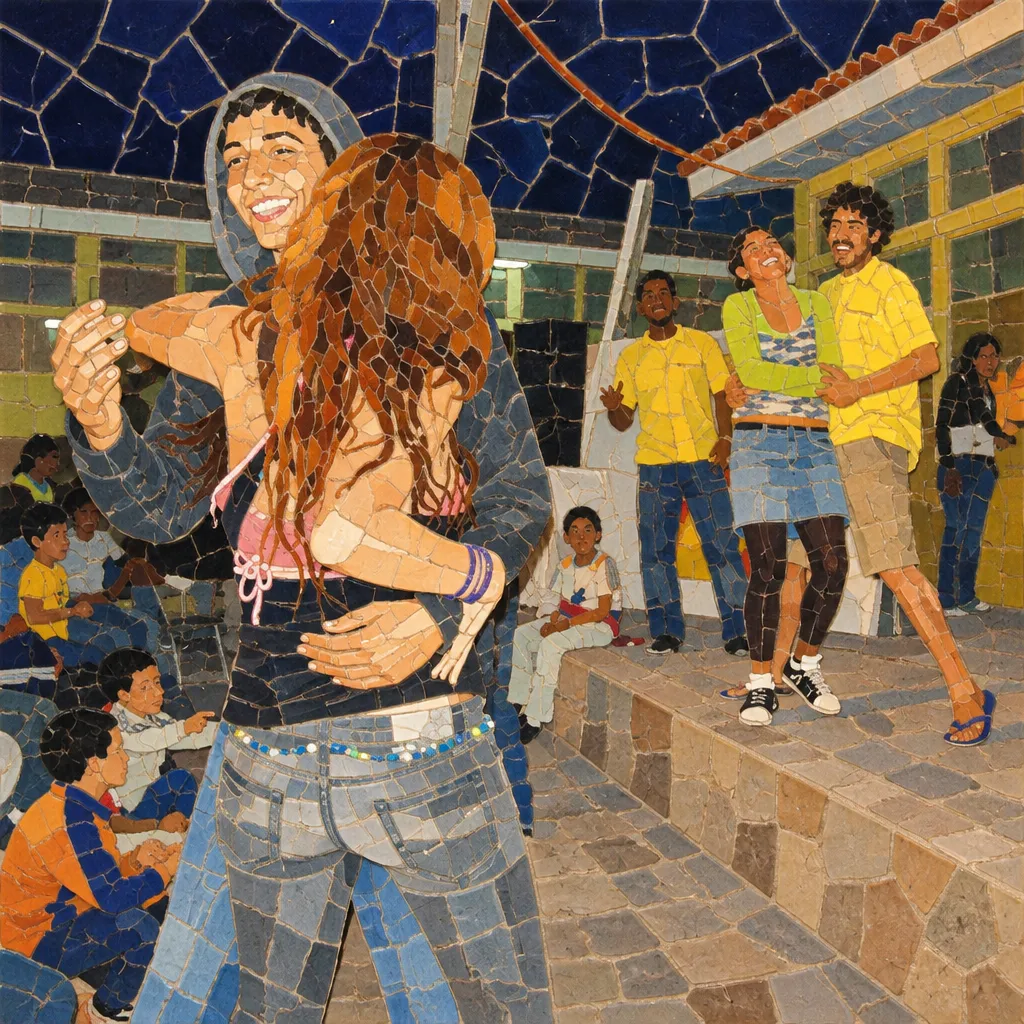
Doble Paso
Doble paso is a high‑tempo reggaetón variant characterized by running the classic dembow groove at double speed, creating a frenetic, hard‑hitting feel aimed squarely at the dance floor. Compared with standard reggaetón drum patterns (typically around 90–100 BPM), doble paso accelerates the same rhythmic skeleton to roughly 120–140 BPM, often accompanying a club dance of the same name. Producers keep the core syncopation and low‑end punch of reggaetón while tightening hi‑hats, adding denser percussion fills, and favoring short, chant‑like hooks that match the breathless pace. The result is intense, perreo‑ready energy that bridges classic reggaetón, Dominican dembow’s urgency, and club‑forward editing trends.
Discover
Listen
Classical Bass
Classical bass is the tradition of double bass performance and composition within Western classical music. It centers on the double bass as a solo, chamber, and orchestral instrument, highlighting its deep timbre, wide range, and expressive capabilities. Repertoire spans concertos, sonatas, character pieces, orchestral excerpts, and chamber works in which the bass either anchors harmony or emerges as a lyrical, virtuosic voice. The style relies on bow (arco) technique—détaché, legato, spiccato, staccato, and martelé—alongside pizzicato, natural and artificial harmonics, and advanced thumb-position playing. Players use orchestral tuning (E–A–D–G) and often solo tuning (F♯–B–E–A) with transposition. Both French and German bow holds are common. Notation crosses bass, tenor, and treble clefs to accommodate range, and writing idiomatically respects string crossings, shifting, and the instrument’s resonance.
Discover
Listen
Symfonicky Orchestr
Symfonický orchestr (symphony orchestra) refers to the large, standardized classical ensemble designed for the performance of symphonies, overtures, tone poems, concertos, and other large-scale works. It typically includes strings, woodwinds, brass, percussion, and often harp, keyboards, or auxiliary instruments. As the repertory expanded from the Classical into the Romantic era, the ensemble grew in size and color to realize wider dynamic range, more complex textures, and dramatic narratives. Today, the symphony orchestra is both a musical institution and a performance tradition, encompassing concert presentations, opera pits, film sessions, and contemporary commissions.
Discover
Listen
Orchestral
Orchestral music refers to compositions written for an orchestra—a large ensemble typically built around a string section (violins, violas, cellos, double basses), complemented by woodwinds, brass, percussion, and often harp, keyboard, or other auxiliary instruments. A conductor coordinates the ensemble, shaping balance, phrasing, and expression. The style emphasizes coloristic timbre combinations, dynamic range from the softest pianissimo to explosive tuttis, and textures that can shift seamlessly between transparent chamber-like writing and monumental masses of sound. Orchestral writing underpins concert genres such as symphonies, overtures, and tone poems, as well as opera, ballet, and modern film and game scores. While orchestral writing evolved across centuries, its core craft centers on melody, counterpoint, harmony, register, and orchestration—the art of assigning musical ideas to instruments to achieve clarity, contrast, and narrative impact.
Discover
Listen
Opera
Opera is a large-scale theatrical genre that combines music, drama, and visual spectacle, in which the story is primarily conveyed through singing accompanied by an orchestra. It unites solo voices, ensembles, and chorus with staging, costumes, and often dance to create a total artwork. Emerging in late Renaissance Italy and flourishing in the Baroque era, opera developed signature forms such as recitative (speech-like singing that advances the plot) and aria (lyrical numbers that explore character and emotion). Over the centuries it evolved diverse national styles—Italian bel canto, French grand opéra, German music drama—while continually experimenting with orchestration, harmony, narrative structure, and stagecraft.
Discover
Listen
Classical
Classical music is the notated art-music tradition of Europe and its global descendants, characterized by durable forms, carefully codified harmony and counterpoint, and a literate score-based practice. The term “classical” can refer broadly to the entire Western art-music lineage from the Medieval era to today, not just the Classical period (c. 1750s–1820s). It privileges long-form structures (such as symphonies, sonatas, concertos, masses, and operas), functional or modal harmony, thematic development, and timbral nuance across ensembles ranging from solo instruments to full orchestras and choirs. Across centuries, the style evolved from chant and modal polyphony to tonal harmony, and later to post-tonal idioms, while maintaining a shared emphasis on written notation, performance practice, and craft.
Discover
Listen
Show all 8 genres
Albums
2016
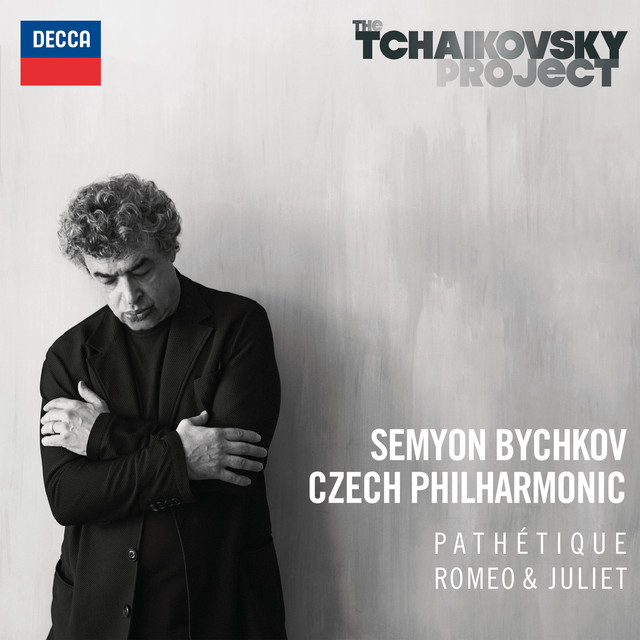
Tchaikovsky: Symphony No.6 in B Minor - "Pathétique"; Romeo & Juliet Fantasy Overture
Pyotr Ilyich Tchaikovsky, Czech Philharmonic, Semyon Bychkov
Symfonicky Orchestr
2009
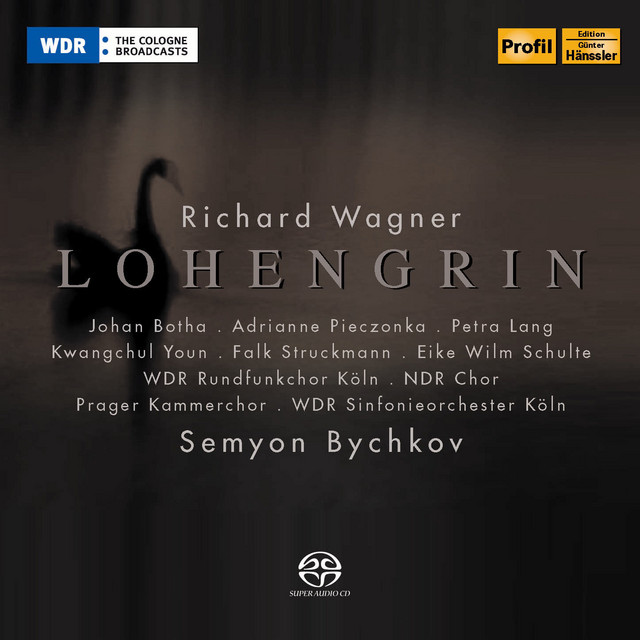
Wagner, R.: Lohengrin [Opera]
Richard Wagner, Semyon Bychkov
Classical Bass
Similar artists
4
/5
London Symphony Orchestra
Classical
Ballet
Concerto
4
/5
Berliner Philharmoniker
Classical
Symphony
Romantic Classical
4
/5
London Philharmonic Orchestra
Opera
Classical
Deep Soundtrack
4
/5
Philharmonia Orchestra
Classical
Opera
Choral
3
/5
Sir Colin Davis
Classical
Requiem
Deep Soundtrack
4
/5
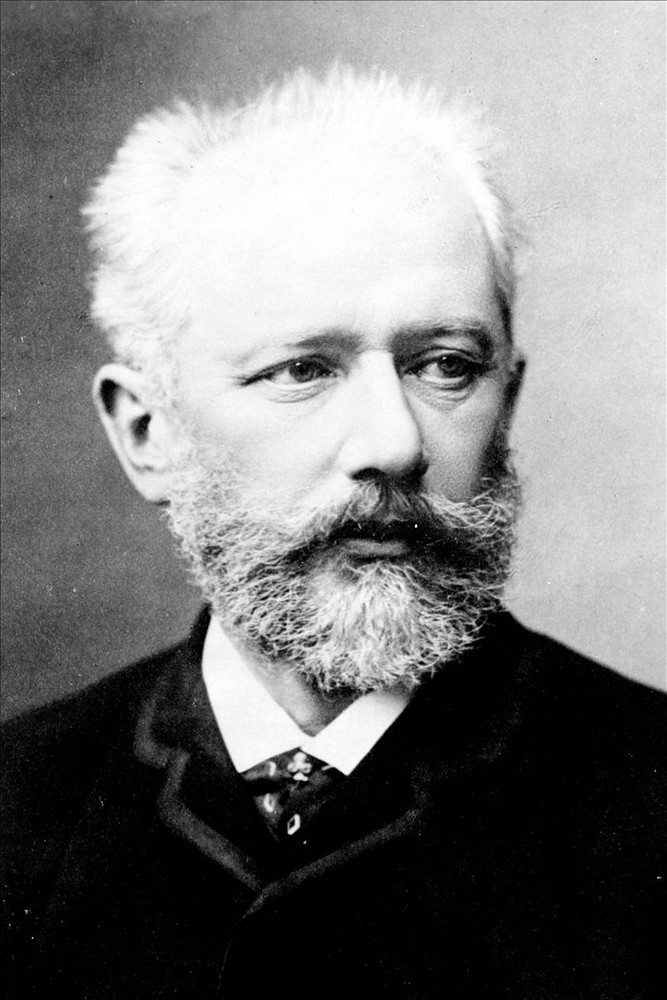
Pyotr Ilyich Tchaikovsky
Classical
Moscow School
Ballet
4
/5
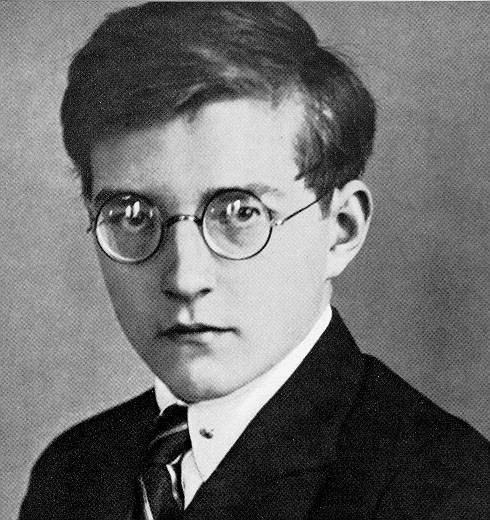
Dmitri Shostakovich
Classical
Chamber Music
Fugue
3
/5
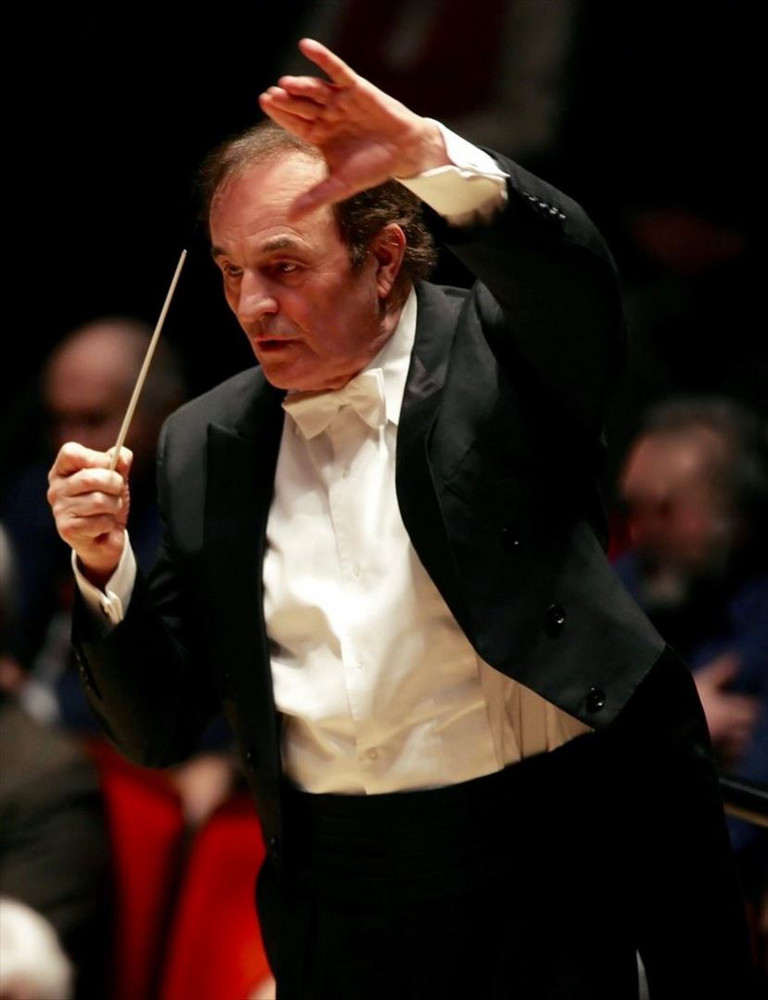
Charles Dutoit
Classical
Deep Soundtrack
Symphonic Poem
3
/5
Il Pomo D'oro
Classical
Deep Soundtrack
Opera
3
/5
Maxim Emelyanychev
Classical
Deep Soundtrack
Opera
Download our mobile app
Get the Melodigging app and start digging for new genres on the go
Download on the App Store
Get it on Google Play
© 2026 Melodigging
Give feedback
Legal
Melodding was created as a tribute to
Every Noise at Once
, which inspired us to help curious minds keep digging into music's ever-evolving genres.