Genres
Artists
Albums
Make Music
Sign in
Sign in
Artists
Classical
Artists
Classical
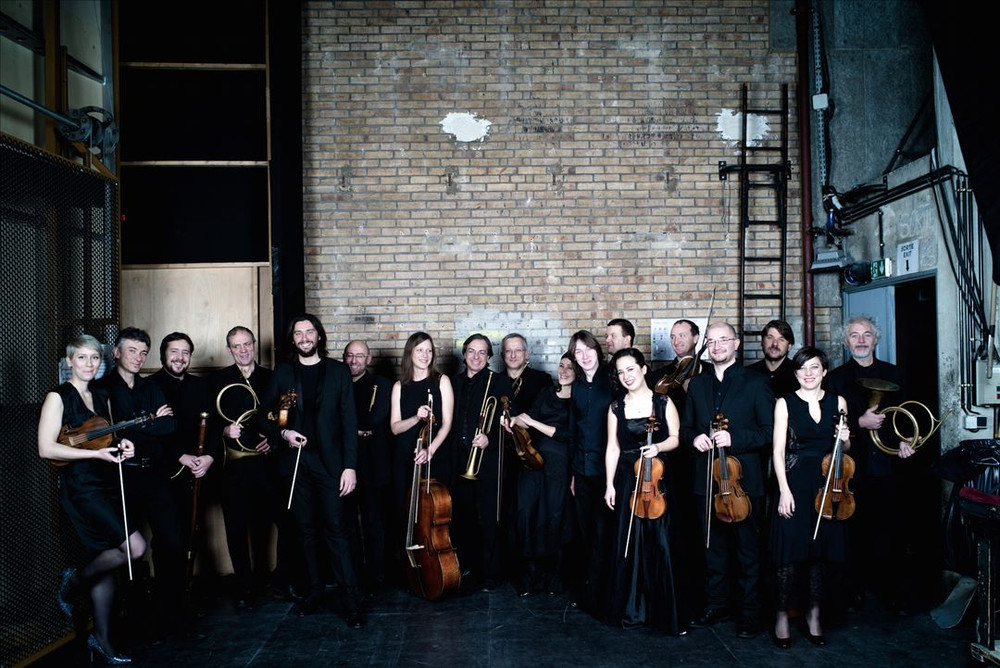
Il Pomo D'oro
2015–2023
·
3 albums
Listen
3
/5
Genres
Deep Soundtrack
Deep soundtrack is a modern, cinematic substyle that emphasizes low, immersive textures, slow-moving harmony, and spacious ambience over bombast. It sits at the intersection of ambient music, post-classical scoring, and contemporary film/TV/game underscore, favoring drones, soft pulses, and intimate instruments (piano, strings, analog synths) treated with generous space and subtle sound design. Rather than foregrounding memorable themes or trailer-scale crescendos, deep soundtrack cultivates mood: tense, melancholic, or quietly hopeful. It is designed to sit under narrative, visuals, or concentration—music that breathes, evolves slowly, and suggests emotion without overwhelming it.
Discover
Listen
Opera Seria
Opera seria is the 18th‑century Italian "serious" opera that crystallized around noble, moralizing stories drawn from Classical mythology and ancient history. It privileges elevated rhetoric, clear affects, and vocal virtuosity, especially through the da capo (ABA') aria, where singers ornament the return to display technical brilliance and expressive nuance. Typically organized in three acts, opera seria alternates recitatives (secco with continuo for dialogue; accompagnato with orchestra for heightened drama) and solo arias. Ensemble numbers and choruses are rare, and the dramatic flow is shaped by the famous "exit aria" convention, where characters leave the stage after an aria. The style reached canonical form via Metastasian libretti and dominated courts and major opera houses across Naples, Rome, Venice, Vienna, and London.
Discover
Listen
Concerto
A concerto is a large-scale composition that sets one or more solo instruments in dynamic dialogue with an orchestra. Its core idea is contrast—between soloist and tutti—and the dramatic negotiation of power, color, and thematic responsibility. While Baroque concertos often relied on ritornello form, the Classical era standardized a three-movement plan (fast–slow–fast) with sonata principles in the opening movement. The Romantic period emphasized virtuosity and expressive foregrounding of the soloist, and the 20th–21st centuries broadened the palette with new instruments, harmonies, and formats. Across eras, the concerto remains a showcase for instrumental character, technical brilliance, and the art of orchestral conversation.
Discover
Listen
Baroque
Baroque is a period and style of Western art music spanning roughly 1600–1750. It is characterized by the birth of functional tonality, the widespread use of basso continuo (figured bass), and a love of contrast—between soloist and ensemble, loud and soft, and different timbres. Hallmark genres and forms of the era include opera, cantata, oratorio, concerto (especially the concerto grosso), dance suite, sonata, and fugue. Textures range from expressive monody to intricate counterpoint, and melodies are richly ornamented with trills, mordents, and appoggiaturas. Baroque music flourished in churches, courts, and theaters across Europe, with regional styles (Italian, French, German, English) shaping distinctive approaches to rhythm, dance, harmony, and ornamentation.
Discover
Listen
Orchestral
Orchestral music refers to compositions written for an orchestra—a large ensemble typically built around a string section (violins, violas, cellos, double basses), complemented by woodwinds, brass, percussion, and often harp, keyboard, or other auxiliary instruments. A conductor coordinates the ensemble, shaping balance, phrasing, and expression. The style emphasizes coloristic timbre combinations, dynamic range from the softest pianissimo to explosive tuttis, and textures that can shift seamlessly between transparent chamber-like writing and monumental masses of sound. Orchestral writing underpins concert genres such as symphonies, overtures, and tone poems, as well as opera, ballet, and modern film and game scores. While orchestral writing evolved across centuries, its core craft centers on melody, counterpoint, harmony, register, and orchestration—the art of assigning musical ideas to instruments to achieve clarity, contrast, and narrative impact.
Discover
Listen
Opera
Opera is a large-scale theatrical genre that combines music, drama, and visual spectacle, in which the story is primarily conveyed through singing accompanied by an orchestra. It unites solo voices, ensembles, and chorus with staging, costumes, and often dance to create a total artwork. Emerging in late Renaissance Italy and flourishing in the Baroque era, opera developed signature forms such as recitative (speech-like singing that advances the plot) and aria (lyrical numbers that explore character and emotion). Over the centuries it evolved diverse national styles—Italian bel canto, French grand opéra, German music drama—while continually experimenting with orchestration, harmony, narrative structure, and stagecraft.
Discover
Listen
Motet
A motet is a polyphonic vocal composition, usually on a sacred Latin text, that emerged in the High Middle Ages and became a central genre of European art music during the Renaissance. Early motets layered different texts and rhythms above a chant-derived tenor, while later Renaissance motets favored smooth, imitative counterpoint shared among voice parts. Across its long history the motet served both liturgical and devotional functions, typically performed a cappella by small choirs. Stylistically it ranges from the rhythmically intricate, isorhythmic constructions of the 13th–14th centuries to the balanced, text-sensitive writing of the 16th century, and onward to concerted and chorale-based treatments in the Baroque and beyond.
Discover
Listen
Classical
Classical music is the notated art-music tradition of Europe and its global descendants, characterized by durable forms, carefully codified harmony and counterpoint, and a literate score-based practice. The term “classical” can refer broadly to the entire Western art-music lineage from the Medieval era to today, not just the Classical period (c. 1750s–1820s). It privileges long-form structures (such as symphonies, sonatas, concertos, masses, and operas), functional or modal harmony, thematic development, and timbral nuance across ensembles ranging from solo instruments to full orchestras and choirs. Across centuries, the style evolved from chant and modal polyphony to tonal harmony, and later to post-tonal idioms, while maintaining a shared emphasis on written notation, performance practice, and craft.
Discover
Listen
Show all 8 genres
Albums
2023
1
/5
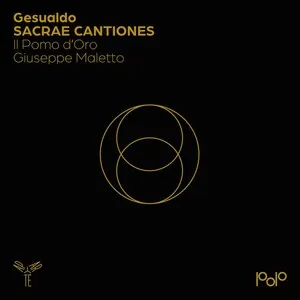
Sacrae cantiones
Carlo Gesualdo / Il Pomo d'Oro / Giuseppe Maletto
Motet
2020
2
/5
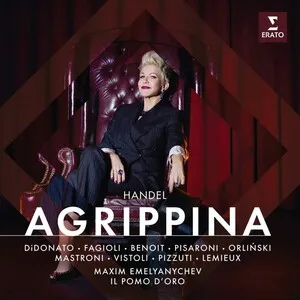
Agrippina
Georg Friedrich Händel
Opera Seria
Classical
2015
2
/5
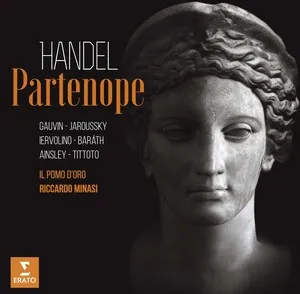
Partenope
Georg Friedrich Händel
Opera Seria
Similar artists
4
/5
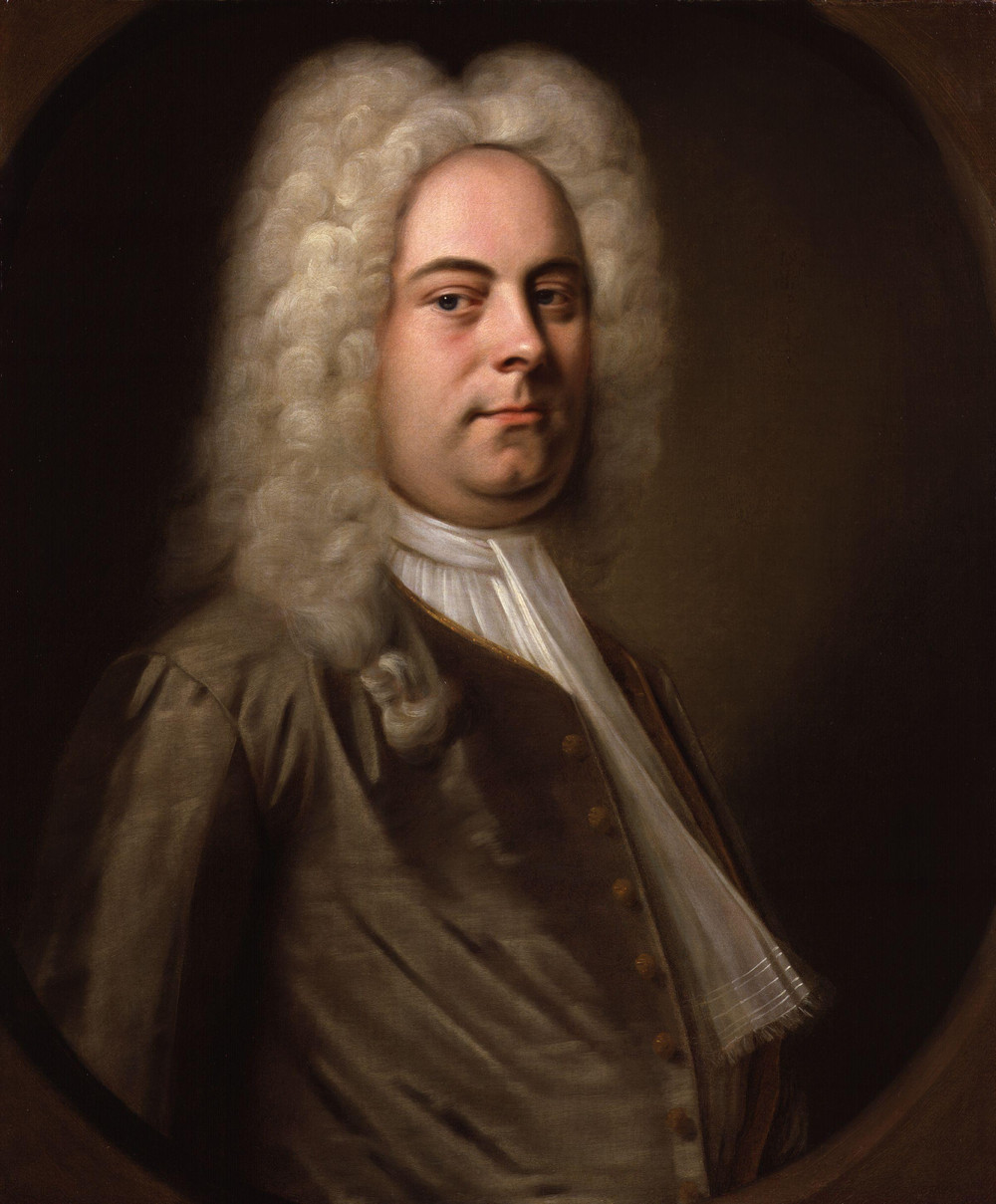
George Frideric Handel
Classical
Opera Seria
Baroque
3
/5
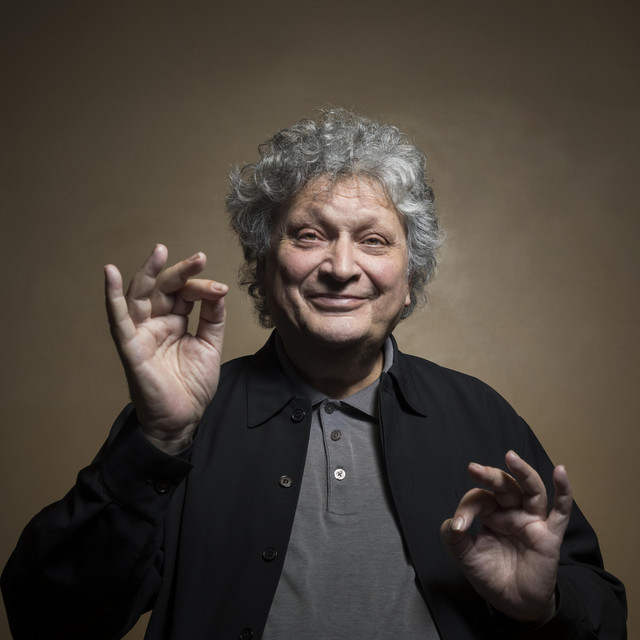
René Jacobs
Classical
Opera
Orchestral Performance
3
/5
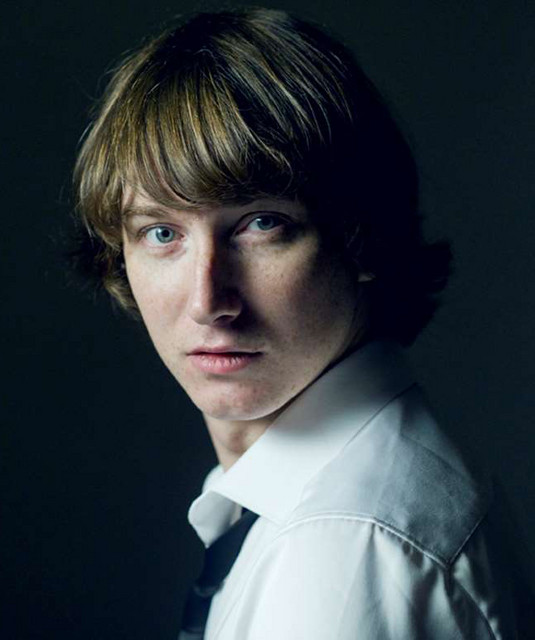
Maxim Emelyanychev
Classical
Deep Soundtrack
Opera
2
/5
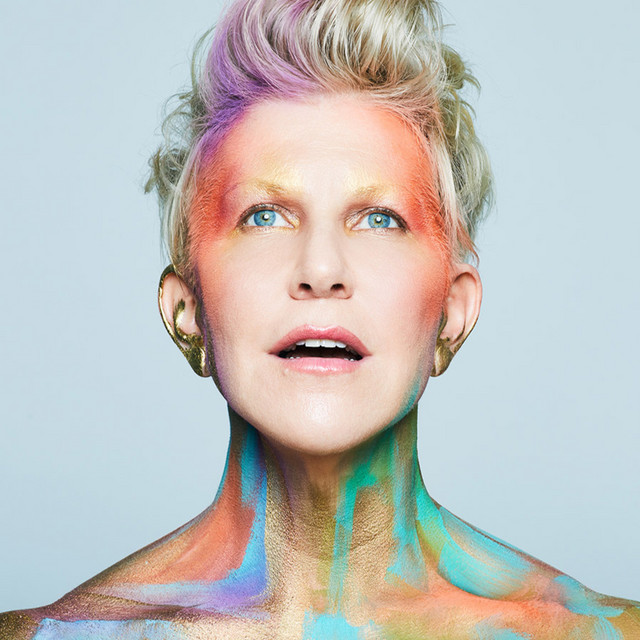
Joyce DiDonato
Opera
Opera Seria
Classical
4
/5
Wolfgang Amadeus Mozart
Classical
Requiem
Classical Period
4
/5
London Symphony Orchestra
Classical
Ballet
Concerto
4
/5
Berliner Philharmoniker
Classical
Romantic Classical
Romanticism
4
/5
Antonio Vivaldi
Baroque
Classical
Opera Seria
4
/5
Philharmonia Orchestra
Classical
Opera
Choral
4
/5
English Chamber Orchestra
Classical
Baroque
Chamber Music
Download our mobile app
Get the Melodigging app and start digging for new genres on the go
Download on the App Store
Get it on Google Play
© 2026 Melodigging
Give feedback
Legal
Melodding was created as a tribute to
Every Noise at Once
, which inspired us to help curious minds keep digging into music's ever-evolving genres.